Apple WWDC2020 – wow I was wrong

I always enjoy the Apple keynote speeches. The one everyone always remembers is where Steve Jobs introduces the first iPhone, but I feel this one may also go down in history.

The best thing about the Mac operating system is that is was always designed to be portable, ie could be recompiled to run on different architecture.

This has enabled the Mac to move from one system architecture to another.

PowerBook G4 12 inch

I started with a PowerMac, a lovely little 12 inch laptop for my portable photography needs. So I have lived with the transition from IBM to intel and the improvements that brought.

When Apple released the iPhone it was with an off the shelf ARM processor. Then over the years Apple has been buying up small ARM design companies, then became a full ARM licensee to enable them to start producing there own ARM designs. This has seen the iPhone and the iPad gradually pull away from the others in respect to battery performance, cpu performance and gpu performance. For nearly two years now there have been rumours that Apple would transition their laptops away from Intel to their own silicon but I have always thought the idea ridiculous.

Well I was wrong. I can certainly see the draw of something like a ARM powered MacBook Air. You could increase performance a little and greatly increase battery life, it would be the ultimate small laptop.

For the higher end laptops like what I am typing this article on, one I picked for its Adobe Photoshop and Lightroom Classic performance, I am not sure if ARM can match what Intel can do. The other issue is will Adobe port over Lightroom Classic or use this to force us to move to the new Lightroom. For photographers like me with large libraries the new version still does not quite cut it.

Its going to be an interesting couple of years a head of us.

Leica SL2 updates – 187 MP anyone

Leica SL2 being assembled – from Leica https://uk.leica-camera.com

As I have mentioned in the past, many of the smaller companies like Fuji, Olympus are much better at support, releasing new firmware for their new and old cameras.

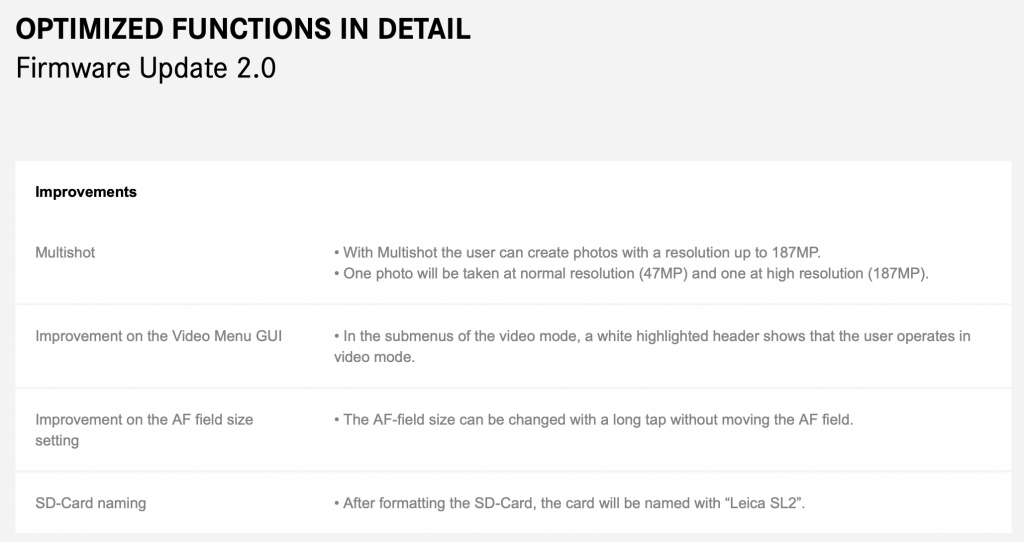
Leica just released a new update for the SL2.

Multishot has come to many cameras, with Olympus leading the way. I do it the old manual way in Photoshop and have produced many fine images.

Manual stitch of several Leica M10 images

For landscape photographers multi shot is a boon, giving you hi-re images from smaller lighter cameras.

Bug fixes and a few new features, these are always welcome.

Having pets: loosing pets

I suppose we are quite unusual, but as we live in the country we keep chickens to provide us with eggs, have hounds, snakes etc, not the usual selection of pets. All our animals are pets even the chickens which have their own unique characters.

This Friday we lost one of our girls, its always sad; we try to give are pets the best life they can and they give us far more.

How has COVID-19 lock down affected your photography

The biggest impact to me has been on my studio photography and my casual street photography.

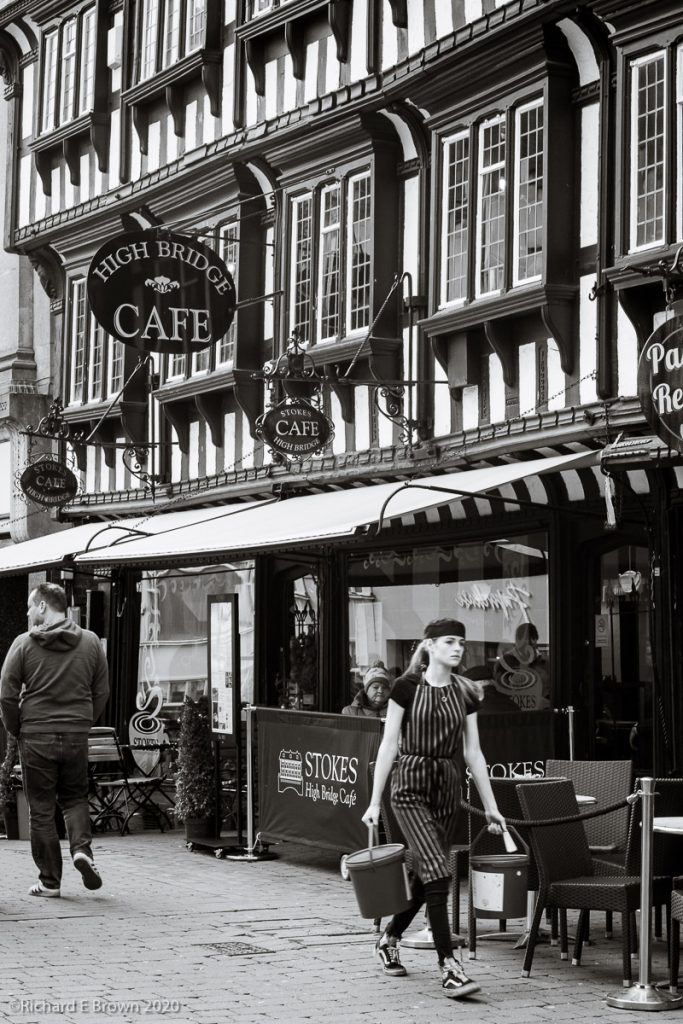
I am normally in Lincoln most week days, and at least twice a week I get into the centre of town to snap some street photographs. This is often my mainstay of my personal photography.

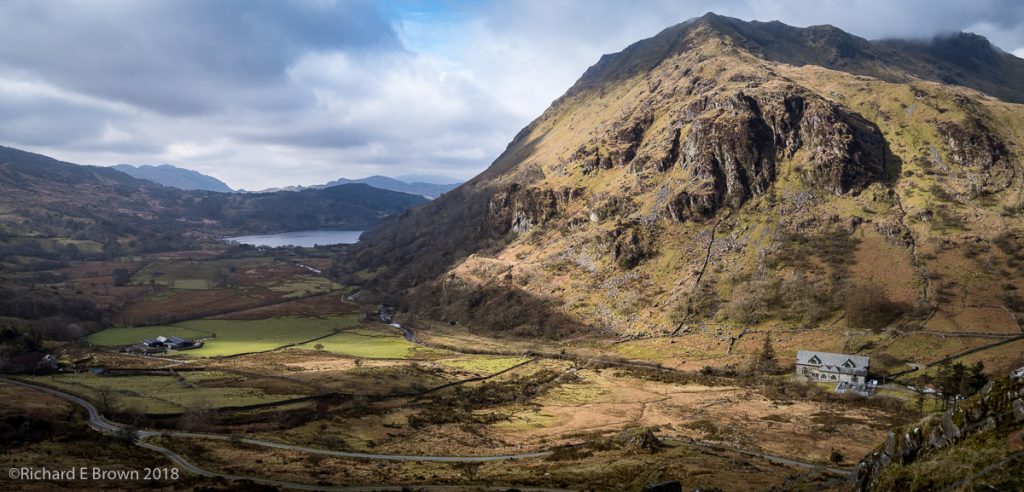
So my photography has been limited to the local walks around my village and shooting flowers in the garden.

One thing I was intending to do while stuck at home so much was to try some still life photography, but being stuck at home does not mean not having to work so its still something I have not gotten round to yet.

Apple True Tone and Night Shift

All new Mac’s for a while now have had True Tone and Night Shift, but what does this mean for photographers.

For my main office MacPro and NEC Pro Reference monitor I have it all turned off, I have the screen calibrated with an X-rite i1 Display and I monitor the light in the room and have the profiler device adjust my monitor as I work.

My old laptop had no True Tone or Night Shift but now my new MacBook Pro 16 inch has all these new features.

First can I say that you should definitely switch off Night Shift, it definitely colours the screen and makes it warmer and more pleasing at night.

When it comes to True Tone then it is a little more complex. True Tone attempts to keep the colours neutral no matter what the colour conditions around you.

For general editing and producing pictures for my blog or for customer edit reviews then True Tone is not going to make a lot of difference. For my final edits that are going to be published or I’ll print then the edit should be done with True Tone switched off; but then I should not be making those final edits on my laptop but in my office where I have the tools to edit properly.

COVID-19 and Studio’s

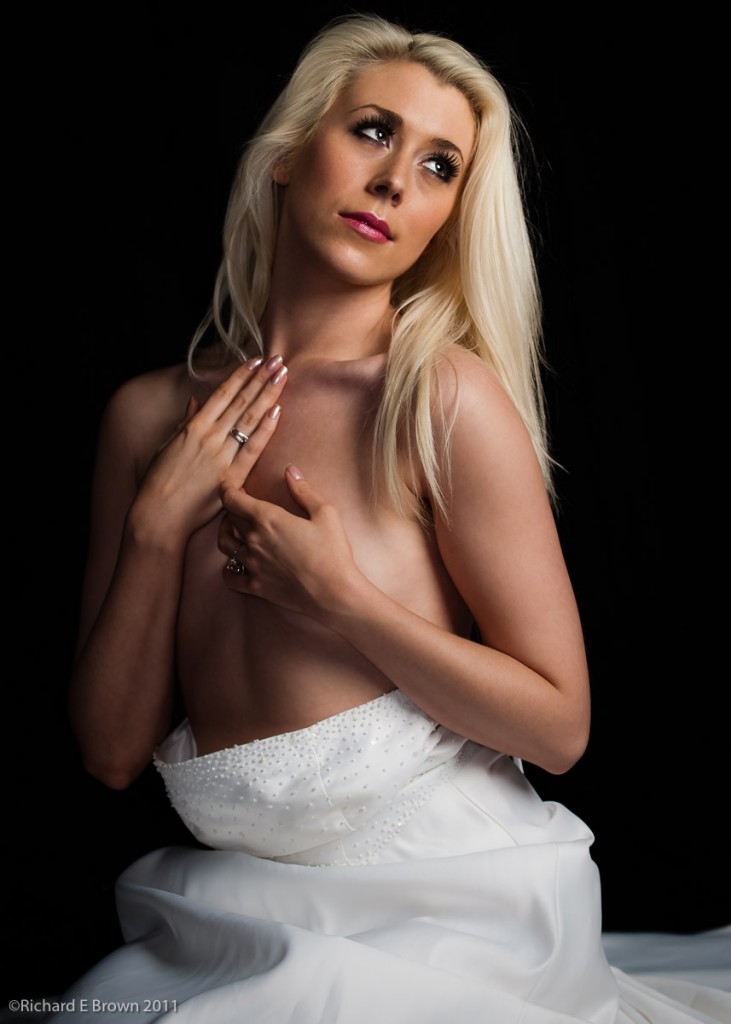
Get the Light Close – edit completed

At the moment here in the UK things are still very bad but are getting better.

Now many studios are starting to plan on getting back up and running, with social distancing rules and lots of cleaning between shoots.

At the moment, studios near me are planning to reopen at the end of June, beginning of July, as long as we do not have to completely shutdown again.

If you are planning on simple portraits and the model will be doing her own hair and makeup this sounds like it may work. For professional work it is still too early. Having a model, hair/make artist, photographer and art directory all working together in a hot enclosed studio is not going to work.

Light – Part 6 of 6

What flash to buy – Recommendations

Small flashes; well you cannot go wrong with your camera manufactures flash units. The Nikon units are particular good if expensive, which is the general problem with camera manufacturer’s lights.

For third party units I would recommend Metz or Quantum, there are a lot of new companies doing units now but I have no personal experience of them.

Studio flash units; low end I have no real experience but I will add that I had a cheap unit lighting the background on a studio shoot. It was struggling to keep up and caught fire! Midrange I use Elinchrom, high end the latest Profoto is hard to beat but you do pay a high price, I have heard some wonderful stories about how good their customer service is and assisting when there are issues.

Again like small flash, there are a lot of new companies doing studio flash like GoDox/PiXAPRO. The above shot was taken at a local location using some loaned PiXAPRO studio heads.

What ever you pick think about the accessaries you may need later and if its easy to get the unit repaired locally.

Mixing units; if you are doing anything that is colour critical then having all the units from the same manufacture help for consistent colour.

If your slowly building a system, may be a low-end light from the system you choose first, then add a second when you can afford it. This will last you a while, then maybe add a more expensive light as your main light and the others become background and hair lights.

Light – Part 3 of 6

Moving a small flash off camera

So how do we get small camera flash better, well we move it off camera and use a modifier.

This picture here made using a small flash on a stand and a white umbrella, to trigger it I had my other flash on camera but set to remote mode so not actually contributing to the overall exposure.

In this shot we are mixing daylight with flash. This time I have gone up a level from small flash to portable battery studio flash. In this shot I used a Elinchrom Quadra on a lightstand and a shoot through umbrella. The advantage of a portable studio flash solution is that it offers far more power.

When using flash outside there is a problem, and that is power and sync speed. Power is easily solved, buy a more powerful flash unit. Sync speed is more of an issue.

In this particular shot I wanted the daylight underexposed. The flash exposure is controlled by the aperture, this leaves the only option to control the ambient light being the shutter speed. Low end cameras will only sync to 1/60 of a second. Mid range cameras will go to 1/125 to 1/180 and higher end cameras to 1/250. A high end professional studio medium format camera will sync up to about 1/2000 or some 1/8000 of a second but these cost tens of thousand of pounds.

Light – Part 2 of 6

On camera flash

On camera flash gives the worst result but there are ways of improving it. I highly rate Nikon’s CCS system, I use a pair of SB800’s now quite old but work well.

In auto using a cameras modern TTL flash metering system you generally get reasonable results, but they become easily tricked by large dark or white areas.

You get a bounce card with the SB800’s that helps and a little modifier, you can also buy little soft boxes to fit on the flash to improve things.

I generally use one flash on camera on low power giving some fill, with a second SB800 on a stand to the side providing the main light. In this shot above of Holly above, I think it was a battery powered Quadra on a stand providing the light with a shoot through brolly.