I often have ideas which sometimes work sometimes don’t, but I do enjoy a challenge.
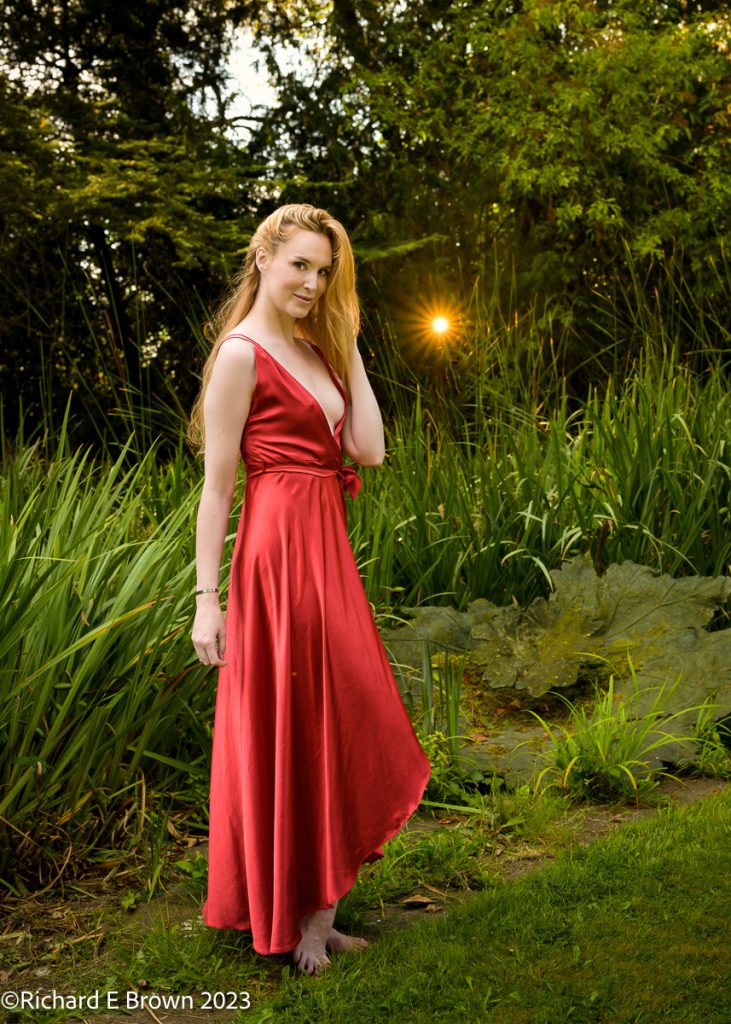
For this I wanted to recreate the idea of late evening soon shining through the trees.
In the background is C-Stand, on it is mounted a flash head with an orange filter. The lens on the camera is stopped down to produce the star like affect.
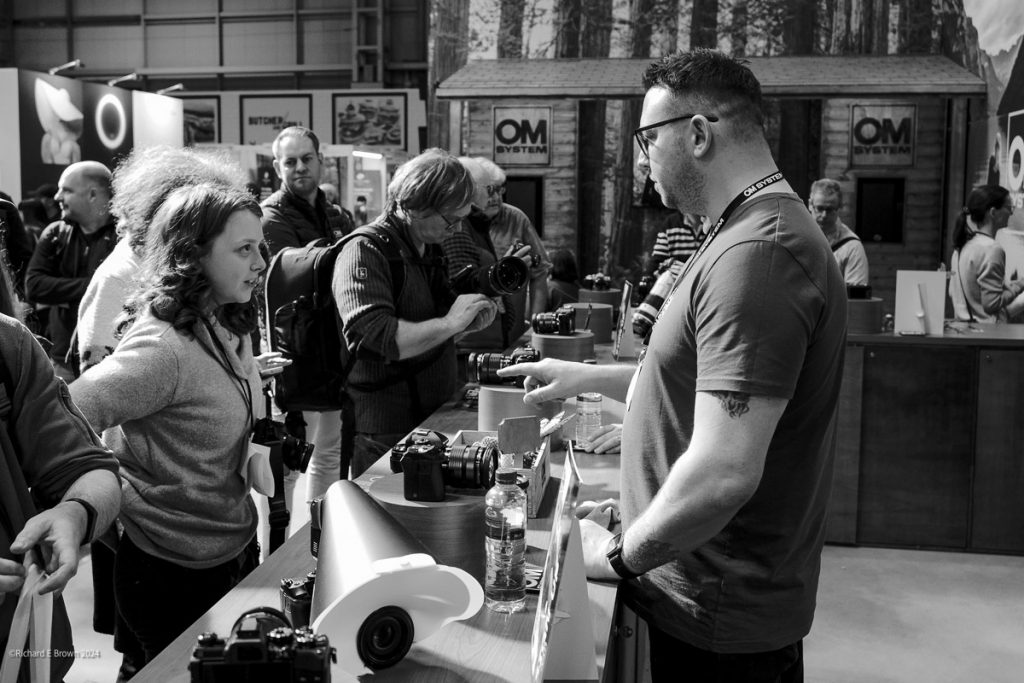
I usually have something in mind when I visit the Photo and video show, in the past its been monitors, bags, paper, printers, batteries.
Last time I got myself a new rucksack from peak designs. I find some of their products hit and miss. The camera straps and ruck sack is brilliant. I was not impressed with the small tripod and picked myself up a 3 Legged Thing PUNKS Brian 2..0 with Airhed Neo 2.0.
My NEC Adobe RGB monitor is getting a bit long in the tooth now, over ten years old and it’s developed a line draw issue, which is irritating but does not stop it from working. So monitors are top of my list. I will also be looking at small leather bags. Not that I need one but like many photographers I seem to collect bags and am always looking for the next one to fill a niche.
Theres are a few cameras I want to look at so a trip to the Fuji stand and the Hasselblad stand. Chris who I will be going with is an Olympus (now OM) user so a trip there will be on the cards.
Its nice to get your hands on cameras and how a camera feels in the hand I feel is the most important, even more important then the specification.
There are a number of key specialist lens missing from Nikon’s Z lens range.
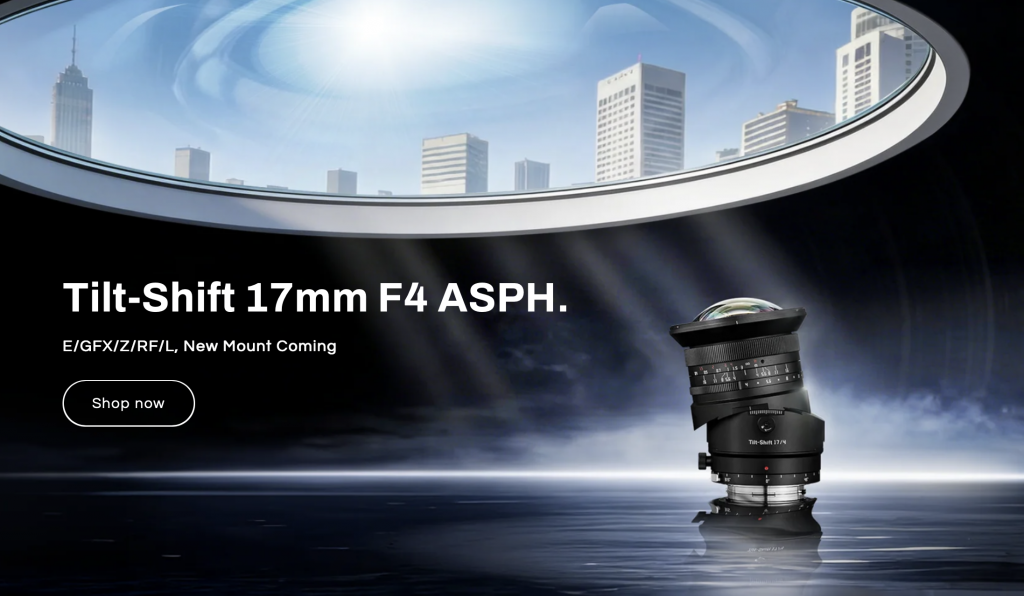
Nikon released two macro lens but we are missing some wide-angle primes and specialist lens such as tilt-shift. Despite what some will tell you this cannot be done as well in software as it can with a specialist lens. So there are areas where independents can fill these gaps.
We now have the announcement of this Tilt-Shift from TTArtisan. A welcome addition to the range.
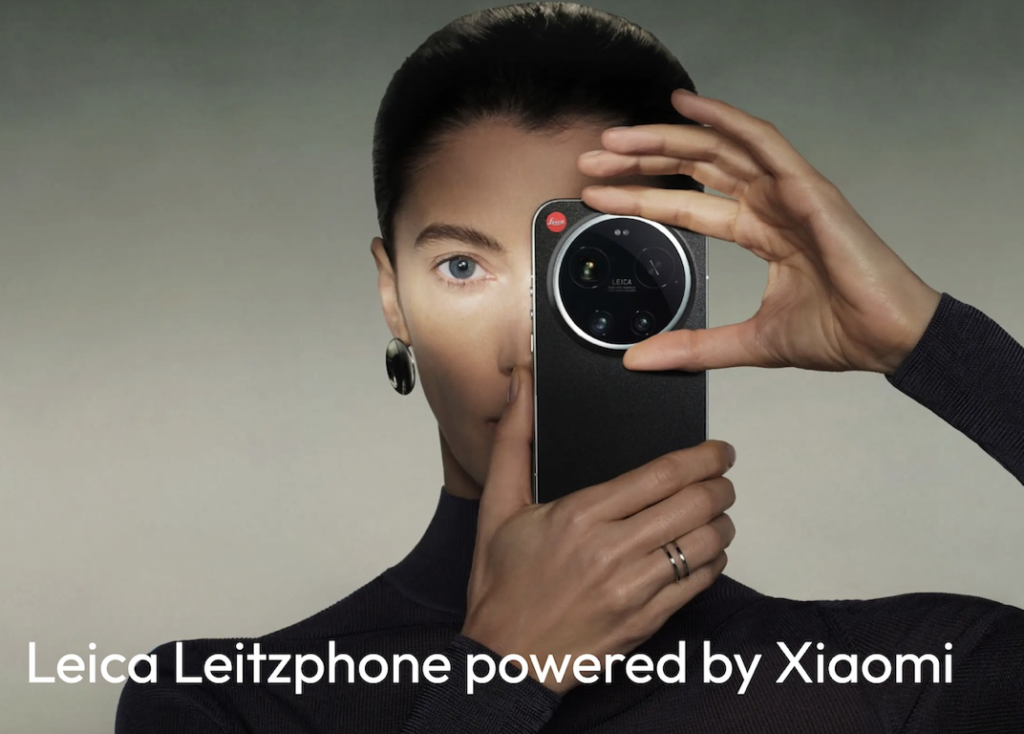
Leica have partnered with phone companies before, but this looks to be their most ambitious collaboration. Lens and interface by Lecia with some manual controls.
I do use my iPhone camera sometimes when nothing else is around, but personally I prefer a good compact or would cary my Leica M10.
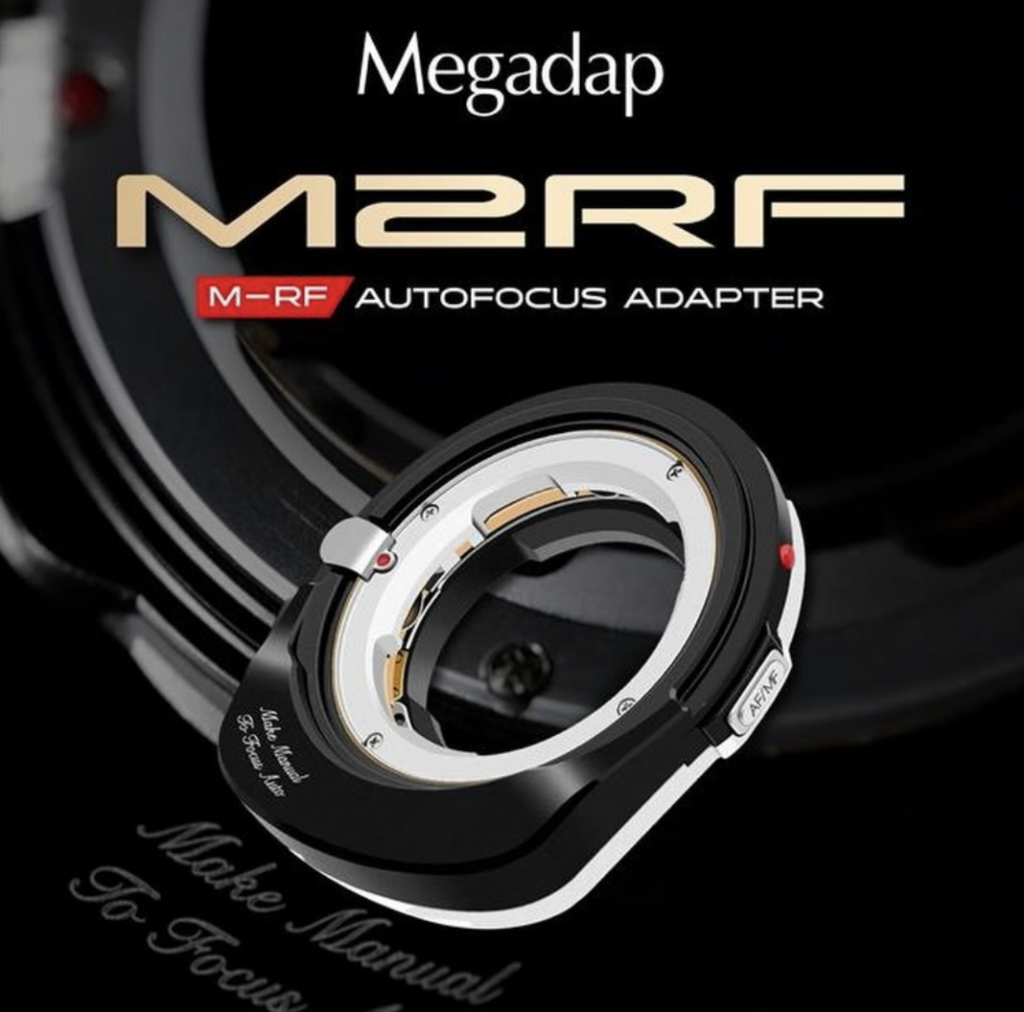
The best thing about mirrorless is the ability to mount so many classic lens. Some people are very apprehensive about using manual focus lenses so a number of companies produce adapters that not only adapt the mount but offer additional functionality such as closer focusing ability or in the case of Megadap, they offer autofocus ability.
The Nikon version of this for the Z mount has been out for a while but now they finally announce the Canon RF version.
Model Ivory Flame, Camera Leica M10 and 50mm Summilux-M
The way some of the classic lens render is not as clinical as some modern lens are some very beautiful images can be produced.
When Nikon came out with their first Z cameras, they release the traditional modern trinity to go with them. The Z 14-24mm, 24-70mm and the 70-200 f/2.8. There were essentially minor reworks of the latest F designs, better but not as good as they could have been given the advantages the new mount gave.
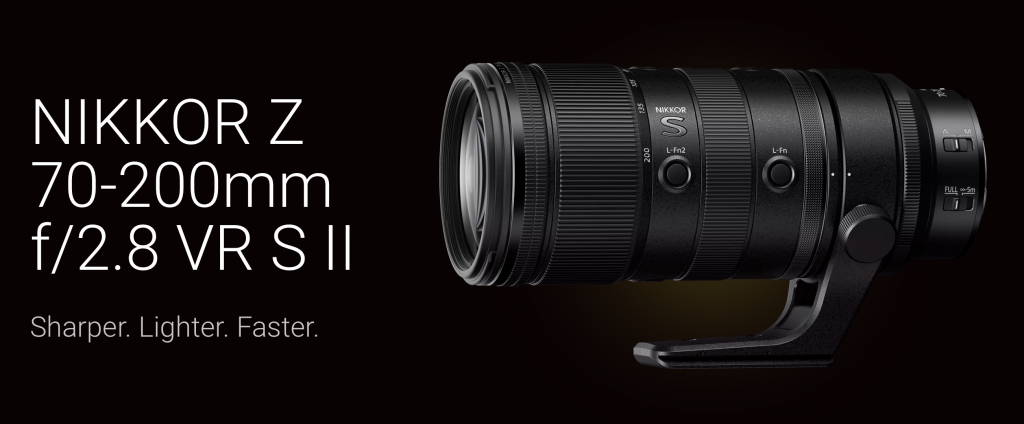
Recently we had the new 24-70mm and now they have announced the new 70-200mm f/2.8.
Smaller, lighter, faster in focus; and finally it comes with an Arc Swiss foot.
The best thing I like about it is the new control ring which can click or be de-clicked. So if your using it for aperture or exposure compensation or maybe ISO, your less likely to knock it to another setting.