If you shoot jpeg then yes get it right in camera, but for us RAW shooters why should we bother?
Its easy to fix it post but come on, who wants to have to colour correct all the images you took on your last shoot, yes with Adobe Lightroom you an fix one and then replicate it across, but its just another job you have to get done.
Get it right in camera.
Once you have everything correct its then easy to work from a common starting point and colour grade to how you want it.
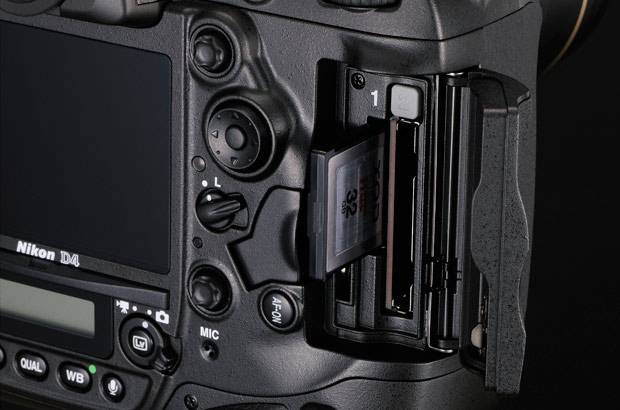
CF Cards were relatively physically robust, SD cards less so. Many pros and amateurs like having two card slots. Writing RAW to one and Jpg to another for backup. A few recent cameras have had a lot of flack for not having two card slots but card technology has improved a lot recently.
While CF and SD cards are prone to failure the new designed XQD and CFexpress have had no recorded failures due to hardware. Now all cards have a recommended number of read writes, and it is when you exceed these you start to get errors. Errors with these new cards are due to exceeding these recommendations.
If your camera uses one of these new types of card I would be less worried about needing two slots for safety. Some photographers who after a shoot hand a card to a third party but also need a copy for themselves then yes there are ways cases for two slots, sometimes event photographers will print out a quick jpg and sell to the client on the day so having jpegs to one card and raw to the other is handy from a work flow perspective, but for many of us one card slot is now enough.
No matter how many card slots you have I would recommend you replace your cards regularly. It is likely now age and exceeding the number writes that will get you rather a the card failing early.
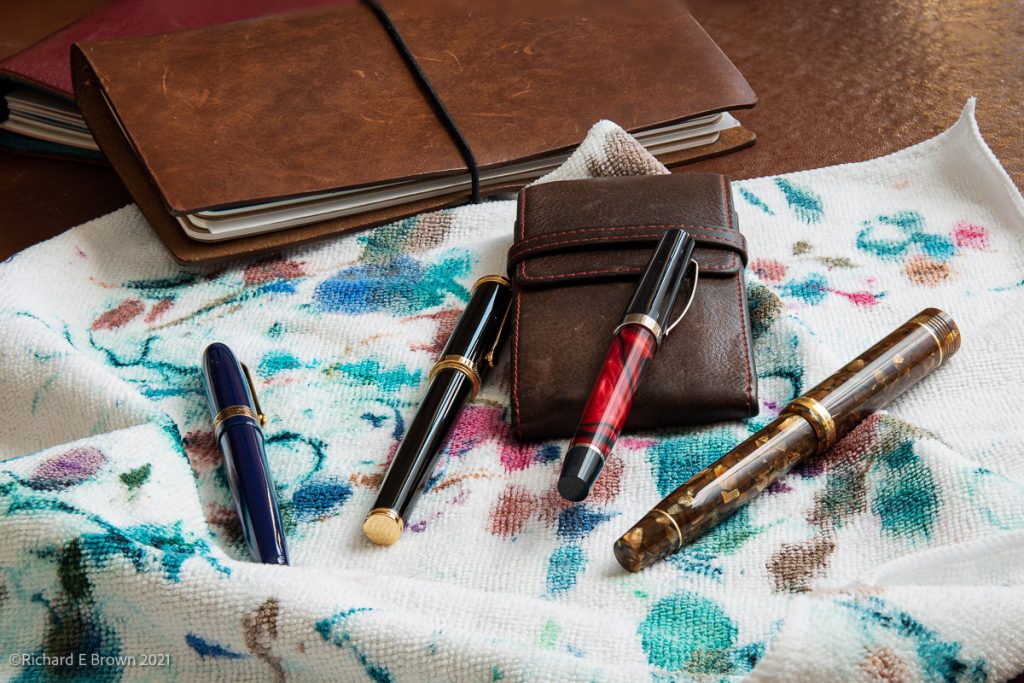
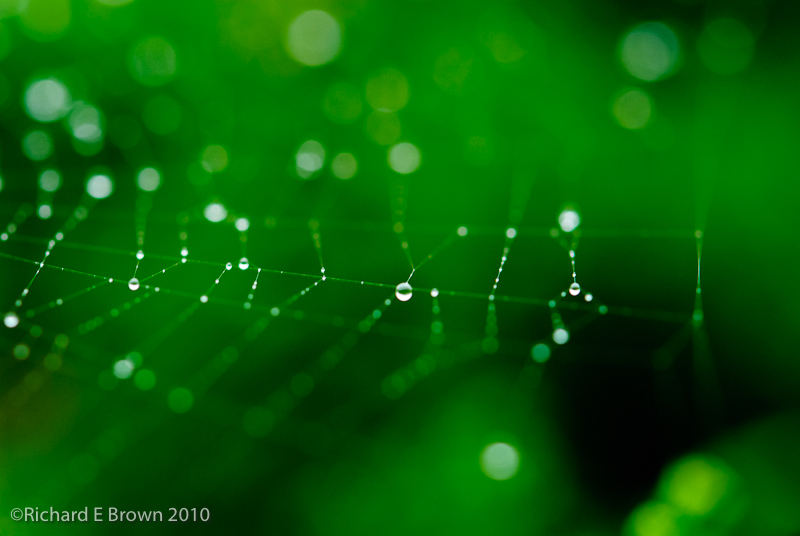
When shooting still life or macro, depth of field is limited. This was shot with daylight, and a little bit of fill flash from a low power studio flash head and a shoot through umbrella.
I wanted to shoot at f/8 which would give me reasonable quality, depth of field and not have the shutter speed drop too much. But even f/8 would not give me enough depth of field. so I decided to have a go at a technique that I had read about and see a landscape photographer user on a Youtube video but never tried my self.
A technique I do use is to merge several images together to create large panoramic. The technique I chose to use this time was to create more depth of field. Its called photostacking and is automated now in Photoshop.
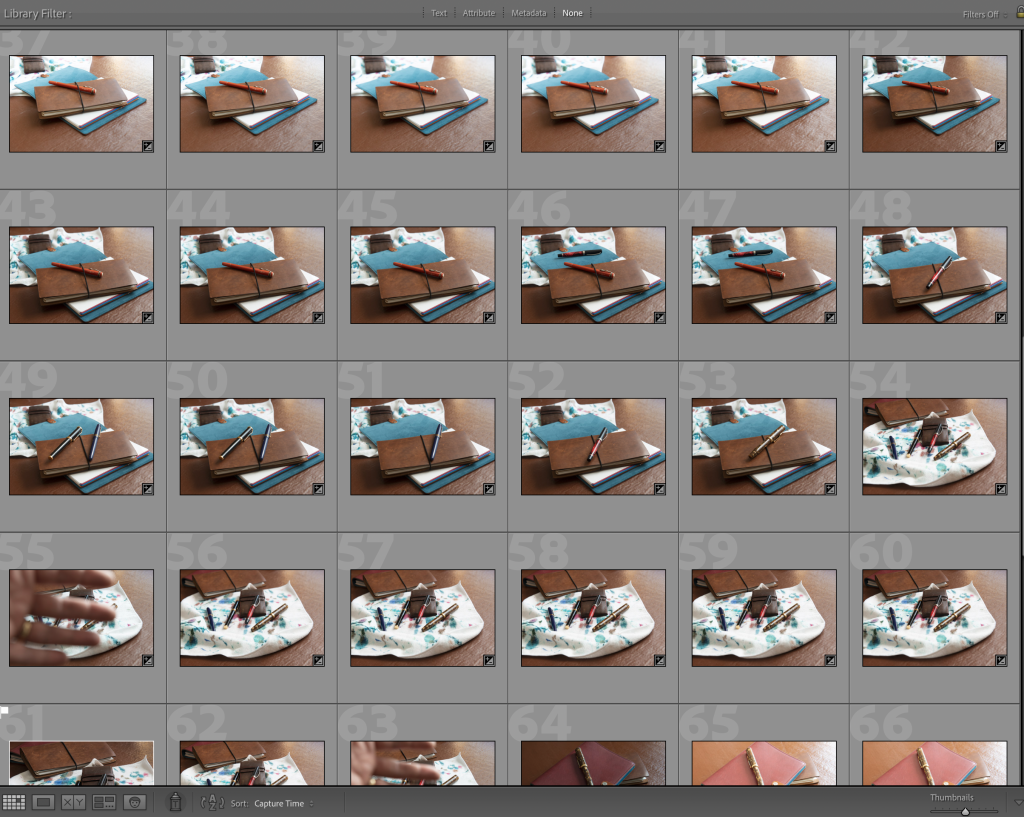
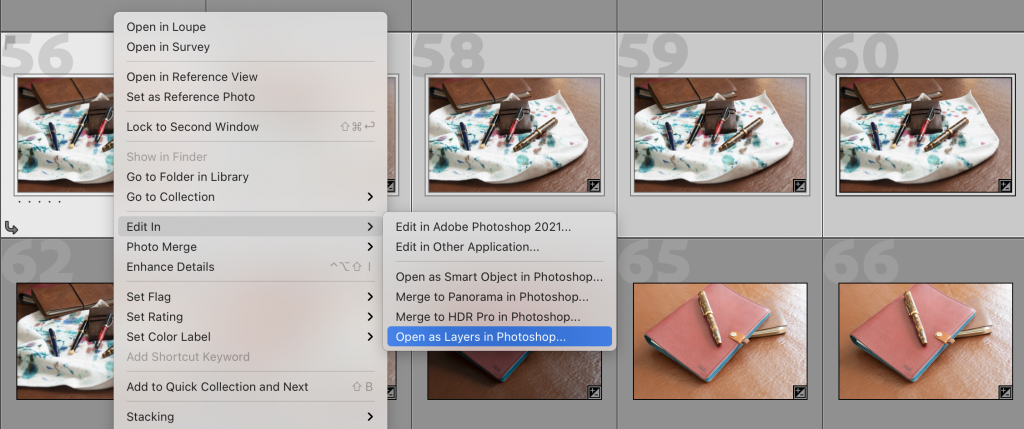
I took several images in succession but focused at different points in the image. After a quick edit for colour, contrast and exposure. I imported these as separate layers into Photoshop.
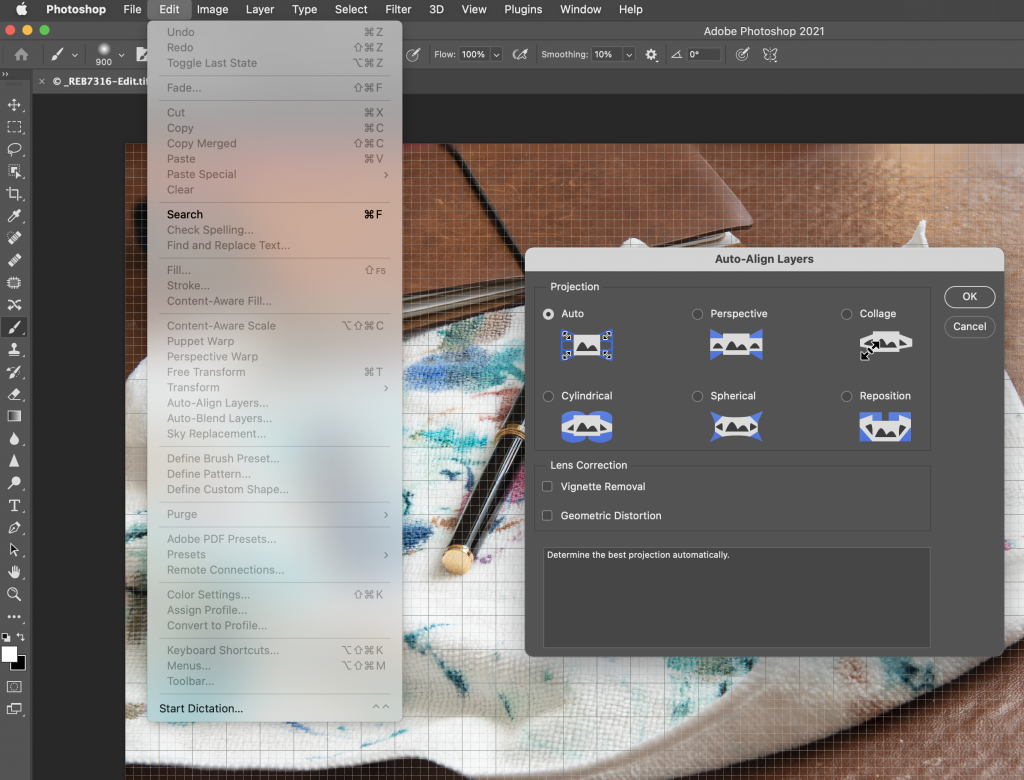
Once in Photoshop, the first step is to make sure they are all aligned correctly. Now I was shooting on a tripod, but sometimes even the best lens do something called ‘focus breathing’ and the field of view changes ever so slightly.
With each layer selected go, Edit , Auto-Align Layers and I chose Auto. This will then line up everything to the best of its ability.
Now you are ready to merge the layers into a single image layer taking the parts that are in focus from each layer. Its quite easy and automated.
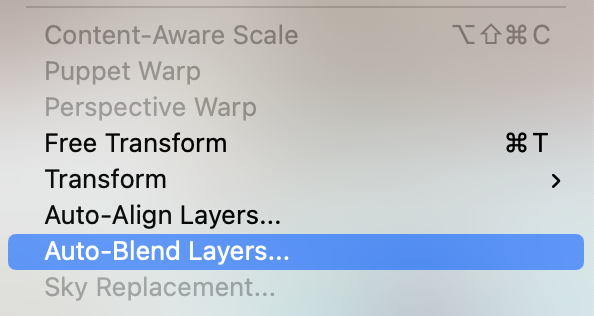
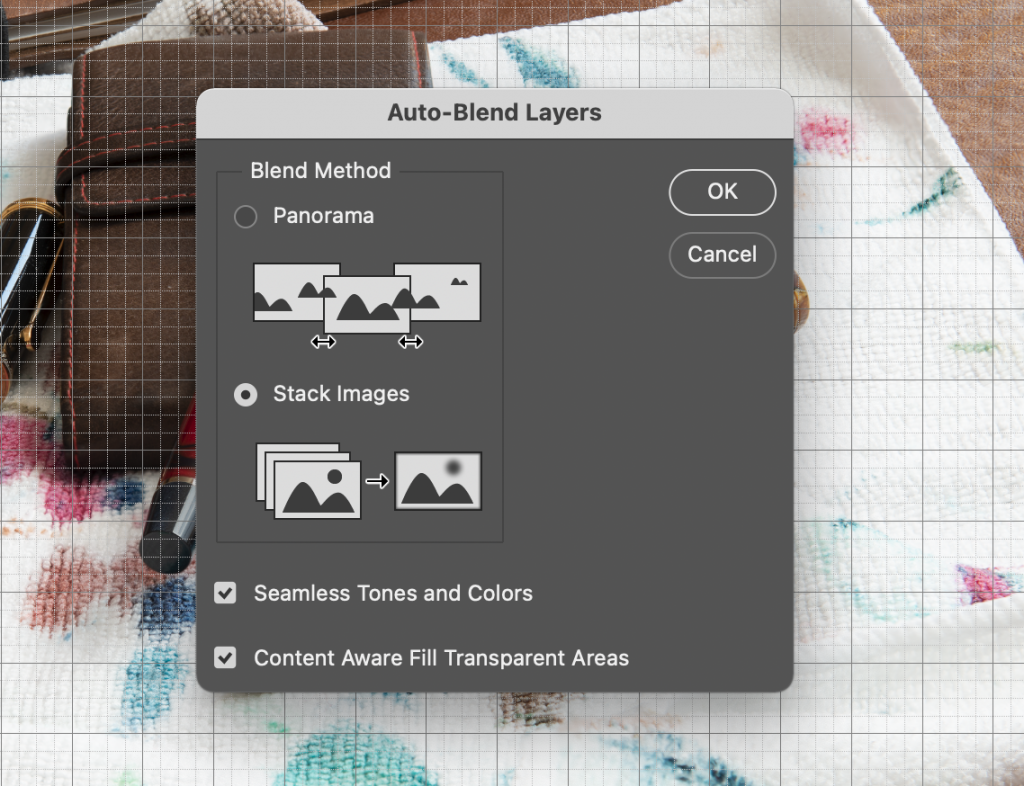
Again with all layers selected, go to Edit and select Auto-Blend Layers.
Select Stack Image and ensure that the Seamless and Content Aware tick boxes are selected.
It will now generate a new layer based on the parts in focus. It will do a reasonable job but will not be perfect, you may have to tweak the layer masks it generates slightly. Save it and go back into Lightroom for a final edit.
While we were in lockdown due to COVID-19 and I could not shoot at all, not even outdoor shoots, I have been shooting a few still-lifes.
Watch Macro with Profoto A10
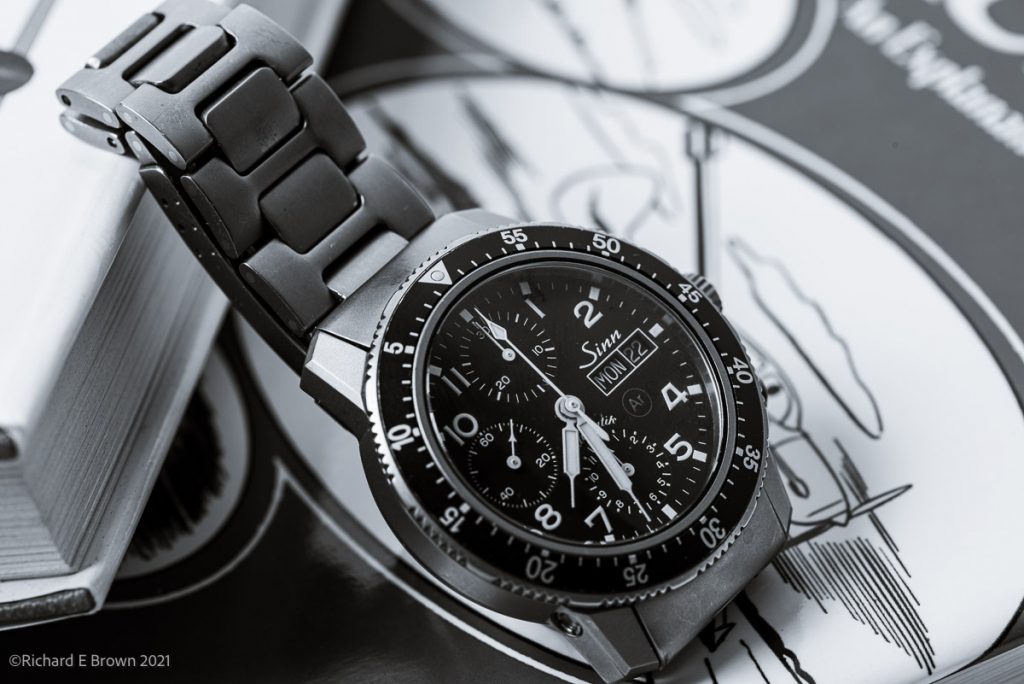
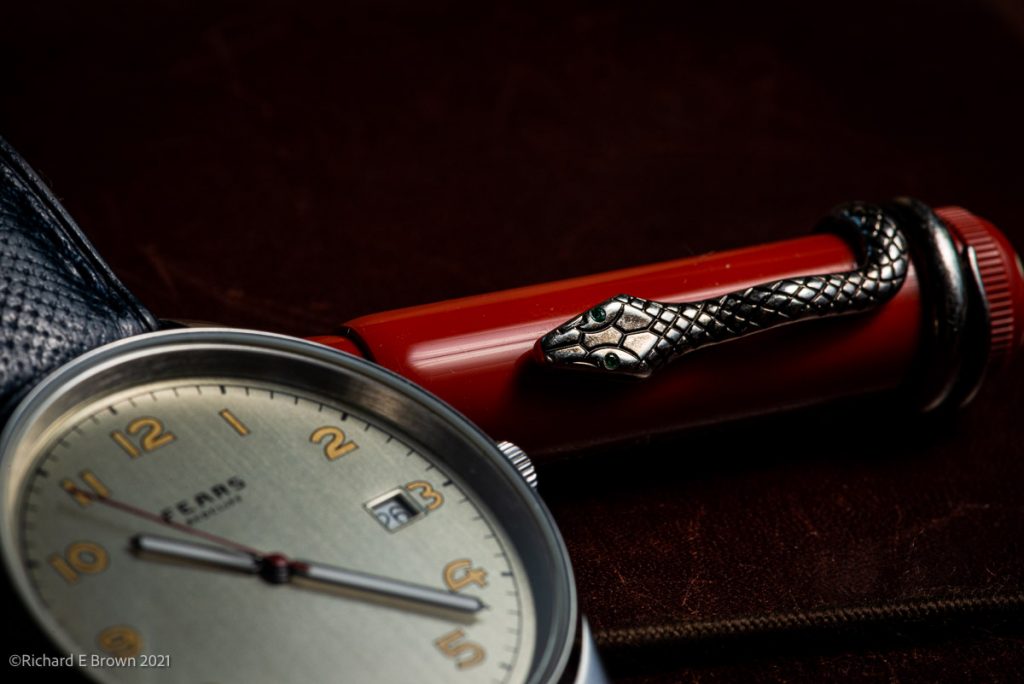
With macro photography getting the focus and having enough depth of field are all big issues. These shots were taken handheld, the top shot with one of my Elinchrom flash heads and a small brolly, the second a little hotshoe flash on a light stand and a shoot through brolly.
They could all be better, I should have used a tripod, and the objects I chose to photograph were not perfectly clean, but I encourage you to have a go.
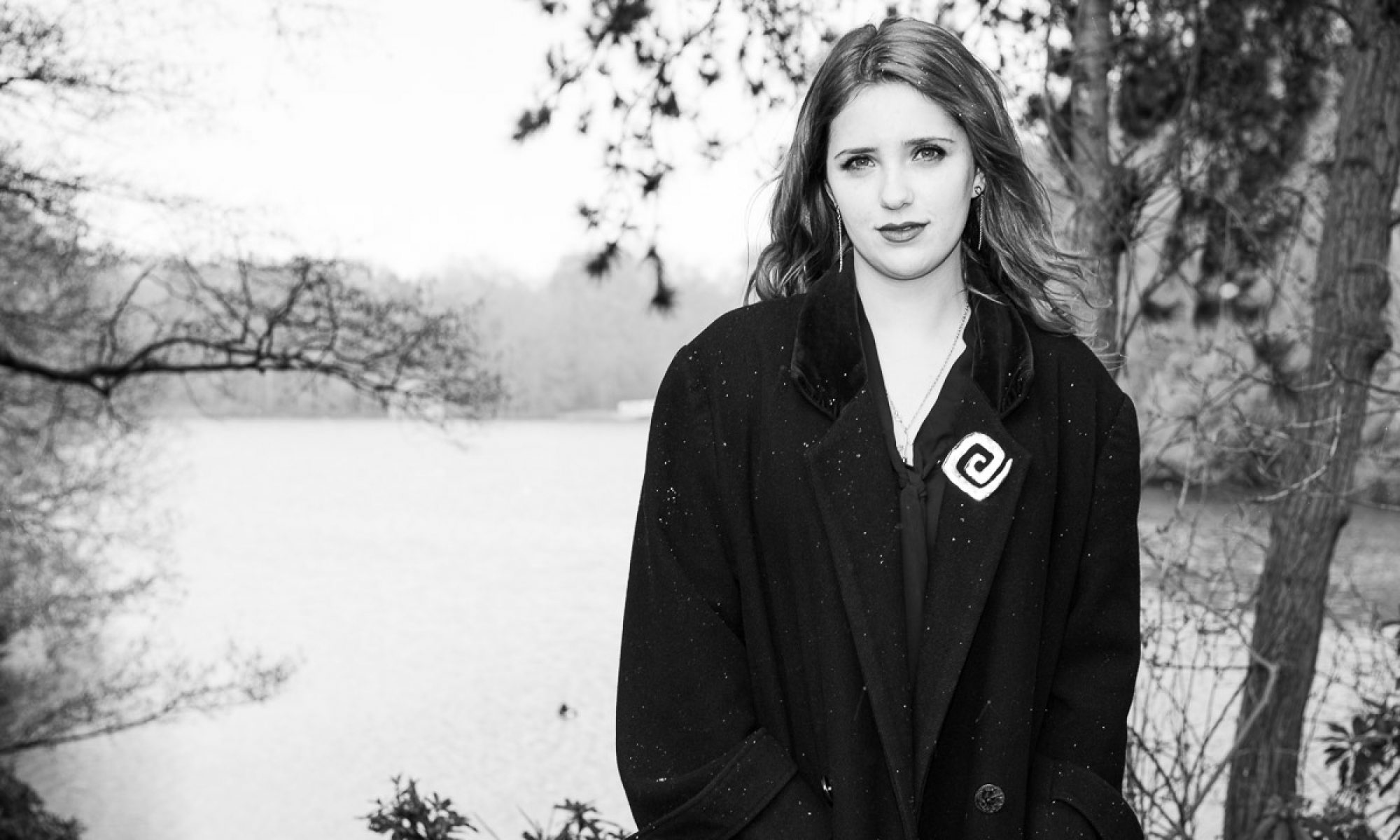
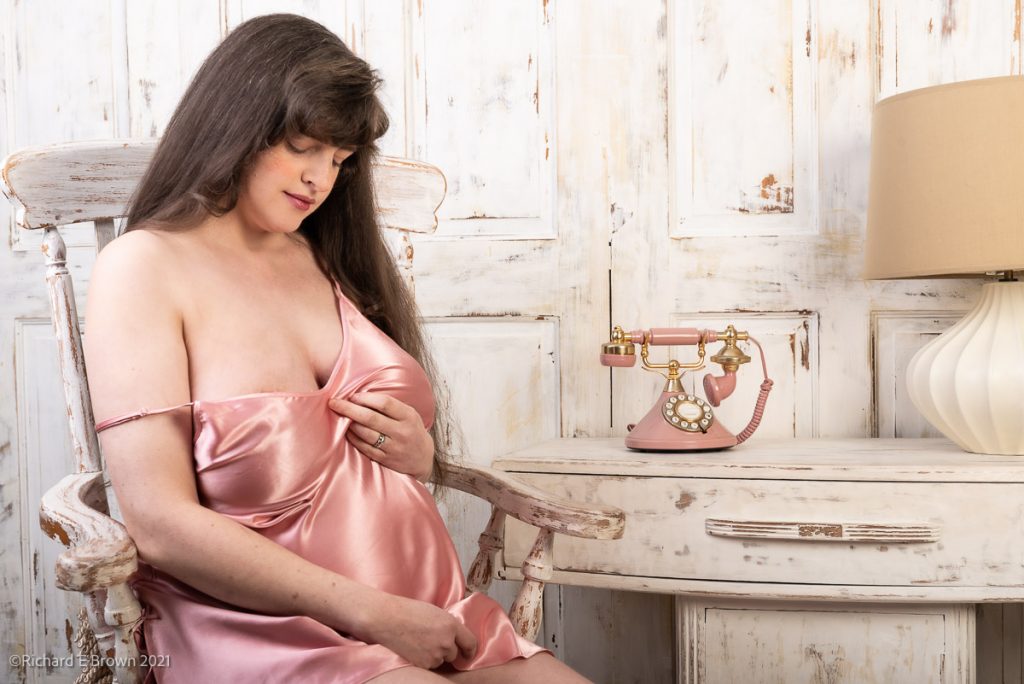
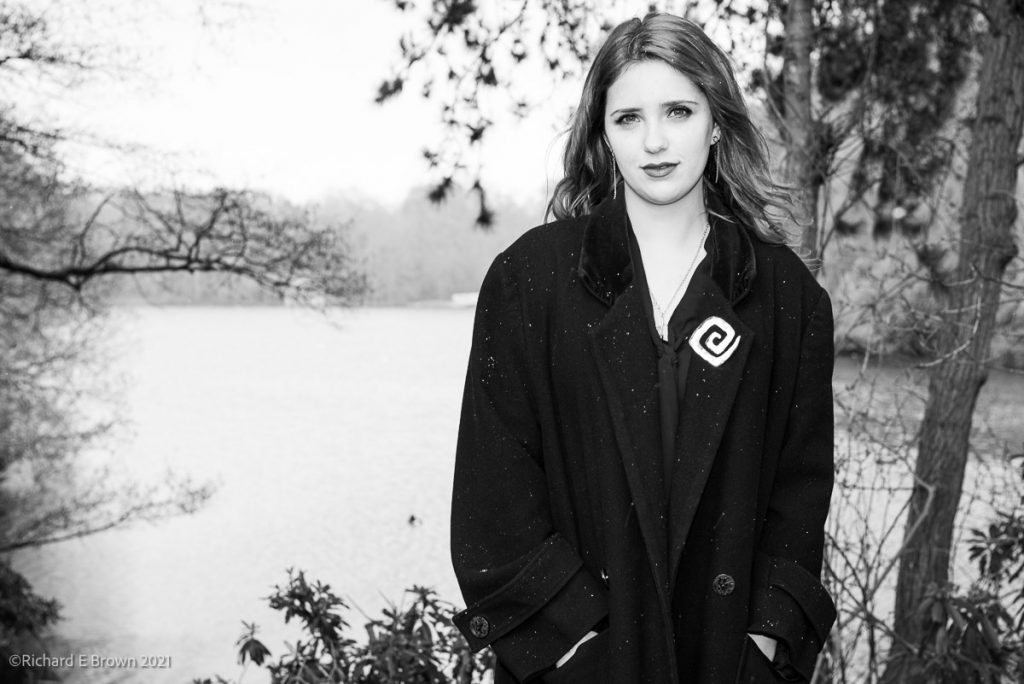
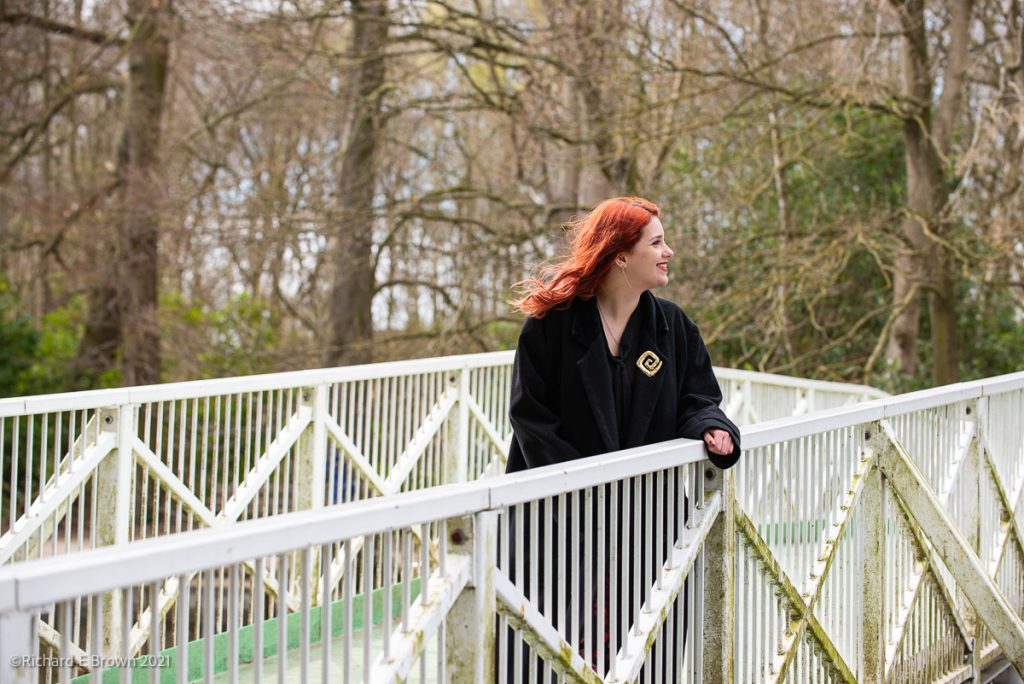
Last week was warm and sunny. I had a free day to shoot this week, so booked a model and took them to Hartsholme Park for a sunny days shooting.
After this was all arranged the weather forecast came in; -1 C wind chill with snow showers. Bang goes the idea of a model in a summer dress by the lake. Instead I need to borrow my wife’s long warm wool coat.
For outdoor shoots it always pays to have alternative ideas.
The day was also a learning experience. I was using a small light weight light stand, with a small high powered hotshot flash, and a radio trigger. The light modifier was a 90 cm shoot through umbrella. With the wind and weather this proved tricky, I should have brought a heavy lightstand, sandbags and switched out the umbrella for a small soft box.
Modular cameras have always been a big part of professional gear. Large and Medium format cameras were always highly modular as was the film based Canon F and Nikon F ranges.
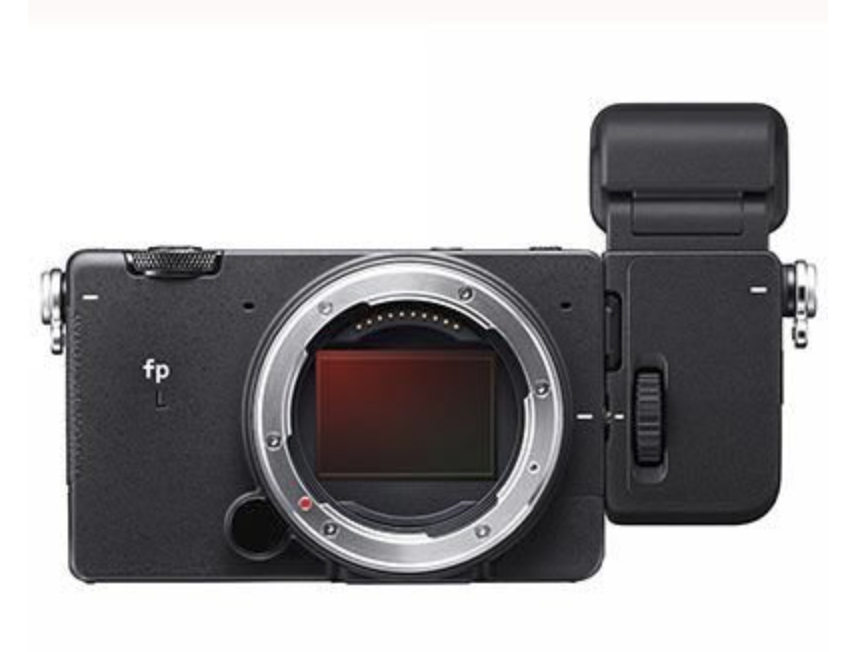
Recently Sigma produced their very exciting fp modular camera. With the L mount from the L alliance you have access to the best Leica glass and more affordable glass from other manufactures. It is an interesting concept that deserves to succeed. This new model at 60 MP is quite a beast, and I can see if attracting landscape photographers and maybe a few product and studio cameras.
There is so much press over the last year that Nikon is doomed. Finally their recent results has resulted in their share price increasing and it was nice to see Nikon sweeping the board in the German Foto Community & Colour Foto awards.
Nikon D200 10 MP DSLR
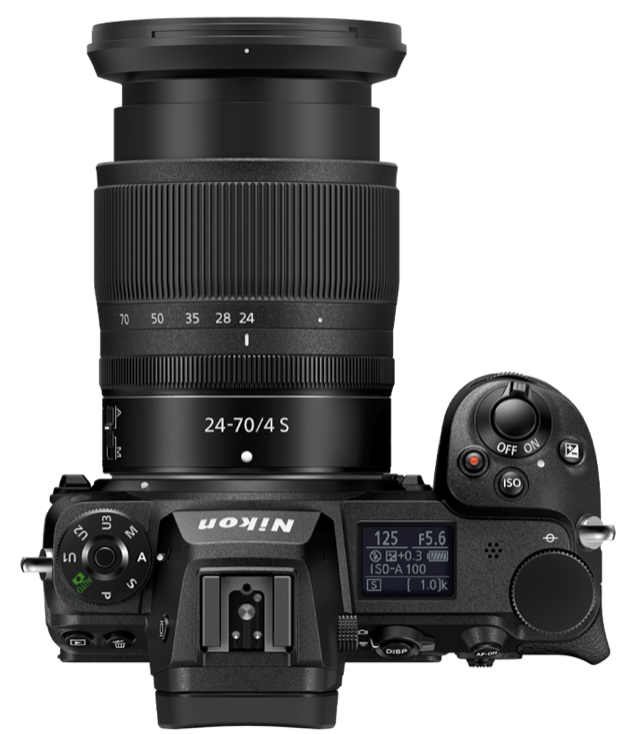
Its difficult for large companies like Canon and Nikon who are market leaders in digital SLR’s switch to mirrorless, and many would say they are too late to catch Sony, but for existing Canon and Nikon users there is much to temp them with the current mirrorless bodies available from these two big brands.
For myself with a big investment in Nikkor glass, knowing it works well on the mirrorless Z system is something I’ll consider if I jump from the DSLR world.
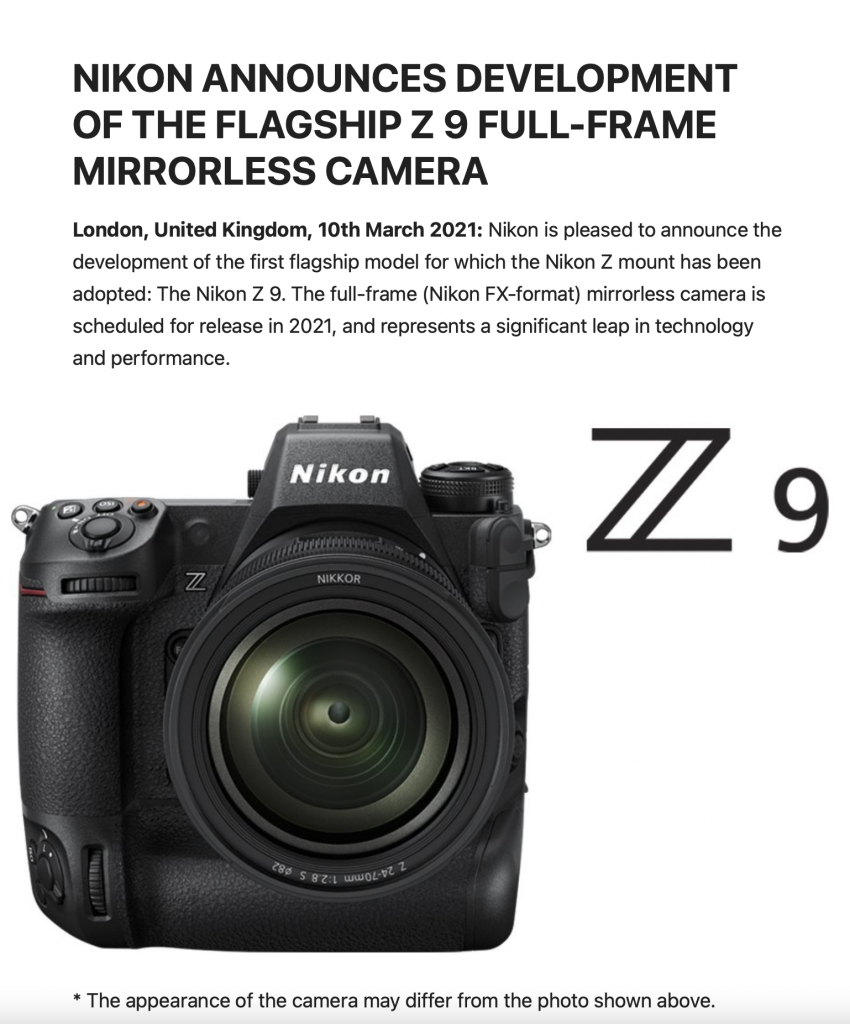
Its been rumoured for a while and Nikon this week confirmed that it is coming this year.
I expect it tested fully at the Olympics. A lot of people seem to be expecting a D850 type replacement around the £3000 – £4000 mark. While I fully expect a D850 type mirrorless camera to appear this is not it.
I expect this to be similar to the D6 and a similar price, £6000 – £7000; this is going to shock a lot of people but I expect the tech in this will trickle down to cheaper models. I also do not expect it to be a megapixel monster, I suspect 40MP at the most if its going to have the kind of performance News, Sports and Wildlife Photographers need.