Raining Lunchtimes

Stonebow Pamphlets - Leica M8 Summicron 35mm
Stonebow Pamphlets – Leica M8 Summicron 35mm

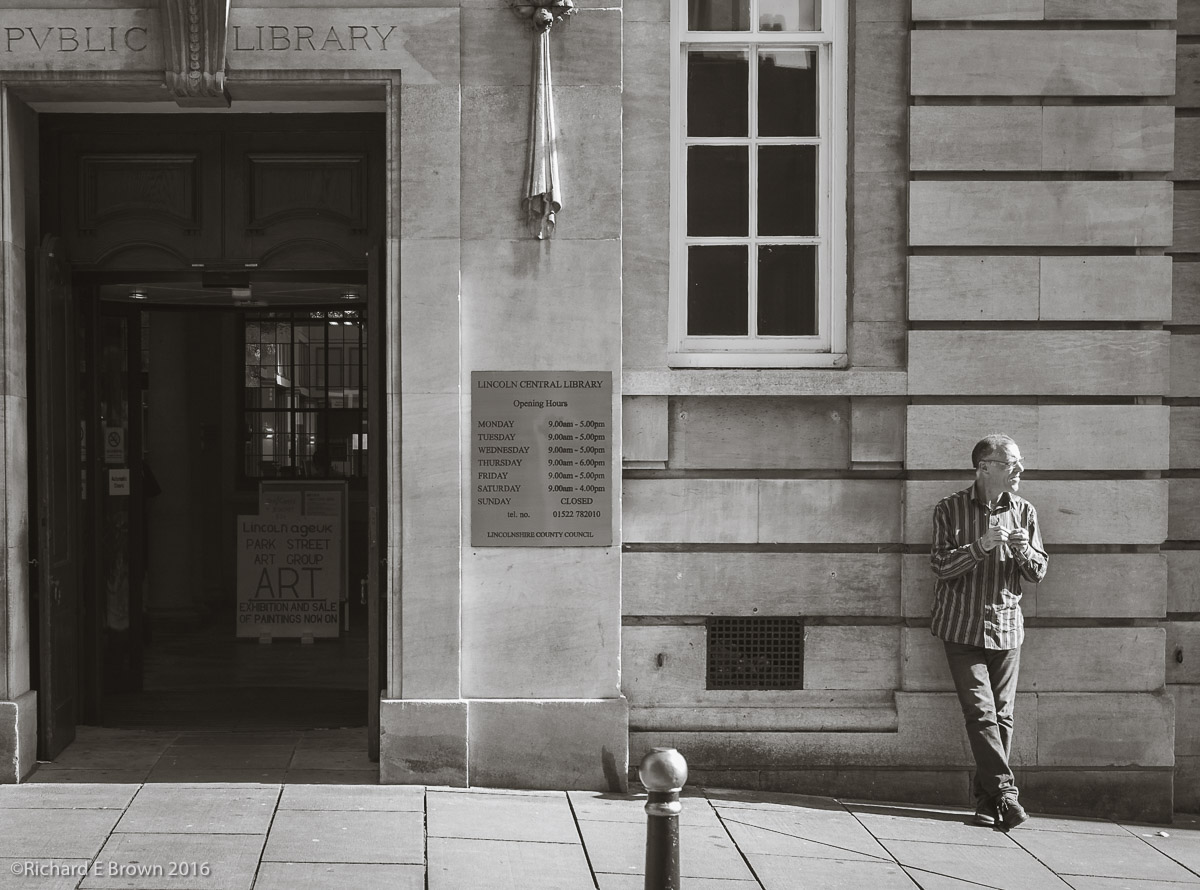
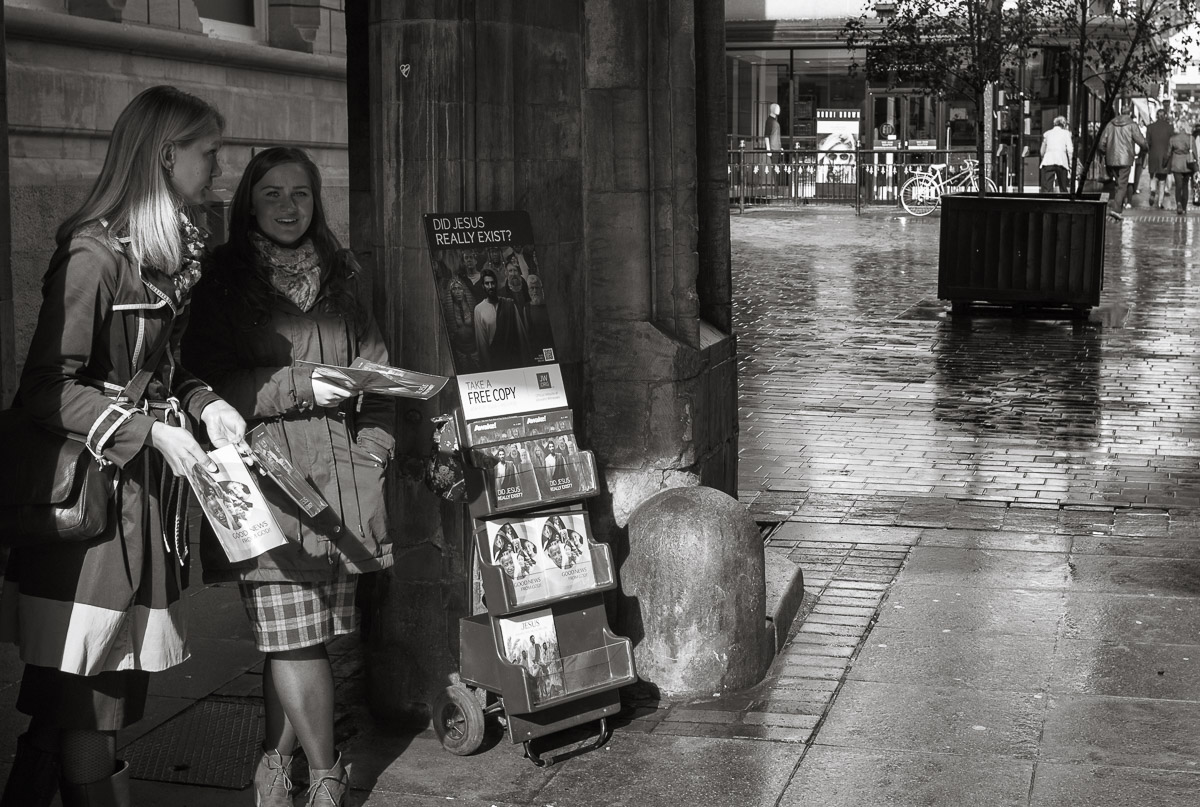
Even when its raining, when I head into town to my favourite coffee shop I still have my trusty Leica M4 or M8 over my shoulder.  Generally its my M8 as I find the conveniences of being able to grab by iPad and upload my shots into Lightroom Mobile very convenient compared to using film.

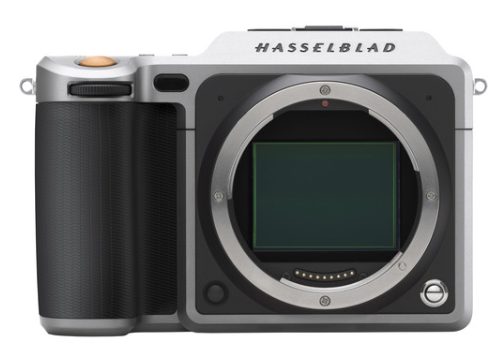
Hasselblad X1D-50c

As more information keeps coming through, it seems that the Hasselblad may in fact have some degree of weather sealing, making the choice between it and the Fuji’s new entrant a much harder choice.

With me being a Leica and a Hasselblad user, if I was going to invest into a new all digital medium format system then it would likely be one of those two.  I have several Hasselblad V series lens and I expect an adapter to come along shortly for them once the new X1D hits the streets.

The big advantage of the Fuji is SLR type handling and that lovely adjustable screen.

I have to admit I am terribly tempted and feel GAS (Gear Acquisition Syndrome) coming on.

Happy 10th birthday digital Leica M

The first digital M the M8 was released onto the world on the 14th September.  This month Leica are celebrating ten years of digital M’s.

Leica M4, Summicron 35mm Ilford Delta 400
Up to then ranger finder users either had to use film and scan or use the Epson R-D1 which had a cropped DX format sensor.  Leica up to that point had declared a rangefinder impossible.

Fashion at the Drill Hall
Leica M8
Using a cropped sensor helped mitigate the issue of range finder lens having their rear element so close to the sensor.  To also help the M8 Leica’s first digital rangefinder they made the cover glass and infrared filter a lot thiner then was usual.  With a cropped 1.3x sensor it was a great little camera, if a little slow and with a rear view screen only useful for menus.  I still use mine regularly and get stunning results.  It also has an advantage and disadvantage.  It is prone to infrared contamination thus you need to use IR cut filters on your lens.  This while an issue for colour photography makes it a great camera for black and white use.

The M8.2 introduced a better shutter and my M8 was upgraded to this shutter by the previous owner.

The first real digital M people generally consider is the M9.  With sophisticated micro-lens over the sensor it could be made full frame.

The next M the M Type 240 introduced better electronics and the option to use live view and an EVF.  All M’s since then have been variations of this, with either a bigger buffer or with a better shutter and live view removed.

I am still using my M8 and will continue to do so until the next M is announced.  I am hoping that the learning Leica has done making the Leica Q and the SL will mean it will have class leading electronics as the only thing letting down the M8 and to a point the M9 and M Type 240 range is the electronics.

When its announced i’ll make a decision on whether to buy that or pick up a cheap M Type 240 derivative.

Happy birthday digital M.

Photoshop Touch

Format Wars

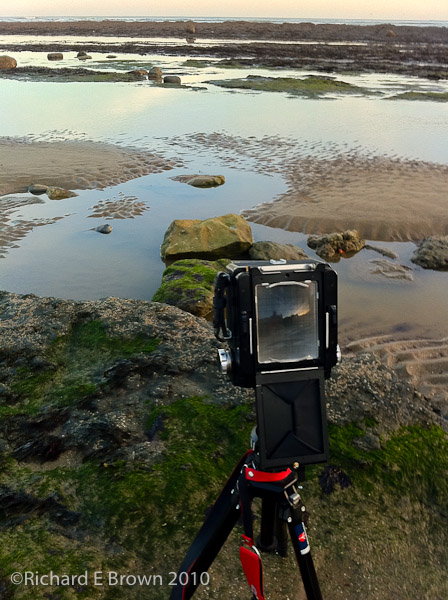
Large Format Camera

Micro formats like our phones and compacts use have advantages, small so can always be carried, lots of depth of field.  Microfourthirds, significant quality improvement, good enough for many applications.  DX crop (1.5x) a step up again in quality, better noise and dynamic range.  Small format i.e. 35mm full frame, loosing depth of field which can be used creatively, again better noise and dynamic range.  The next step up is the cropped medium format, then full frame medium format, cropped large format then full frame large format.

As you see with each increase in format you get better noise, but less depth of field, which can be a positive and a negative, better dynamic range but also the way the image is draw from the lens characteristics differs from format to format.

You cannot state one format is better then another, just different.

Its been interesting seeing the anger on the forums that the new mirrorless Hasselblad and Fuji’s have generated.  Users of 35mm full frame, and mainly Sony A7 users have long said that full frame 35mm gives significant advantages over microfourthirds and DX.  They have a case for microfourthirds if your willing to put up with the size and weight good quality full frame (35mm) glass is and the issues that brings, less so with DX.  But now their claiming there is no advantage to cropped medium format over full frame 35mm, basically using the same arguments the smaller formats have been using against them.  They cannot have it both ways.

Each format has its advantages and for many people having a foot in two systems can be useful.  Microfourthirds and full frame make good partners, and DX and cropped medium format also make a good pair.  You can see why Fuji have gone for DX with their X system cameras and now medium format with their new medium format camera, lets hope they make a success of it.
Sony comes back to SLR’s

Sony carry on there strategy of producing just about everything and keep throwing things out there to see what works.

The Sony fan boys are all over this new Alpha A99 Mark II the first SLR from Sony in a while.  Some Alpha users had already given up on the brand and whose that wanted SLR’s have jumped ship to Canon and Nikon, but for those that stayed its nice to finally see a new product but you have to think that this may be the last SLR from Sony.

Medium Format Mirrorless

Film Scans in LR4
Film Scans in LR4 from Hasselblad 503CW 80mm f/2.8 Lens


The big story for me this Photokina has been mirrorless medium format.

As I posted yesterday the Fuji and Hasselblad has certainly set the medium format world alight.  I have been reading up what I can and the Hasselblad is certainly a portable king of the studio with shutter speeds of 60 minutes to 1/2000 of a second and all with full flash sync.

Hasselblad X1D-50c

What the Fuji has is weather sealing making it a great camera for landscape photographers.  Its really tough trying to pick between them and its likely down to which of those two features do you value the most, the flash capability or weather sealing.

Mirrorless is definitely the way forward as electronic viewfinders get better and better.  With medium format a optical viewfinder is less important and a larger screen to compose on especially an adjustable tillable screen like in the Fuji.  The Hasselblad does have an app for the iPad so you could use the iPad as a giant live view viewfinder.

For me as a studio photographer who also does landscape, its a very tough choice.  The Fuji is winning on weather sealing, and the adjustable rear screen, but that flash sync speed on the Hasselblad is temping, also being an existing Hasselblad user with some V lens, its likely an adapter is going to be available.  Now you can make a good argument for saying the Leica S is the best compromise, weather sealing and lens with leaf shutters available, but as its not mirrorless how long is it going to last in the market?

Photokina 2016 Day 1

Photokina is now underway, Panasonic made a lot announcements, mainly compacts including a 1 inch sensor compact that I am sure is going to get rebadged by Leica.

The rumoured Fuji medium format made an appearance which will be interesting.  For users wanting a small good handling medium format camera you just really had the Leica S to choose from but now we have the new Hasselblad X1D-50c and the new Fuji GFX 50S.  Its a tough to say which is best, I think the Hasselblad may just come top, and at 51 MP the Fuji is certainly a megapixel king, but the Leica S system may still hold on to second place with the selection of lens available.

Certainly with these offerings the Leica S needs upgrading soon as at £13,165 and only 37.5 MP the competition is coming.