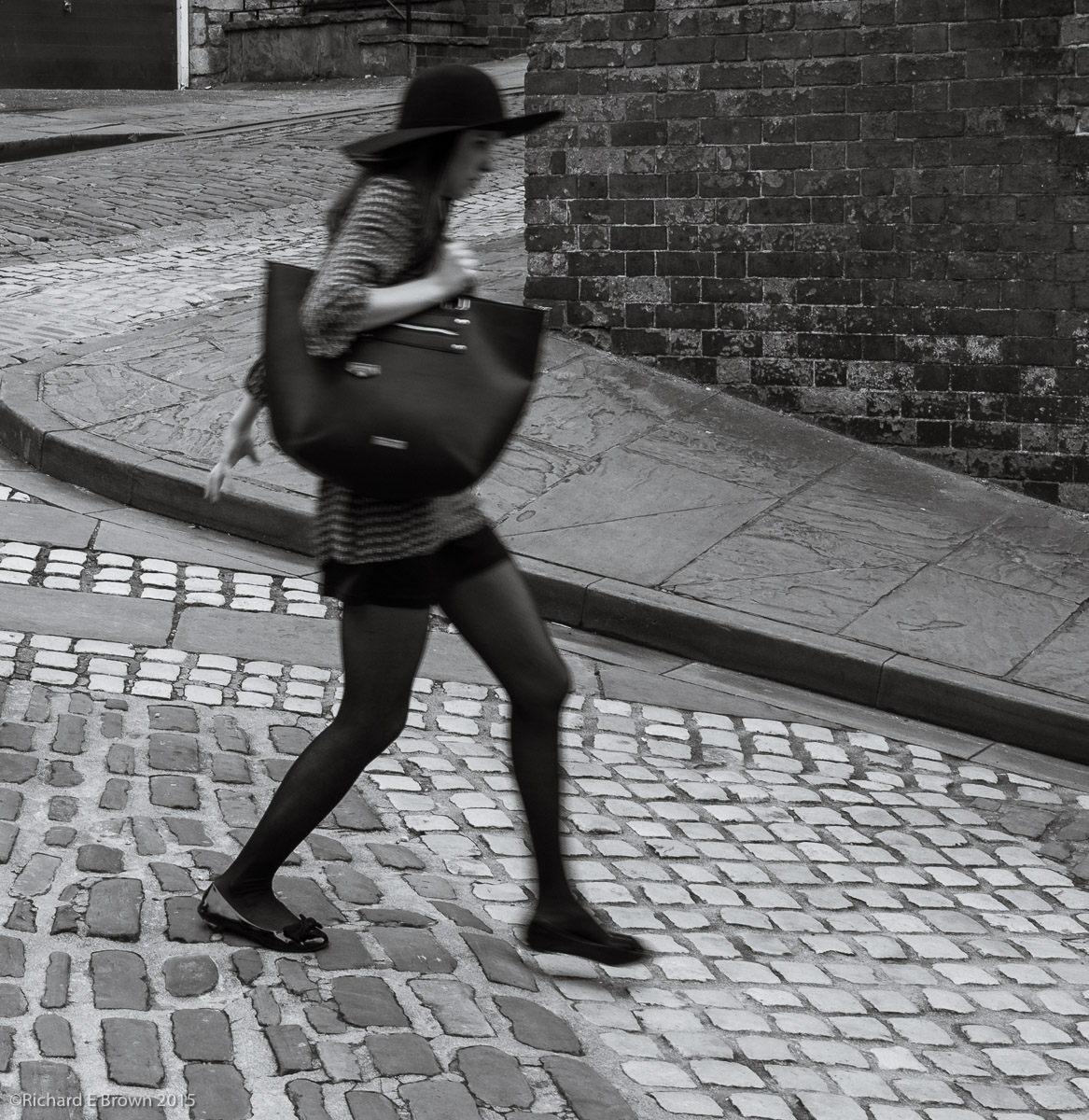
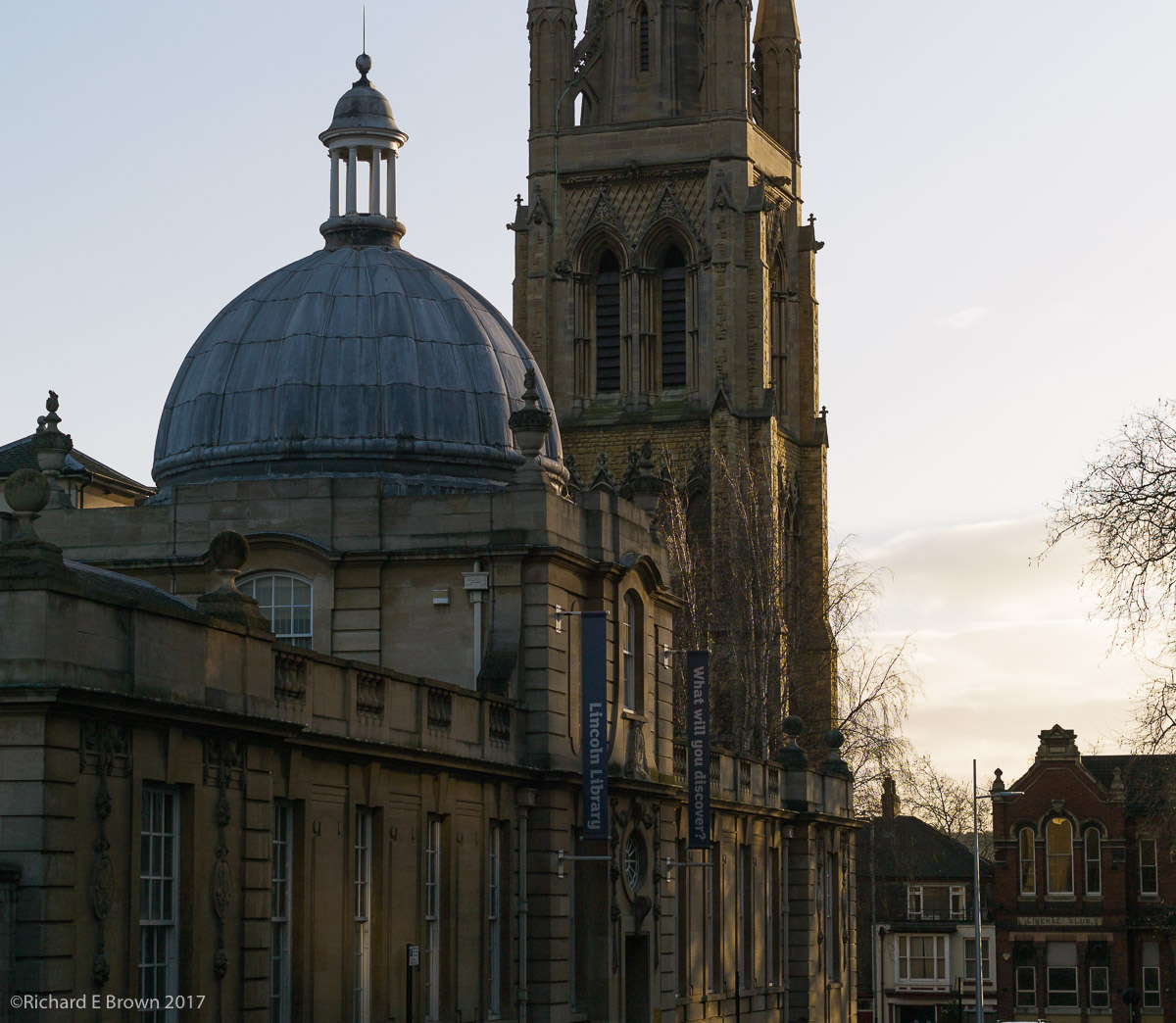
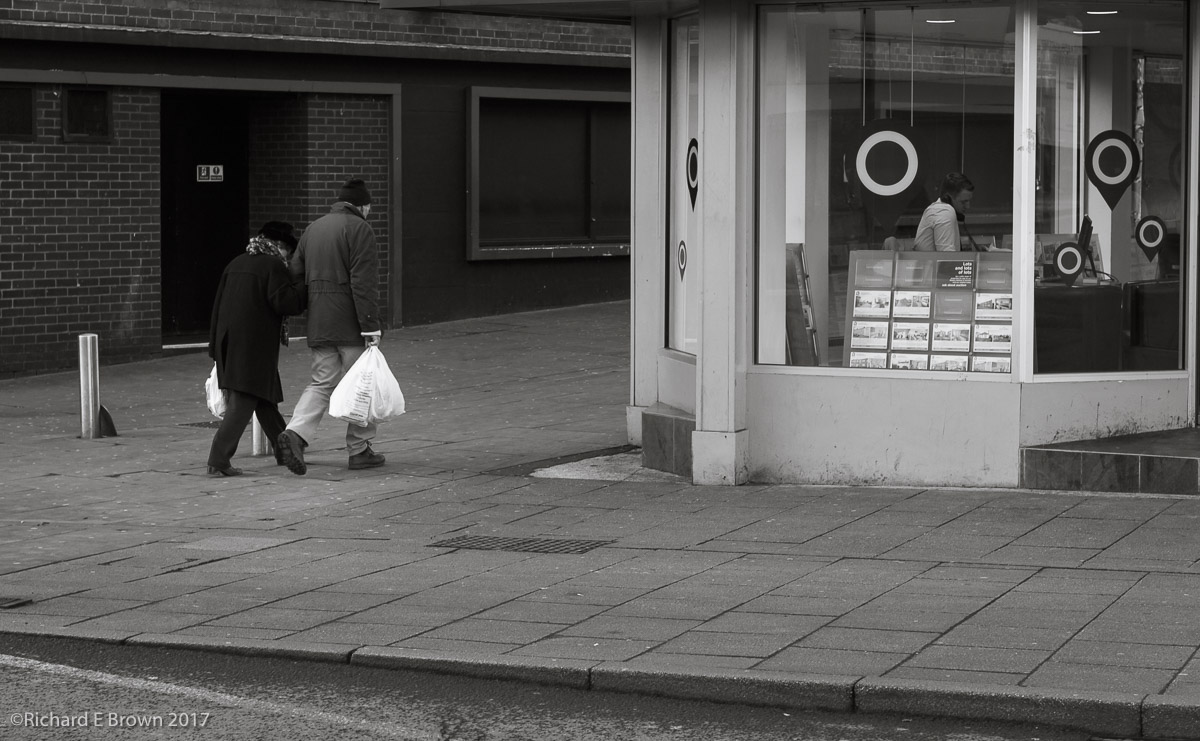
While I personally feel that a Leica M is the best choice for street photography there are alternatives including cameras with features superior to the M for this type of photography.
Back in June 2015 I went on an Olympus event shooting around the streets of Lincoln. I wanted to test the Olympus OM-D E-M10. It’s the smallest of the OM-D cameras with a reasonable EVF but also a rear screen that tilts allowing waist level shooting.
This brings in a new dimension to street photography; and while many Leica M users shoot from the hip and zone focus, hoping for the best, being able to glance down and use live view with a small mirrorless camera that has a tilting screen improves your hit rate.
A lot of photographers just do not get the Leica M. I would say its certainly not a camera for the majority, but if you like small compact full frame cameras, want an optical viewfinder and the ability to see wider then the lens, then the Leica M has no competition.
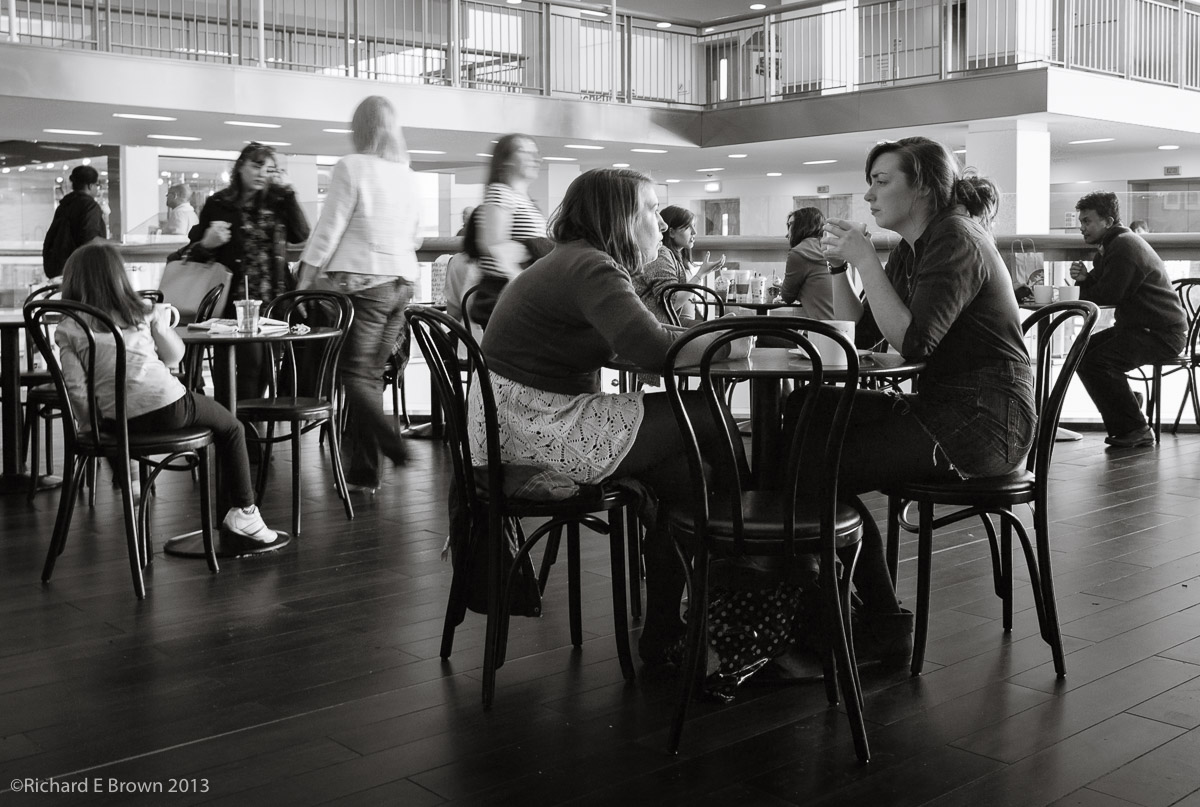
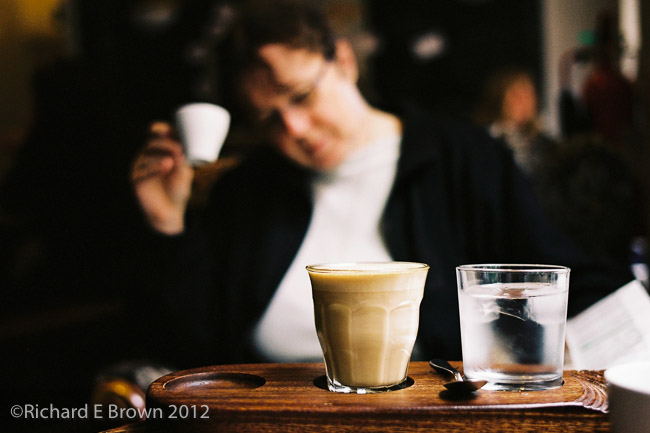
Leica M8 sample – Coffee shop talkSome would say buy a Fuji X100, or XPro, you get the optical view finder and the DX cropped format is not that different to 35mm full frame, but if you look through the viewfinder of a Leica M and compare it a Fuji with an optical viewfinder, its simply night and day and there is no comparison.
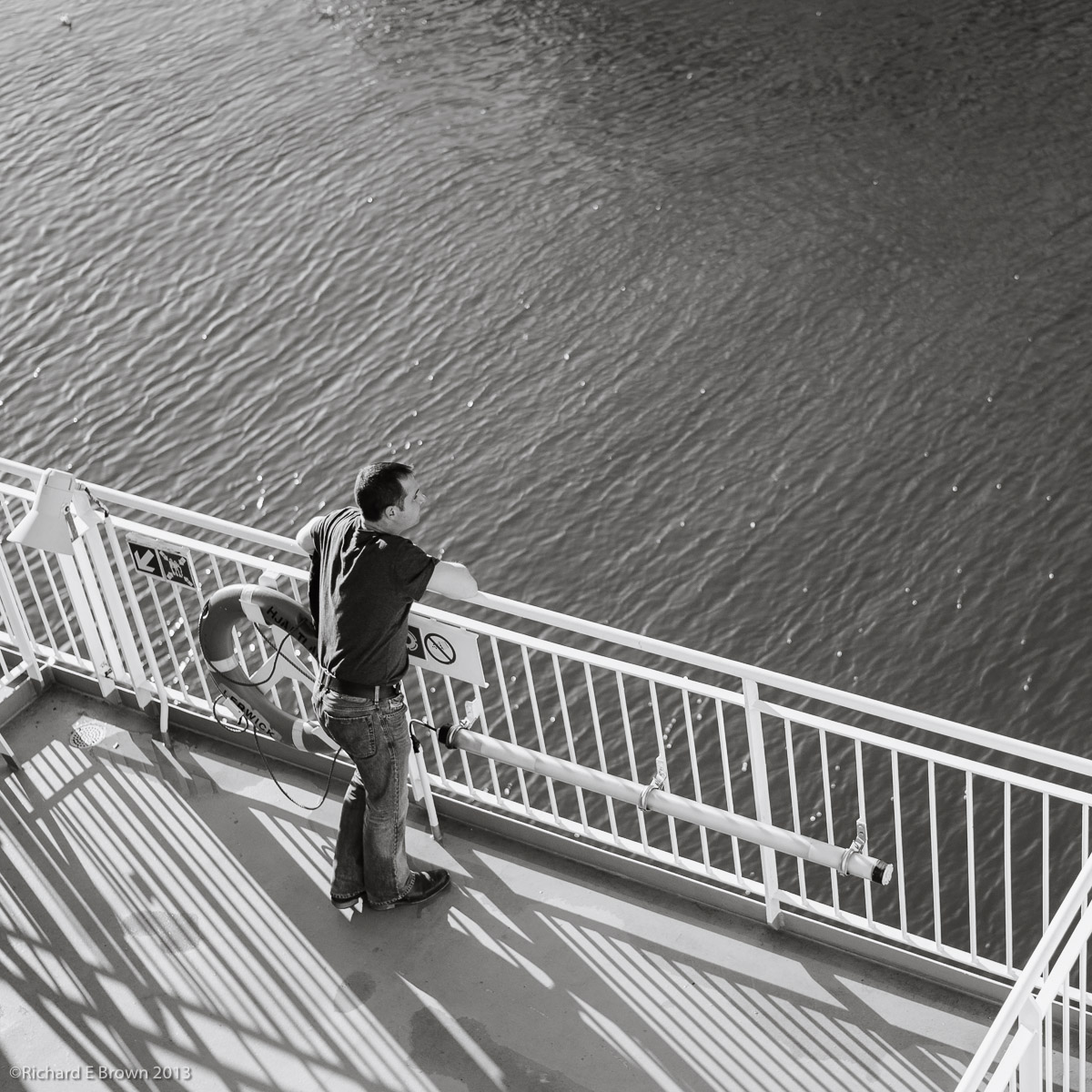
Leica M8 sample – Sea voyageThus for photographers that want full frame, small high quality glass and a unsurpassed optical viewfinder; then Leica is our only option. For those that say Sony then yes I admit image quality may be even slightly higher, but to get those results the glass is huge and heavy in comparison to Leica M glass. Yes you can shoot M glass on the Sony’s but you lose resolution in the corners. Even the Leica SL cannot match the Leica M when using M glass which presents unique problems for digital camera but gives major advantages of size and weight.
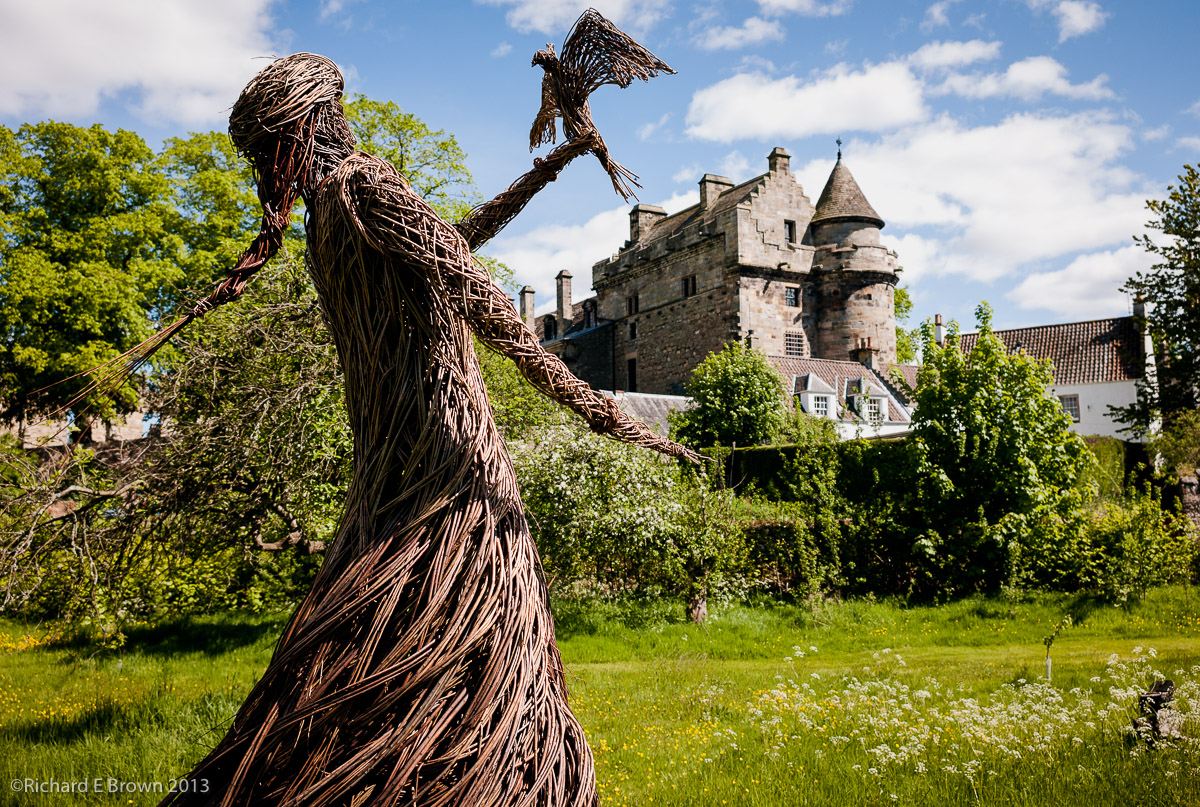
Leica M8 sample – Fantasy FigureI love and prefer optical viewfinders, and being a motorcyclist have wanted a small high quality camera for some time and the Leica M seemed to fit the bill. At the time I was looking the M9 was the current version and the first full frame digital Leica M. It was a lot of money to invest into a camera that for the majority of photographers is not suitable and I was not sure it would suit me.
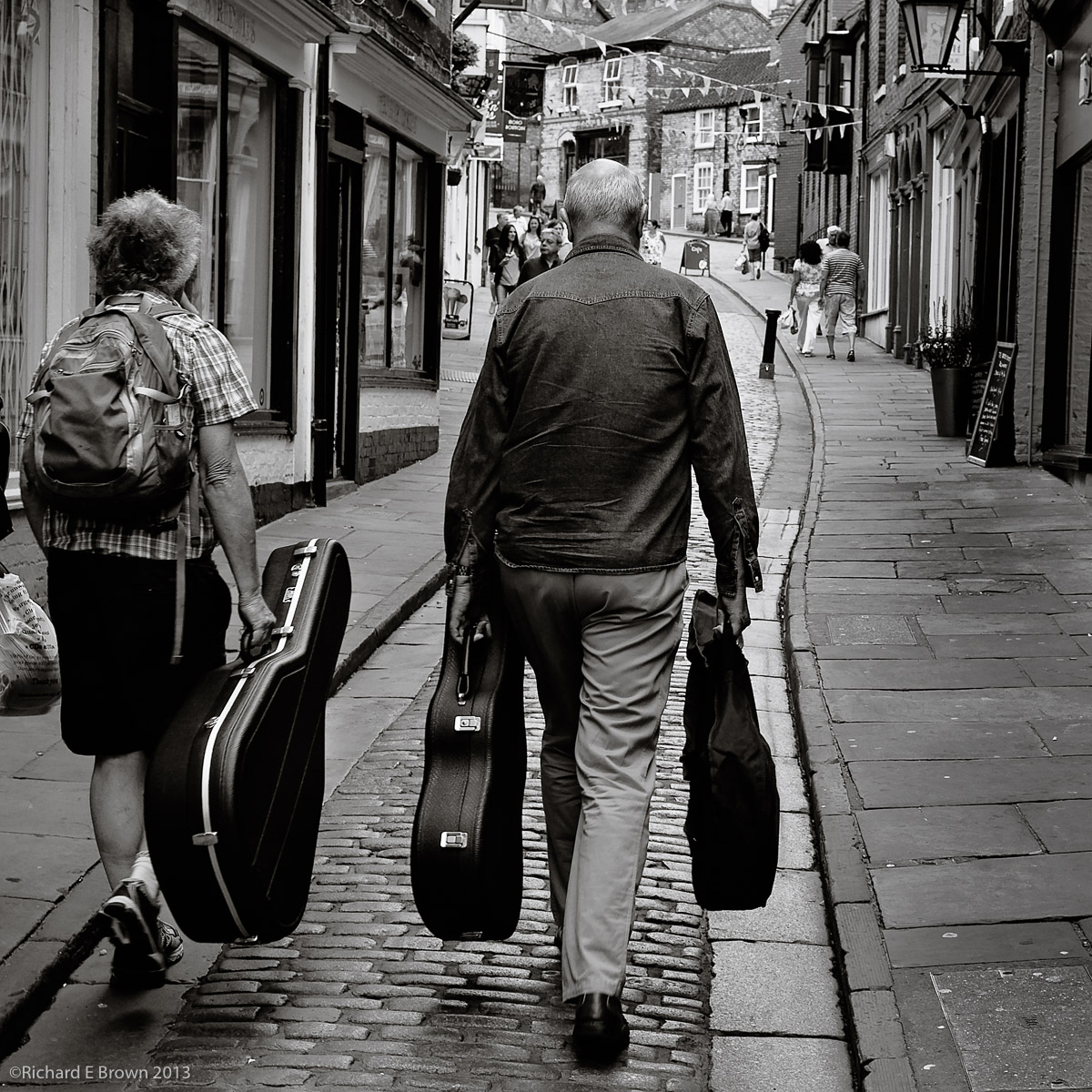
Leica M8 sample – walk to the gigI decided to keep a lookout for a second hand M8, while not full frame it would give me a good feel for the rangefinder experience. As I have blogged before the M8 had a rough ride with a number of issue, but at base ISO it could produce fantastic results.
Leica M8 sample – Seascape RoadMy first purchase was not the camera but actually a Leica M 24mm Elmar lens, it came up for sale in mint condition, boxed and with the 8-bit coding needed by digital M’s. If I decided that an M was not for me I would be able to resell the lens at a profit and if I went MicroFourThirds the lens with an adapter would make a stunning quality standard lens.
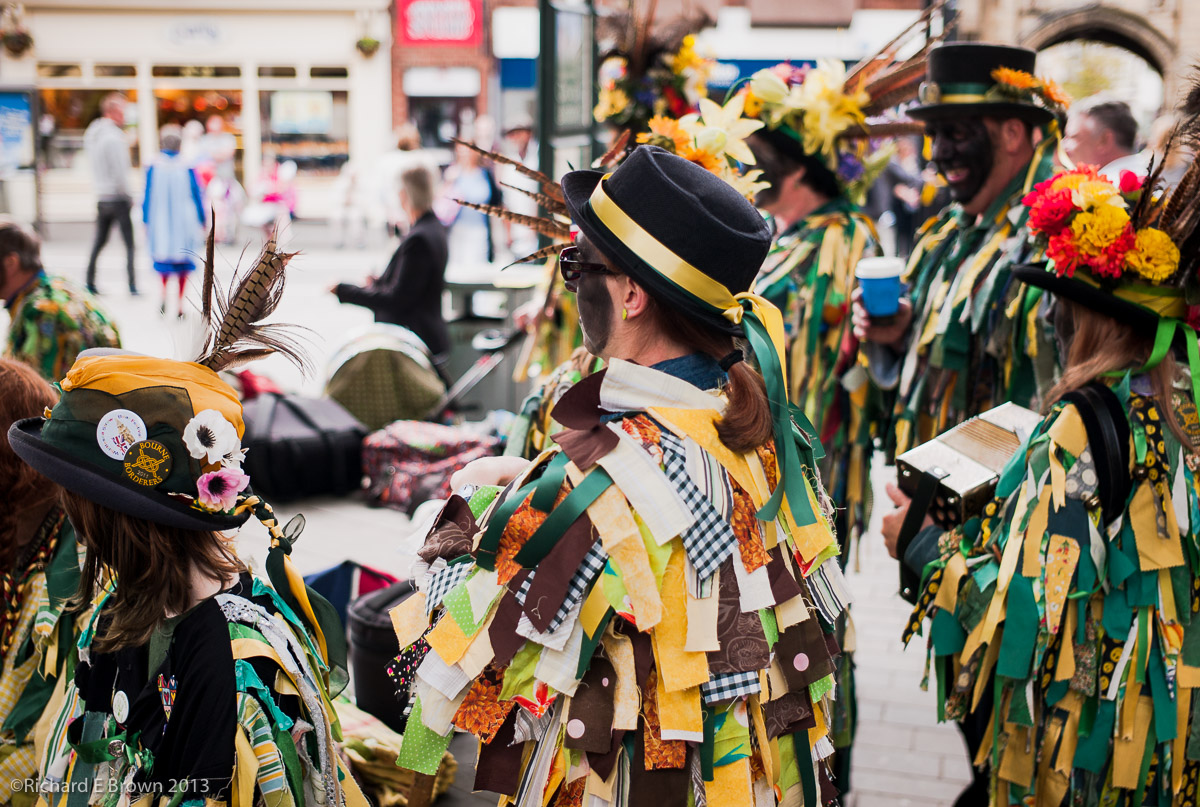
Leica M8 sample – Morris MenFinally an M8 came up for sale, not only that the dealer sent me some new filters to ‘cure’ the infrared contamination for free, and the previous owner had paid to have the camera sent back to Leica in Germany to have the M8.2 upgrades installed, so I got a good value Leica M.
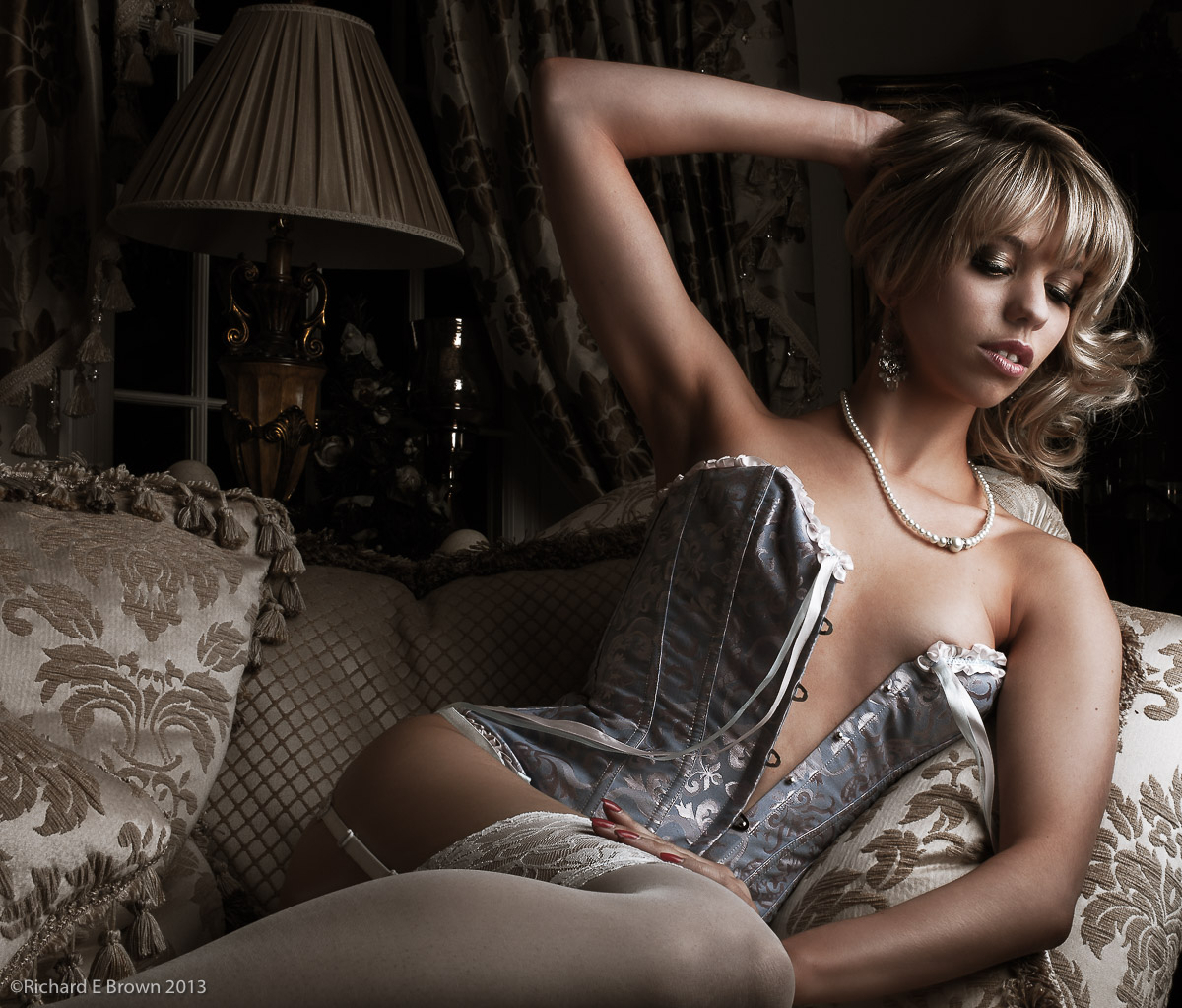
Leica M8 sample – BoudoirI generally use my Leica as a street shooting tool, but also as a general use compact, but also occasionally a studio camera and for landscapes when I want to travel light.
They make surprisingly good portrait and studio cameras when your after a more natural and relaxed look, especially if your photographing less experienced models.
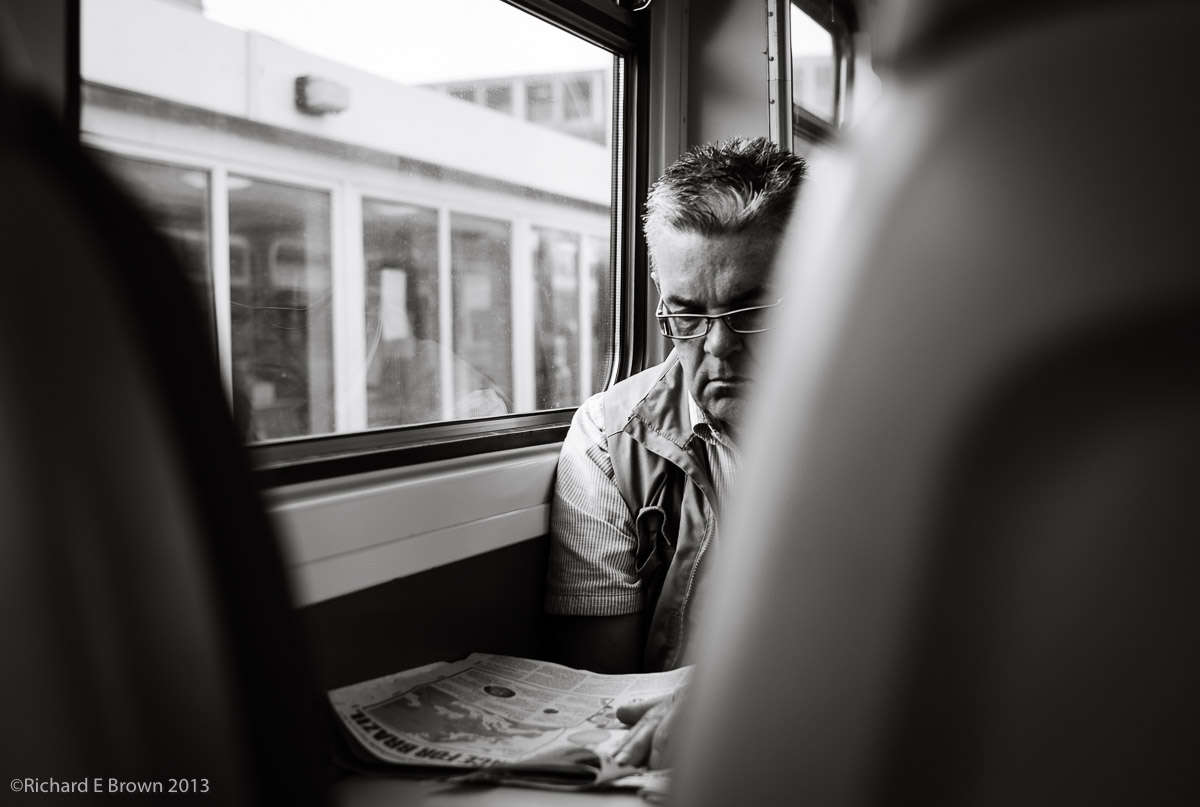
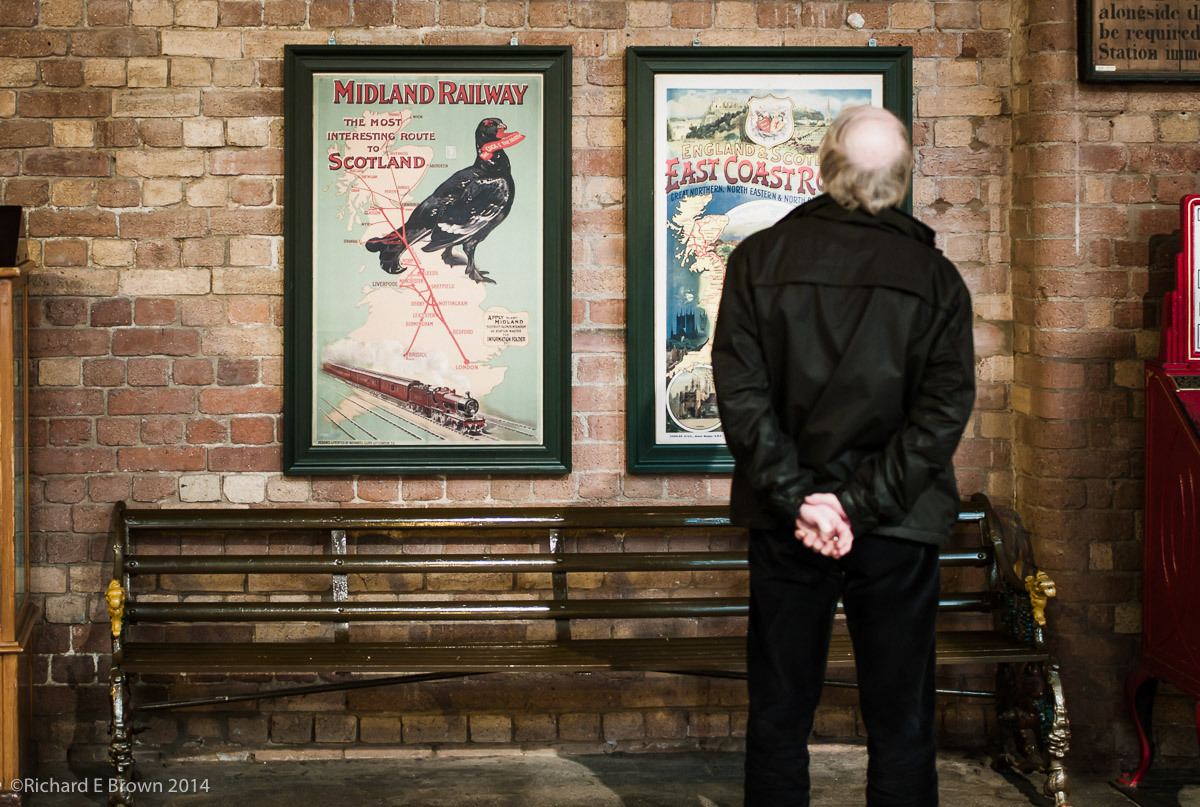
Leica M8 Sample – TrainIn my time with the M8 I have now taken ten thousand photographs with it and have undertook many projects which I hope to turn into books.
I now have my first full frame Leica on order the new M10 but i’ll continue to use my old M8 and remember the many hours of pleasure it has given me, a Leica becomes an extension of your soul and helps you record the feelings and emotions of what is happening around you.
I was up early on Saturday and started the day with predawn dog walk. As the sun started to rise I took a good look at the weather and decided my plan of making a trip to Hartsholme Park would have to wait as the light was just not good enough, so instead of photography my Saturday was a day of house work.
I did spend sometime on photography that evening, I spent it downloading Leica M10 RAW files from various websites to start to develop a feel for them and also to make a start on creating four Lightroom presents for the M10 to speed up work flow. For my Nikons I just have two presets, one for Landscape and one for people and work from there. For my Leica M8 I have four presets, Colour-People, Black&White-People, Colour-Landscape, and Black&White-Landscape.
They generally only differ in the amount of sharpening and a preset mask, and generally protect the highlights while boosting the blacks.
Sunday morning showed some promise after my dawn dog walk, so loaded the car with the big Gitzo series 5 tripod, a big heavy fast long lens, a teleconverter and a Nikon D800; just the typical equipment for shooting wildlife.
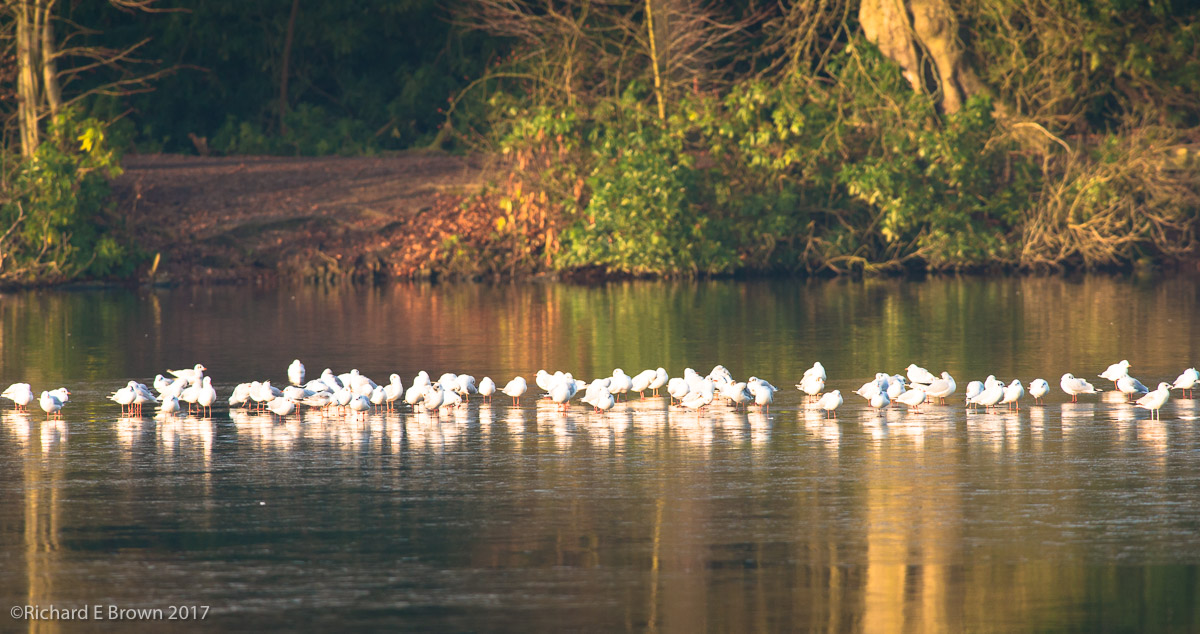
The promise of the light was fulfilled and we had a glorious warm golden light illuminating the lake which still had some ice on. The Herons, Greylag and Canadian Geese were much in evidence as was the black headed gulls.
I got a good mix of shots in the hours I spent there, before heading off to warm up.
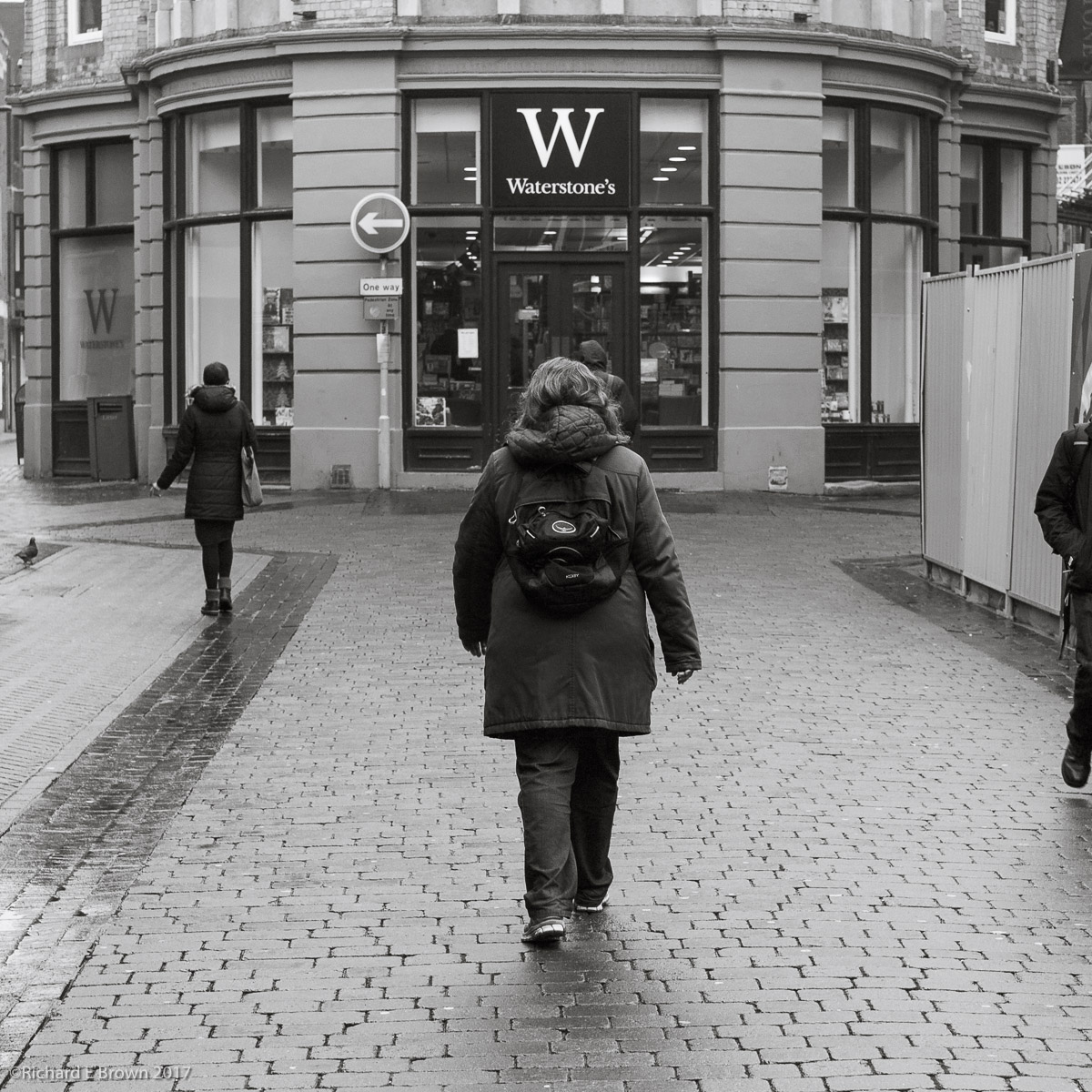
It was a drab rainy day in Lincoln, but that did not stop be from grabbing my Leica M8 and shooting a few frames. Nothing special on my walk this time but its always good to keep in practice.
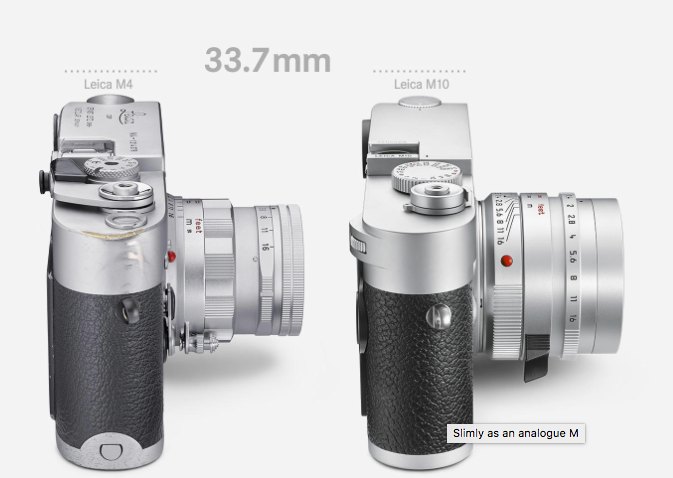
Finally the Leica M10 is announced, the latest Leica. I’ll be reading up about it and downloading RAW files to start test processing and developing my own custom development presets. Then i’ll be able to make the decision on which new Leica to get.
The Leica comes in cheaper then the old M type 240, but the Britain leaving the EU and the uncertainty that has created has hit the pound hard so any potential savings on that front may be lost.
I like the look and love how they have implemented the new ISO dial, its also got built in WiFi so wireless non-tethered shooting is an option.
I am off to the photography show at the NEC March so will get my hands on one there hopefully.
I rang up my favourite dealer and got myself on the waiting list just in case though.
Leica have a few announcements it seems and they have sent out invites to the press for the 18th and 19th of January, better start dusting off the credit card.
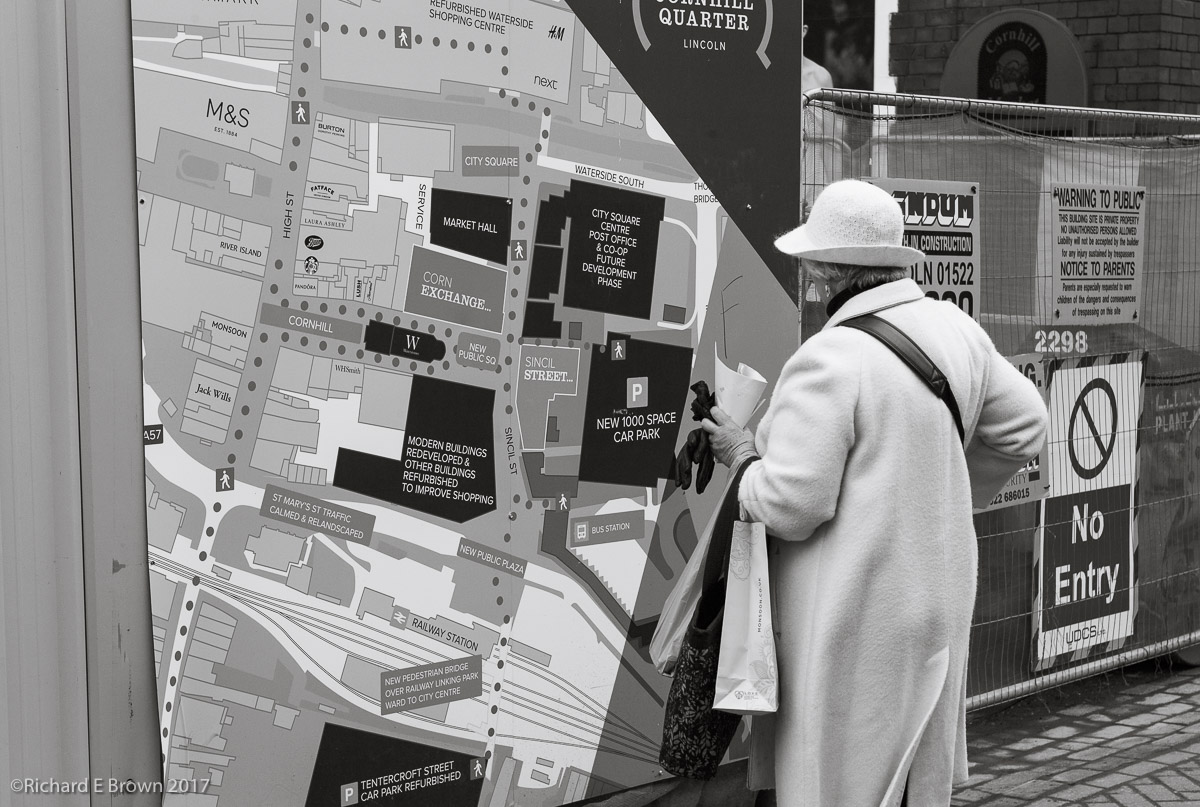
Building the New Lincoln Cornhill Quarter – Leica M8
There is a lot going on in Lincoln at the moment. More university builds are going up, we have the new transport hub being build and the whole market and Cornhill area is now being redeveloped. I’ll be interested in what they do with the latter. Under the Cornhill they used to be a bar in the cellar, good drinks, good music; it was an odd place that attracted quite a mix of people from students, to rockers, punks and business men in their suits grabbing a decent drink before heading home.
If the rumours are true then this month is when Leica will finally announce the new M rangefinder, and i’ll have a key decision to make.
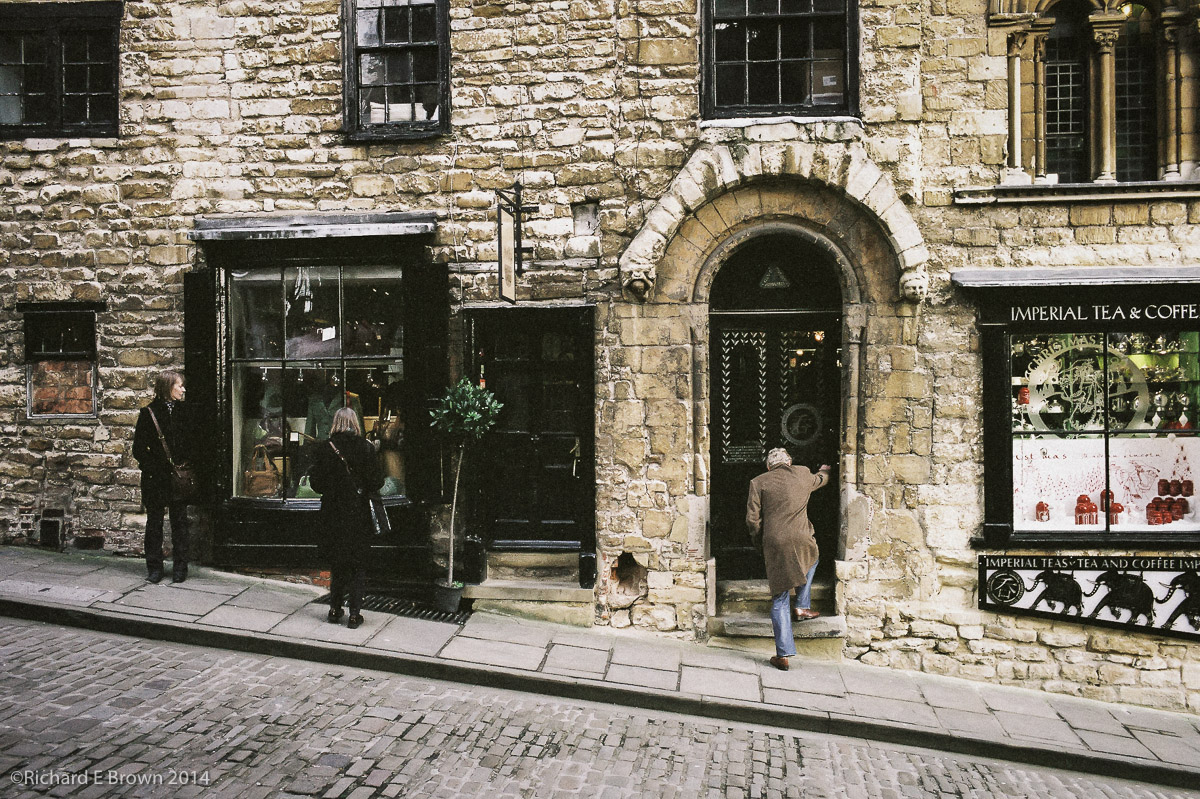
Leica M4 35 Summicron, Fuji Superia – Time for TeaCurrently for my Leica shooting, I use a Leica M4 for film work (see the first two photographs), and a Leica M8 with the M8.2 updates and upgraded shutter for Leica digital work (see example shot three).
Leica M8Once its announced I have to decide what I want to do.
As I have said before on this blog, I want a new M for full frame, better high ISO performance and live view for situations that require critical focusing.
New M10 (or what ever its going to be called)
M Type 262
M Type 240
The new M is likely to be at the top of my list and I expect it to tick all the boxes; the surprise for people is the Type 262, this is for some people a budget and cut down Type 240, it lacks live view, has no movie mode but is smaller, lighter and has a better shutter. Last in my order of preference is the M240 or even the M240-P with the bigger buffer. This again ticks all the boxes but is a heavier camera.
It was a little warmer yesterday so on the commute into Lincoln I decided to go without the heated waistcoat underneath my biker jacket.
Caroline and I both had reasons to be in town but for different purposes and as Caroline had to head home at lunchtime we went on separate motorcycles.
Because of that I had plenty of room in the BMW GS’S top box, so took my Leica M8 (with M8.2 upgrades) with me.
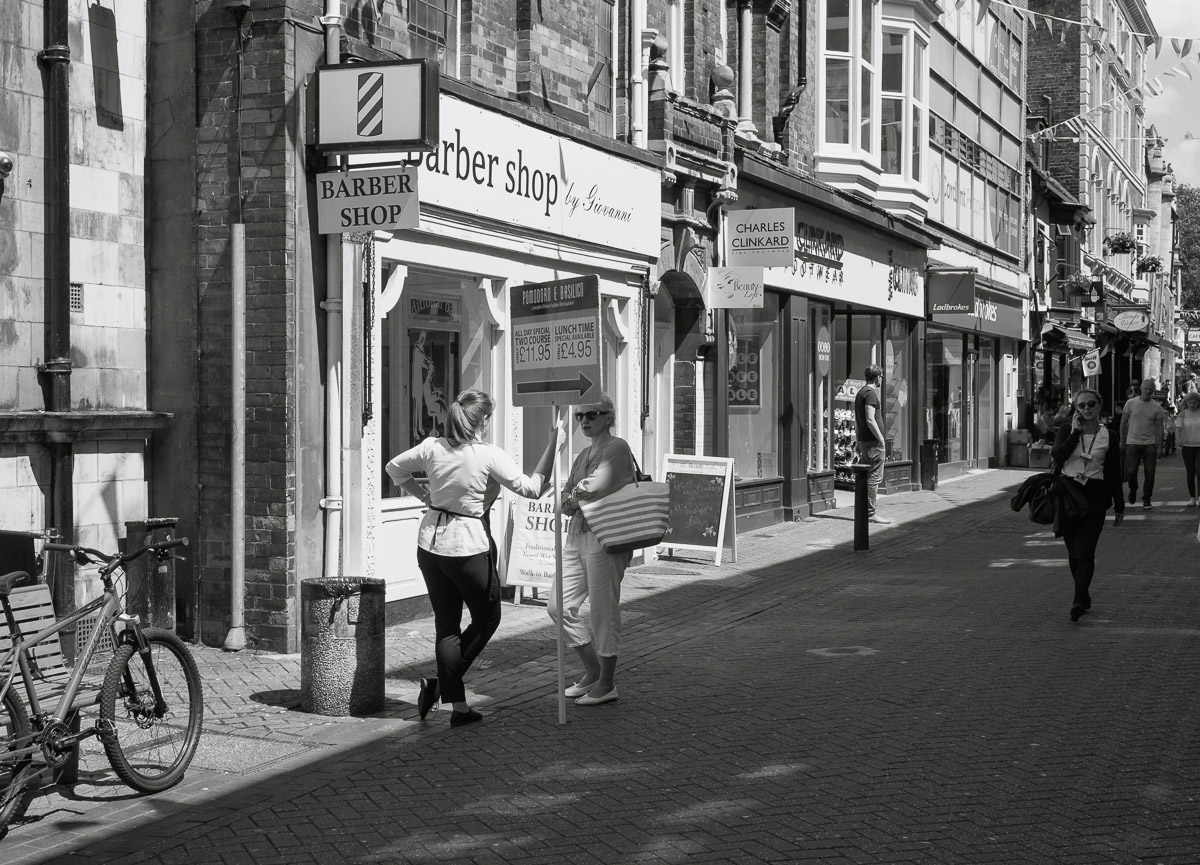
After a very busy morning, and it was after one o’clock before I thought I had better get some fresh air, so I grabbed the camera and did a little street photography.
With its CCD sensor and extra sensitivity to infrared the M8 is the next best Black & White camera next to real film or a Leica Monochrom.
I took the time to take a few snaps before heading off to my favourite coffee shop.