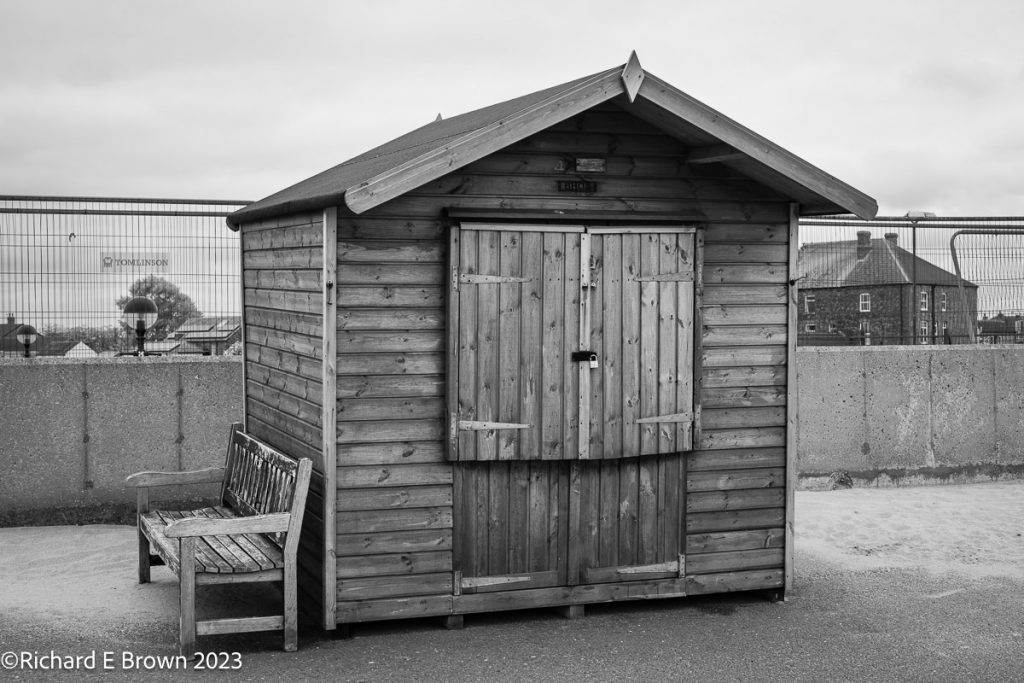
Leica M10
Leica Summilux 50mm f/1.4 ASPH
50mm, 1/180 Sec at f/5.6, ISO200
Post Processed in Adobe Lightroom Classic V12.4
Family, Photography and other misc news
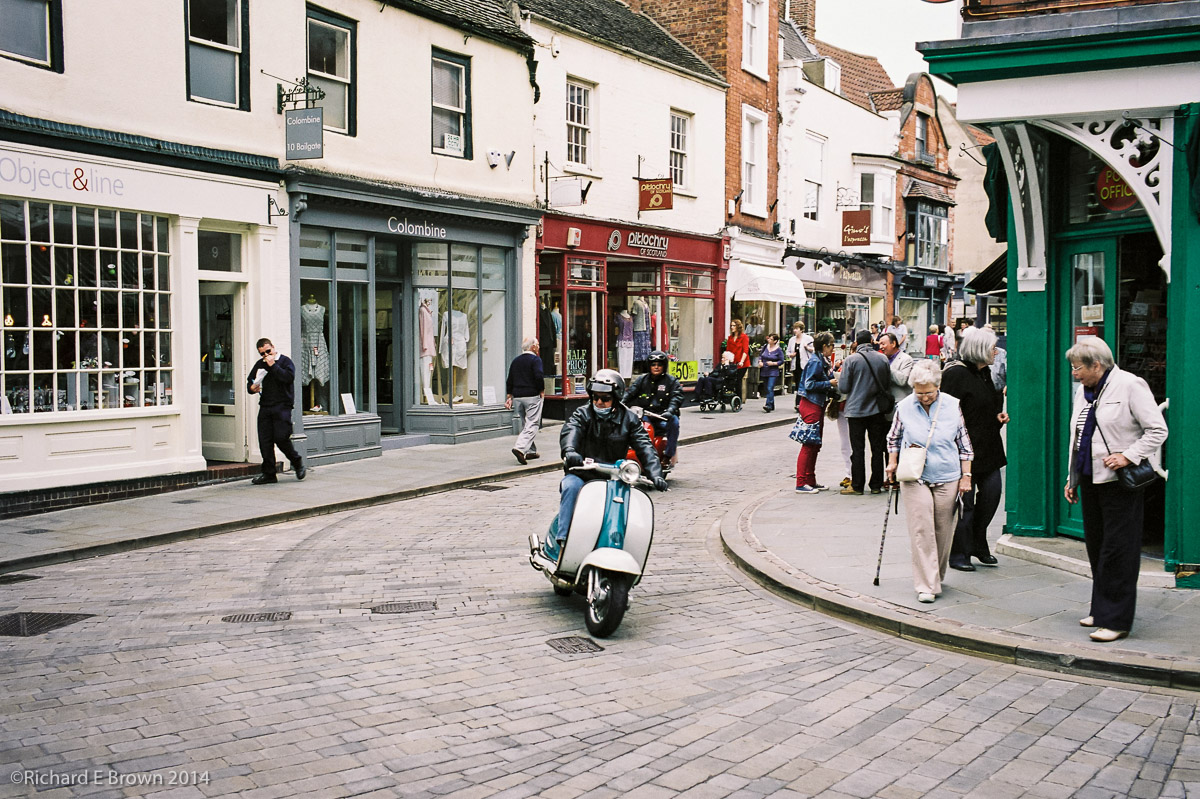
Leica M10
Leica Summilux 50mm f/1.4 ASPH
50mm, 1/180 Sec at f/5.6, ISO200
Post Processed in Adobe Lightroom Classic V12.4
Lightroom import dialogue box can be confusing, there are two options, simple and advance. I have on occasion gotten my import wrong myself, generally importing files to the wrong location but its an easy fix.bad credit loans uk direct lenders
I can think of a couple of other ways of importing photographs but rarely use them. Recently on YouTube I saw this and thought it was a easy way to import if you struggle with the other methods.
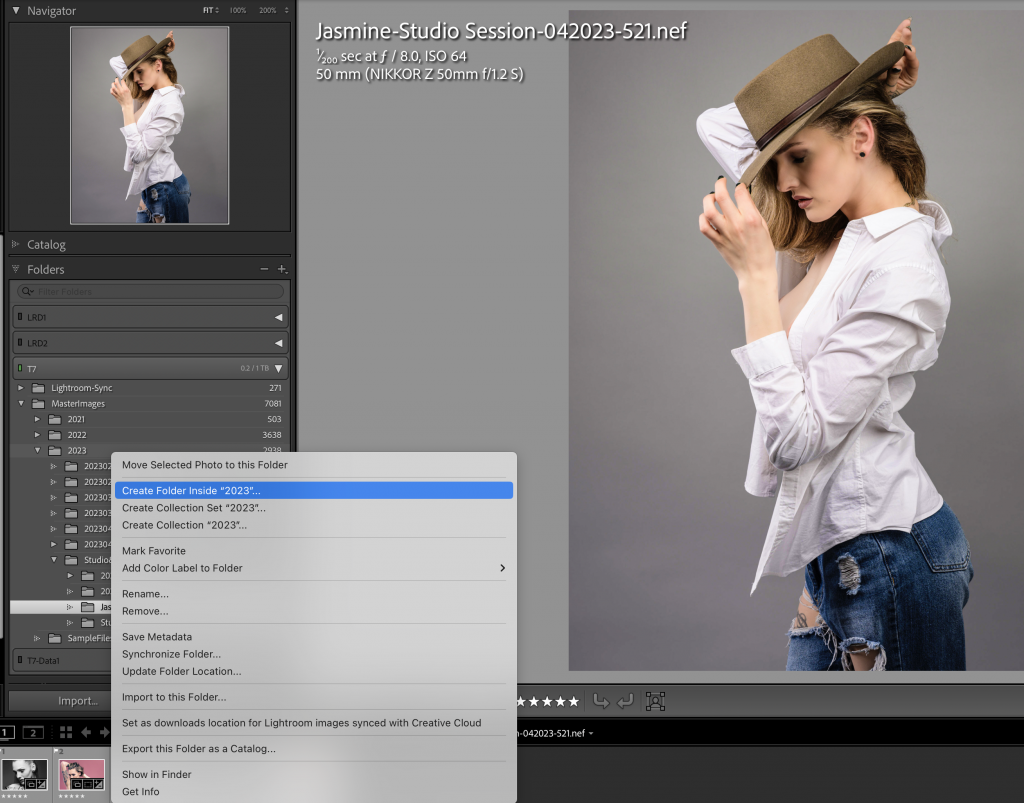
The video shows you how but basically create a folder in Lightroom where you want the files to go and then when highlighting that folder select import to this folder.
Simple and easy.
I still use the normal import methods, I have presents that apply things like basic develop settings and metadata which is the advantage of the normal import methods. Creating import, development and location presets to get a lot of the leg work done in advance can really speed up your work flow.



Colour or Black & White?
Or shall we say what colour?
In cinema, colour grading is a big thing to give a mood to a scene. If you watch the matrix movies the colour grading for the scenes in the matrix and outside in the ‘real’ world are very different.
I do occasionally colour grade some one off images but rarely.
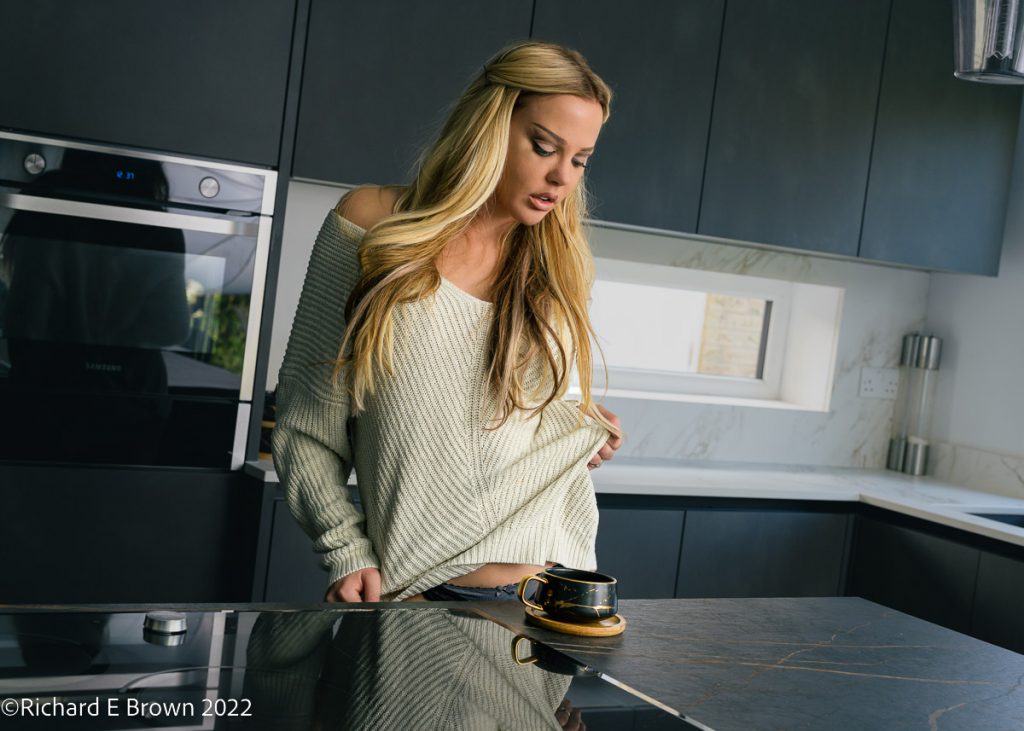
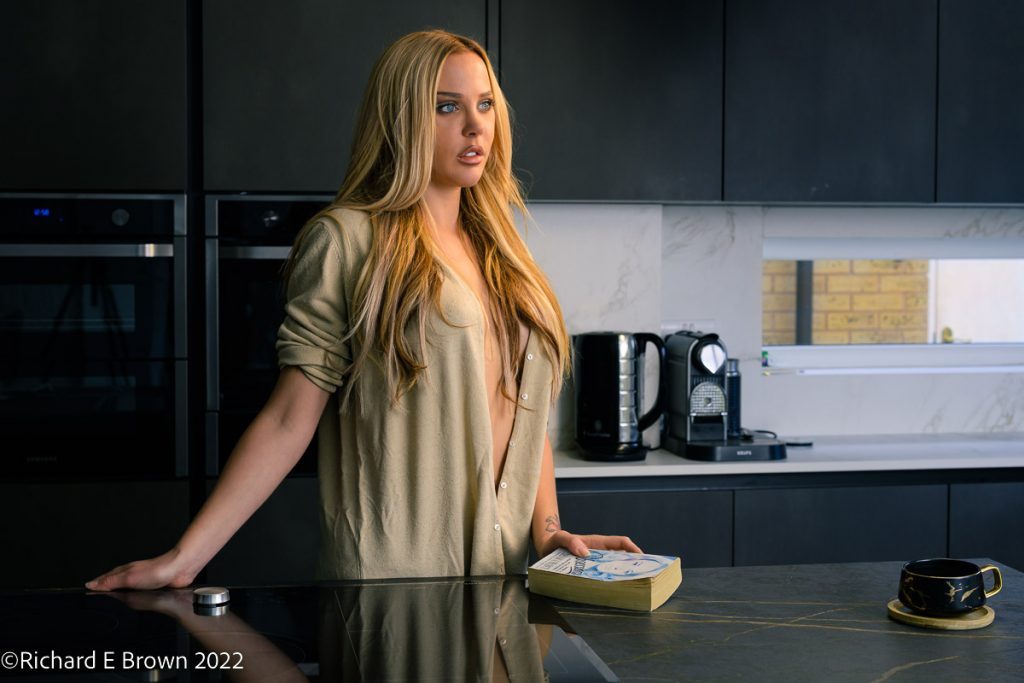
But for my last shoot of last year, a lifestyle, and lingerie set, I did some extensive colour grading. The smart modern kitchen set suited it well so I toned the shadows a steely blue, while just giving the highlights a hint of extra warm tone.
With one set of images I combined some in camera work with post. This image above has the cool colour grading of the first but I also used half CTO on a small soft box. The majority of the light in this image is from a large shoot through umbrella, there is then a small soft box with a orange gel on it, to give the warm sunlight look.
With these first two images the colour grading while noticeable is relatively subtle. In this image above the colour grading is more more obvious, its selective colour saturation and grading which gives it a monochrome look.
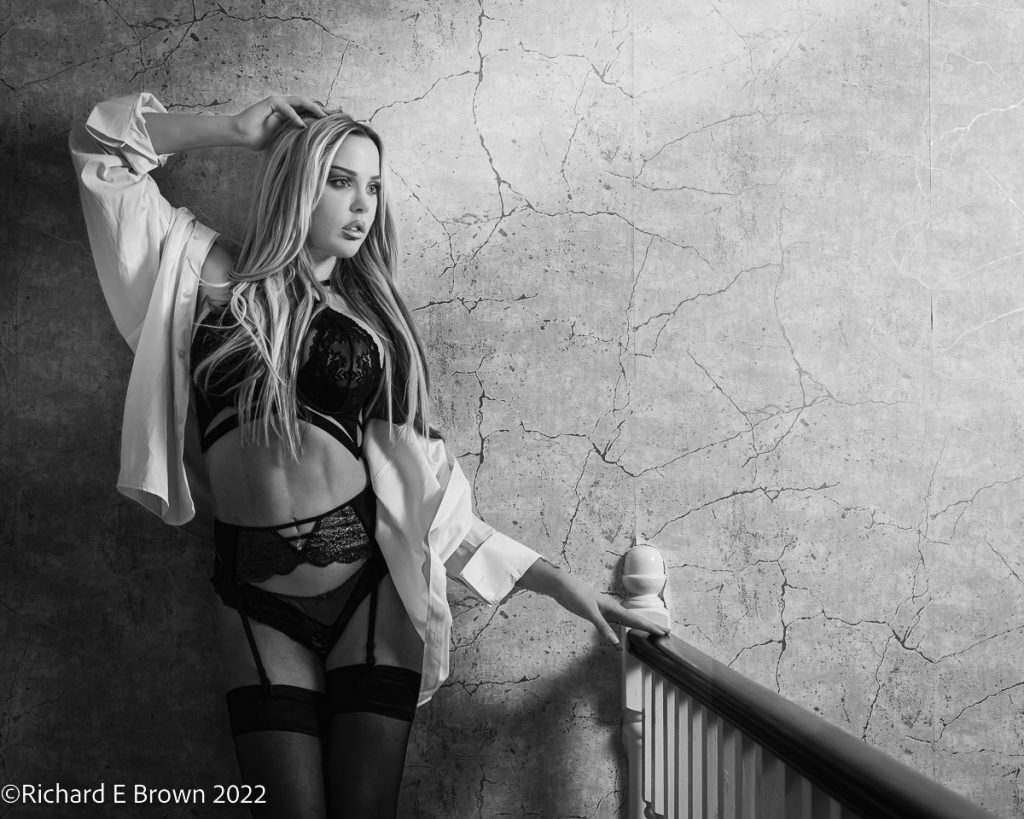
Lastly a standard black and white image. Even with this, using digital capture there are lots of options available. The image is still made up of the three colour channels and by changing the amount of each and their ratio to each other you can dramatically change an image.

A vintage look. What would you have done?