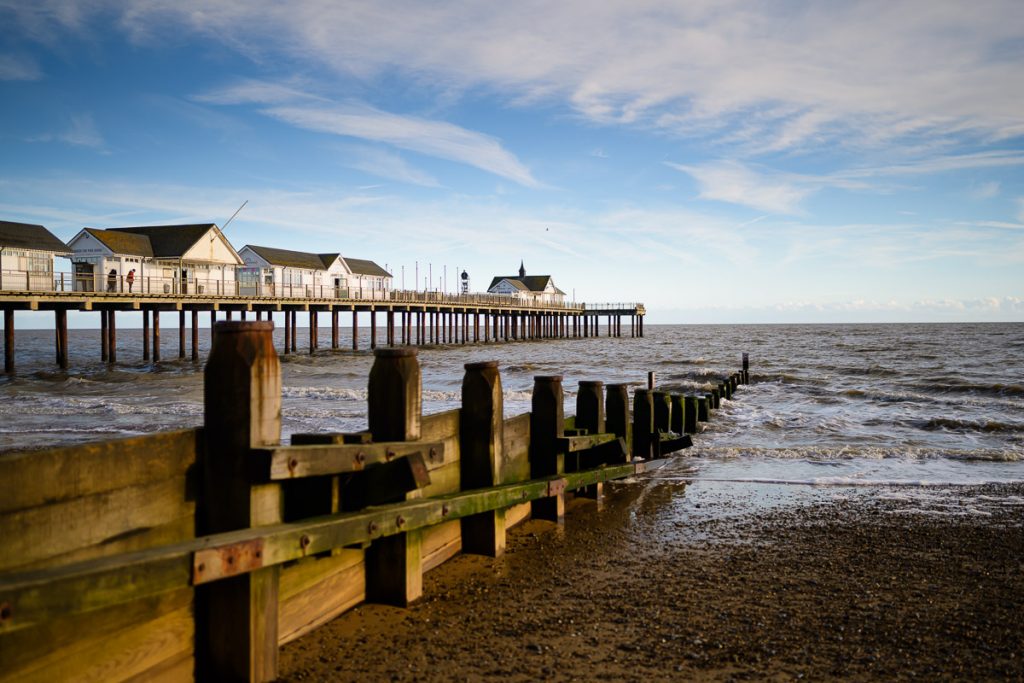
Nikon Zf
Nikkor Z 35mm f/1.8 S
35mm, 1/2500 Sec at f/1.8, ISO100
Post Processed in Adobe Lightroom Classic V15.1
Family, Photography and other misc news
Nikon Zf
Nikkor Z 35mm f/1.8 S
35mm, 1/2500 Sec at f/1.8, ISO100
Post Processed in Adobe Lightroom Classic V15.1

Like many people today, I find streaming highly convenient. The issue is you never own the media, the artist does not get paid as much, and if you, like us, live in a rural area with internet outages and powercuts, having the media locally is of benefit.
For music, I use Roon, but today I am going to talk about video. I have a lifetime license for Plex, and have a small Plex server, connected to my UPS.
The question a lot of people as is how to get your DVD film from a physical format to a file that you can use on your TV/Computer/Tablet or Phone.
One of the more common pieces of software people use is Handbrake, this is available for most operating systems.
Now Handbrake can not read all DVD’s for it to be able to read the majority DVD’s you need to install libdvdcss. For windows is usually a simple dll you download. For older Mac’s you can download the installer. For more modern Macs its a little more difficult and much easier if you install a package manager.
Most people use Brew. I suggest you go to there web page and read up. Basically you open up terminal and follow these instructions.
/bin/bash -c “$(curl -fsSL https://raw.githubusercontent.com/Homebrew/install/HEAD/install.sh)”
Once installed you need to update the environment variables so Brew can be found on your system.
echo >> /Users/richardbrown/.zprofile
echo ‘eval “$(/opt/homebrew/bin/brew shellenv)”‘ >> /Users/your-user-name/.zprofile
eval “$(/opt/homebrew/bin/brew shellenv)”
You can now install the libdvdcss
brew install libdvdcss
The default location that that brew installs to, is not the location that Handbrake looks so you now need to copy the library to that location.
sudo cp /opt/homebrew/lib/libdvdcss.2.dylib /usr/local/lib/
You can now launch handbrake, rib your DVD’s and create your own locally hosted streaming library with the DVD’s you own.

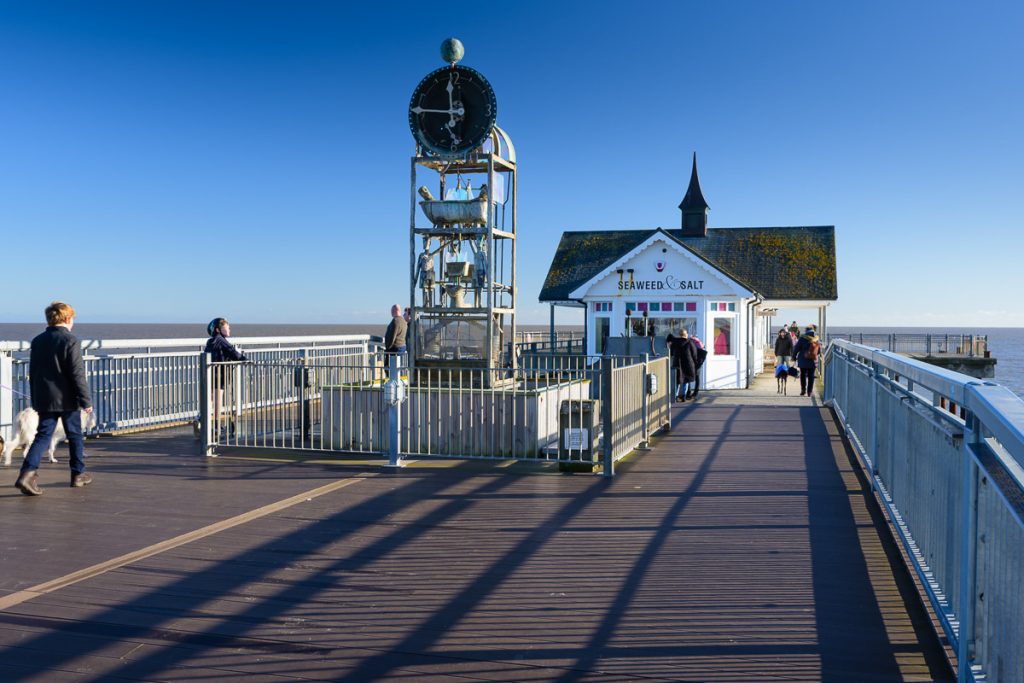
Most people with electric cars rave about them, those who do not, worry about range and battery issues. As with many things the truth is somewhere between.
If I needed a car for work, and drove long distances then whether it worked for me would depend on things like do I need to tow; am I heading north to south or south to north as most the main roads going up and down the country are well served with fast chargers.
If you are travelling around Yorkshire and many other rural counties, or some east to west routes, the charging opportunities are few and far between. Yes there are chargers but there in ones and twos, not large charging hubs. If you need to rely on getting a quick charge they could be in use or one could be faulty.
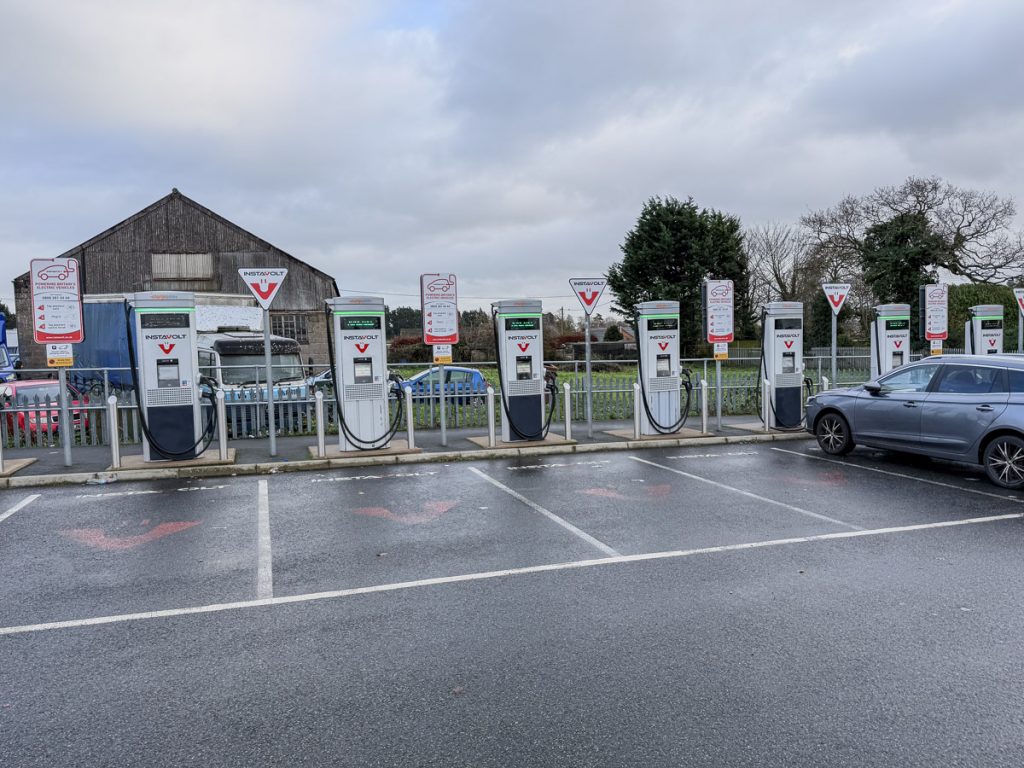
If you’re on holiday then there is no pressure. For our recently holiday the destination had little charging but the holiday cottage did advertise a charger, but would it work.
So the plan was to stop half way, get a lunch break and walk for Ted the Greyhound and during that time get a charge, so we picked a suitable stop that had eight chargers, so the odds of getting a charge was high. We would charge to a relatively high level to ensure we would arrive at are destination with 40% giving us options to get to a charger if the cottage charger did not work. There was places to walk Ted and the manager of the local Costa’s let us all in to grab something to eat and for the humans to have a comfort break as well.
The trip there starting from a 100% charge was easy, we had alternatives on route but just carried on; this particular hub was never showing more then 50% capacity so odds were good.
When we arrived two other cars were charging so plenty of room, we plugged in and started to charge; then we got Ted out of the car and took him for a brief walk to stretch his legs and have a comfort break.
Then we all went into the Costa’s after I made a quick enquiry if we could bring Ted in, which was met with an affirmative. Coffee and sandwiches were ordered and eaten, a quick trip to the toilet facilities and then a walk back to the car, by which time we had way more then enough for the trip ahead.
While in the coffee shop I had tracked the number of free stalls at the charging station, and our rate of charge. It had not taken long to get to our target charge and if the chargers had been busy I would have gone and unplugged and moved the car to the coffee shop parking to free up the space, but the eight bays never had more then five occupants.
The key for road tripping by an EV, is pick large charging hubs so your not waiting, have alternatives planned and always plan on doing something else while the car is charging so its not actually the charging your waiting for. We would have needed to stop, walk Ted and get something to eat ourselves anyway, so a perfect time to charge the car.
The charging network does need to be bigger, but with more cars coming with over two hundred miles of range, some of the higher end ones now at four hundred, charging times coming down to 16 minutes, we will get to the point that charging is easier and far more convenient then standing at a cold petrol pump waiting five minutes for the car to fill.
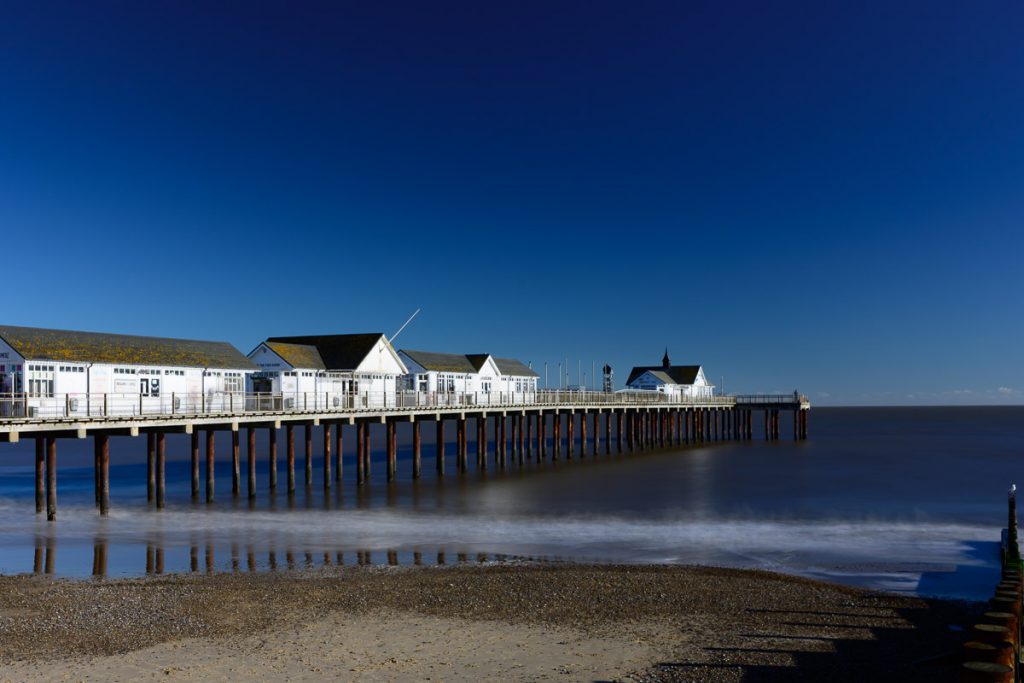
In the film days, filters were often used, an 81a or 81b to warm up an image a little. Graduated filters to bring down the exposure of the sky. Polarisers that cut glare and reflections, enhancing the colour.
Now with digital we can warm or cool an image with a few clicks. With the better dynamic range of todays sensors we can use graduated filters in software.
There are times that filters can still be useful. In this image I used a polariser to enhance the colour and a neutral density filter to slow down the shutter speed to a few seconds. This blurred the sea and made many of the people on the pier disappear.
If you photograph moving water, try using a neutral density filter shoot from half a second to about a minute and look at the results to find the shutter speed you prefer.