a Rant – Keeping Reptiles as a Pet not collecting

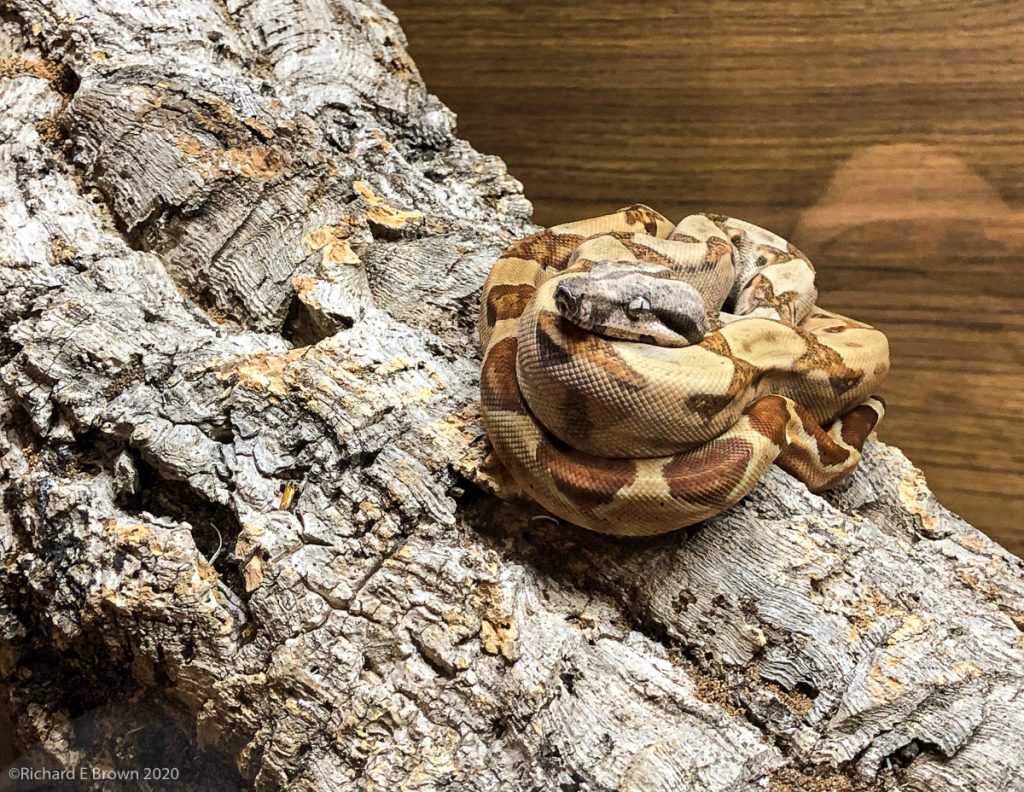
Bertie the Boa, less then one year old

Reptile husbandry has changed a lot over the period of time I have been keeping snakes. In the early days, it was considered ok to keep them in small racks or rubs as they are known. Underfloor heating often no thermostat and no light.

If you are keeping snakes to breed to sell, or a pet shop and keeping them for a short period before selling them then a rack/rub system makes sense, you can keep a lot of stock in a small area and there are only going to be there a while before sold.

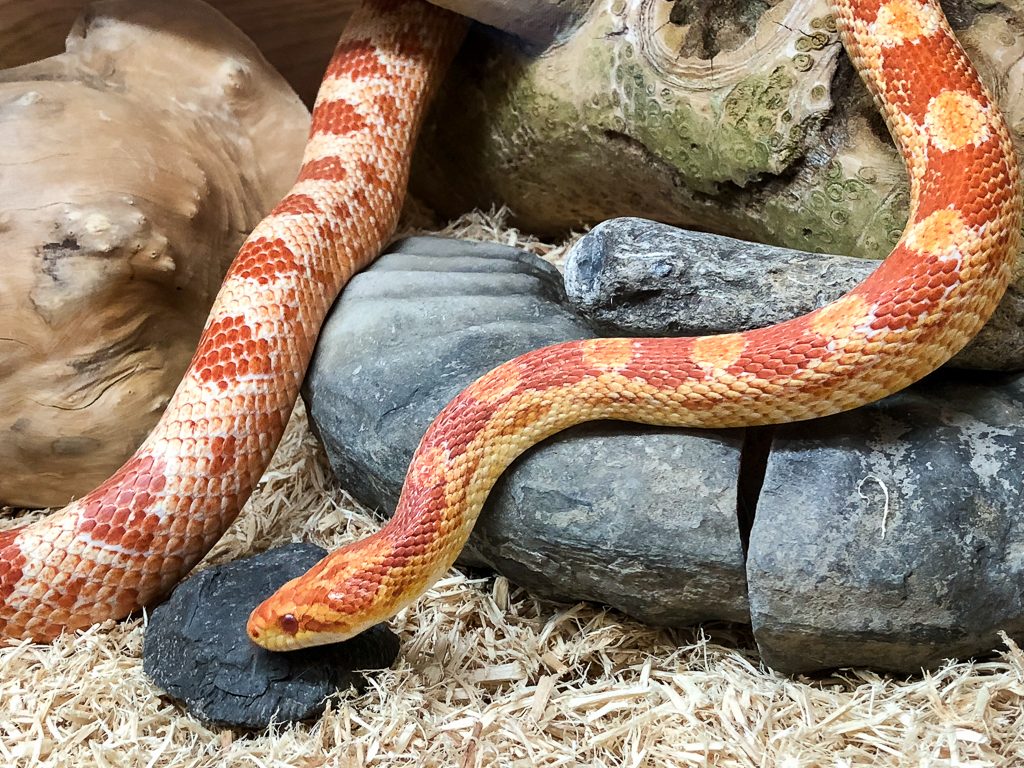
For those of us keeping reptiles as pets then most of us in Europe keep them in large display cabinets. My little corn snake is in a 1m by 0.6m viv and height for climbing.
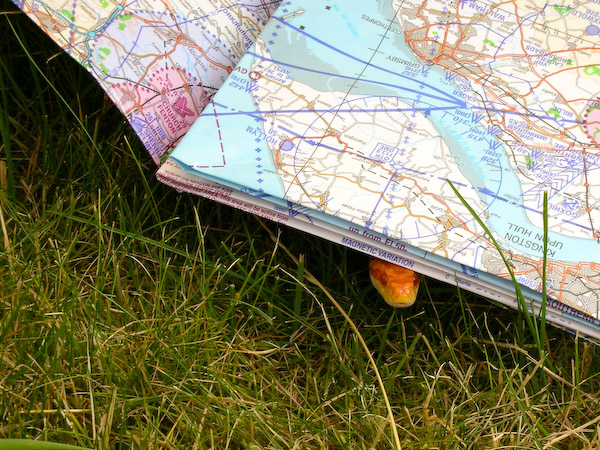
He has heating from a ceramic heater, a T5 strip light giving UVB all controlled automatically.

Bertie has a 2m by 0.9m viv, a heater in the centre giving background heat and a heater off to one side to give the hot spot, they are on day/night thermostats and for light there is a daylight UV flood that operates noon till tea and white LED for the day time and dark blue LED for the last few hours at night. Eight hours of daylight in the winter slowly rising to fourteen hours in peak summer.

Both my main vivariums are in the main living room, our snakes are part of the family just like our hounds. They have multiple hides, moss boxes for humidity and rocks to bask on, and branches to climb up.

So what’s my rant about?

Well if you do some research you will find that keeping a pet snake is just putting it in a small box with some heating and water and a hide. No enrichment, no where to climb no real light.

Even the better videos on YouTube talk about a box with no height, no UV. They selectively take aspects of the wild lifestyle and say for example a Ball Python just lives in a dark burrow. Yes those in the desert do during the hot season stay underground but recent studies has shown that 70% of their pray is aboral mammals. That 0.5m high rub is not going to allow it to climb. Heating provided by underfloor heat pads for plastic or glass tanks and light bulbs for wooden viv, this is just not good enough.
Most of the internet and the especially YouTube seems about twenty years behind. Luckly at least here in Europe things are moving forward, enrichment, bioactive enclosures etc are taking off. Lets hope that more of keepers on the internet take notice. Things are always going to be a little biased towards rubs and racks, as most of the experts are breeders and are going to be using rack systems, but we need to up are game and give the best life we can to our pets, and not treat them as items to collect. I collect fountain pens not living creatures.
Fountain Pens, writing with style

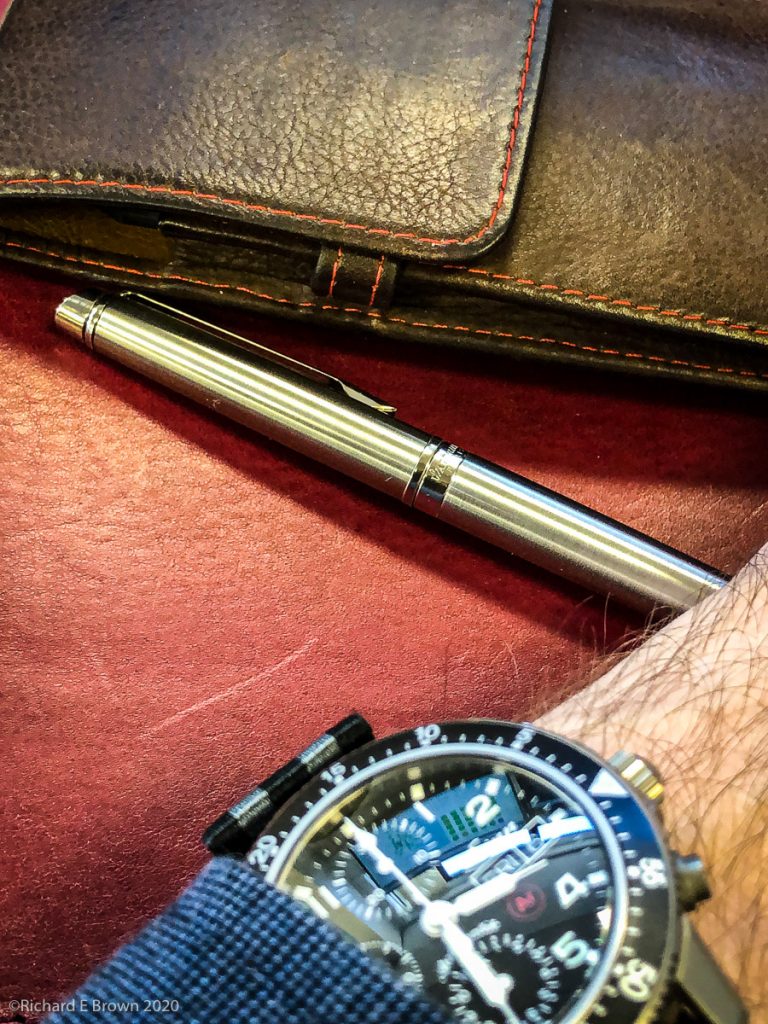
Waterman Hemisphere Fountain Pen

Whilst most people reach for biro when needed to take a note, while I reach for a fountain pen.

Most people would consider a fountain pen and out dated piece of technology. I did not enjoy writing while at school, and it was only in my final years I discovered the enjoyment of writing with a fountain pen.

Watch Macro with Profoto A10

My handwriting has never been good, but I found that using a fountain pen slowed me down, I think more as I write and concentrate more, so my handwriting improved.

I will say if you think a fountain pen will improve your handwriting then you may be in for a shock, it takes care and practice, but for me its been worthwhile.

In the picture at the top is a simple Waterman Hemisphere with a medium steel nib. A simple pen to carry with a notebook, hardy and sturdy.

Still Life – Macro Photography

Macro with Elinchrom Flash

While we were in lockdown due to COVID-19 and I could not shoot at all, not even outdoor shoots, I have been shooting a few still-lifes.

Watch Macro with Profoto A10

With macro photography getting the focus and having enough depth of field are all big issues. These shots were taken handheld, the top shot with one of my Elinchrom flash heads and a small brolly, the second a little hotshoe flash on a light stand and a shoot through brolly.

They could all be better, I should have used a tripod, and the objects I chose to photograph were not perfectly clean, but I encourage you to have a go.

Coffee Ratios

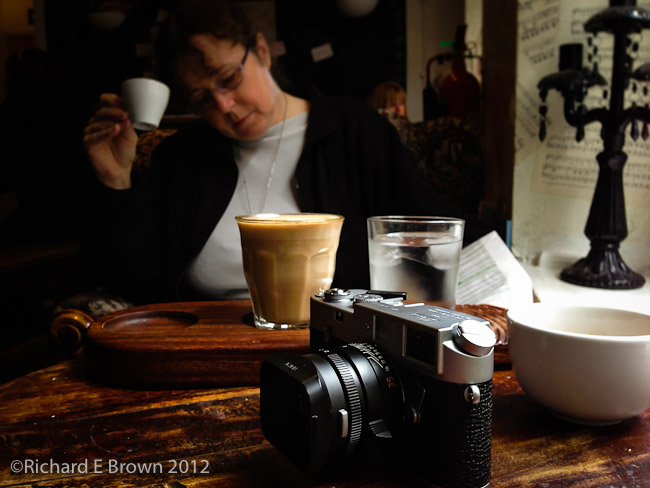
Classic Coffee and a Leica

With COVID-19 lockdown continuing I have been using the time to improve my coffee brewing.

Mainly espresso and pour over, but even the odd French press (cafetière).

Coffee recipes are often expressed in various terms, scoops of coffee to cups of water, or fluid ounces (often not explaining whether American or imperial). Oh and what is a cup. In Europe a cup of coffee can be anything from a 4 Oz to a 6 Oz cup. In America in fact the west in general it just seems to keep getting bigger. The biggest issue with measuring volume is the fact that different coffee can have more volume than other, plus it depends on grind size.

Most common now is a ratio by weight, for espresso 1:2, one part coffee to two parts output. So for example 14 grams of coffee (an Italian double), and have 28 grams of espresso.

For pour over 1:15 is often the starting place. So one part of coffee to fifteen parts of water.

So ratio by weight is better but who wants to do maths before making coffee, I much prefer grams of coffee per litre of water, a litre of water being 1000 grams.

As a general rule I start at around 60 g per litre for a pour over and maybe a little more for a French press depending on how I am feeling. It makes the calculations easy, a large mug is generally 250 ml so four mugs is a litre, 30 g for two mugs, 15 g for one mug. Also I grind a little finer for a V60 when making amounts up to 250 ml, a little courser for my Kalita Wave, and courser still for my Chemex when brewing over 400 ml.

Knowing that 1 g equals 1 ml of water you can figure out the size of your favourite coffee cup and using the grams per litre measure quickly make yourself a cup of quality coffee first thing in the morning.

Keeping Reptiles

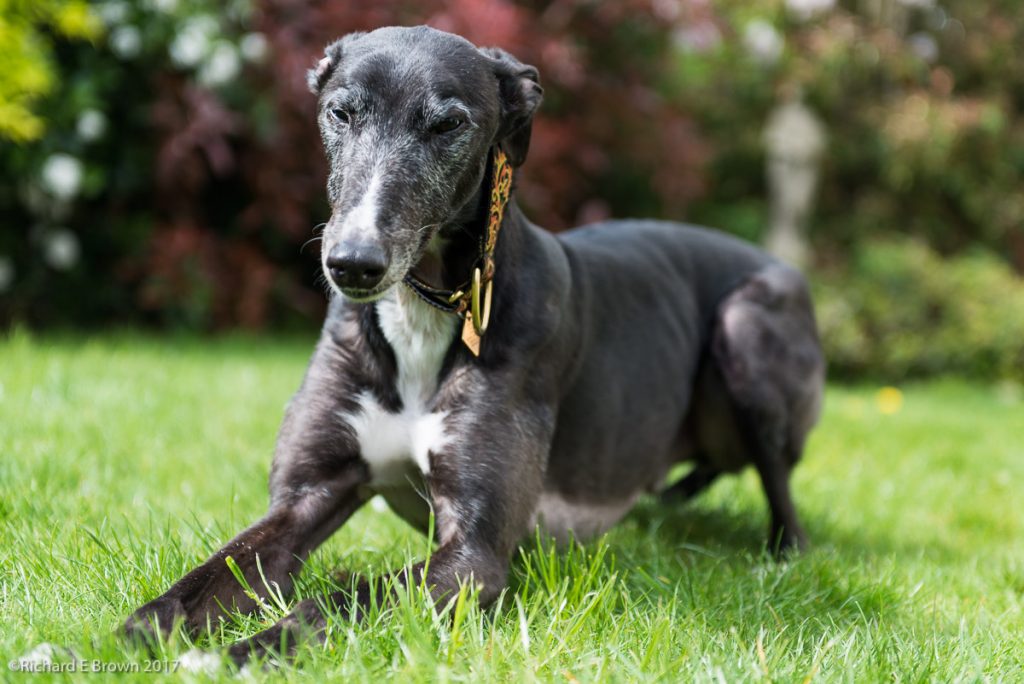
Timmy the Greyhound

I have kept, cats, dogs, birds, fish, hamsters and snakes.

Currently we have a Ted the Greyhound, two birds, and two snakes; Oz the Corn snake and Bertie the baby boa.

Of all of these reptiles are both the easiest and the hardest. The advantage of the types of reptiles I keep is that they do not need to feed, often for weeks at a time, a big bowl of water can last several days.

Some reptiles are more difficult than others, please do you research, some of my vivariums are over two hundred cm by ninety cm. Not everyone can afford the space for these sizes of vivarium, and if your keeping lizards or some large pythons you will need to dedicate a large room.

The key to keeping them is to do your research. You need to give them the room they need. You need to know the temperature they need to be kept at and whether you need to change that temperature during the day and night and by season.

Often you need to provide a high ambient temperature, a hot spot and a cold area.

Next humidity. This can be a challenge, pick your vivarium carefully, glass, plastic and wood are your options. You also need to consider your substrate. Does it need to increase humidity or decrease it. Will it cause issue with feeding, does your reptile like to borrow?

Lighting, some want heat but not light, others need a UVB source, but also want to be able to hide from the light sometimes.

Bertie the Boa, less then one year old

Lastly making the reptile feel safe; hides in the cold area and hot area is a minimum. Too much glass can make your pet feel exposed, does it need a dark area to hide in.

As I said, research is key. Choose the right pet and know your subject to give them a good life, and you can give each other years of pleasure.

Limited Coffee – oh NO!

Lock down and working from home has meant no visits to coffee shops since March.

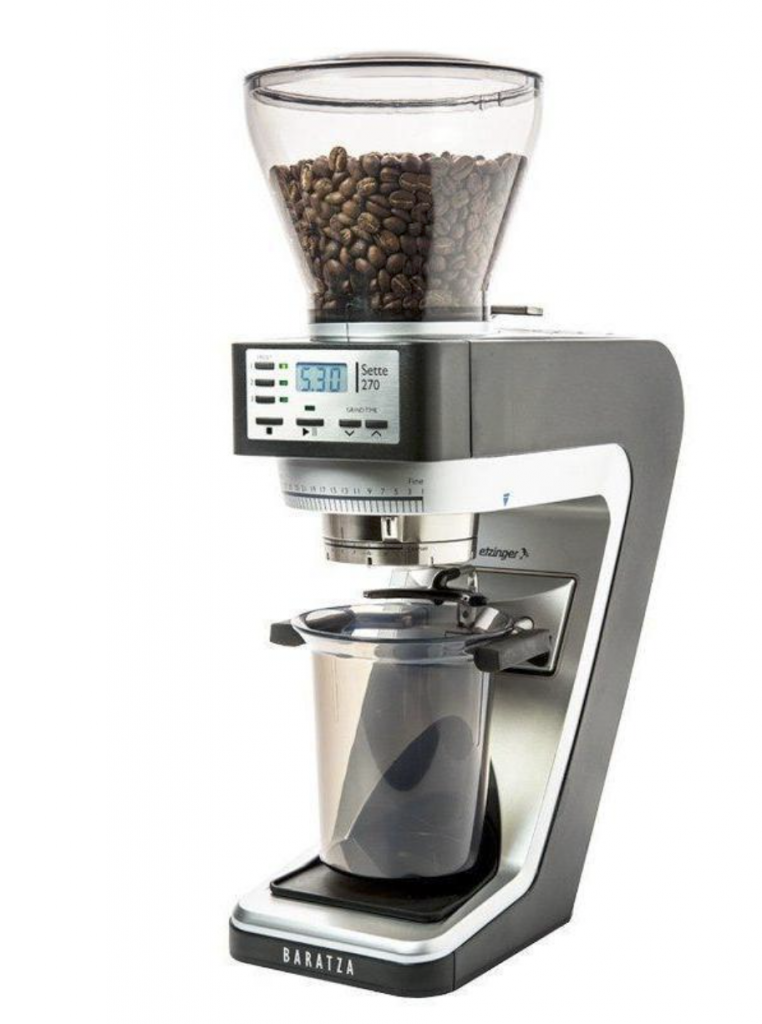
And now my coffee grinder has stopped working. To be honest my Baratza Sette 270 gets hard use. Making espresso and pour over every day. Its been a good workhorse. Luckily Baratza products have good support and they offer repair/service and upgrades at good prices.

Baratta Sette 270

So while its away I have been limiting myself to a couple of pour overs each day and a fresh press at the weekend, grinding my coffee by hand with my manual Hario grinder.

I have already had the email to say its all repaired and tested, so it will be back with me in a few days. Until then I’ll be dreaming of good espresso.

Sherwood Pines – Walkies

With lock down easing, we got an email from a friend asking us if we wanted to go on a pack walk in the woods near Sherwood Forest. So with water bottles and collapsable dog water bowl packed off we went.

Photo of the Month – June

Phone X
iPhone 4mm f/1.8
4mm, 1/17 Sec at f/1.8,  ISO40
Post Processed in Adobe Lightroom Classic

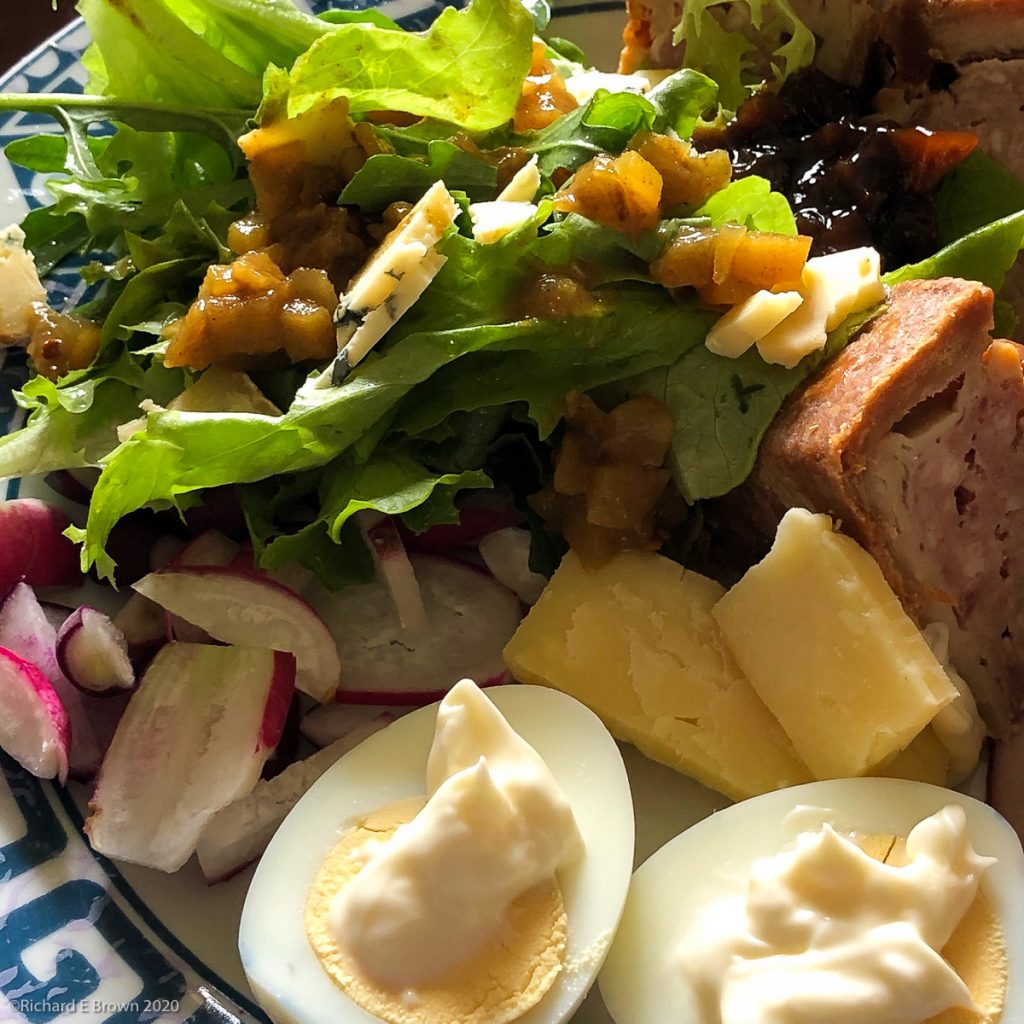
With the Covid-19 lockdown still very much in force, I have not been out this month or taken any shots. I did snap this with my iPhone, a celebration of home grown produce from our garden. Apart from the cheese and pork pie everything came from our garden, pickles from last years veg, eggs from our chickens and salad straight from the garden.

People say grown your own is the way forward. In practice its not possible to complete with the local markets and shops but being out in the garden is good for your mental health and its feels good eating things you grew and made yourself.

Having pets: loosing pets

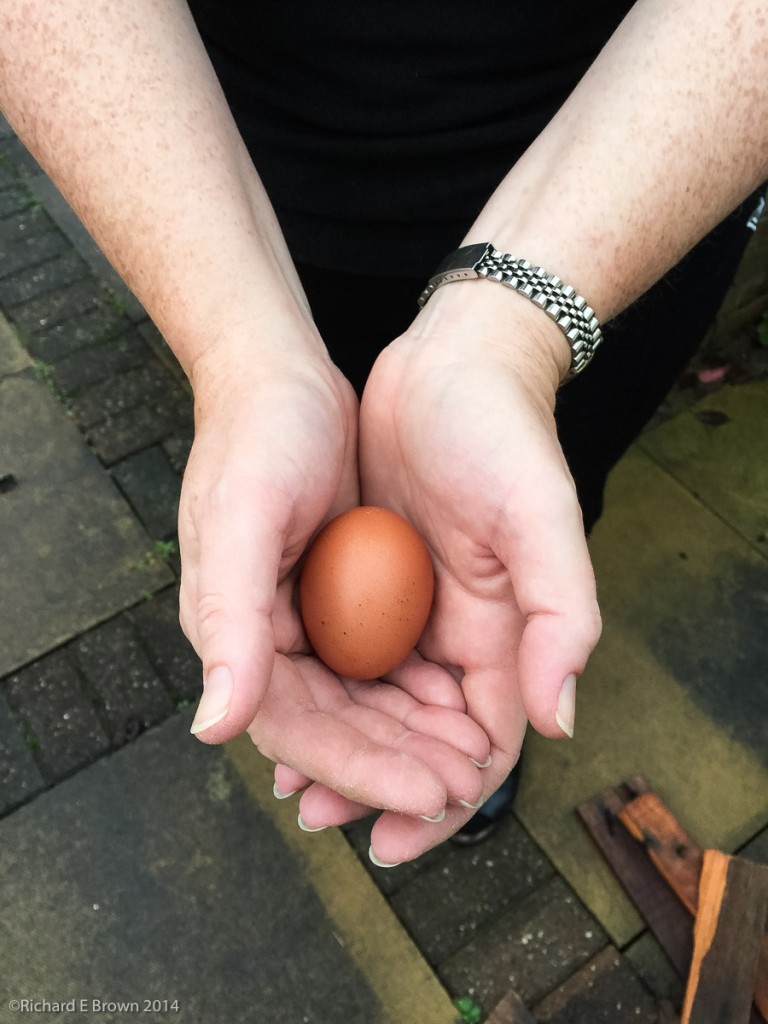
I suppose we are quite unusual, but as we live in the country we keep chickens to provide us with eggs, have hounds, snakes etc, not the usual selection of pets. All our animals are pets even the chickens which have their own unique characters.

This Friday we lost one of our girls, its always sad; we try to give are pets the best life they can and they give us far more.

Fitting new Heaters and Thermostats to Bertie the Boa’s Vivarium

Bertie the Boa, less then one year old

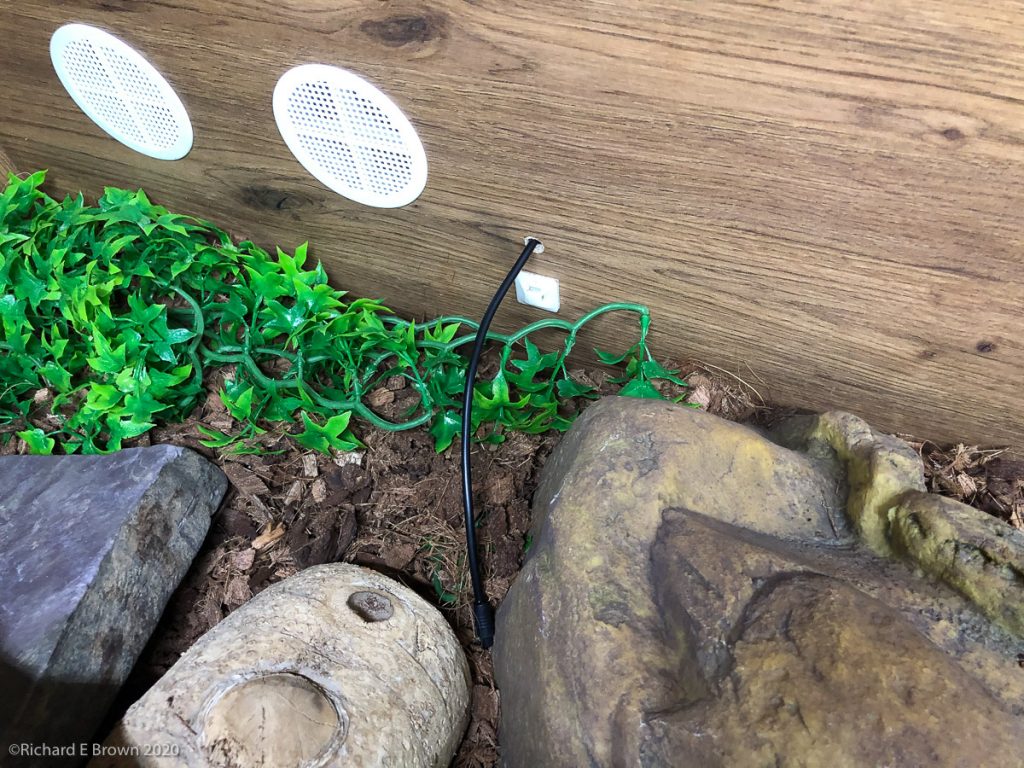
Bertie has quite a vivarium, one that I thought had enough redundancy to protect him. The substrate is a base of coarse and fine coco substrate and orchid bark giving a mix of textures and the ability to hold moisture and release it slowly without feeling wet.

On the power side, there are two independent power sockets each feeding a six way with surge protection.

There are three lighting systems, a high intensity UV that I run from midday to four in the afternoon, a daylight LED system on a timer giving eight hours in the winter and up to fourteen hours in high summer. There is also a coloured light for dusk. All these are on separate digital timers.

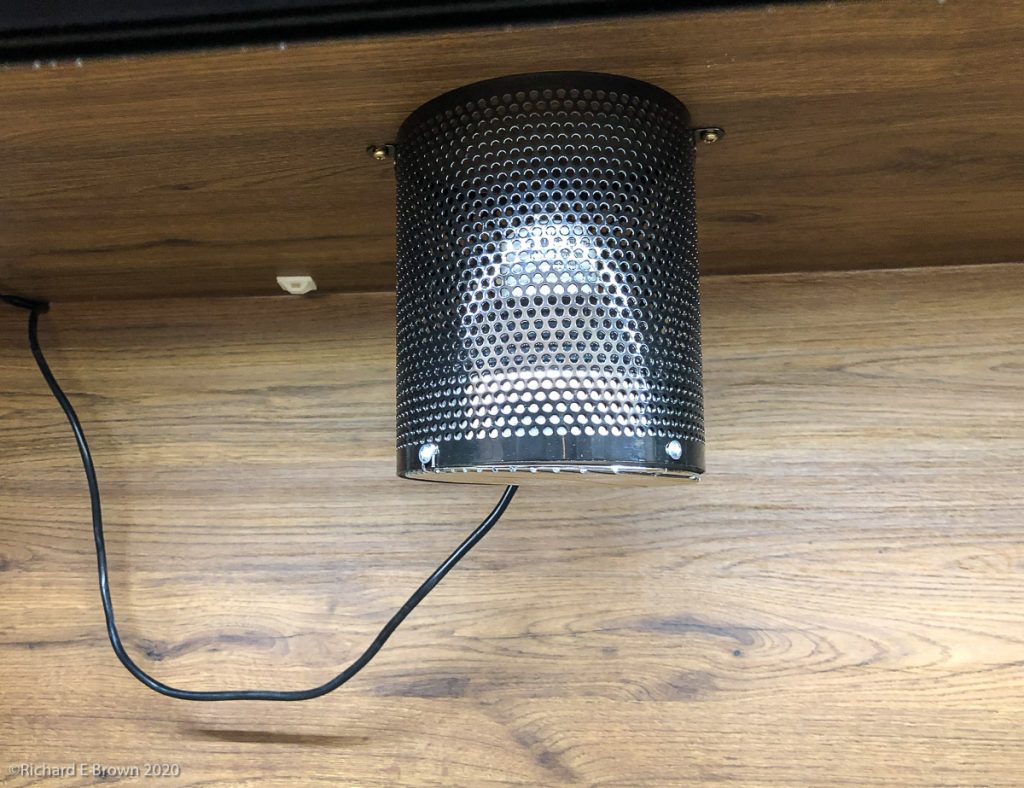
The vivarium has two 150 watt heaters, one in the middle on its own controller giving a background day temperature and a different background night temperature, plus one at the far end giving the hotspot.

The brown out earlier in the week had blown both controllers (I now know just the fuses), and one of the ceramic heaters. Despite my precautions of separate power and surge protection we had lost all the heating.

As a temporary measure I hooked up a 50 watt infra bulb and a spare controller and thermostat and set the room radiator to be permanently on instead of it timing mode. I ordered two new controllers and new heaters, and a set of fuses.

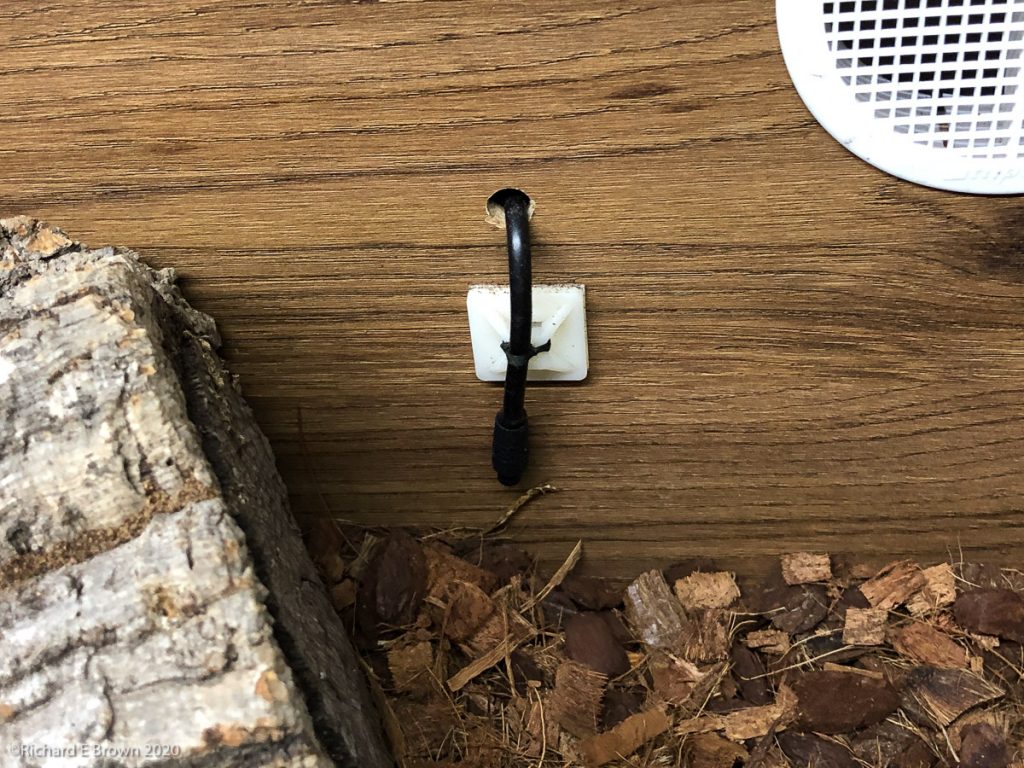
Replacing the controllers and thermostat probes was the easy part. The old controllers together with the extra heaters will act as spares.

The heating units were more of a challenge, I replaced both the ceramic holders and the ceramic heaters.

While all this was going on we removed the glass front to the vivarium so had the room radiators on high and we had the fire on. This made the room hot for us so we were working in tee shirts but Bertie was comfortable.

Temperature Data

Wild boas have been recorded active at temperatures as low as 62°F (17°C) and up to 104°F (40°C) between the hours of 7am and 7pm, although most of the data is clustered between 90°F (32°C) and 66°F (19°C). This temperature range contradicts what most keepers assert as “the best,” but proves that with correct husbandry, these animals are hardier than previously thought. Do you think that nature always stays at the perfect temperature? Of course not, and these animals are adapted to deal with the fluctuations of their region without getting sick. The key is to create a full temperature gradient so your snake can warm up and cool down as desired. The hottest areas will be closest to the heat source, and the coolest areas will be farthest from the heat source.

  • Chiaraviglio, Margarita, et al. “Intrapopulation variation in life history traits of Boa constrictor occidentalis in Argentina.” Amphibia-Reptilia 24.1 (2003): 65-74.
  • Waller, Tomas, et al. “Ecological correlates and patterns in the distribution of Neotropical boines (Serpentes: Boidae): a preliminary assessment.” Herpetological Natural History 3 (1995): 1.
  • McGinnis, Samuel M., and Robert G. Moore. “Thermoregulation in the boa constrictor Boa constrictor.” Herpetologica 25.1 (1969): 38-45.

Thanks to the ReptiFiles https://www.reptifiles.com/red-tailed-boa-care/boa-constrictor-temperatures/