Mirrorless: who is winning

I see a lot in the press and the general internet chatter that Nikon is playing catchup.

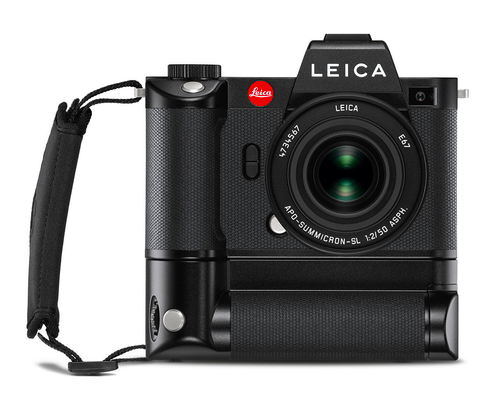
Leica SL2

So who is winning the game for full frame mirrorless autofocus bodies.

Well on specs just looking at bodies one would say Sony is leading. The highest megapixel count. They already have a large selection of lens from themselves and third parties. Out of the box the autofocus feels faster then the other manufactures.

The reality is that any camera today is good, I always rate cameras with how they feel in the hand, how quick can you change a setting, especially with the camera to the eye. This is where Nikon and Canon come to the fore. Both have excellent handling but each follows there own preferences; a Canon user will prefer the Canon and the Nikon user will prefer the Nikon.

The handling on the Panasonic is less ergonomic than the big two but still beats the Sony, but in handling terms I would give Leica the points as best in this department. Leica is simple and straightforward.

Feature wise on the bodies, actually there’s not much in it, despite what you will hear, there are all quite close and with sensors with these megapixel counts the 16 MP lead the Sony has over the Canon means very little.

So on the bodies, feature set is about even, Sony have a slight lead on the megapixel front, but in handling its Leica, Nikon and Canon at the top. Fuji and Panasonic / Olympus take the middle ground with Sony bring up the rear.

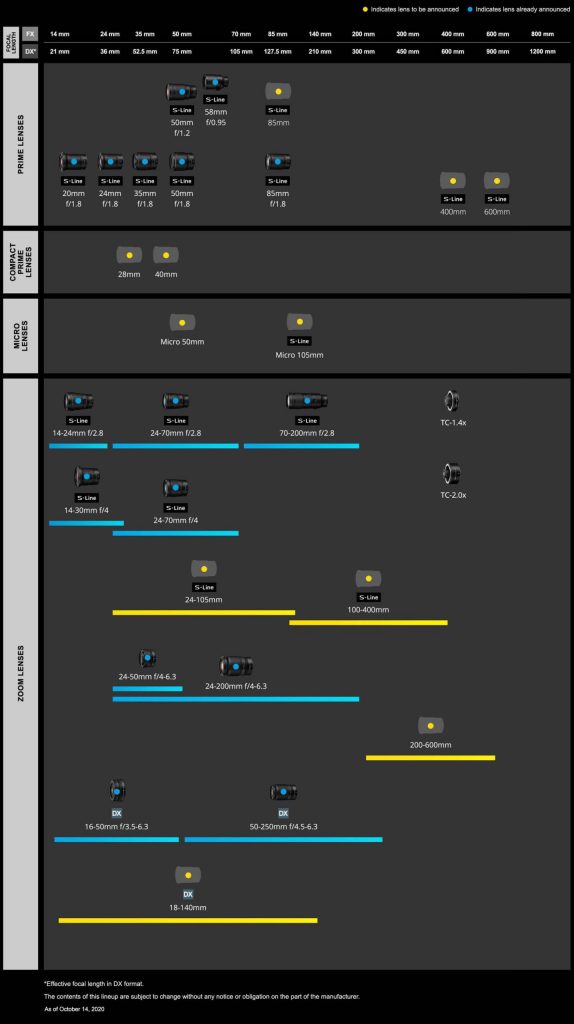
Lets now look at lens. Sony has been in the mirrorless game the longest and there are plenty of lens to pick from. If cost is not an option the Leica L mount glass is simply in another league. The native Nikon Z glass, especially the S designation is simply outstanding and comes in at a price below that of the equivalent Canon or Sony glass.

For an all round camera I would say the Nikon Z range and glass takes the win. If price is not an option and the glass is key, pick the L system glass and pair it with the Leica or Panasonic. If you need the megapixels pick the Sony and pair it with their G series glass or Zeiss glass but again that’s putting it in Leica L glass prices. In recent tests the Nikon Z glass with the S designation topped many of the Zeiss glass lens.

So who in my opinion is winning? Glass its Leica then Nikon, body performance out of the box Sony, then Canon and Nikon ignoring ergonomics, but dive into the settings and customise, its a close call between Canon and Nikon. Trying to use the cameras its Leica, with Canon and Nikon joint second. As a Nikon fan ignoring cost its Leica who is top for pure usability and image quality, but you have to weigh in the fact that third party companies like Profoto are going to support Canon and Nikon first. I’ll give Canon and Nikon a joint lead on overall system, the Sony megapixel lead and their poor ergonomics is not enough.

I see on the internet and especially YouTube’s batting against Nikon hard. Those first models that hit the press were pre-production models, but any issues are now over, as a system camera its Canon with Nikon a hair behind. Out of the box without customising a Sony will focus faster but dive into the settings and Nikon will beat it. I would say if you’re a Nikon user pick Nikon, a Canon user pick Canon. If you are not already in a system with a collection of glass, then pick Nikon, the glass is better for the cost than the others.

So for the win in overall system terms, and value for money and performance, I give Nikon the win, Canon a hair breadths behind, the Canon body may be a fraction better but the better Nikon glass at lower cost gives the win to Nikon, especial with the over heating issues Canon has had.

Leica SL2-S Announced

The new cheaper faster Leica SL2 the SL2-S

The mirrorless wars are mounting up.

If your after high res bodies, lens that are simply unmatched but with options and choice from Leica, Panasonic and the now ever growing list of L mount glass; the L Alliance is leading the way.

Now Leica give us more options, a low resolution Leica SL2 with a 24 MP sensor, optimised for speed and video with a promise of a coming firmware update to greatly up the ant in autofocus performance.

The new Photoshop and Lightroom

During lockdown I have cancelled my December photoshoots and moved the November shoots to December.

In the meantime I have been trying out a few things. First up, testing my tethering, for which I have purchased a new cable. Secondly testing out a few ideas about colour temperature.

Lastly Adobe have released new version of Photoshop and Lightroom. The shot above was taken earlier in the year, but I have heavily edited it and played around with the new colour grading software.

Its a bit over the top but was a fun quick edit and has taught me quite a lot about the new functionality in these two produces.

COVID-19 Lock Down – its been a while

Leica M10, 50mm Summilux-M – Highstreet chores

I was organising a few old photographs from the beginning of this year and noticed that I have not take any street photography shots since March.

One of the reasons I like using my Leica is the challenge, focusing and composing the shot, getting the metering right with the old fashioned centre weighted meter; in fact my M4 has no meter, only my M8 and M10.

I am going to be seriously out of practice.

Leica Q Monochrom

The Leica M Monochrom was an amazing camera, and since then has gone from strength to strength.

Its an over priced, mad idea that should not sell but hard core black and white photographers love them.

This week saw the release of the Leica Q Monochrom. Once again its a thing of beauty, over priced and just not necessary but oh so desirable.

Testing Ideas – Colour Temperature

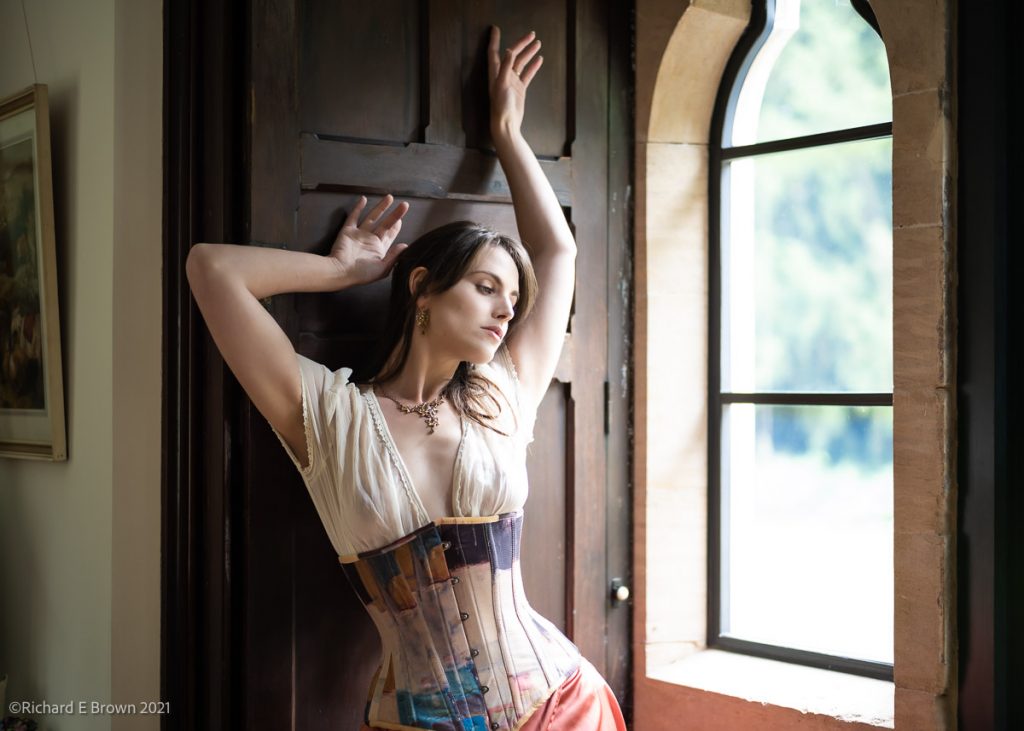
Occasionally I’ll have an idea but it needs a bit of work, extra equipment or its a technique I have not used much, so I need to run some tests. The above shot is one such test with the lovely Sharon, a local model. Here we are mixing light sources, but trying to make it look like natural daylight through a window out of shot.

My new idea is about a model in the woods but involves complex lighting and modifying the colour temperature. The shot above and below is part of a test sequence I did to work on the concept. Above is a straight flash shot of our dining room which has been taken over by my wife while she finishes up her latest sewing project.

This time the flash has been heavily filtered. I then adjusted the colour temperature in camera to compensate.

The basics are there now, next I’ll be introducing another light again at a different colour temperature but this will be when I introduce a model to the test. This will be mixing flashing at different colour temperatures and daylight. I hope it will give a unique look but the models face with bit lit correctly.

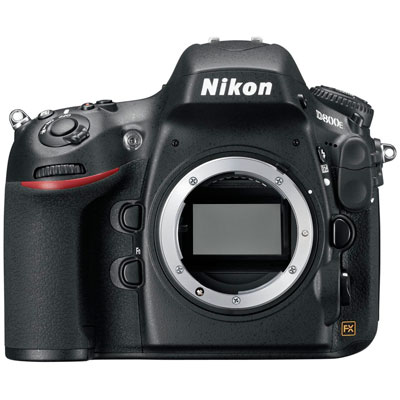
Nikon D800, Nikkor 105mm

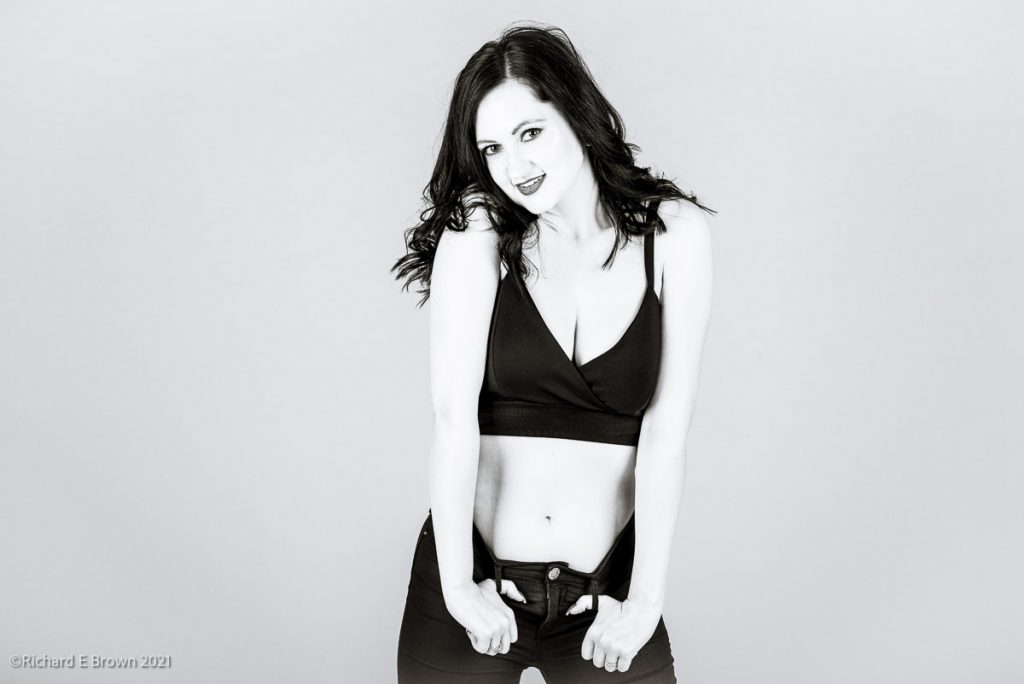
Above is a shot where I used blue gels on the background and on the hair light to enhance the slight blue dye in the models hair.

Messing with colour is fun and I have several ideas I am working on mixing colour and colour temperature.

Studio Backgrounds

Nikon D800, Nikkor 105mm

This week I ordered a new studio background, paper is relatively cheap but the larger muslin/curtain style are more expensive. I see people on forums often asking what colour to buy.

The lovely blue curtain background you can see in the above picture is not a blue but a light grey mottled muslin background from India. It was taken at my local Worksop Studio, I feel one of the best in the country. I used a cheap old flash head, fitted with barn doors and a blue filter.

If you are interested in my opinion buy a white, grey and black, those with a set of coloured filters will do most jobs.

Back in the Studio with Social Distancing over the last couple of months

Jasmine in Red

Before COVID-19 my last shoot was in February with the lovely Helen at https://www.twowei.co.uk

Helen in late evening window light

Helen was my kind test subject while I tested out this new fantastic location and I also got to use Pixapro / Godox flash for the first time.

I worry about cheap flash, working flash hard I managed to get a cheap studio flash head to burst into flames, but the Pixapro worked well. Many people consider Pixapro / Godox disposable flash. As its relatively, so cheap you can just buy again. They are slowly getting their customer service together, at least in Europe and the products are getting better and better.

I own a Elinchrom Quadra portable system and I have used Bowens, and I intending testing Profoto soon. Buying flash is a long term thing, while many people replace cameras with every new model, people tend to keep flash heads for twenty years plus. One thing to consider is as technology changes colour temperature of flash heads can also change. So mixing flash heads between generations and between manufacturers can cause issue with colour management.

So with COVID-19 and the summer lockdown in the UK that February shoot was my last. Now over the last couple of months things have opened up a little and I got back into the studio

September I hit the studio with full social distancing in force and I photographed the lovely Jasmine. It was 2006 when I last shot with Jasmine, after which she retired to have children. Now that the children are older she is back and as wonderful as ever.

October saw me experimenting with the light a lot more, fewer great pics but I learnt a lot by pushing the limits. Plus while my assistant changed backgrounds I took a few snaps while Nicola was resting between sets.

While I finish my edits of my October shoots, I had booked my November shoots and I was planning for December. I was concerned that with rising rates of infection we would be under more restrictions again but I needed to organise. Just waiting for COVID-19 to be over is not an option.

This weekend the UK government announced another four week lockdown. So planning for December has now been pushed back, and I have been contacting the models booked for November to try and re-arrange for December.