Students

Students crossing – Leica M8 50mm Summilux

Lincoln is now a very metropolitan city, the rural nature of the county and the crops needing seasonal cheap labour has brought many eastern europeans into the city with their families.

The university as well as bringing in young people from across the UK also brings in a lot of young European students and even students from China.

It certainly opens up the photographic opportunities, and has also improved the food thats available in the city.

Film Friday – Urban Landscapes

Its been a while since we had a film Friday so here is one I took many years ago.  It was either a Canon A1, AT or Nikon FM2 with 50mm lens. The film was Ilford HP5 Plus and its part of a series I did on urban landscapes back in the early nineties when a lot of the old Lincoln industrial factories were still around.

Now most have been knocked down and are shopping centres to housing estates.  In the fleeting world we now live even some of those shopping centres have since been redeveloped again.

Leica Rumours – a new TL

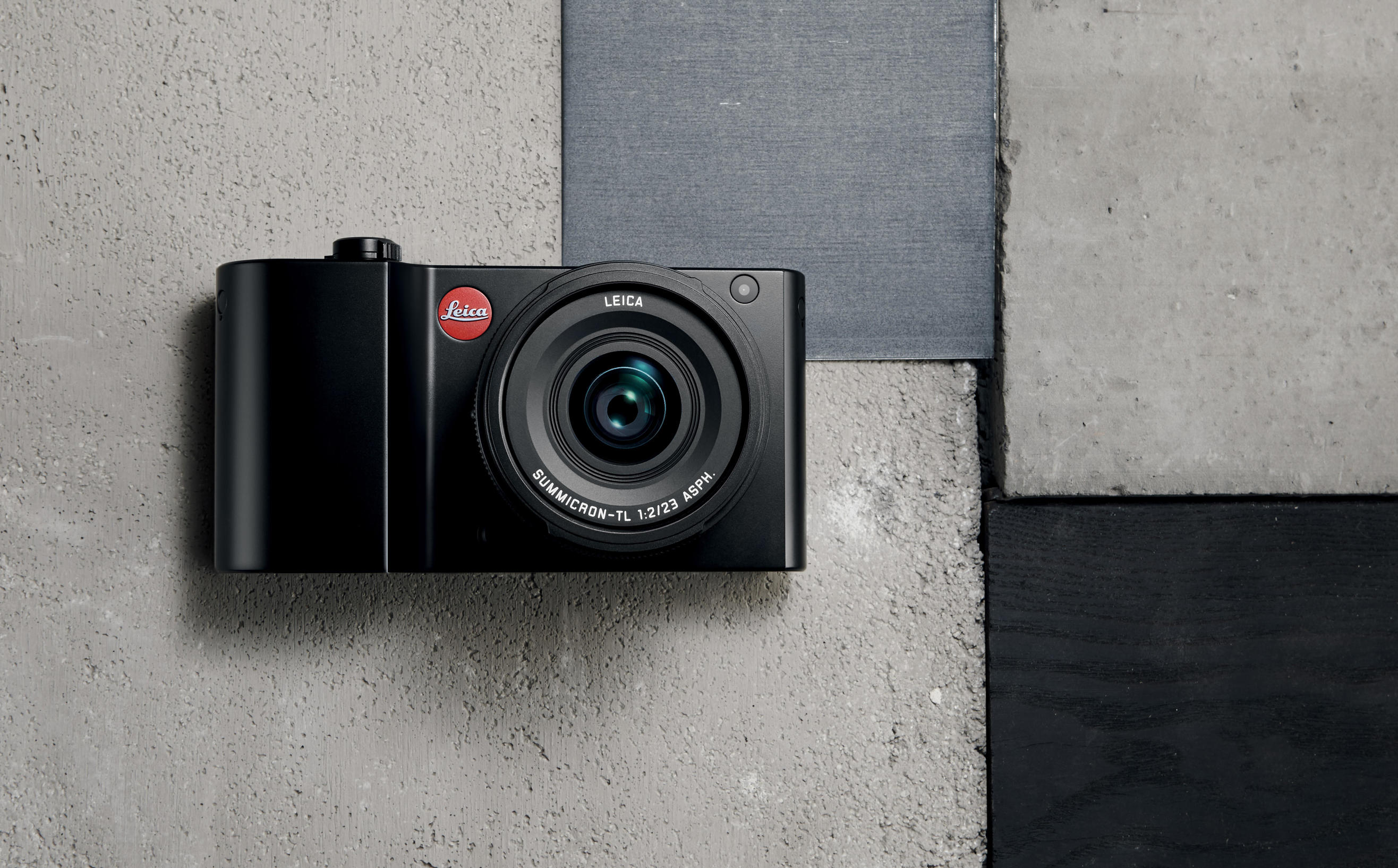
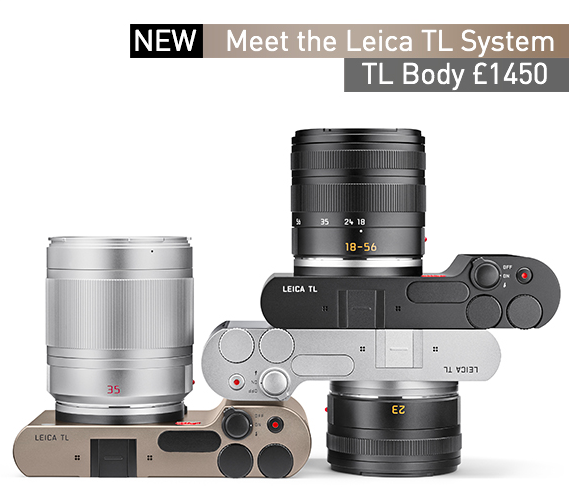
The Leica T had a refresh recently, now called the TL but we are still hearing rumours of a new TL code 5370 coming in the next few months.  Details are few but the thing that people are saying is while small it will be slightly larger then the current TL and have 24 MP resolution.

If they can release a new TL with EVF about the size of the Leica Q and drop the price of the current TL that would be a good move, but we could all be wrong and this new camera could be the Leica X replacement.

Arca Swiss Plates

If you shoot a lot on tripods then you should be familiar with Arca Swiss plates.

Traditionally cameras have a screw hole in the base which you attach either a quick release plate or direct to the tripod.  Most connections are quite poor.  You can buy tripod heads that have the Arca Swiss and dedicated plates to connect to your camera.

This gives a secure connection and quick release ability.  I have Arca Swiss feet on my 70-200mm f/2.8 zoom and my 300mm f/2.8 and an Area Swiss plate on the bottom of my Nikon D200, D800, my Hasselblad medium format camera and my Ebony large format cameras.

Really Right Stuff do a range of Arca Swiss compatible tripod heads, and plates, and now I see they do a replacement bottom place for the Leica M.  So if your a Landscape shooter who uses the Leica M system for portability  this should be on your list of things to look at.

Bigger Formats – What do you get

With all the current interest in Medium Format, driven from the two new ‘budget’, ‘small’, and ‘light’ mirrorless bodies from Hasselblad and Fuji, there have been a few articles arguing the pros and cons for the smaller formats and the larger.

In my opinion a lot of the articles written can be put straight into the bin. There are mostly people justifying their own choices.

The biggest reason to pick a format is for its look.  MicroFourThirds, 35mm Full Frame, Medium Format etc, all have a different look, portray tonally differently, and the biggest is depth of field.  The problem with theses differences like look and depth of field; is that some people say one is better and others say the other is better.  This is wrong.  They are different and depending on the look you are after one may suit better then the other.

Get the Light Close – edit completed

Why would a professional choose medium format over the rest considering the high cost.  Well 100 megapixels are available, 200 megapixels with pixel shift.  That makes the camera incredibly flexible for cropping in post production.  Dynamic range in challenging light, the DR is far higher then other format, also colour bit depth is far higher then any other format; the files are also very robust, you can edit, and edit, and edit again.  The files are hard to break.  Basically it gives you lots and lots of options in post production, your not limited and do not have to go back and reshoot.

So the big things people quote are noise, resolution, depth of field and dynamic range.

First we assume that technology is level.  Not a true assumption as the smaller formats do tend to advance faster then the larger formats.

Small Format – Postive

  • Lots of Depth of Field
  • Smaller lighter glass
  • Higher resolution proportionally to sensor size
  • Low Noise *1 (true but not in theory)

Small Format – Negative

  • Little selective Depth of Field
  • Smaller lens have to be built to higher tolerances
  • Diffraction effects when stopped down
  • Poor Colour Depth and Dynamic Range
  • Low resolution

Larger Format – Postive

  • Highly selective Depth of Field
  • Lens can be built to lower tolerances and give better results
  • Little diffraction effects when stopped down
  • Maximum Colour Depth and Dynamic Range
  • High Resolution
  • More robust RAW files that can be pushed harder.

Larger Format – Negative

  • Size and Weight
  • High Cost
  • Generally behind in Technology
  • Slow performance

Now many of these pros and cons can be offset with technology.  Bracketing and HDR, Pixel shifting, stitching images, focus bracketing.  With regard to note *1, in theory the larger the sensor the better noise this this should be an advantage to large format, but I have put this down to small format.  In general 35mm full frame has the best noise results but this is because the technology is moving faster then for the other formats.  In theory the bigger the sensor the less noise if the pixel density is kept the same and the technology is at the same point, in actual reality 35mm full frame wins the noise war, with medium format next and micro four thirds at the bottom but still good enough for the majority of people.

Of course there is also the major disadvantage of larger formats and the is performance in getting the image.  Try getting a picture of a young child at a birthday party with a medium format camera.  I know many photographers in that instance would want to reach for a Pro Nikon/Canon DSLR in order to try and keep up!


What format for digital Studio and Landscape Photography

For studio work I tend to use my Hasselblad or my Nikon for professional work and sometimes by little Leica M for fun.

For a while now I have been looking at new backs for my Hasselblad but for 50 megapixels you can buy one of the new Fuji or Hasselblad for the same price.  Being a Hasselblad and Leica user already I would prefer to either use Hasselblad or switch to the Leica S, but recently I have been wondering do I need medium format?

Yes there is a certain look you get with the larger sensors and lens but at the NEC Gavin Hoey and a few other Olympus ambassadors showed that whether shooting assignments, wildlife or stunning landscapes, if you get it right in camera micro four thirds can deliver the goods. 

One Inch sensor – Nikon V1

MicroFourThirds – Olympus OM E-10

Leica M8 sample – Boudoir
Cropped sensor Leica M8

35mm Full Frame

Film Scans in LR4
Hasselblad 6 cm x 6 cm

Ebony 45s, Fuji Provia 100, Nikkor 150mm f/5.6, f/36 1/8 second
4 x 5 inches Large format

As you can see, certainly on the web and even at A3 print size there is not much between any of these, and how often do you need to print bigger?

Looking at the images on the web you cannot see much difference. I suspect if you mainly use the web and services like Flicker and do not print above A3, go for the format/camera and budget you prefer and ignore the forums and ‘experts’. 

I’ll post more on the pros and cons of small (35mm and smaller) verses larger (above 35mm) tomorrow. 


Introducing a new system and the lack of lens

Its tough introducing a new camera system.  Ask Canon when they released the EOS mount, Fuji with the X mount etc.

Mirrorless with its short flange distance gives many advantages when introducing a new system.  Thus when MicroFourThirds came about adapters enabled lots of existing lens to be used while Olympus and Panasonic built out the range.

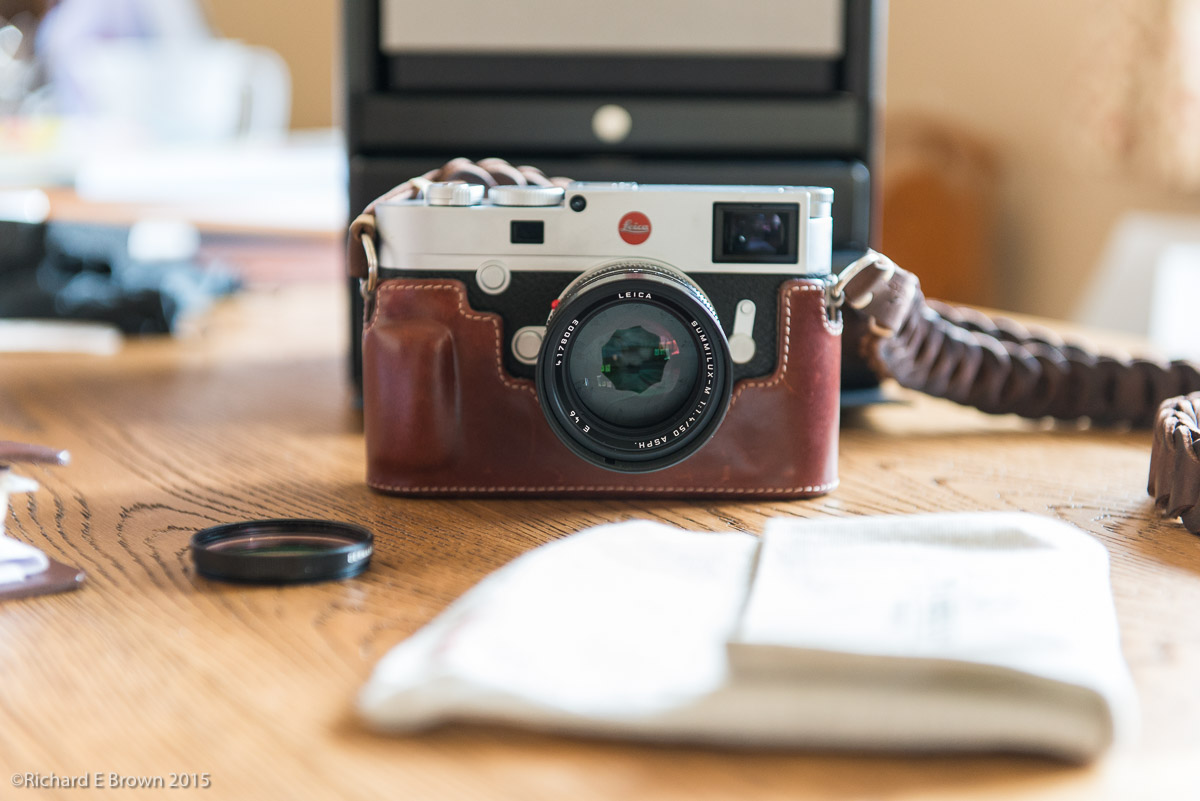
Leica, since they released the 35mm full frame SL have had a similar problem when introducing a new system, compounded by the fact that it is full frame thus most of the current crop of mirrorless lens are not suitable unless you want a crop.

We now have two zooms with the ranges 24-90mm and 90-280mm, and a 50mm Summilux prime.  This year they intend to round out line-up with a 16-35mm zoom and three new smaller primes of 35mm, 75mm and 90mm.

Of course until then you can always use your M glass.

Zone Focus with the 50mm Summilux

Autofocus brings many advantages, but when you are trying to get a quick grab shot, its just point and shoot and its matter of luck if the autofocus manages to focus on the correct subject.

With a 35mm lens on full frame,  zone focus is relatively straight forward, but I am finding it much more challenging with the 50mm.  For the above shot, I prefocussed on a point on the pavement and when my subject reached that point I fired the shutter.

Zone focusing is something I am getting better at but I definitely need more practice.