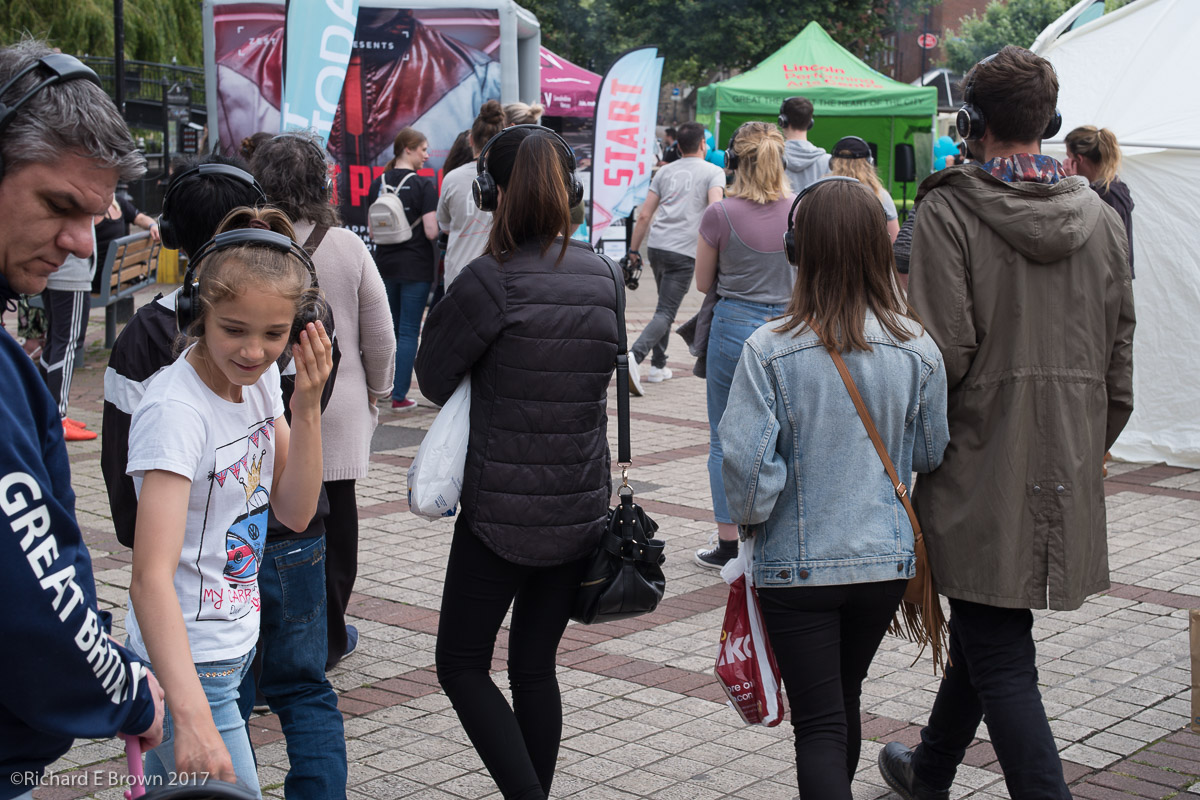
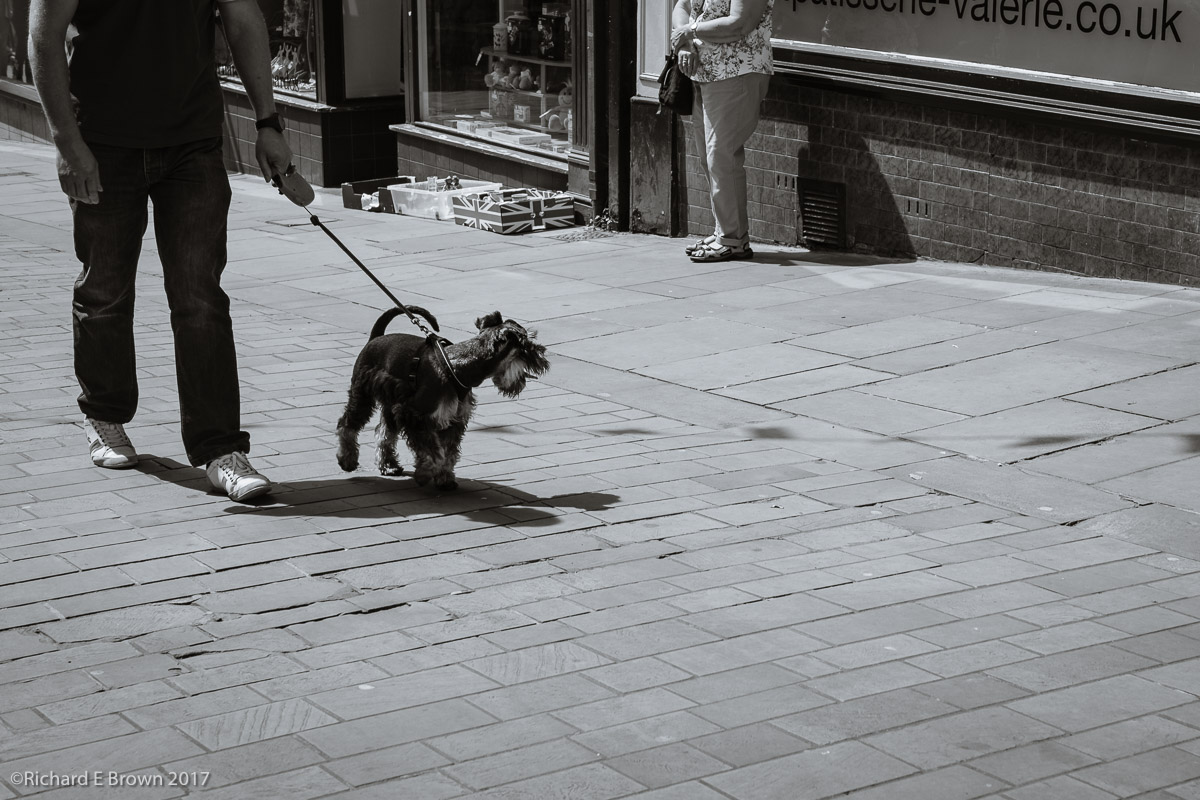
Back at work on Thursday, well at least for half of the day. Meetings in the morning, quick walk into town to take a few snapshots and add to my dog days project, then back to home to finish up some work in peace.
Leica have released v3.0 firmware for the Leica SL. There are quite a list of improvements, and I have listed the key ones below, but one of the more interesting ones I have not listed is that the electronic shutter is now available at all of the main shutter speeds.
An option for saving DNG and JPEG files separately on different memory cards (e.g. DNG to SD1 and JPEG to SD2).
A new video mode: Ultra HD at a frame rate of 24 frames per second (3840×2160 @ 24 fps).
Optimized “Flash” white balance pre-set, for use with studio flash systems.
Continuous exposure preview in LiveView when using manual exposure mode.
The last magnification location of the playback zoom function is now saved to enable easier and faster checking of critical focus.
Aperture and shutter speed settings can now be assigned to either the front or the rear dials.
In AF Tracking mode, the AF point can now be assigned either to a fixed starting position or will vary depending on the last used AF point location.
Option for 6x magnification with one press of the AE/AF button while in Manual Focus mode.
Direct on-the-fly control of audio recording levels is now possible by toggling the joystick left or right on the live histogram screen.
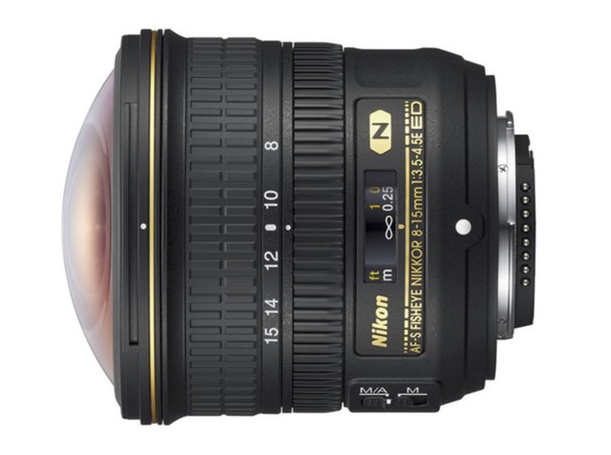
Three new Nikkor lens have been announced, the surprise for me was the DX cropped format 10-20mm f/4.5-5.6. As well as that there was a full frame fisheye zoom and it was nice to see a new 28mm wide angle but with the electronic shutter.
Leica M10
Leica Summilux-M 50mm f/1.4 ASPH 6-Bit
50mm, 1/180 Sec at f/5.6, ISO100
Post Processed in Adobe Lightroom CC2015.8
On a Mac Pro, OS-X 10.12.5
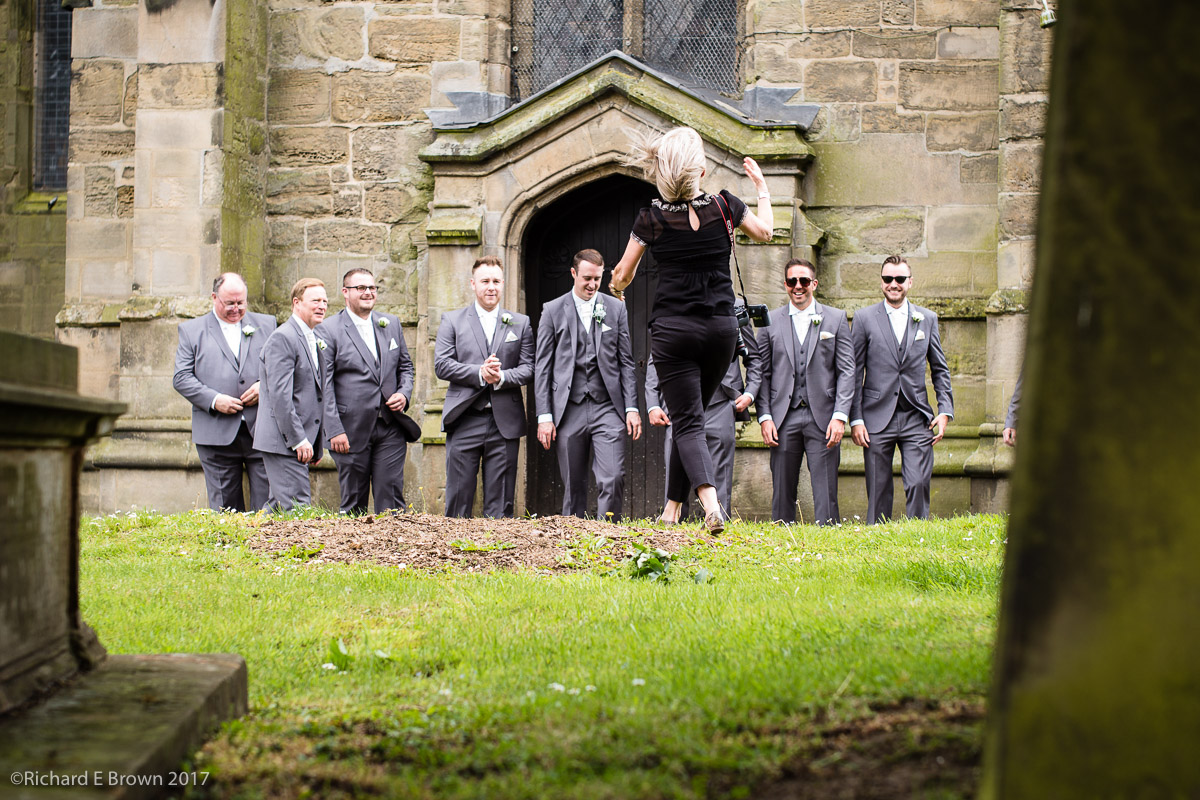
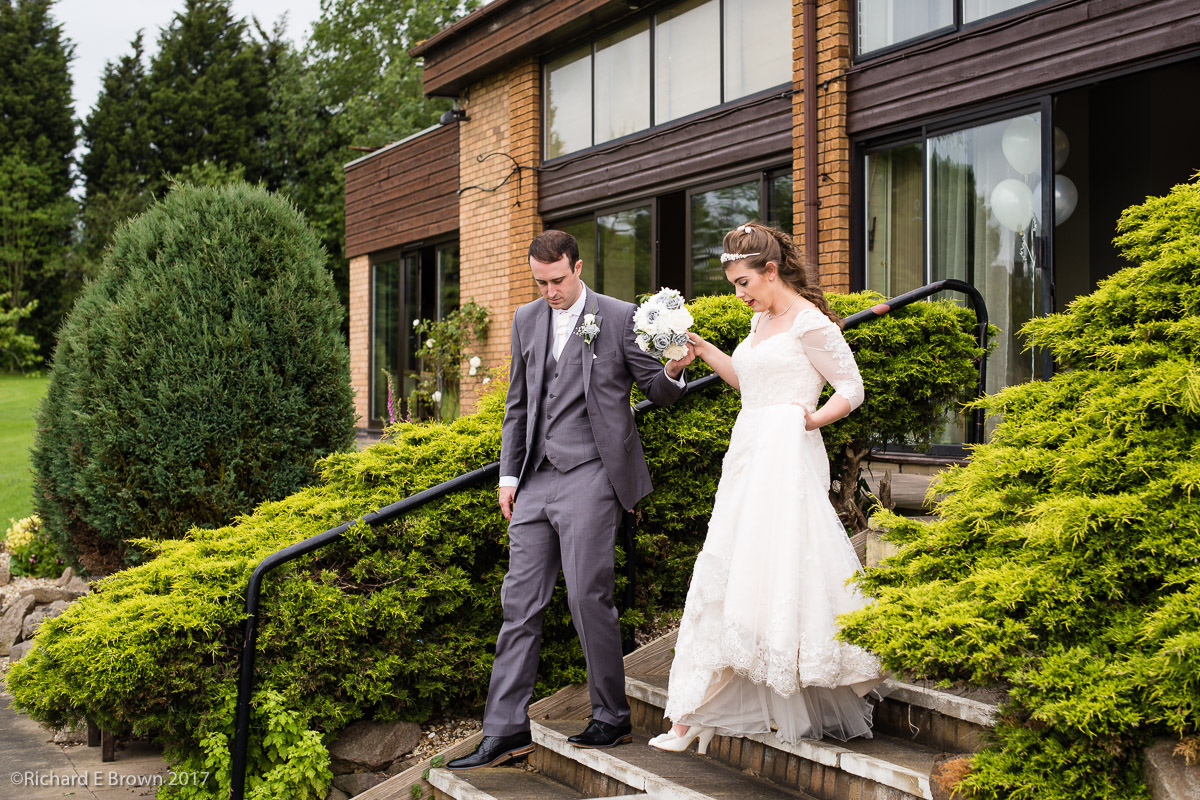
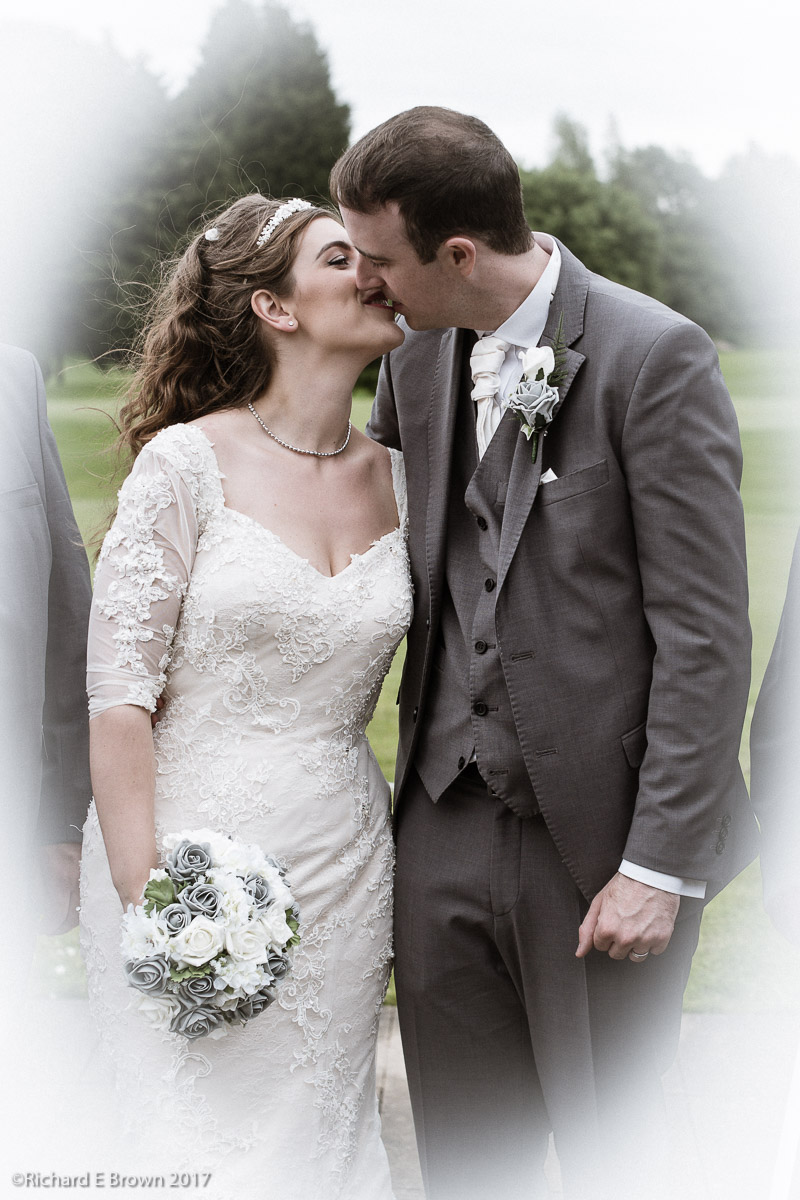
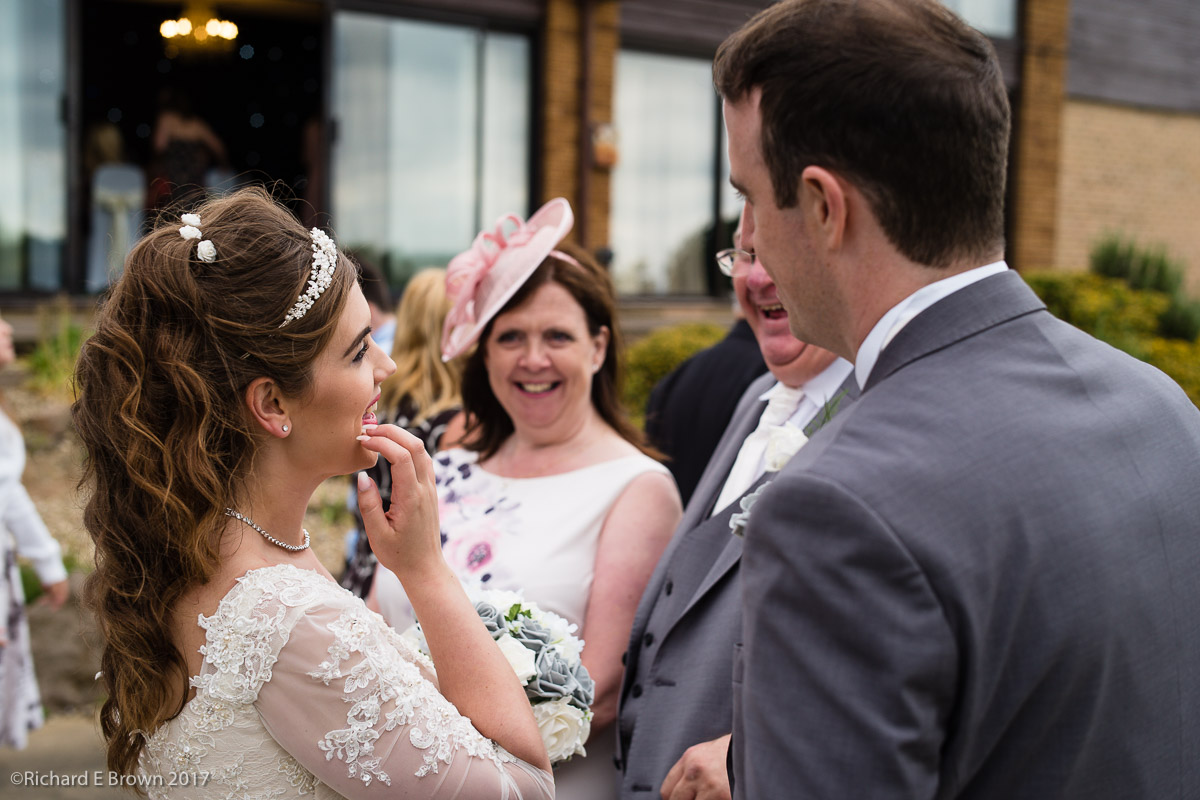
Our nephew Thomas got married this weekend. I as a guest could enjoy myself instead over having to work like I normally do for weddings.
For wedding photography I usually go to my Nikon D800’s. In recent years I have never seen a wedding photographer use anything else but Canon 1D’s or 5D’s, Nikon D3’s or Nikon D800’s. Over half of all wedding photographers use Canon 5D’s and there is a good reason for that.
As a guest I could not resist taking a few snaps with my Leica M10. Background reportage shots is what the Leica is built for. Its a brave photographer who would use a Leica M for professional wedding photographer but I know of a few who do.
Thanks to Tom and Gemma for a wonderful day and we wish you the very best.
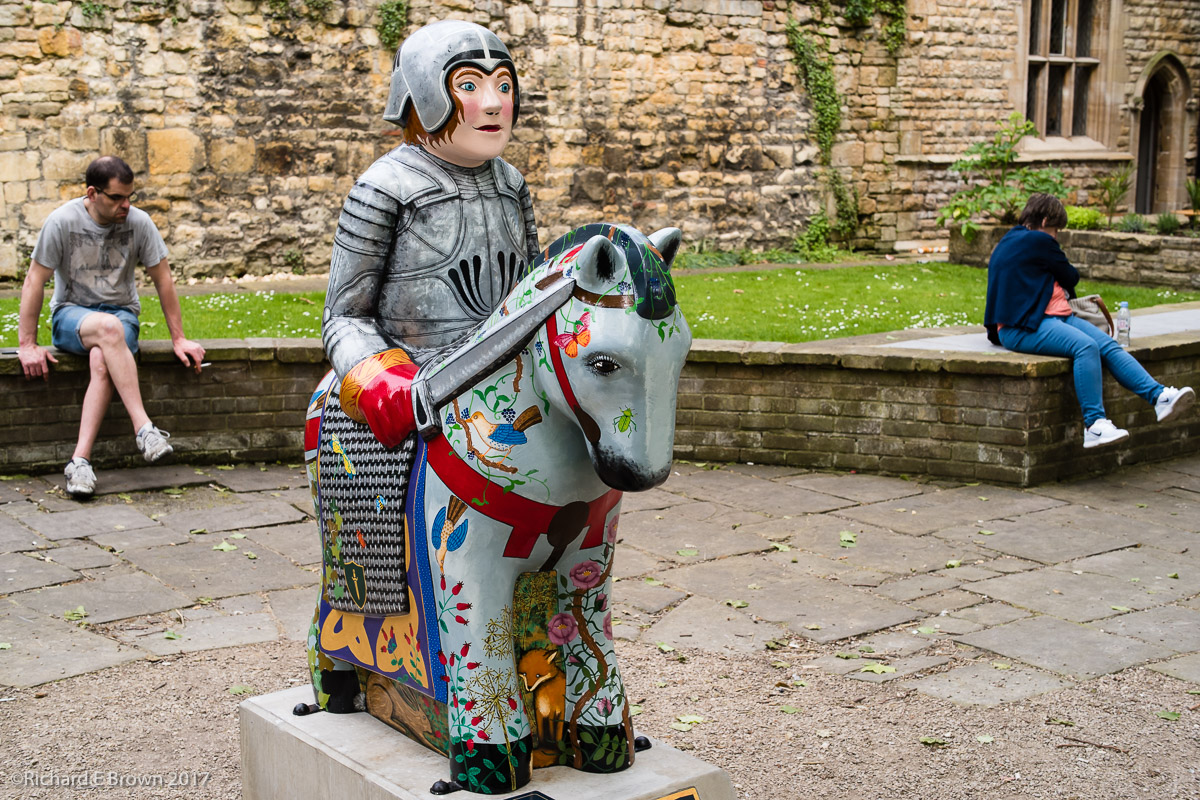
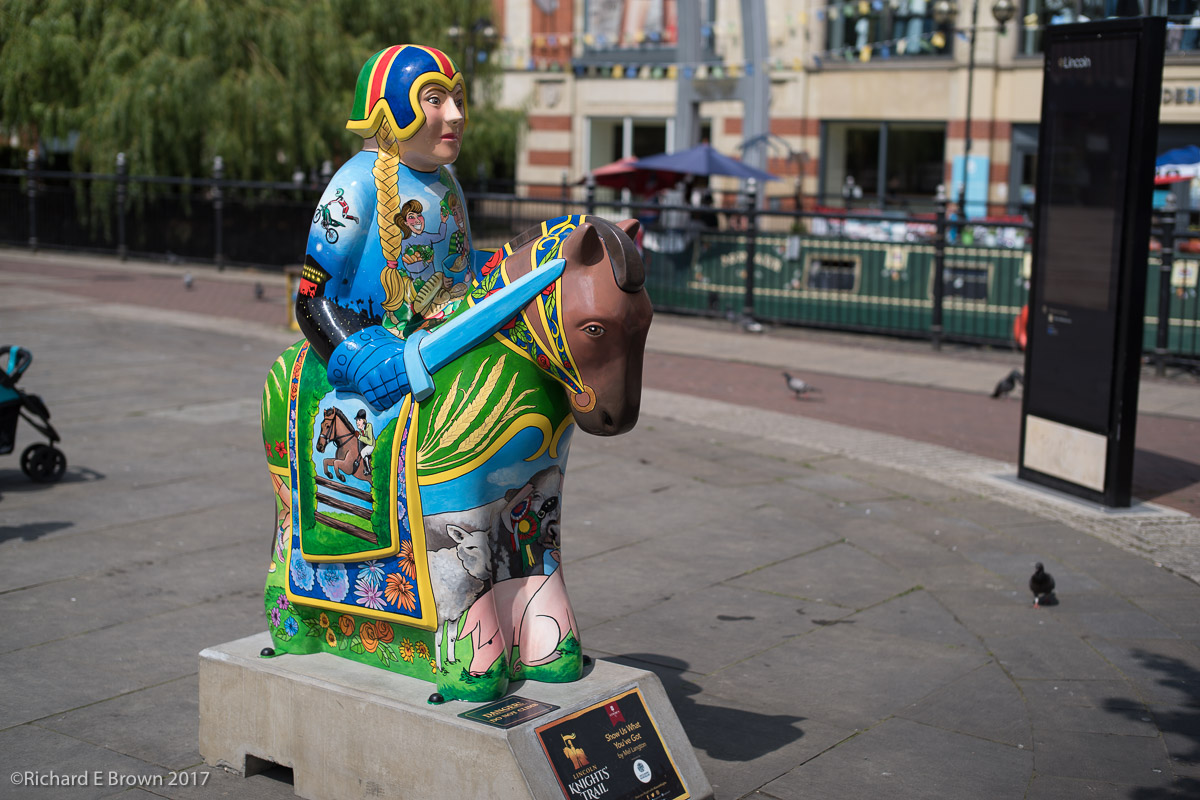
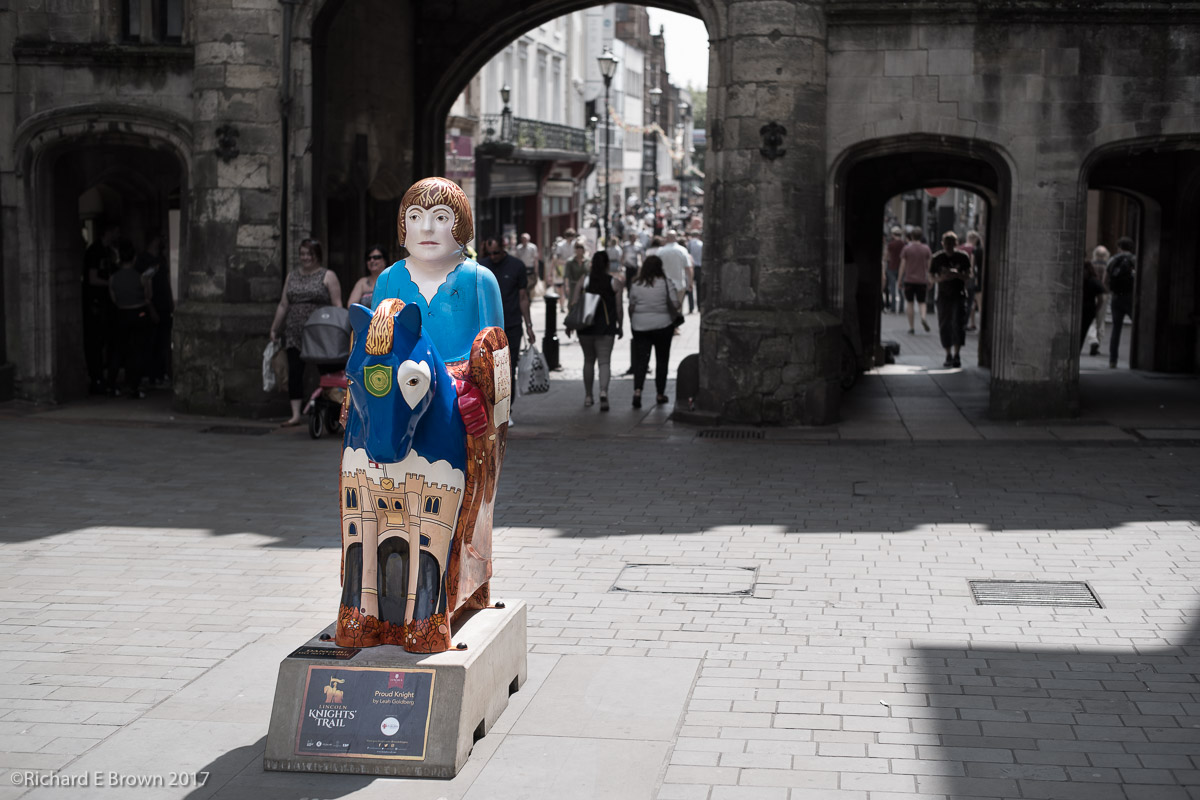
A couple of years ago Lincoln had the idea of ‘The Barron’s trail’. An exploration for tourists around Lincoln to find the painted Barrons.
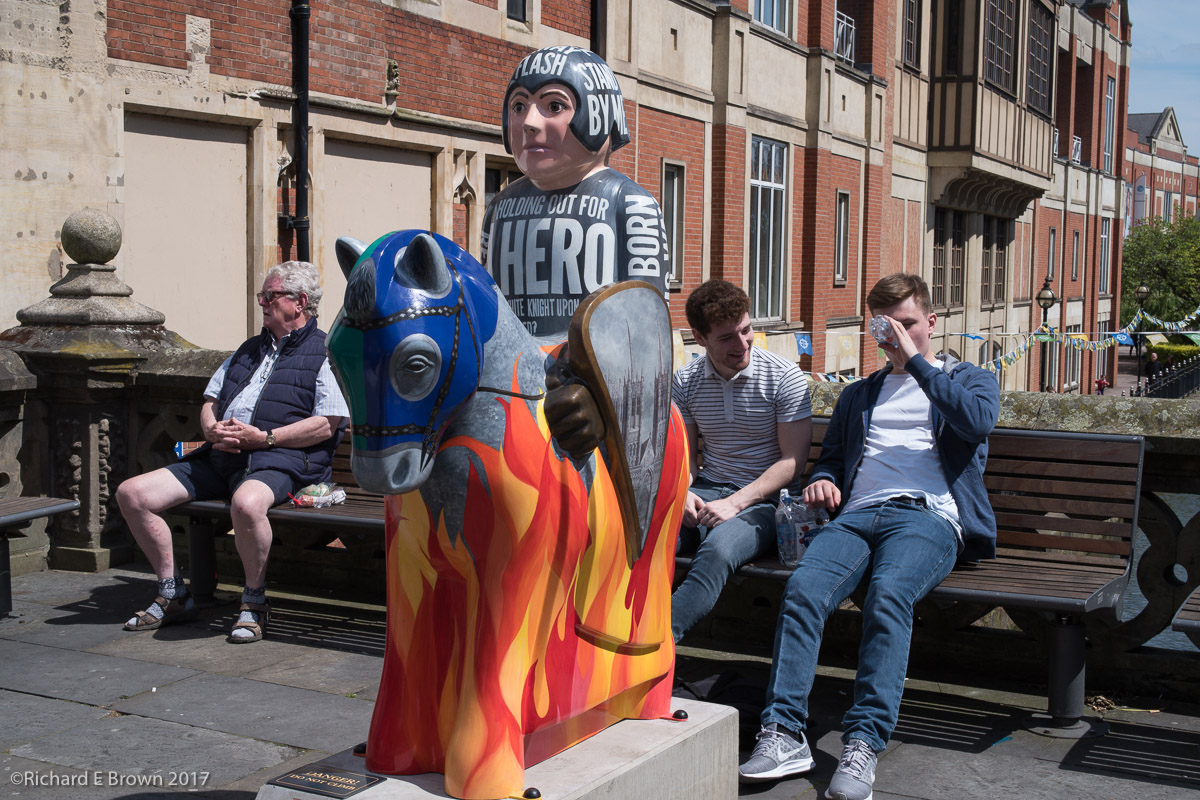
This year we are having the Knights trail, where you can wonder around Lincoln finding the painted themed Knights. Linked to this, this weekend is the celebration of the Battle of Lincoln. A key date in British history.
A quite evening, so I grabbed the Leica M10 fitted with a Summilux 50mm and went for an evening walk with Timmy the Greyhound taking snapshot. I know shooting at a wide aperture is getting a bit common now a days but it does suit the Summilux.
Over the last couple of years I have been considering a portrait lens for my Leica.
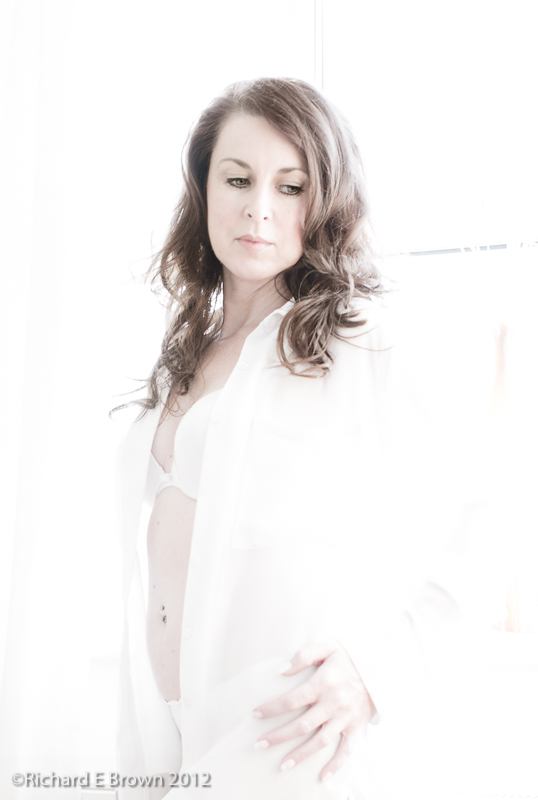
The top shot was a 35mm lens on a 1.3x crop Leica M8 so really close to 50mm. For full length or cropped above the knee; 50mm is a good choice. Below is a shot of Bonnie with my M10 and a 50mm Summilux, if you compare it with the top shot you can see its very similar and gives a pleasing perspective.
For head shots and close face crops, a 50mm distorts the face a little so a longer length is preferred.
I have portrait lens for my SLR and medium format gear but not for my Leica. Leica currently make two lens you would consider portrait lens. A 75mm and a 90mm.
I am torn between wanting the longer length of the 90mm and wanting the speed and easy of focus of the 75mm.
I’ll have do some testing with my SLR and zoom to get a feel of the two lengths and see what I prefer.