The problem with more megapixels – Glass

Water NymphNot many of us have a cupboard of Leica M glass, priced anywhere between £2000-£5000.  If we did then the megapixel race would be one to be welcomed.

With 6 megapixels giving a quality A4 print, and few printing larger, its difficult argue against that the current crop of 16 MP cameras are more then enough for most people.

But some of use cannot resist going higher.  I have already commented on camera technique and heavy tripod to get the best of high megapixel cameras but you really do need to consider the glass.

When the Nikon D800 was released Nikon took the brave move of releasing a list of recommended lens, its a short list and if you don’t own a few of these then maybe a D800/D810 should be off your list until you have some.

There are some fantastic high megapixel cameras out there now but remember unless you have the glass to match and the willingness to use the technique to get the best out of your camera then your high megapixel camera is just going to show up the imperfections in your lens and your technique.

  • AF-S NIKKOR 14-24mm f/2.8G ED
  • AF-S NIKKOR 24-70mm f/2.8G ED
  • AF-S NIKKOR 70-200mm f/2.8G ED VR II
  • AF-S NIKKOR 70-200mm f/4G ED VR
  • AF-S NIKKOR 16-35mm f/4G ED VR
  • AF-S NIKKOR 24-85mm f/3.5-4.5G ED VR
  • AF-S NIKKOR 24-120mm f/4G ED VR
  • AF-S NIKKOR 200-400mm f/4G ED VR II
  • AF-S NIKKOR 24mm f/1.4G ED
  • AF-S NIKKOR 28mm f/1.8G
  • AF-S NIKKOR 35mm f/1.4G
  • AF-S NIKKOR 85mm f/1.4G
  • AF-S NIKKOR 85mm f/1.8G
  • AF-S NIKKOR 200mm f/2G ED VR II
  • AF-S NIKKOR 300mm f/2.8G ED VR II
  • AF-S NIKKOR 400mm f/2.8G ED VR
  • AF-S NIKKOR 500mm f/4G ED VR
  • AF-S NIKKOR 600mm f/4G ED VR
  • AF-S Micro NIKKOR 60mm f/2.8G ED
  • AF-S VR Micro-Nikkor 105mm f/2.8G IF-ED
  • PC-E NIKKOR 24mm f/3.5D ED
  • PC-E Micro NIKKOR 45mm f/2.8D ED
  • PC-E Micro NIKKOR 85mm f/2.8D

List from NikonRumors.com:

http://nikonrumors.com/2013/04/29/nikon-published-an-updated-list-of-recommended-lenses-for-the-d800e-camera.aspx/#ixzz3SMsr5zuN

Photoshop is 25

facebookcover_Grid-copyIts now 25 years since Thomas Knoll came up with the concept of Photoshop, the prepress tool that also became essential for Photographers, that was until Thomas and the team came up with Lightroom.

Well done guys.


Books – Photographic inspiration – The Decisive Moment

Coffee ThoughtsIts getting closer to Caroline’s birthday so I have started to look at books and DVD’s that she might like.  As well as that I keep looking at a few books that may inspire me photographically.

Top of the list I keep coming back to is The Decisive Moment and also the Magnum Contact Sheets.  These are expensive books but very inspiring.  Its good to see that even the greats would shoot a roll of film and only one or two images would be potentials.

Often today we come back from a shoot, memory cards full and are disappointed when we only have one or two good shots, but often its that fleeting decisive moment that makes the shot.

20120521-214417.jpg


Nikon D810a DSLR

So after the other announcements, it was time for Nikon.  Most the announcements did not interest me but the additional version of the D810 did interest me.

Whilst I have no intention of buying the camera its nice to see a niche like astrophotography being filled with a camera as good as this.

Apart from changes to shutter speed range the big change is in the filtration to allow infrared light to be recorded.

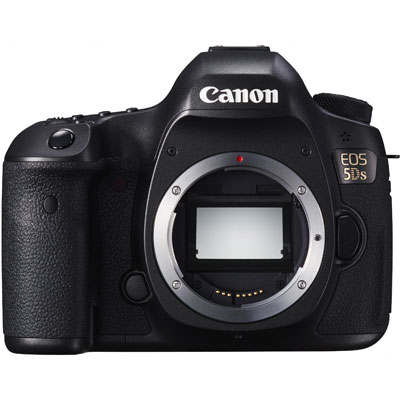
Canon 5Ds 5Ds R – 50 Megapixels Good?

Canon 5DIts seems we have had a bit of pause in the megapixel race, the high end cameras have not moved much.

Now we have the the new Canon and I think its time to remind people that with an increase in megapixels comes and increase in issues you have to overcome in getting good quality images.

A modern 16 megapixel, micro four thirds or DX sensor gives very good image quality, but if you want to print big then the more megapixels the better.  There is a reason why fashion photographers and landscape photographers who want to fill an advertising hoarding use medium format.

But cameras like the Nikon D800, the Sony A7R and now the new Canon 5Ds can get close to this kind of quality, at least for resolution if not dynamic range.

The issue with cameras with such high resolution is that your lens and technique has to be flawless.  Nikon produce a list of recommended lens, a consumer kit lens is not going to cut it.  Along with the best glass, you need a quality tripod, cable release, and mirror lockup.

So if your going to print big and have the patience to use correct technique high megapixels cameras can produce stunning images but for most of us, its over kill and you are likely to end up with worse looking images.

New cameras from Canon and Olympus

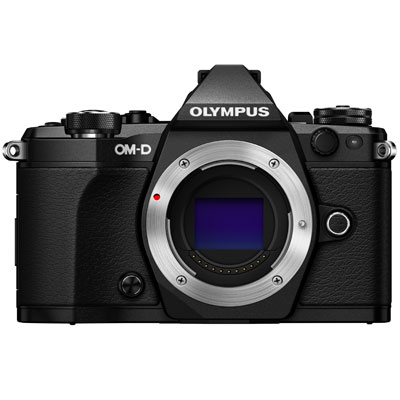
Olympus OM-D E-M5 Mk II FrontThis week saw new cameras announced from both Canon and Olympus.

In the high megapixel race Canon and Nikon have been playing leap frog for many years.  After many years of Canon leading the race, since the Nikon D3x and the D800 range, Nikon have been top of the high megapixel race for Digital SLR’s.  Now Canon take the lead again with the new Canon 5Ds at 50 MP its knocking on the door of medium format for resolution if not dynamic range.

For me though the more interesting camera released this week is the new Olympus OM-D E-M5 Mark II Digital Camera Body.

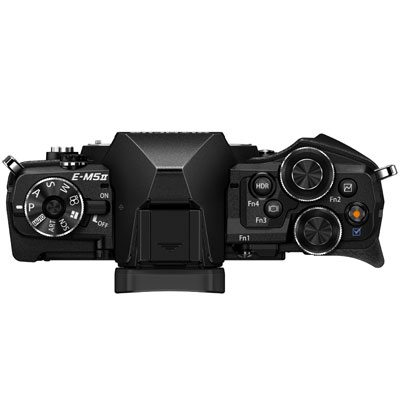
Olympus OM-D E-M5 Mk II top

Hasselblad have a shift mode in some of there cameras allowing you to get better resolution with less megapixels.  The new Olympus can do the same trick, so while on paper a very good 16 MP micro four thirds sensor, it can when shooting a static subject and on a tripod rival a cameras of 40 MP or more.

The old model was great camera, but the build quality compared to the OM-D E-M1 and E-M10 was not in the same league, I expect this to be close to the great M1.

Nikon service announcement for series 1 10-30mm lens

Nikon announce service advisory for original 10-30mm series 1 lens.  Check out the details here.

Issue
When the 1 NIKKOR VR 10-30mm f/3.5-5.6 lens is used for an extended period of time, or zoom operations are frequently repeated, proper communication with the camera may not occur, which may cause an error message to be displayed in the camera monitor, and the lens may not function properly.

‘Mirrorless to outsell SLR’s in three years’ – Says report

http://www.sansmirror.com/newsviews/how-internet-news-distorts.html

As in the report above, I keep seeing people saying that mirrorlesss will take over in the next year.  At some point this will be true but its going to be Canon and Nikon that drive this I suspect.

I get asked by a few budding amateur photographers quite regularly what camera they should buy, and they are only interested in the SLR options as thats what they think a ‘professional’ uses.  To be honest when you can pick up a new Canon or Nikon with a kit zoom to start you off for £350, its hard to justify them spending £500 – £1500 on a mirrorless solution.

Photo of the Month – January

flowerNikon D800
Nikkor 105mm f/2.8
105mm, 1/60 Sec at f/8, ISO800
Post Processed in Adobe Lightroom V5.7
On a MacBook Pro, OS-X 10.10.2

So its now the end of January and time for my first picture of the month.  Last year I ended on a quick snap from my iPhone, this time I am going to show one of my rejects from a macro photography day I did.

These flowers are really tiny and the shooting conditions were less then ideal, with wind moving the blooms.  I used a mix of daylight and balanced flash, but this did not freeze the picture.

Still I thought with the degree of blur in this shot, it made it look quite romantic, so while not technically correct it is artistically pleasing.

Are all RAW files the same

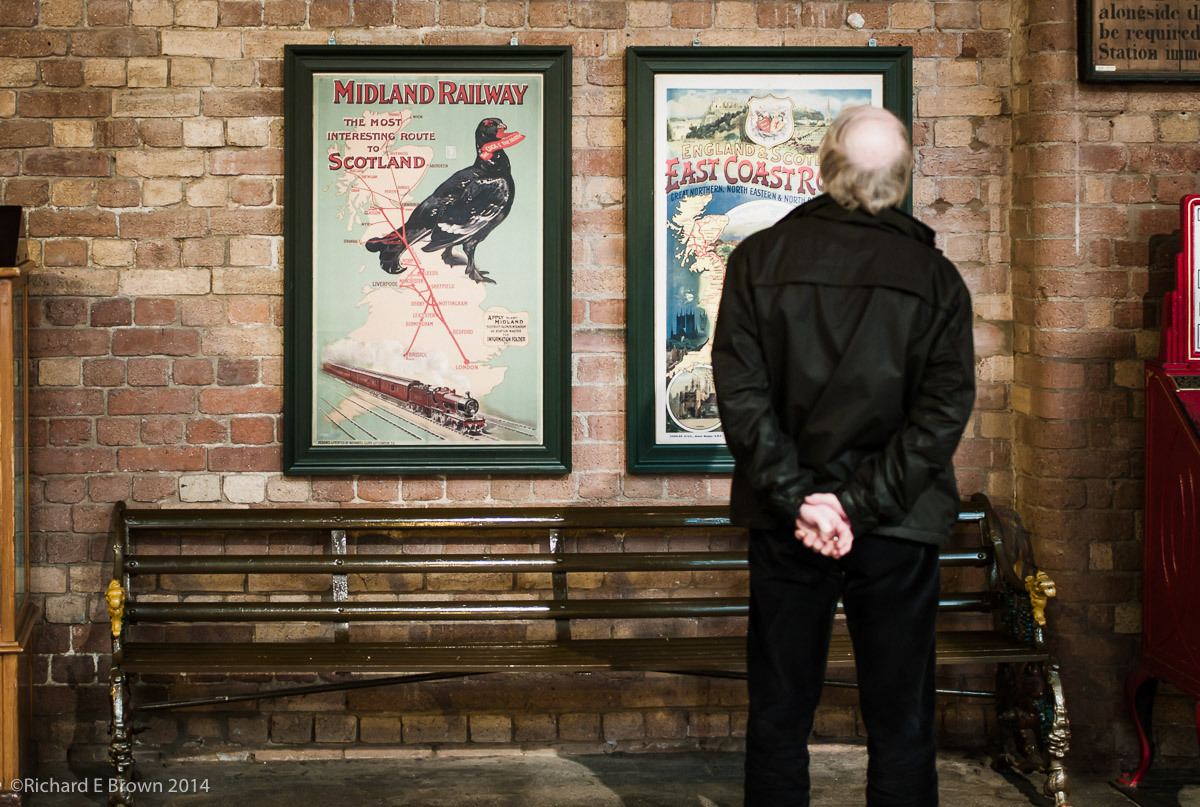
National Railway Museum-2It used to be that a RAW file was just that, the raw data from the sensor, which you imported into your favourite RAW processor and dealt with as you saw fit.

Today a RAW file is not always quite what it seems.  Many cameras now do a degree of processing to the raw data pipeline.

Most cameras do a degree of noise reduction, something I dislike as third party programs are generally much better.  Most Canon and Nikon DSLR cameras can have this turned off in the settings, but some do not act quite as you expect.  I have a love and hate relationship with the Nikon V1, if you turn off the noise reduction it does just that, except if you have the ISO set above 400 ISO, go any higher and it turns on even if you have it set off!

The Fuji X Trans Sensor is another good example of a ‘difficult RAW file’.  As I mentioned the other day Adobe and the other big RAW processing companies have now got a handle on it but to begin with you were better off shooting jpg, the greens were very difficult to get right.

Then we have the subject of in camera correction.  Its much easier now to build a lens with some distortion and correct in software, engineer the lens to correct issues that are difficult to correct in software and for things that are simple to correct in software, allow the lens to distort in a controlled way.  This gives us cheaper smaller lens that produce excellent image quality.  Some purists hate this but more and more camera manufactures are going this way.

Victorian GardenOne other setting you can find on cameras is compression settings, many cameras have three options for saving RAW files, uncompressed, loss-less compressed and lossy compressed, but a few do not give you the option.  The biggest culprit of this is Sony, their highend cameras shoot in 14 bit but then save the raw file as a lossy 11 bit file, it does not give you the option.  If you get the shot right in camera then no problem but if its slightly off or if you intended to do extensive post production in photoshop then you would be better off with another camera that gives you all your bits.

So in answer to the question; no not all RAW files are the same.