Panasonic Lumix DMC-LF1

Panasonic Lumix DMC-LF1

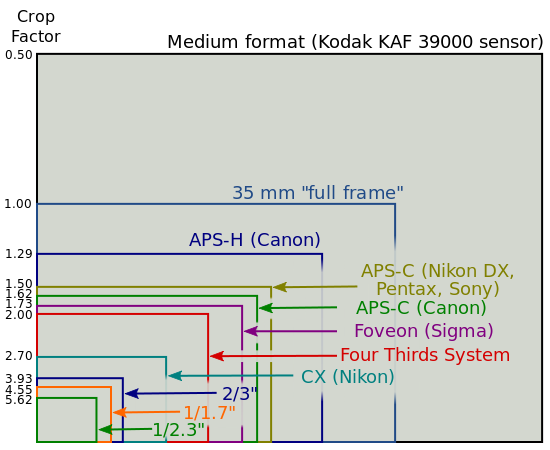
I keep looking at small compact cameras.  Currently my compact camera is a Nikon V1, this is a little large but its large 1 inch sensor is huge for a modern compact and is only matched by the new Sony Cyber-Shot RX100 II.  I keep looking for a replacement for the Nikon V1, buts while the ergonomic’s drive me mad its difficult to find a single camera to replace it.

I am drawn to the Ricoh GR with its large DX sensor.  This has no ordinary compact, its highly customisable and has a huge DX (APS-C) sensor but no view finder and a fixed lens.
sensorsizesoverlaidinside-updated

Most little compacts like the Canon S120 have only the smaller 1/1.7″ or smaller sensors and no viewfinders but do have decent zooms giving flexibility.

Its with these thoughts I have been looking at the Panasonic LF1.  The big thing is the viewfinder.  The Fuji X10 and X20 are similar but have poor quality optical viewfinders and as you zoom it obscures your view.  While a Leica M has similar issues I am more then willing to put up with the faster lens at a full frame f/1.4 blocking some of the view then I am with the poor view in the Fuji X10.

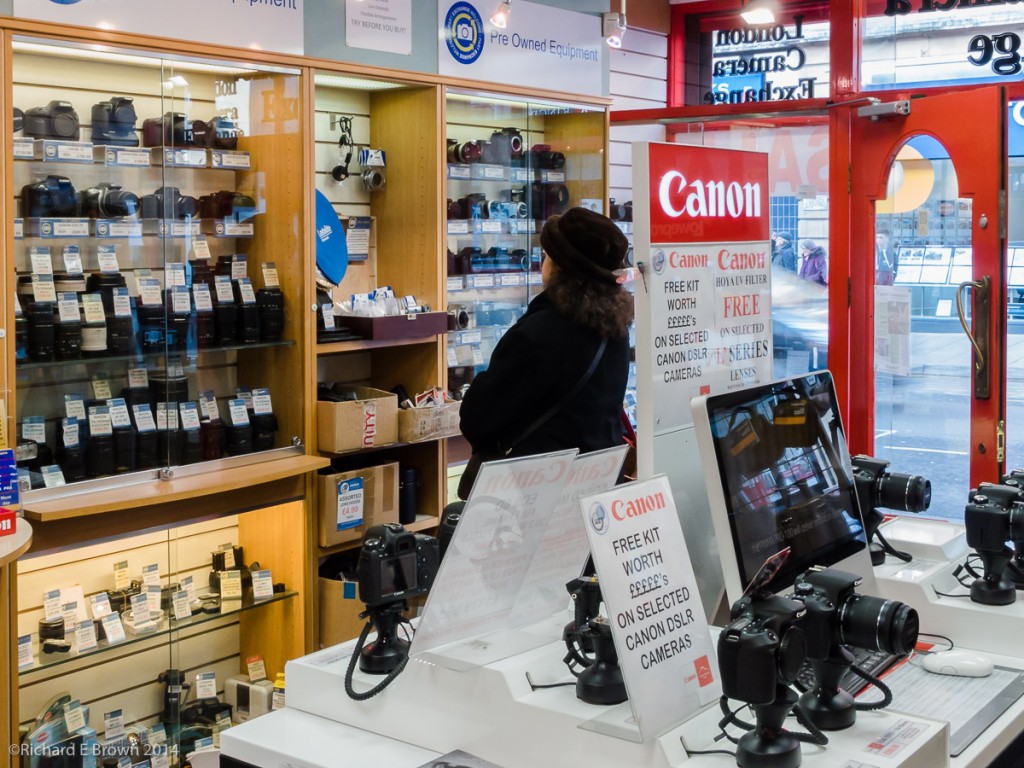
Its with these thoughts in mind that I have been looking at the Panasonic LF1 and the Leica Leica C.  The big thing about it is its EVF.  While poor quality at least it has one, which is rare in this class of camera.  I have played this camera now on several times and the other week I had another play and also took a few photographs on my own memory card to play with.

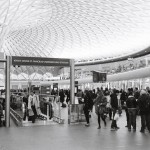
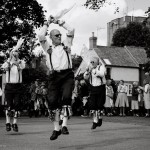
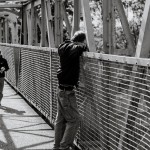
The shop was mixed light and I had a slow shutter speed with an ISO of 400. You can see the result above.  ISO400 is quite high for such a small sensor and its handled it quite well.

Today we are very lucky in that there are very few bad cameras.  Now its how a camera makes you feel, how it fits with the way you work that is more important.
Street Photography – Projects and Dogs

I find it very useful to have a few projects to work on, some are long term others more focused.

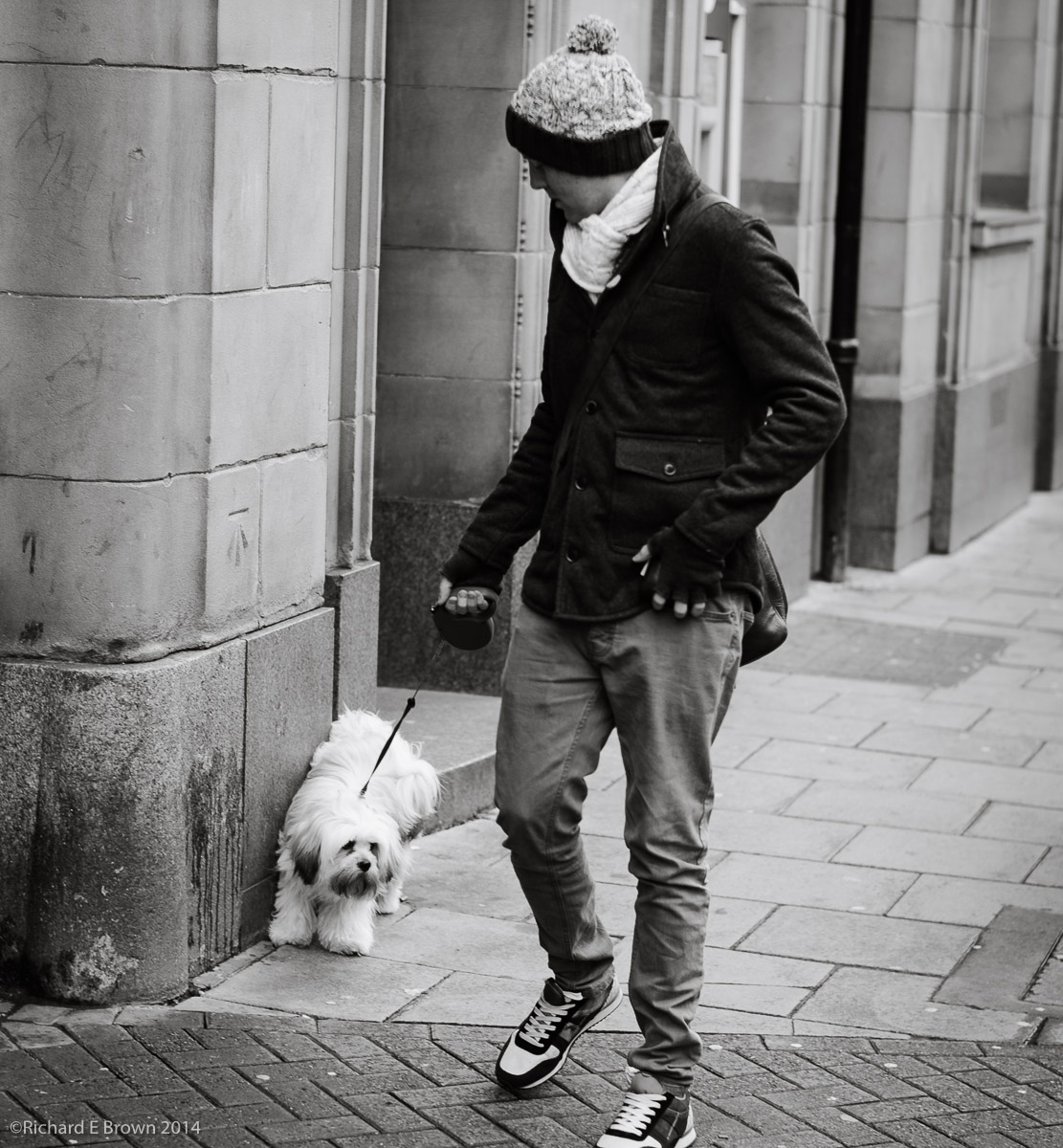
I bought another photography book recently showing iconic photographs through the years.  One of the shots that caught my eye was by Elliott Erwitt.  He was a great street photographer and one of his long term projects was photographing dogs.

So I thought to myself, on my next trip out I would have a go.

We headed off to Scarborough for a day out and I packed my Leica M8 with 35mm Summicron and 50mm Summilux lens.

Walking the Dog Dogs on the BeachI took about half a dozen shots on the beach plus a couple in town, these I thought were the best two.

Heading out with a definitely goal really focused the mind and I was very pleased with the beach shot which works well when printed big.


Views in the Forest

Visitor

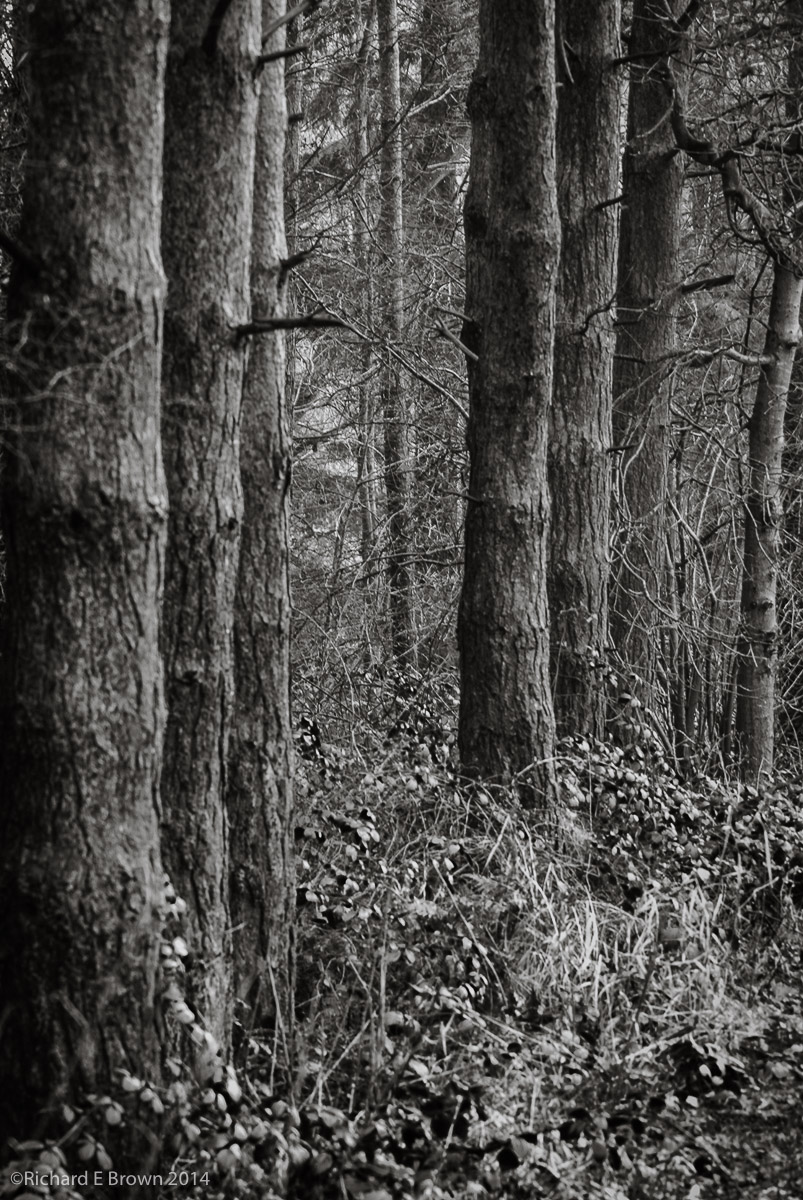
While in North Yorkshire we went for a few walks, including a forest walk hoping to see some deer.

Despite  carrying a big heavy DSLR and long lens together with a Gitzo Series 5 tripod I came back with no shots except for trees!

We were staying in a small wooden cabin in the wood and while there some wildlife did come to visit.

Forest Views

A grey Squirrel did come to visit most mornings as on two occasions did a woodpecker. These were taken through the cabin window.

Forest Views

A few days away – York National Railway Museum

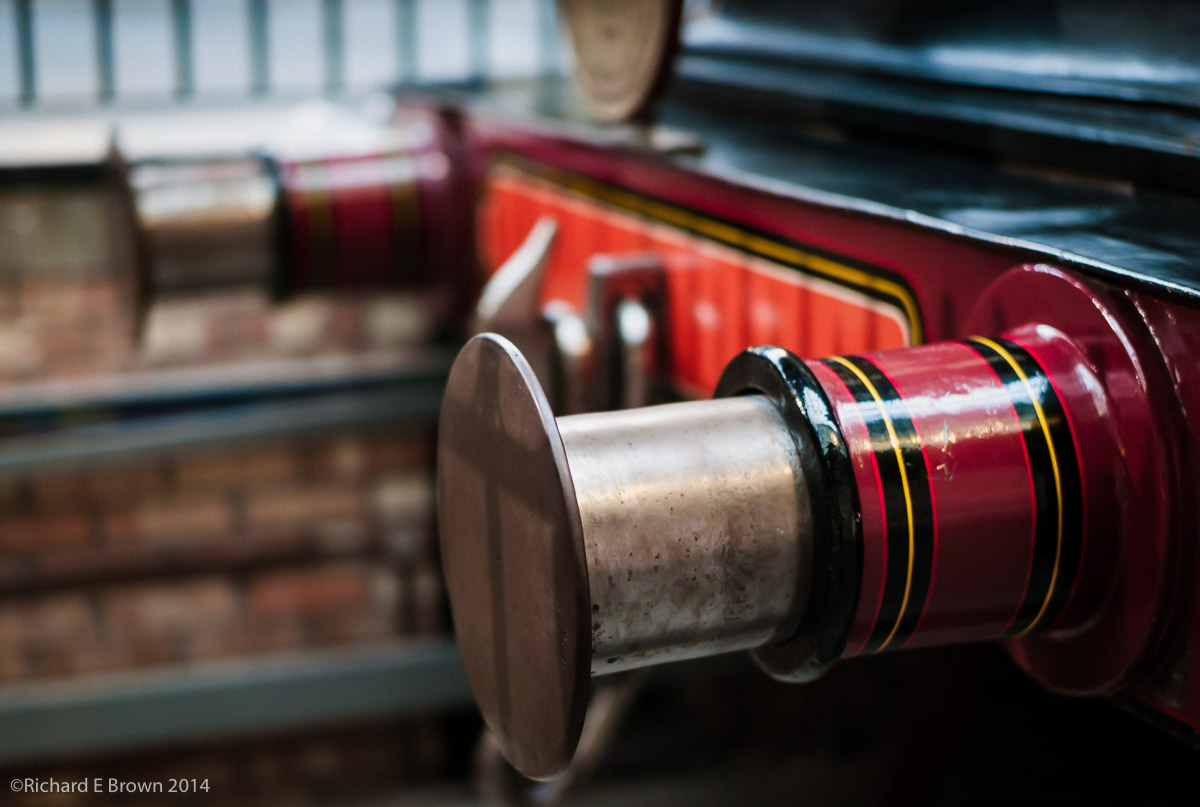
Buffers
Buffers

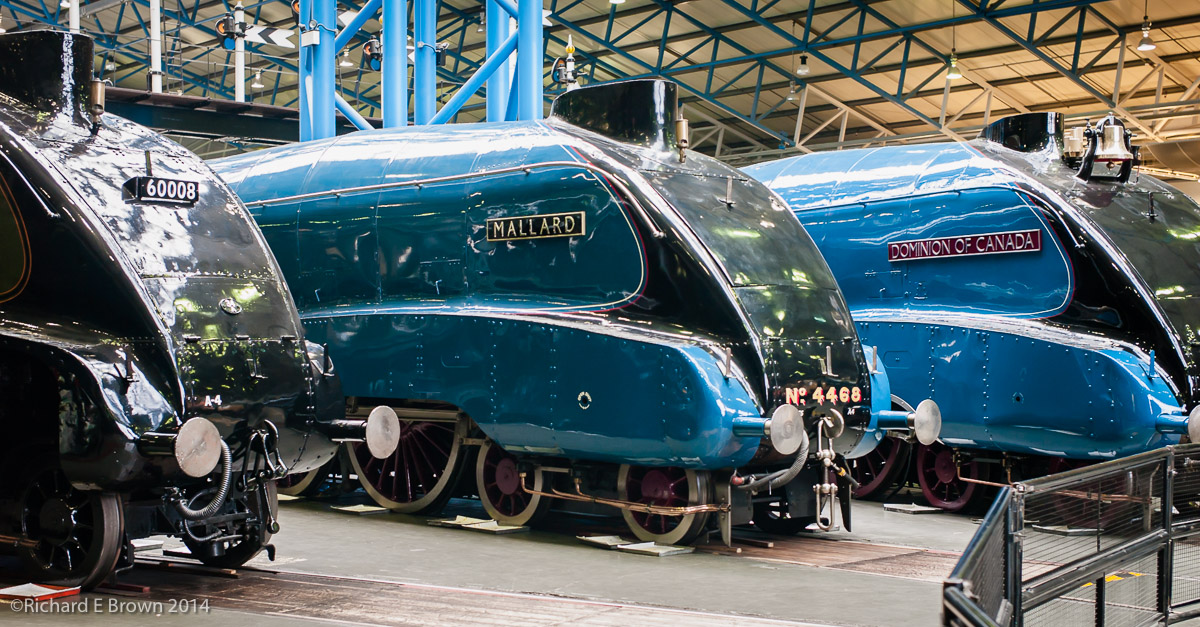
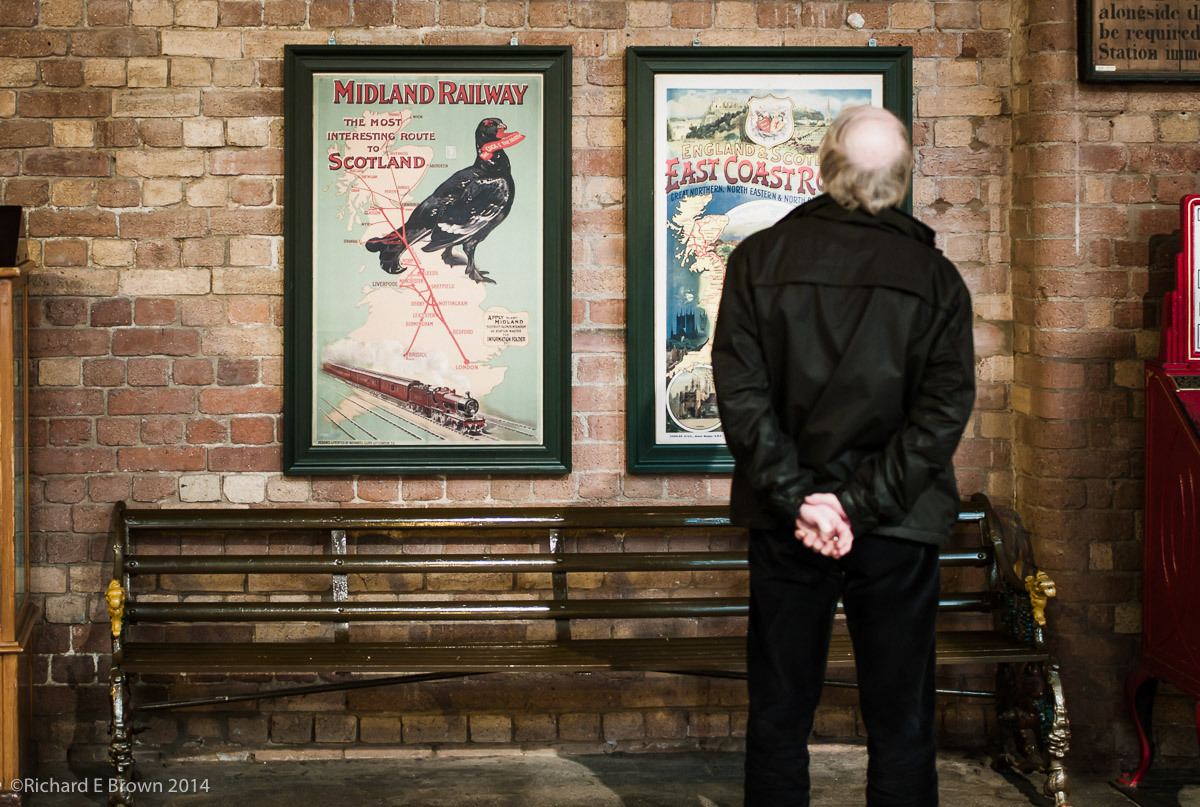
Last week we had a few days a way in North Yorkshire.  While there we had a day in York and visited the National Railway Museum.  Last year we watched a program about the last remaining A4 Class trains from Canada, the Dominion of Canada and the one from America the Dwight D Eisenhower, and wanted to see these two together with their sister the Mallard and holder of the train land speed record for steam powered locomotives.

A4 Class together
A4 Class together

For two weeks only back in July on the 75th anniversary all six remaining A4 Class trains were together.  This year I believe the Canadian and American A4’s go home so it was a once in a life time experience to these two.

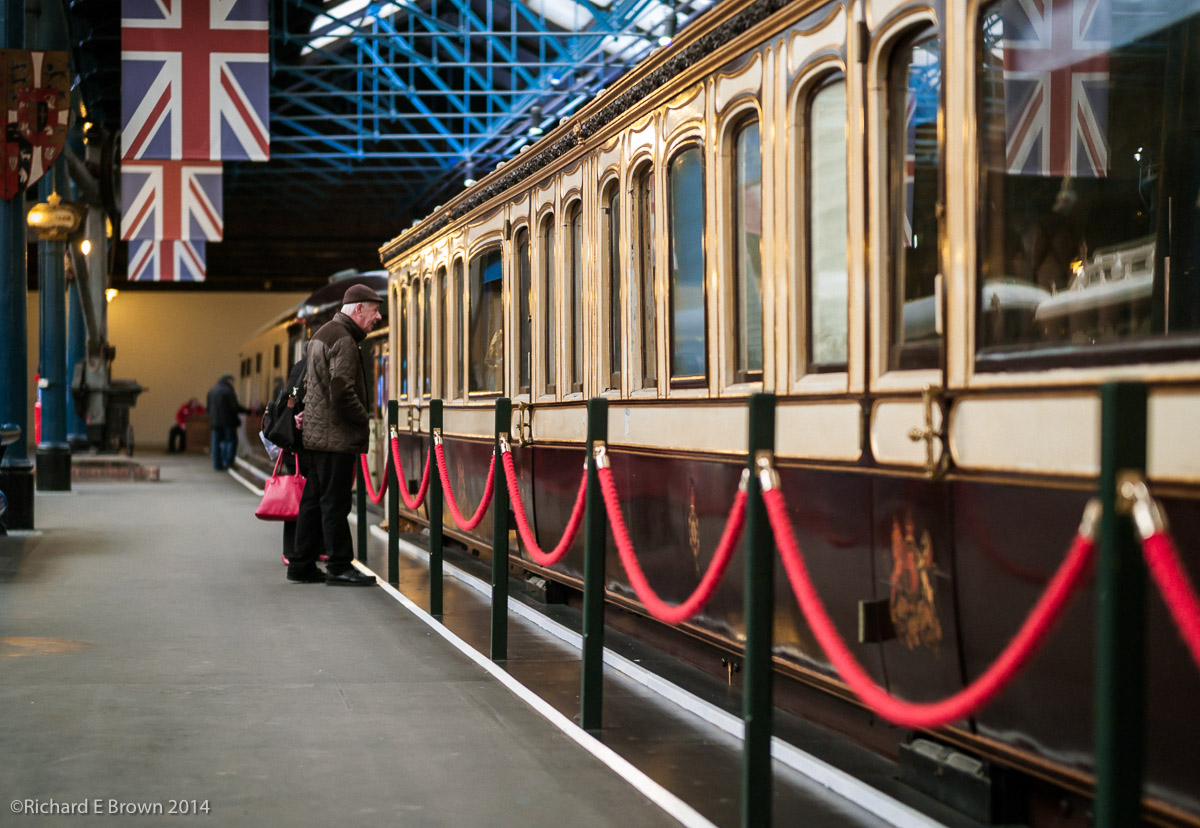
Royal Carriage
Royal Carriage

The museum is a great place to visit with lots of photo opportunities.  Take either a flash gun for fill in flash or a mono, or tripod as the light levels are quite low.

National Railway Museum-2


I was travelling light with just a Leica M8 and a 50mm Summilux and a 35mm Summicron so most of these are shot wide open at shutter speeds as low as 1/15 second.

One advantage of shooting with mirror less cameras is that you can use slower shutter speeds as there is no mirror flapping around to cause camera shake.

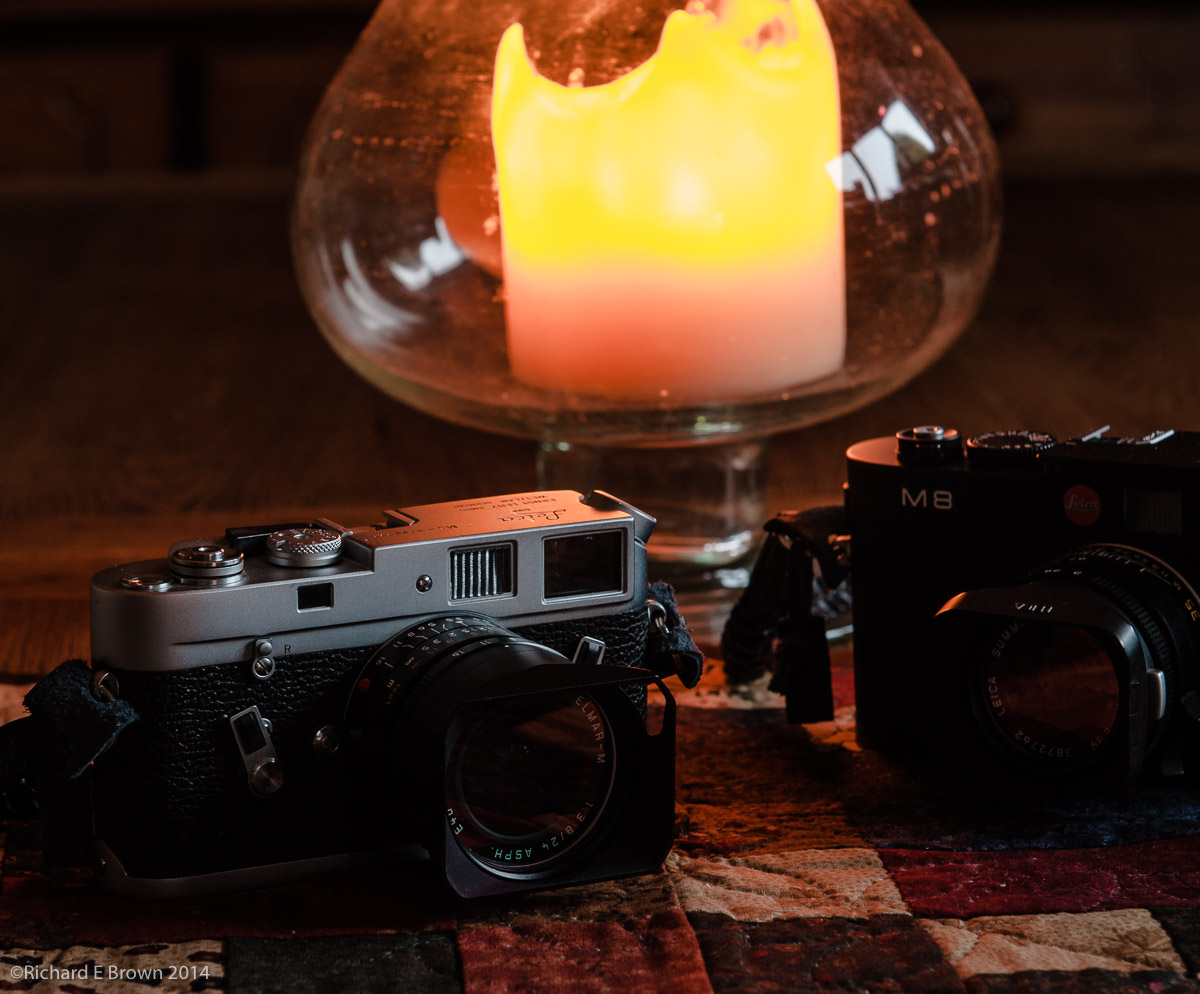
Leica M4 and M8 by Candle Light

Leica M4 & M8 by Candle LightYes it was wet and cold outside.  I did not fancy getting the studio gear out but I still wanted to take some photographs.  What is a photographer to do.  Well that left either taking photographs of my wife indoors, which she suffers enough of already or setting up a quick still life.

Lit by the none existent sun and the candle you see in the picture, the exposure was 5 seconds at f/8, ISO100.


A Photographic Recap of 2013 Part 3 – Street

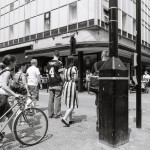
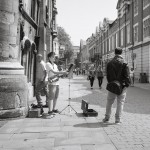
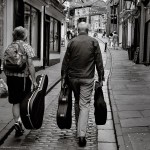
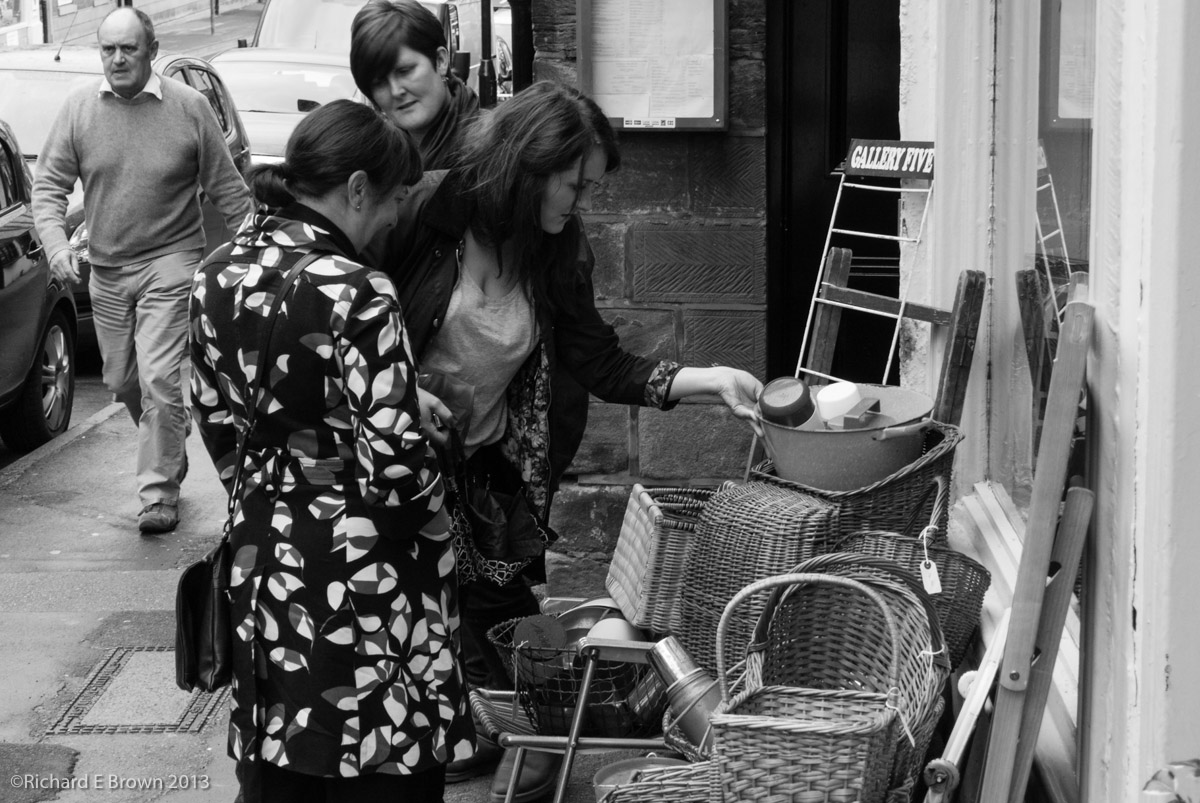
Street Photography was a major project for me this year, I tried to visit up the Bailgate area of Lincoln once a month and photograph the people of the area.  I very rarely shot with anything else except my Leica M4 or M8, but occasionally I took the a SLR or my Medium Format Hasselblad.  I also had a few sessions with my little Nikon V1 with a fixed 10mm lens, it worked very well as it focuses fast and can be used with one hand quickly.

I am still in two minds what to do with the V1, I like the results but its short comings drive me mad.  I may keep it until the Ricoh GR drops in place and use that as my compact.  I am also tempted with the Panasonic GX-7 which would make a great replacement, again though I would wait until its replacement is released then try and pick it up cheap.

Street Photography is something that is very challenging, and your choice of camera can have a big affect on how people react to you.  Interestingly I found that people react less to the Leica and the Hasselblad and most to the digital SLR.  The Hasselblad was a real surprise, I think its the fact that I use a waist level finder with it and so as I don’t raise it to my face people don’t know I am taking pictures.

Service Menu on the Leica M8

If you are after finding out how many shutter activations your Leica M8/M8.2 has then you can check the exinf information within the DNG, I am told it is buried in there somewhere.  Not very useful if your checking out an M8 in a shop and want to know.

There is a way to find out but it involves getting into the Leica Service Menu.  To do this you have to follow the following steps:

  • 4 times right arrow button
  • 3 times left arrow button
  • 1 time right arrow button
  • INFO button

Scroll down to body debug data, press set then scroll down to NUMEXPOSURES.

My M8 now has 5240 and according to Lightroom 2643 of these are mine, so  in the last year I have put on half the activations its had since it was made.

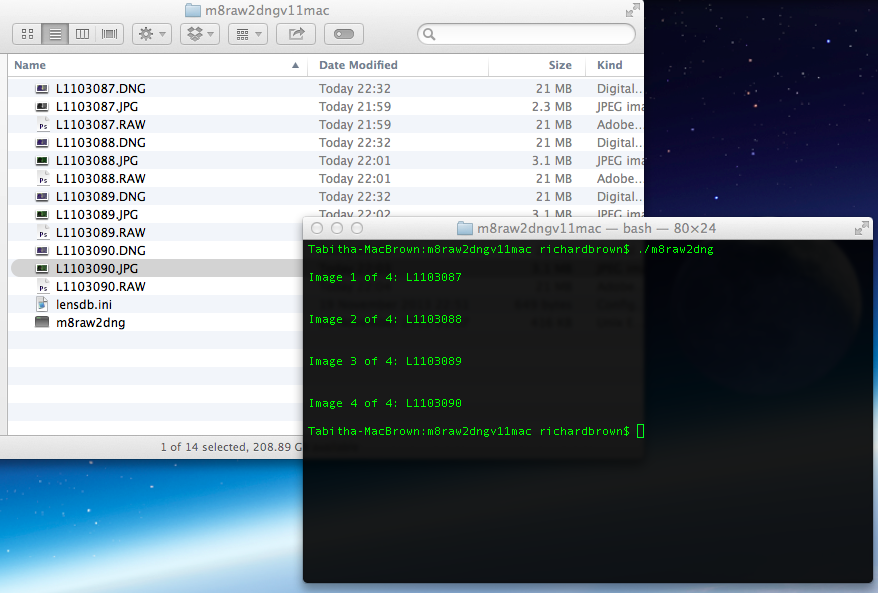
Once in this menu you can also get at other interesting options.  The M8 uses Compressed RAW files, they are compressed from 14 bit to 8 bit and its not lossless.  To get lossless compression you have to have an M9 or M240.  Once you have been in the service menu another option is available, not just jpg or DNG but also jpg+raw, this produces a real 14 bit raw file.

dng conversionThe downside of this is few programs can read it, you have to process it and create a packaged 14 bit dng; a program like m8raw2dng and a quick trip to the command line will soon create one.  Once created this can be imported into your favourite raw processor.  The other downside is that you lose the colour profile and editing is far harder. So while you get an image with better image quality but the time taken to edit the file increases enormously.
I may blog about it some more, if I get the hang of it.


Handling the Sony Alpha A7 – some thoughts

Shopping
Street Photography with a Nikon V1 and 10mm f/2.8 lens


Last week I hand another chance to spend sometime handling the new Sony A7 (not the A7R).  The previous time was at a show and the model there was not acting quite as I expected.  This time the A7 performance more as I expected and its handling and size impressed me more.

As more photographers get their hands on this camera we are starting to see what this camera can really do.  The image quality is certainly impressive and while not cutting edge on speed of autofocus its certainly well up there with the A7 being faster then the A7R.

Despite it being a mirror-less camera its a lot noisier then you would expect and many SLR’s are quieter, also when the light levels drop its interesting to hear that some photographers are reporting there is definitely a few 100ms delay between whats appearing on the EVF and the actual scene, meaning that the decisive moment can be missed, though its not an issue in brighter lighting conditions.

Its biggest limitations currently seem to be the system behind it and lens available.  I know of at least one Leica Photographer moving to the Sony Alpha 7R as the camera for his Leica Glass.

A major advantage of the Sony is image quality and cost, if you have Leica glass its a body many thousands of pounds cheaper then the Leica alternative.  Many prefer the EVA over a rangefinder viewfinder and many also prefer now focus peaking to rangerfinder focusing.  Others will still prefer the optical viewfinder and greater then 100% view of the rangerfinder, and no sensors except the Leica’s are truly optimised for Leica Glass.

Still £1700 for the Sony verses £5100 for the Leica M (240) or £3900 for the Leica M-E, even going second hand its £1500 for a M8 and £2500 for a M9.

That kind of savings can buy a number of very nice lens.

For me the jury is out.  I prefer optical finders, I like the greater then 100% view of a rangefinder and I am willing to practice regularly to keep my rangerfinder focusing skills in practice.  Still I look forward to reviewers like Sean Reid to put forward there thoughts to using Leica glass on the new Sony Alpha 7 and 7R.  Michael Reichmann has also posted his thoughts on using the new Sony with Leica glass here at Luminous Landscape.

Oh and do not forget to budget for extra batteries and a battery charge for the Sony.  Sorry but WHAT! The battery charger is an optional extra, come on Sony if I am spending £50 on a point and shoot then yes I may not be surprised that it does not come with a battery charger but a £1700 camera!  Get real Sony.

Still the camera feels well built has most of key functions quick to hand and feels good in the hand which for me is very important.  Most EVF’s I have found lacking, I like the one in the Nikon V1 but hate what on paper is a better EVF on the Sony NEX 7, while the EVF on the Sony NEX 6 is OK.  I found the one on the Sony Alpha A7 to be very good and also liked the easy diopter adjustment as my close up vision is not what it once was!

If your after image quality, want full frame and a small mirror-less design its definitely at the top of tree.  Lets see what kind of system Sony can build around it.

If you are on a budget and want to get into that street photography scene then a second hand Nikon V1 and 10mm f/2.8 lens or the Ricoh GR compact make a good option and are well worth considering at a fraction of the cost of any rangefinder.