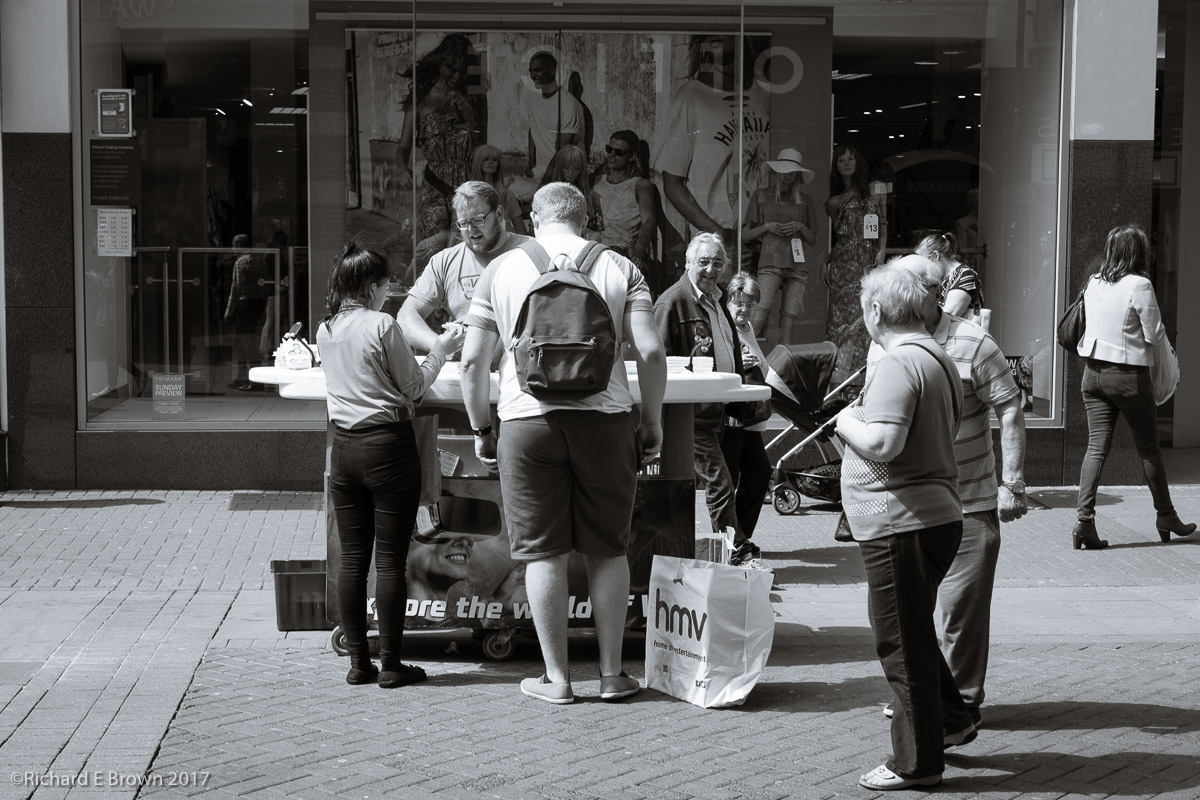
Last week, I managed to hit town on a couple of occasions to test out the Leica M10 in the environment it was meant for. I am still getting the hang of it but its coming along.
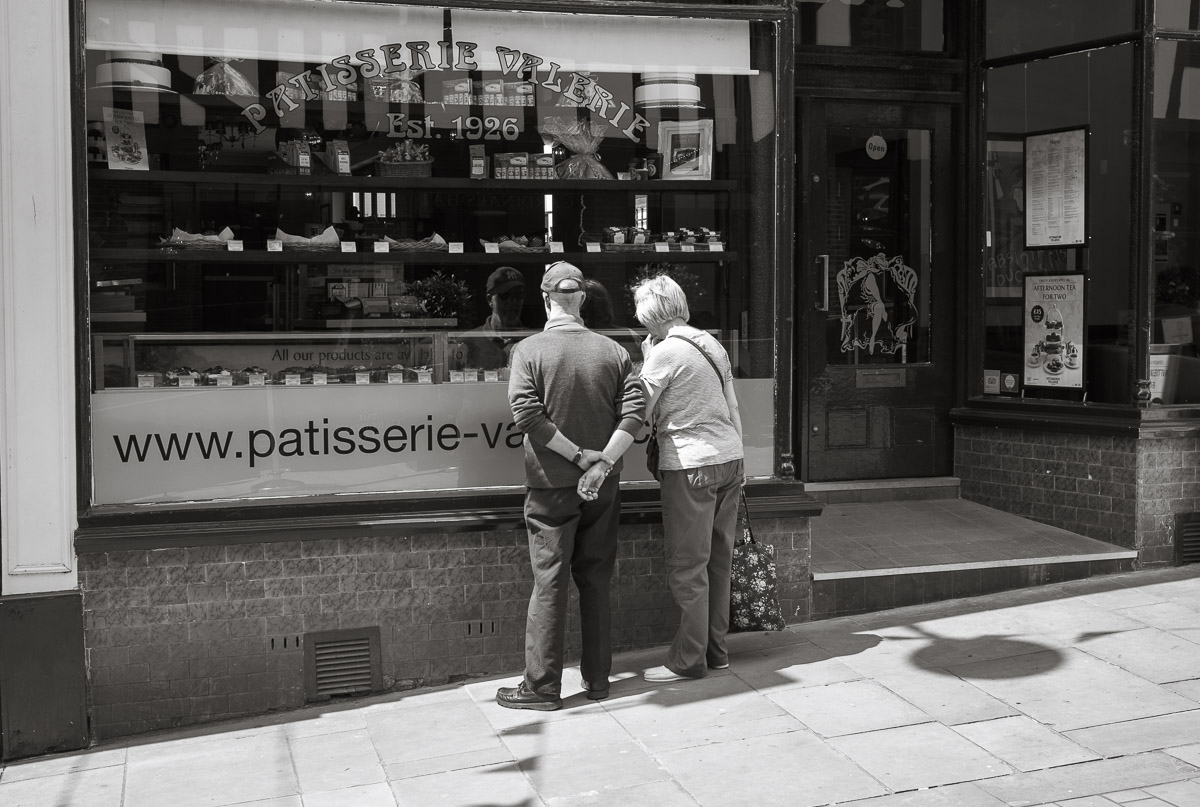
The top shot the new M10 and the bottom shot is my Leica M8.

Family, Photography and other misc news
Last week, I managed to hit town on a couple of occasions to test out the Leica M10 in the environment it was meant for. I am still getting the hang of it but its coming along.
The top shot the new M10 and the bottom shot is my Leica M8.
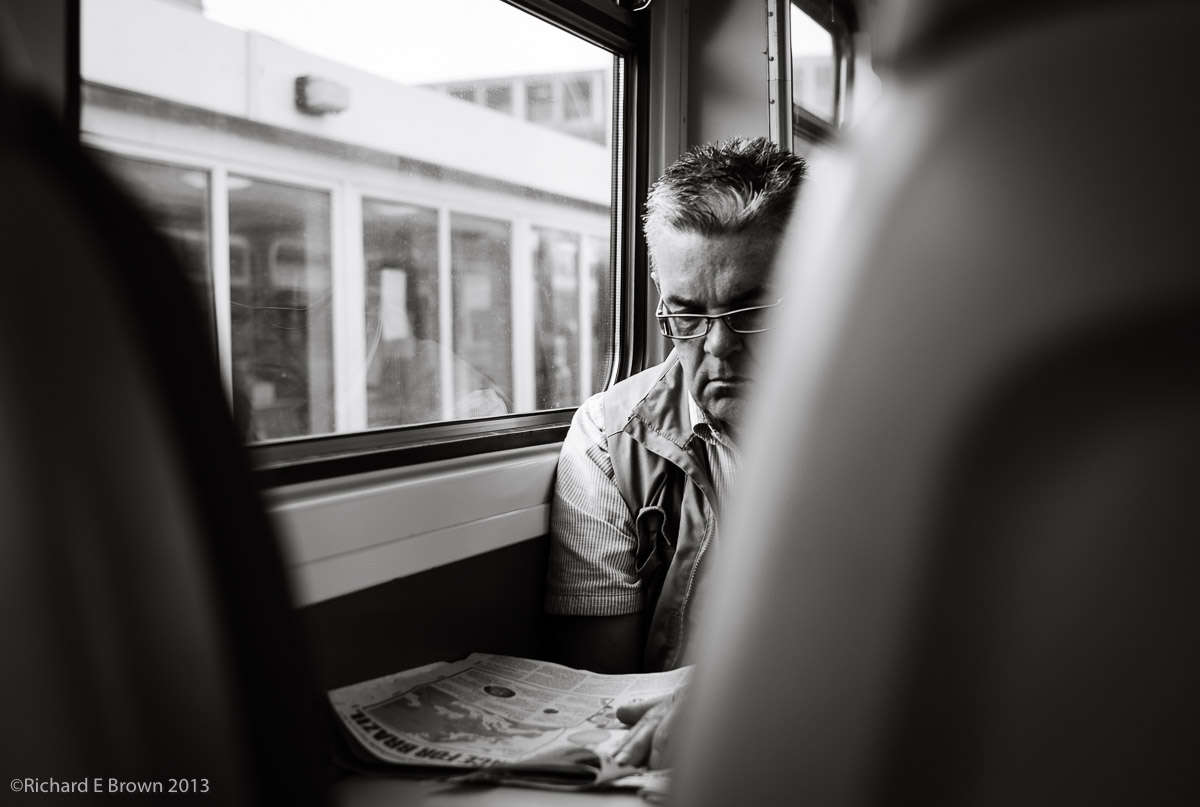
I see Leica will not be the only one with a monochrome only digital camera.
Phase One have announced the IQ 100MP Achromatic. A 100 MP sensor for medium format thats monochrome only. Its great to see innovation like this.
Shooting at high ISO is something we now expect from modern cameras.
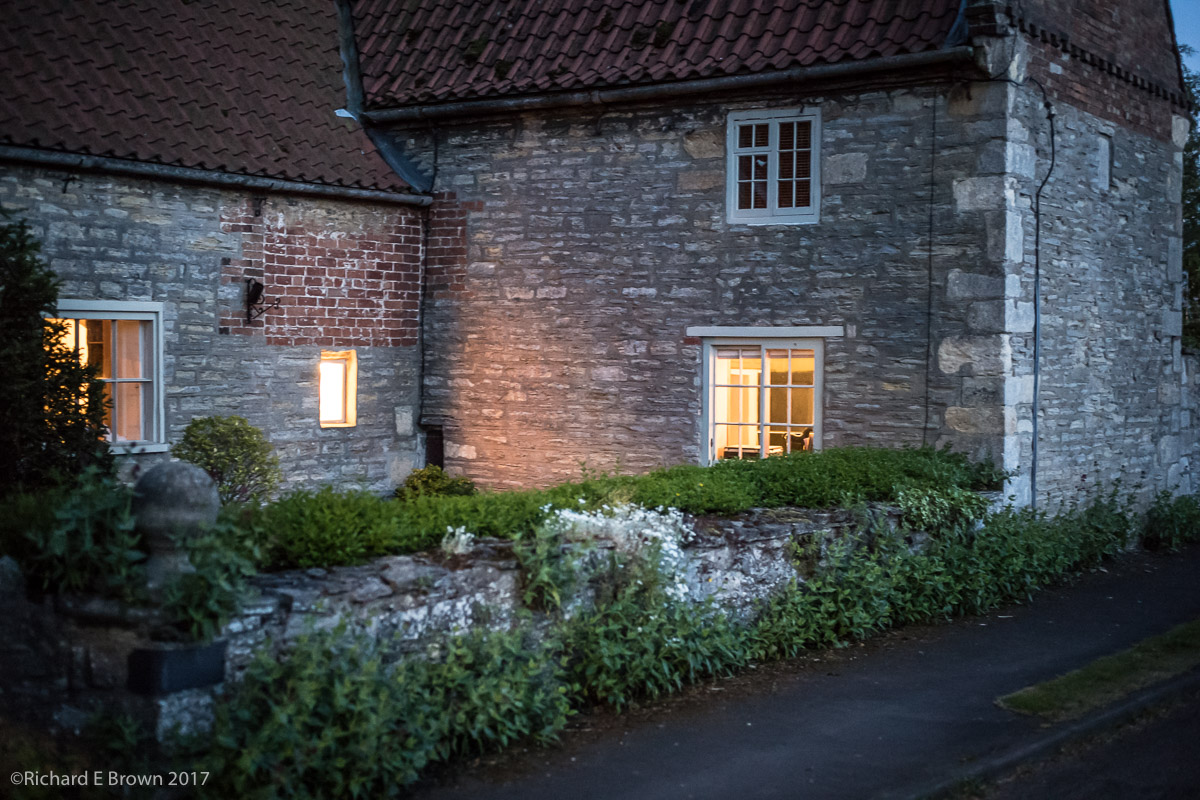
Last night I decided to test the Leica at ISO 10,000. This is ridiculously high but was a fun test. So after the sun was set I headed out and walked around the local village to grab a few test shots.

These were all shot at f/1.4 or f/2 and at 1/25 second for the top shot and 1/125 of a second for the church shot.
There was colour noise and grain, which I enhanced slightly by adding artificial grain, but the colour noise was easily dealt in Adobe Lightroom.
Considering this is ISO 10,000 its way better then ISO 640 on my Leica M8.
The shot below was the M8 at ISO 640 at 1/30 second. Its good but not in the same class as the M10.
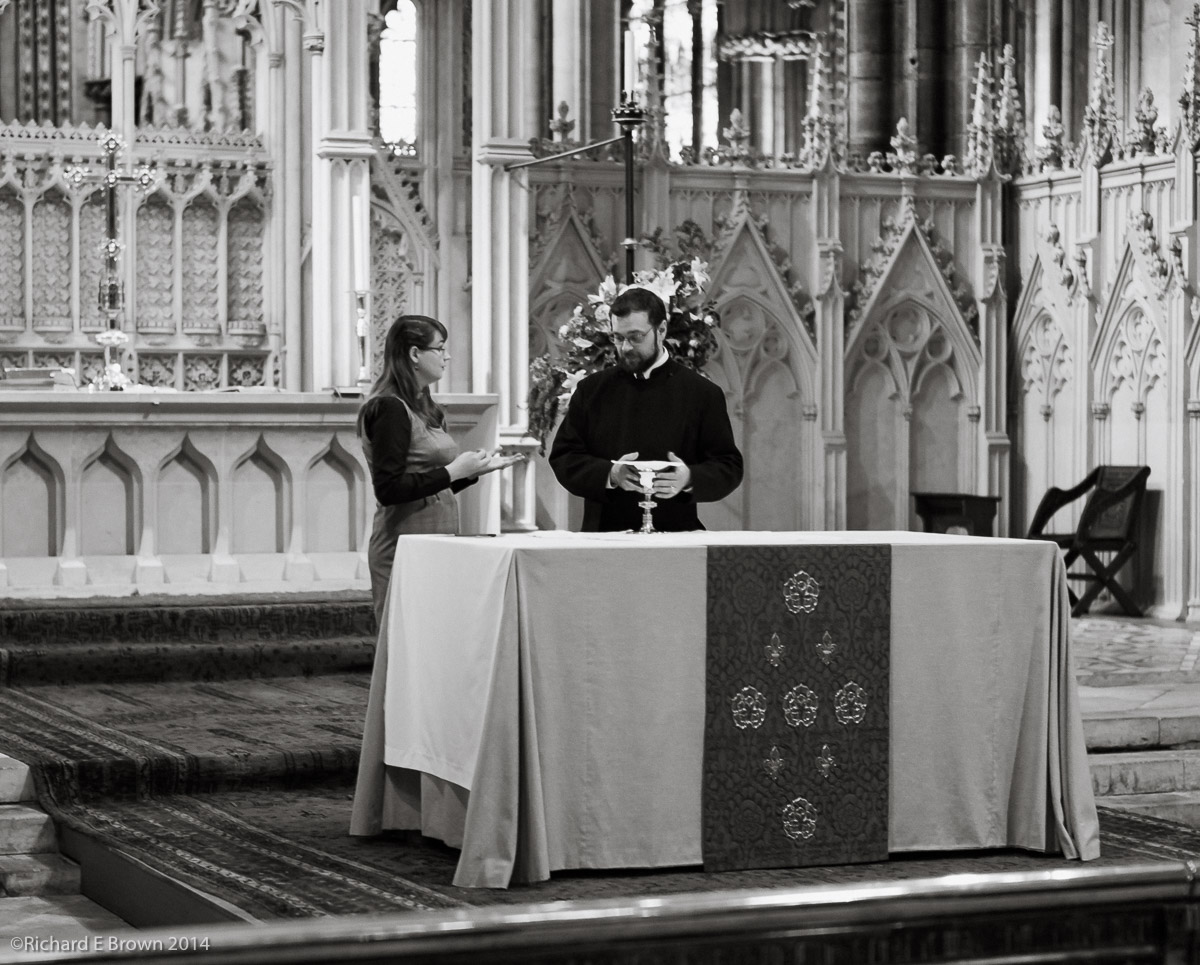
On Saturday I popped to the studio to give the Leica M10 a test. Studio photography with a rangefinder is certainly not its strength, but with care its certainly an option.
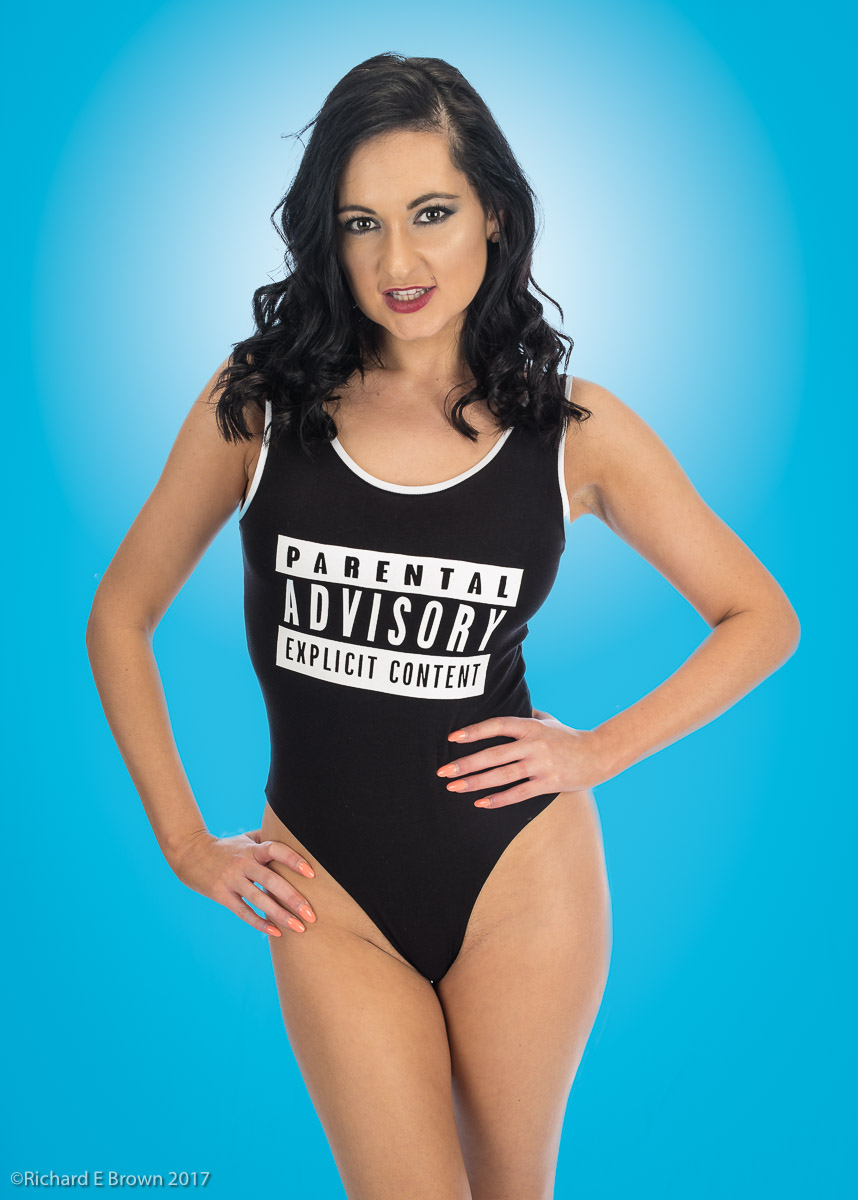
This is a simple image taken on a plain white background, a main light and fill, plus a hair light and lights for the white background.
Now this background is not white because I coloured it in photoshop and gave it a slight radial gradient. I’ll post a quick note on how to do this at a later date.
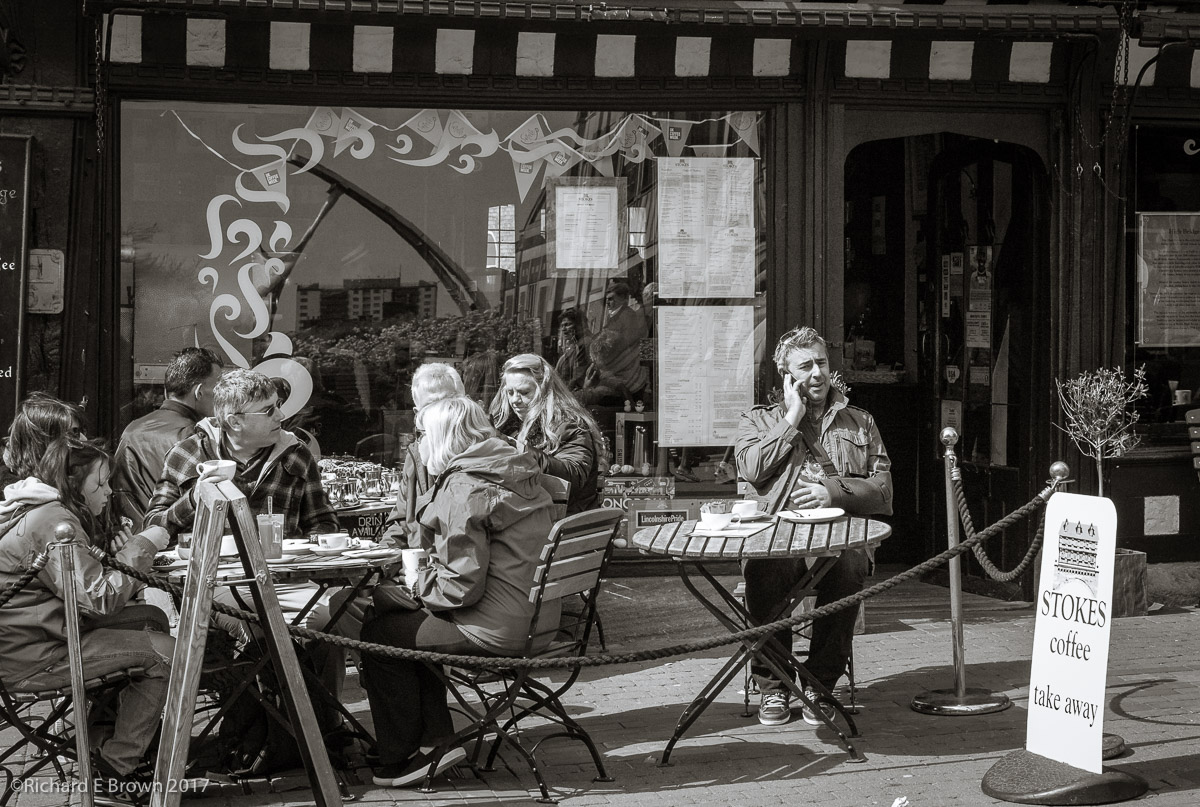
Where the Leica excels is in street photography. So this lunchtime I took it out for the first time to the streets of Lincoln and the local coffee shops to take a few snapshots.
My old Leica M8 has a 1.3 crop factor while the M10 is 35mm full frame so it will take a while for me to get my eye in but I hope to get in plenty of practice over the next few weeks.
Heading out I took my first couple of shots of people wandering the streets, I was zone focused and had the ISO set to Auto at 1/f for shutter speed and the aperture at f/8. With my M8 I would usually have the ISO set at 640 and hope to get a high enough shutter speed. After chimping at the viewfinder after those first couple of shots I was disappointed to find them blurred, with a 50mm Summicron lens I was getting a shutter speed of 1/50 with the ISO being set by the camera at 100. I quickly dived into the settings and set the auto iso to 1/2f, that should give me 1/100 as a minimum speed, but I may manually set it to 1/250 depending on how the next couple of days go.
The shots on the streets of Lincoln were decidedly average and not worth putting up here, so next I hit the coffee shop. This was more challenging as I was shooting at around f/2 so had minimal depth of field. I cheated by setting the focus using live view and focus peeking, this is the first camera I have had, that features this, but it is functionality that Sony and Fuji’s have had for sometime.
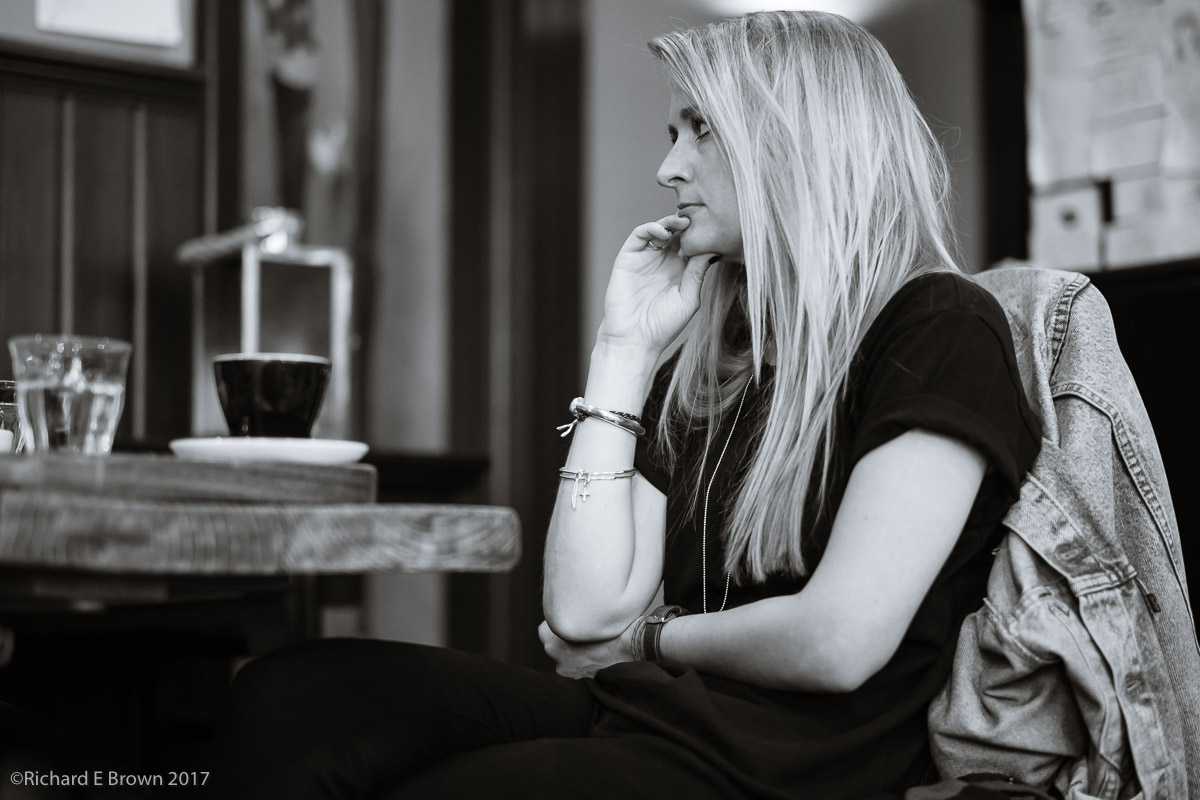
As you can see its fairly sharp. The auto iso was capped at 1600 and this is what the camera set with a shutter speed of 1/90. For ISO 1600 is quite clean; there is a touch of colour noise but nothing more then any other current camera, and a touch of noise reduction and grain has cleaned it up nicely without losing too much detail.

So far I am pleased with the results and look forward to testing out and really getting the hang of it over the coming weeks.
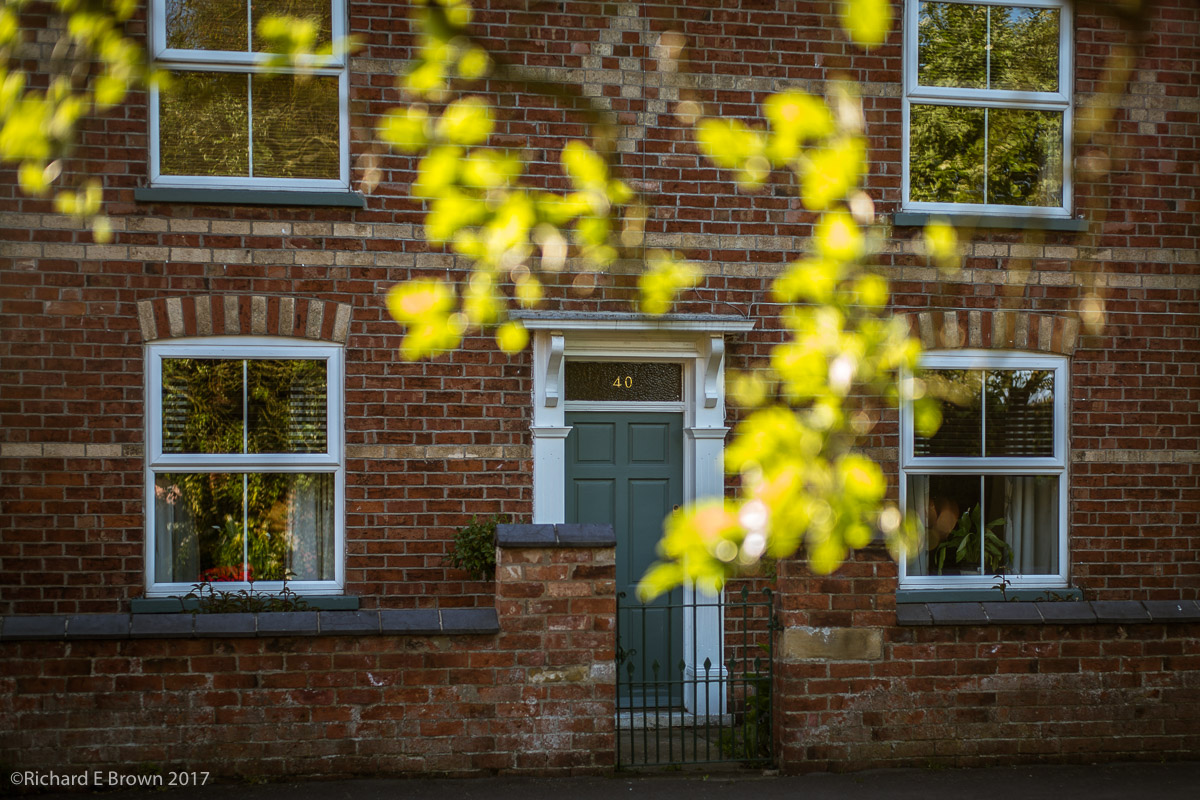 So here I am, a proud owner and one of the few to have in my hands a Leica M10, and I have two batteries on charge and a busy schedule which means I am unlikely to be able to get out and actually take some photographs.
 Luckily I have three models available tomorrow and a studio, so will be having some fun with the new camera, though to be honest the previous Leica the M 240 which its grip, tether ability, is a far better studio camera, but the sensor in the new M10 similar to the Leica SL is one of the best, so I am looking forward to giving it a trial.
 I’ll be mainly shooting with my Hasselblad and Nikon D800’s to give the models some decent edited photographs as they are giving their time to me, but i’ll certainly be putting the Leica through its studio test, a test that possibly is the one thing that its least suited for.
Today I rushed home as soon as I could, I had taken a couple of photos of colleagues in the office but the camera has so far remained little used.
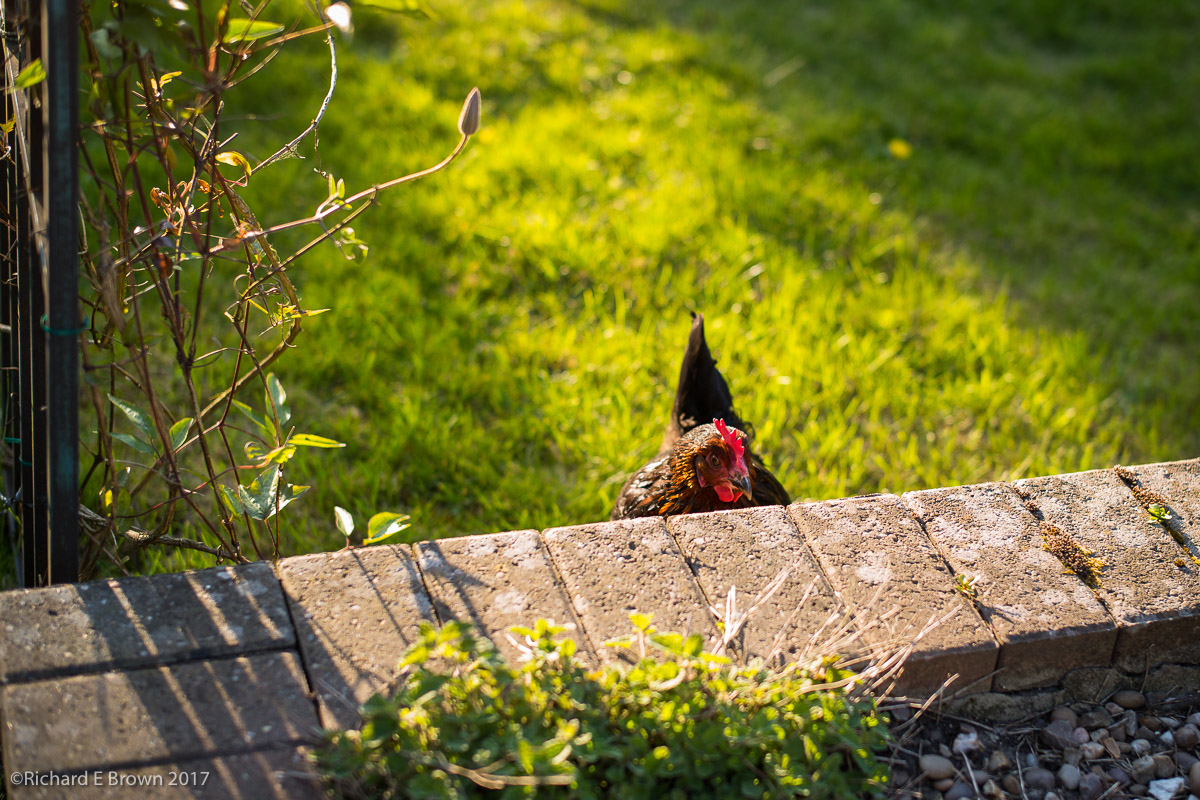
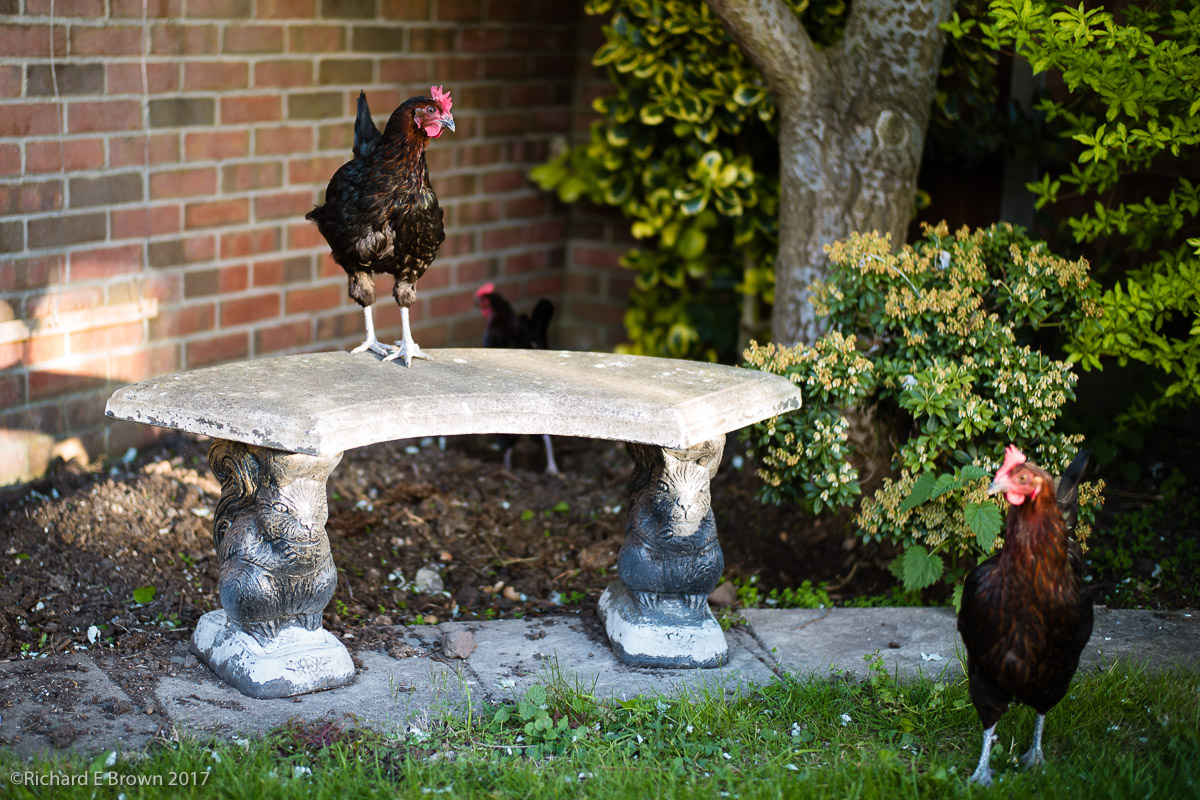 As soon as I was home and changed I threw the M10 over my shoulder and hit the streets with Timmy the Greyhound. Now our local village is nice but is limited in the photographic options, but I still did what I could. I also took a few pictures of our girls (our chickens). Hopefully I’ll get a few better shots on Saturday that I can post soon.
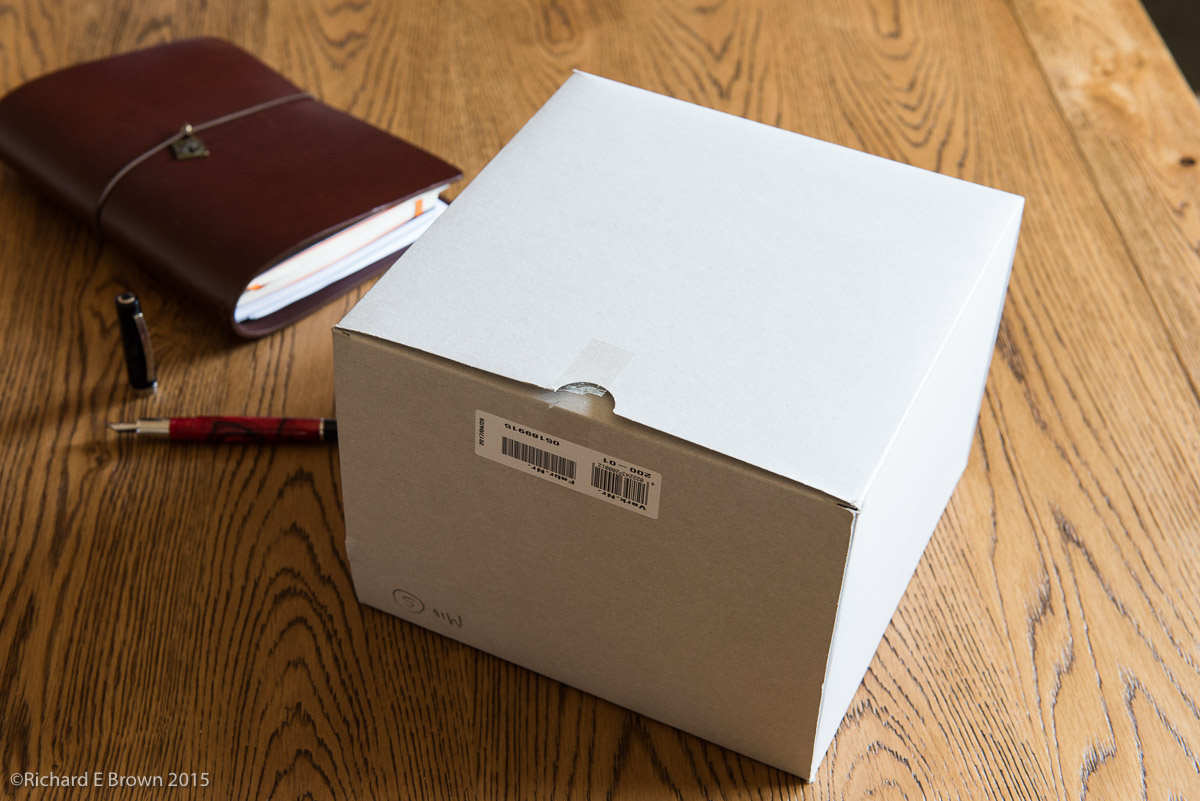 Three months and two weeks of waiting and its now here! The Leica M10! Now the M10, in fact any Leica camera is an expensive option. Do I need one, well not really; something like a Olympus Pen would do the job at a fraction of the cost, but I like the range finder experience and I like optical viewfinders, plus the Leica M glass is a joy to use, which makes the Leica the best option. It will be interesting though to see how a Sony A9 compares. Generally other full frame mirrorless cameras are compromised when using Leica glass wider then 35mm, so if your a wide angle user the Leica truly is the best option.
The call came in on Wednesday from Reddot cameras in London, so as I had to work from home today, it made sense to have it couriered direct here.
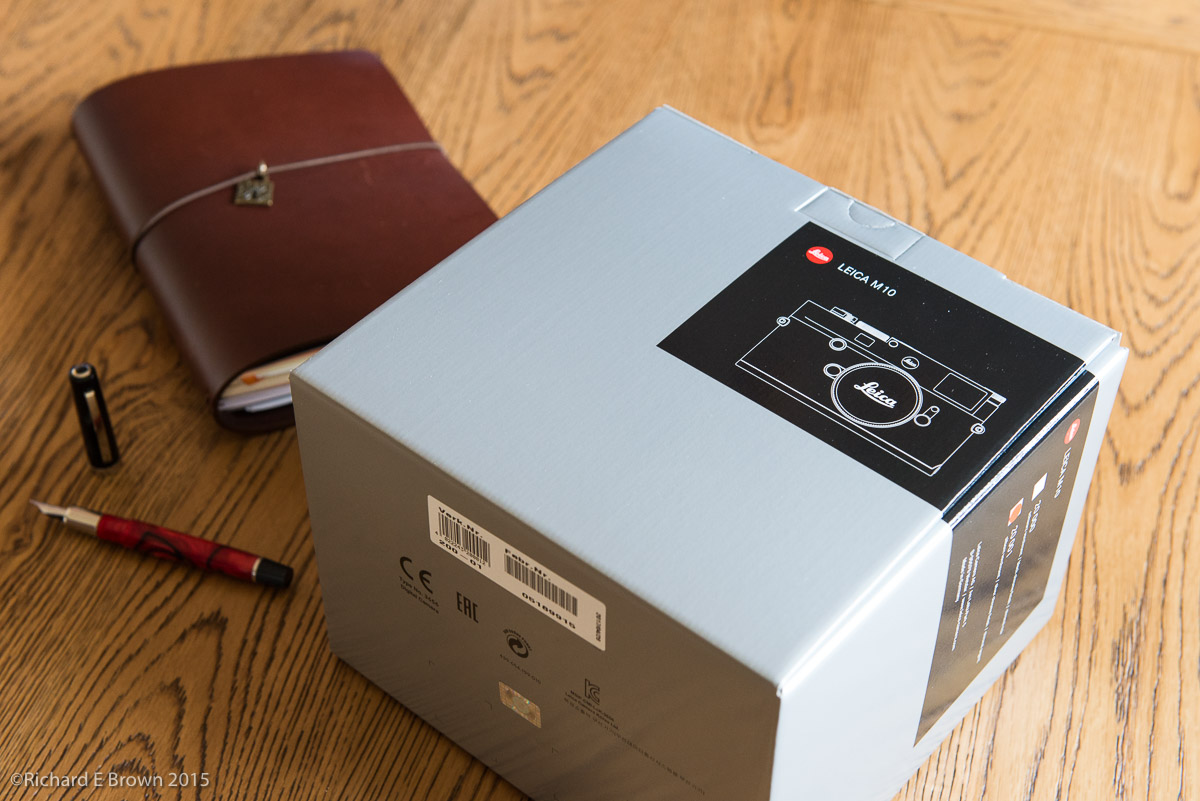
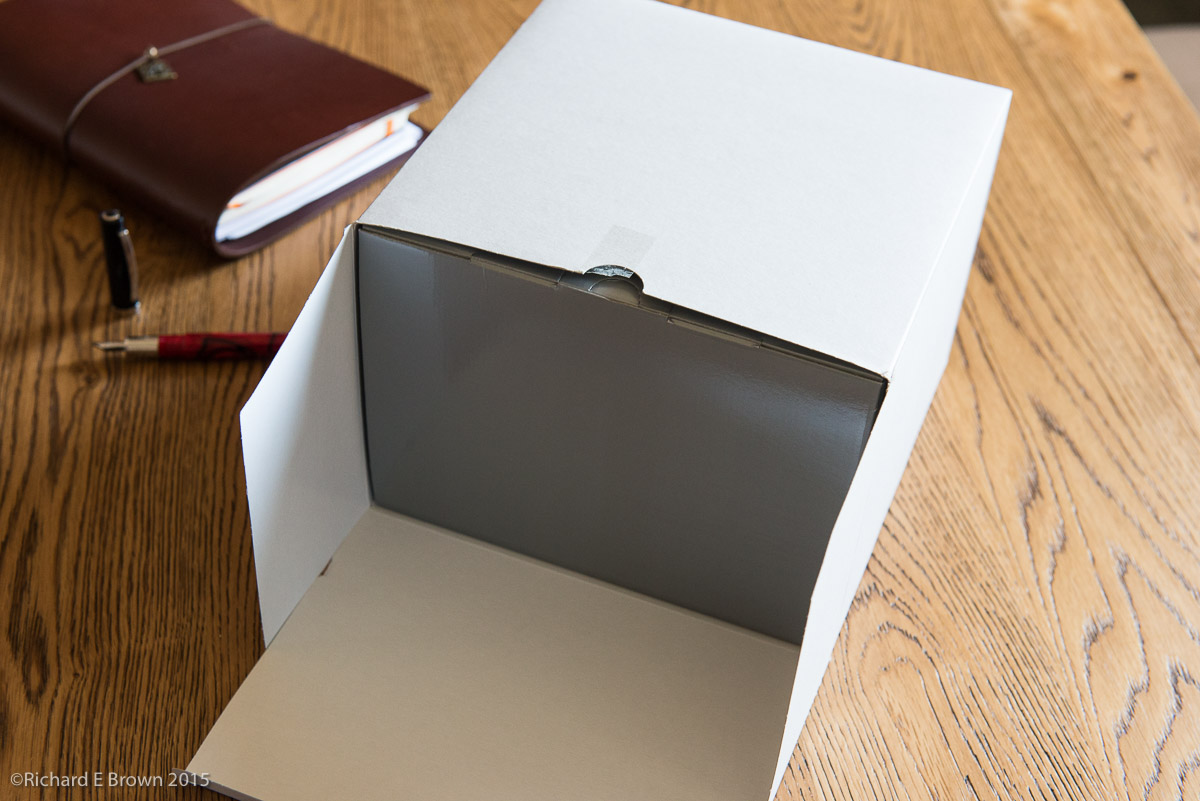
A large well packed cardboard box arrived and inside, also well packed was the box above.
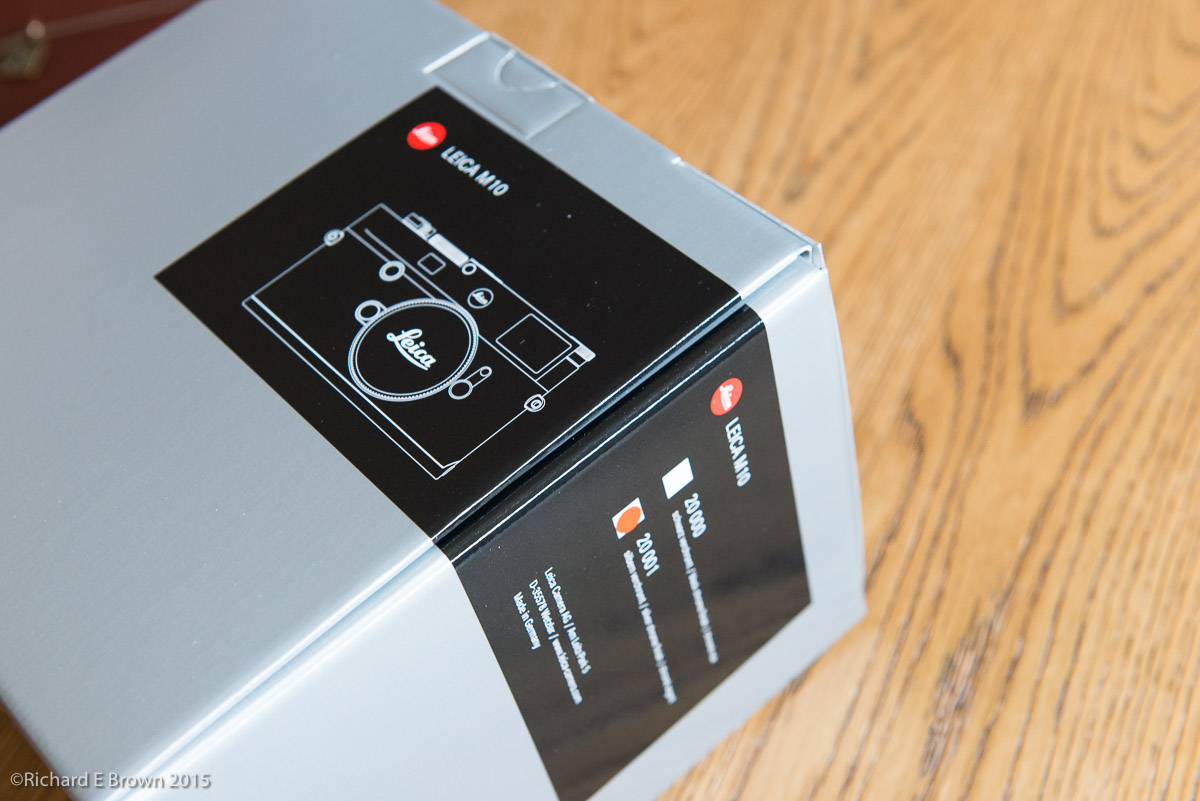
This opened up to the typical Leica box.
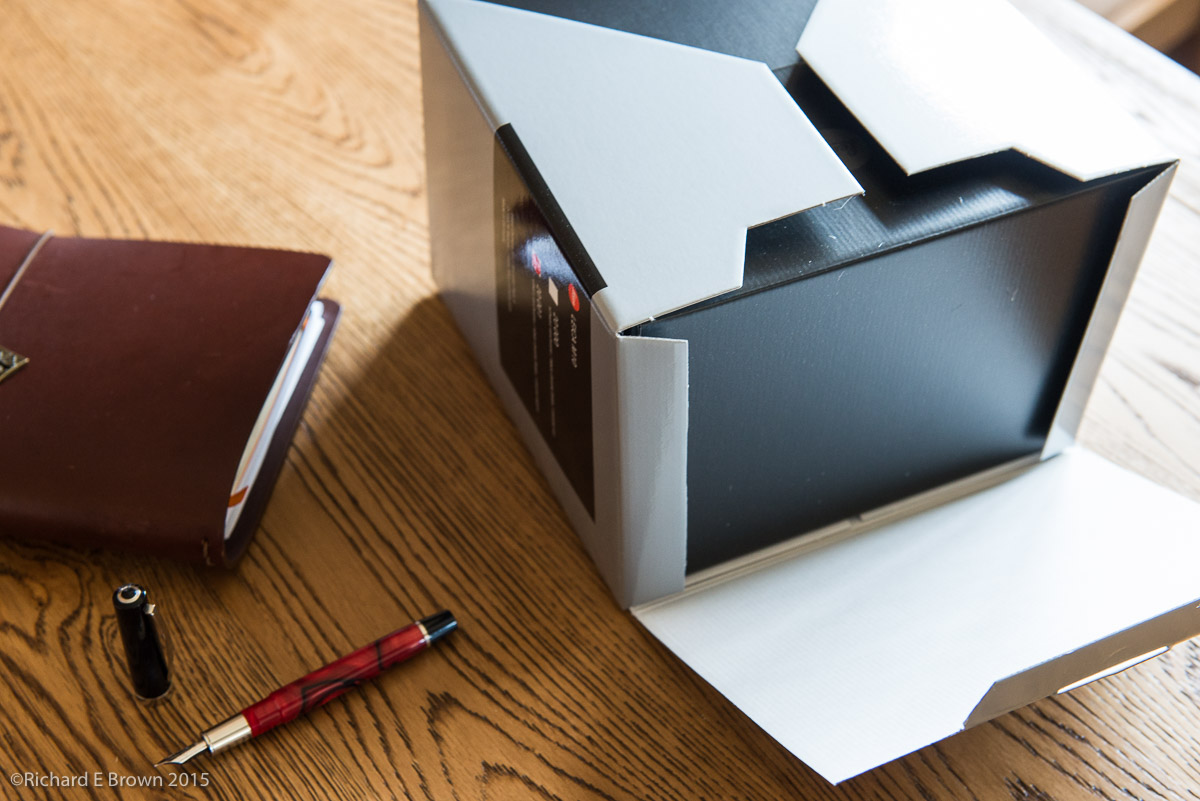
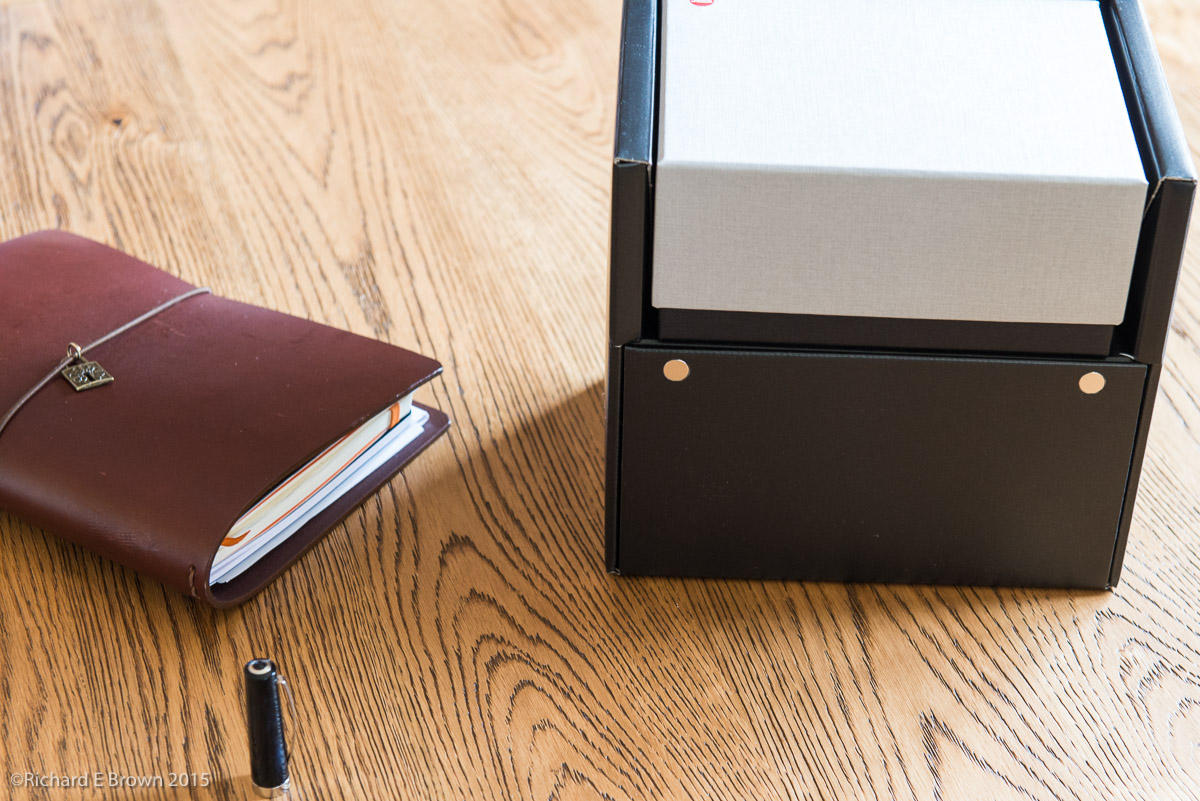
Inside this was a very smart black box with magnetic closing lid, the top holding the camera and two draws below that.

The top draw holding the documentation and the bottom draw, holding a multitude of cables and the charger, and the battery.
There was a US cable, an EU cable and a UK cable together with a car charging cable to charge your battery from the 12v accessory socket in most cars.
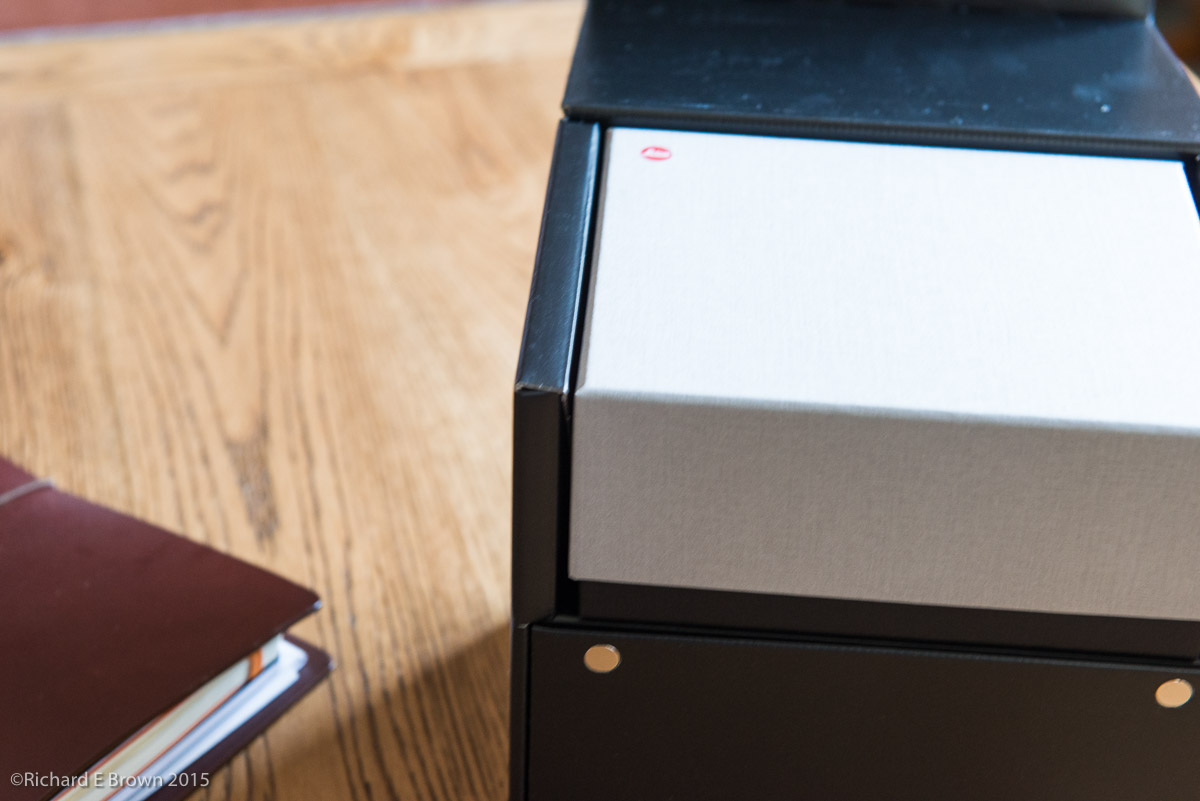
I unpacked the cables, charger and battery.
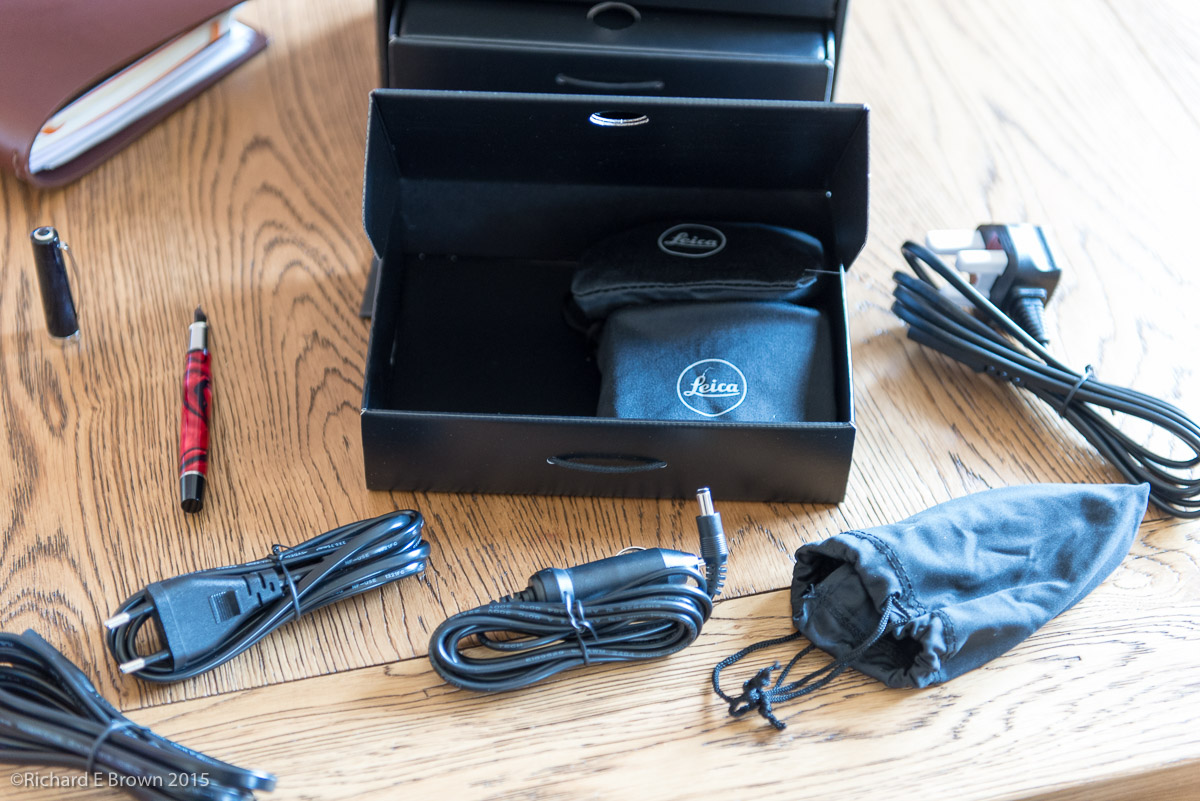
I also had a couple of other boxes, these were the accessories I had ordered.
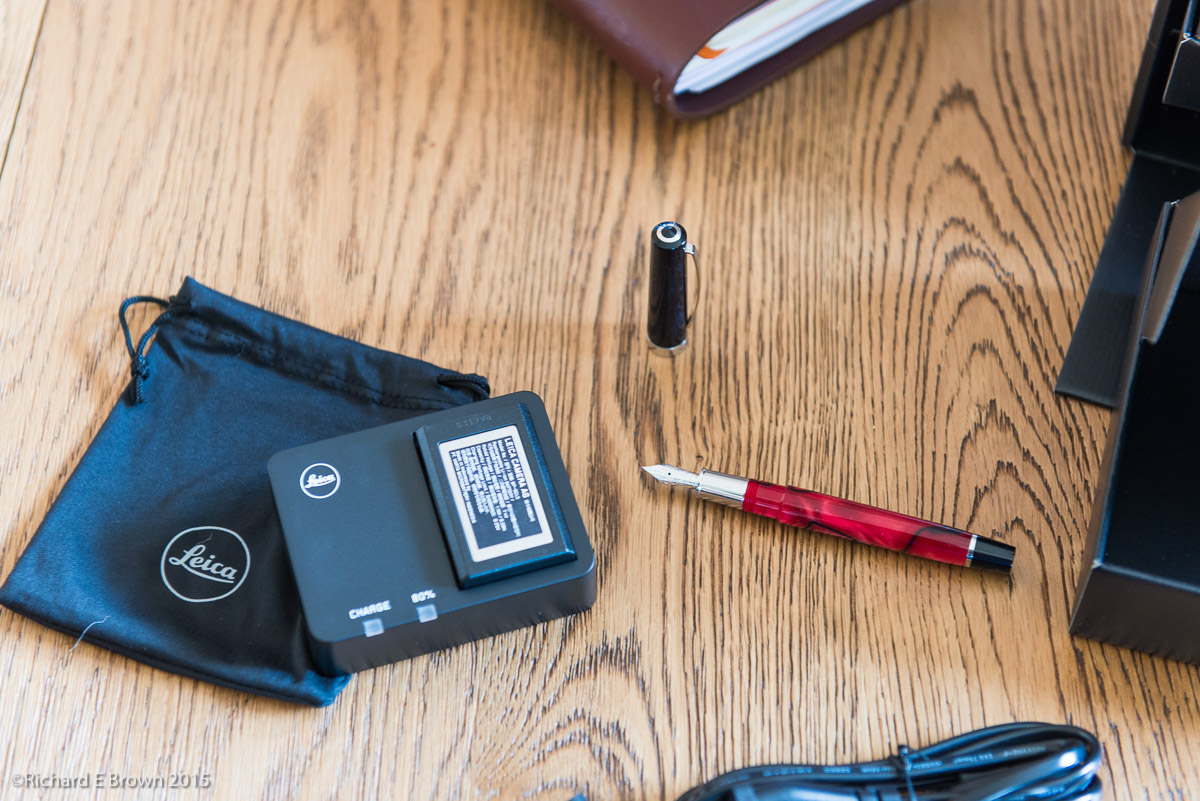
The camera came with one battery and I had also ordered and received a spare. Each item was neatly packaged in its own cloth bag.
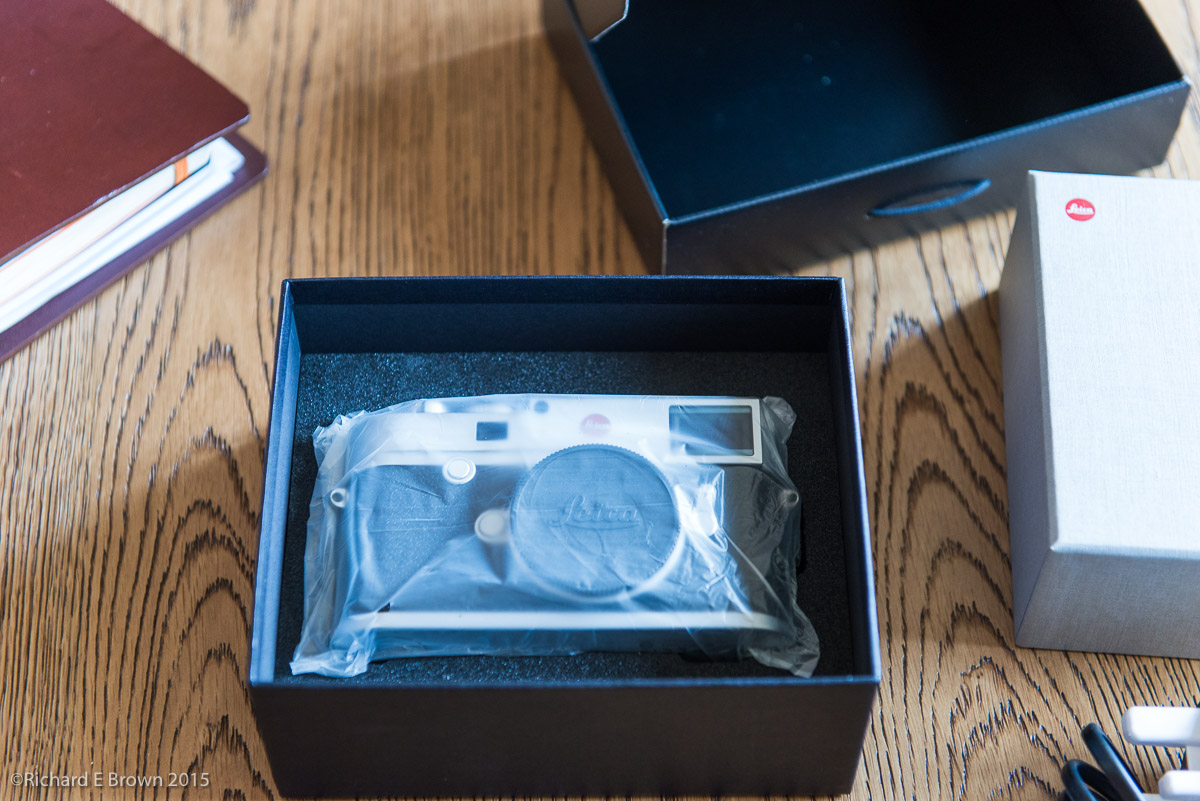
Finally I took out the top box and opened it up to reveal my new Chrome M10.

I quickly dug out my Leica M4 and removed the 50mm Summilux from it, removed the IR cut filter that I have on my lens when shooting with the Leica M8 and put in on the M10. I also got out the leather case I had ordered and the thumb grip.
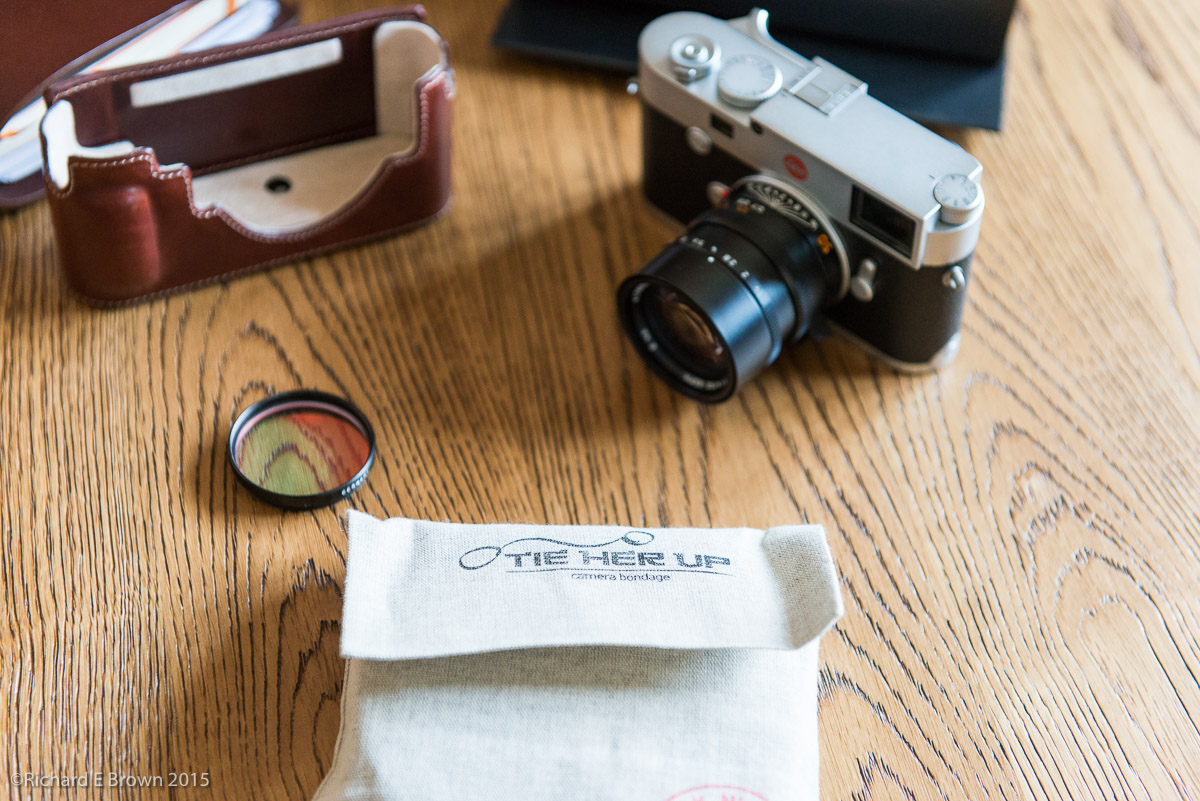
While the camera came with a leather strap, I am a sucker for collecting nice leather straps and had ordered a new one from Tie Her Up. A brown leather version that complements the chrome camera well.
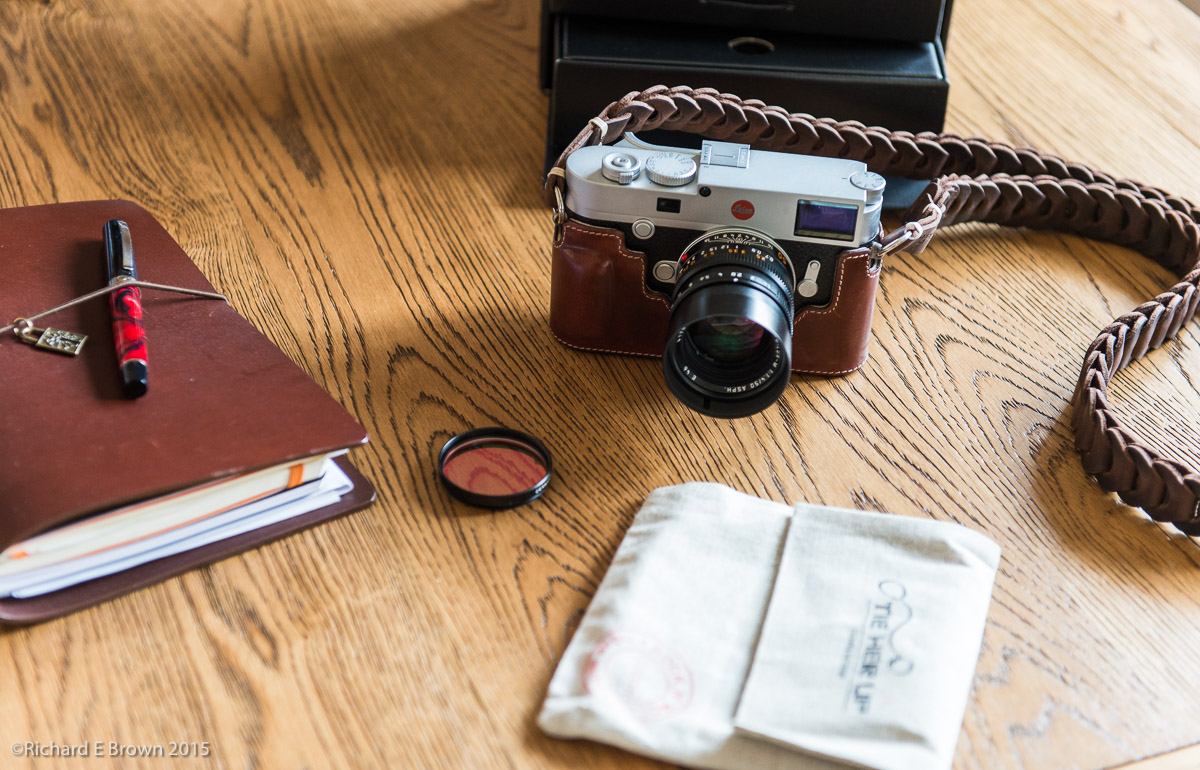
So there we have it, my nice new Leica M10.
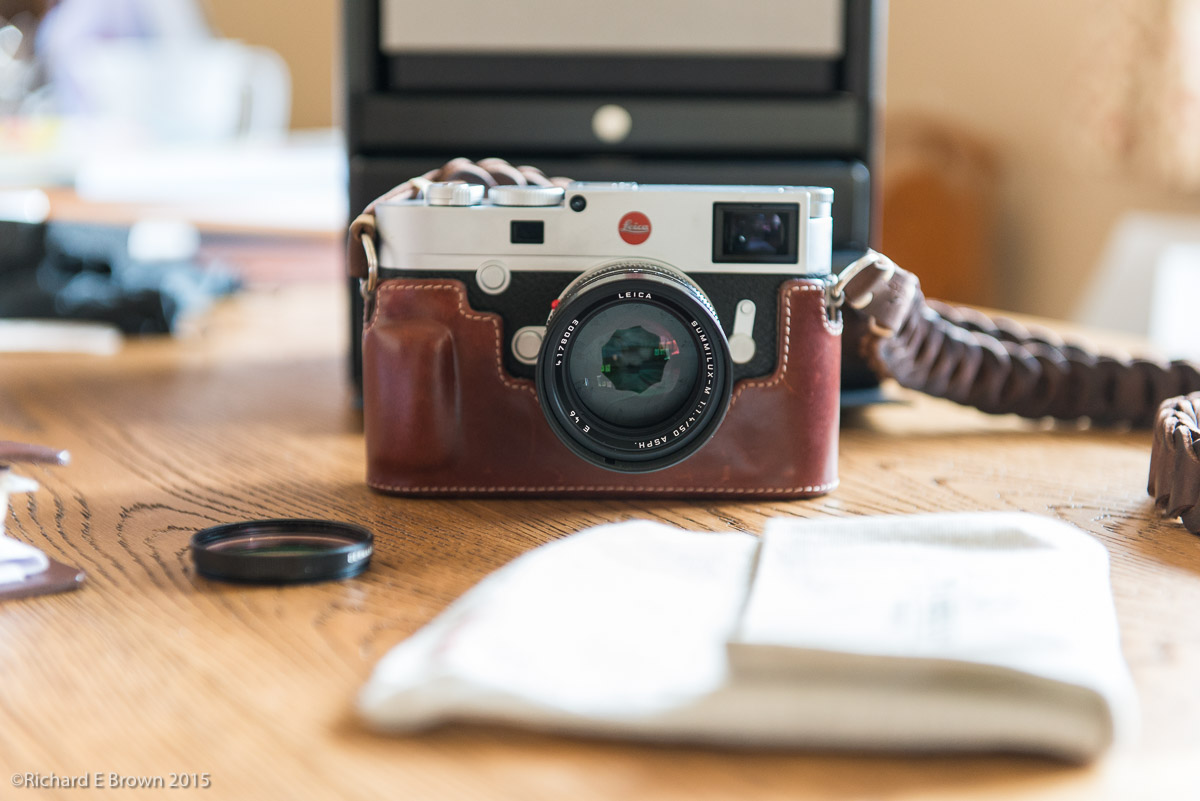
Unfortunately the batteries, just had enough power to set the date and time. So while the battery is on charge, its unlikely I get the chance to use it much before Wednesday.
If your a model who follows my blog, I may be able to squeeze in a couple of hours studio time on Saturday to run through some tests.
Over this weekend there have been many events and things to do here in Lincolnshire.
As I mentioned in the last post, with this being a long weekend we spent one of the days in Epworth.
On Monday we visited Doddington Hall a local stately home. They were having a vintage event, with classic cars outside and a market inside.
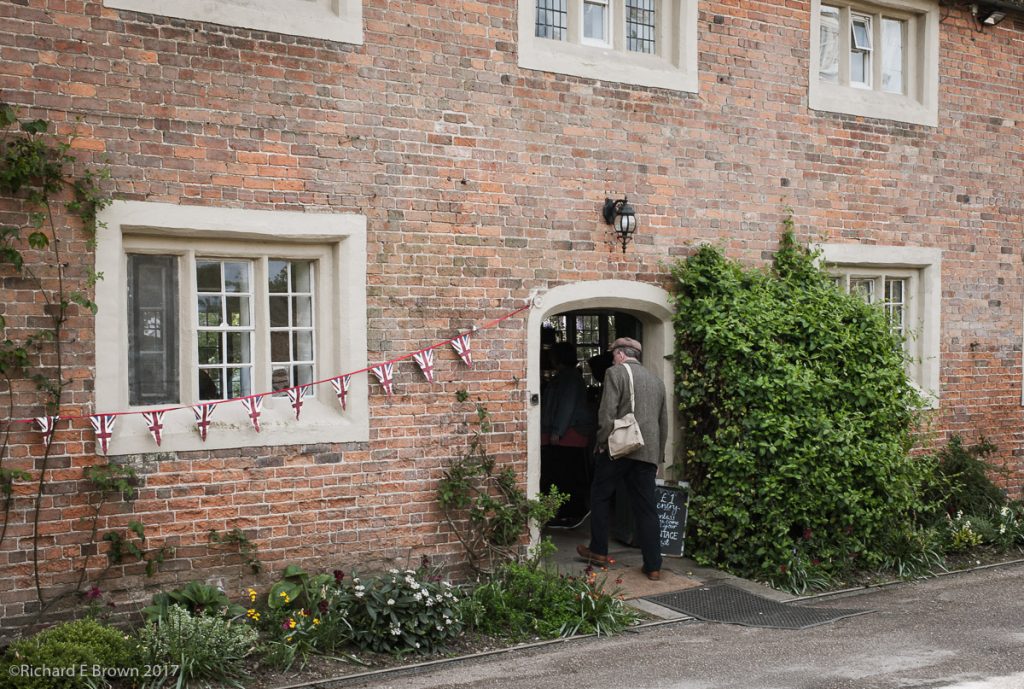
People were invited to attend in vintage attire so we decided we had to.
Caroline wore a classic 1950’s dress, which she had made herself, and so looked very much the part. While I wore some smartly tailored english trousers, a plain Irish made white classic shirt, english brown brogues and a Harris Tweed jacket, topped off with a Fedora hat.

I was surprised how many people had dressed up. Interestingly while couples were dressed up, for singles it was mainly women dressed up, but there were a couple of solo men who had dared to be different. We even had a steam punk.
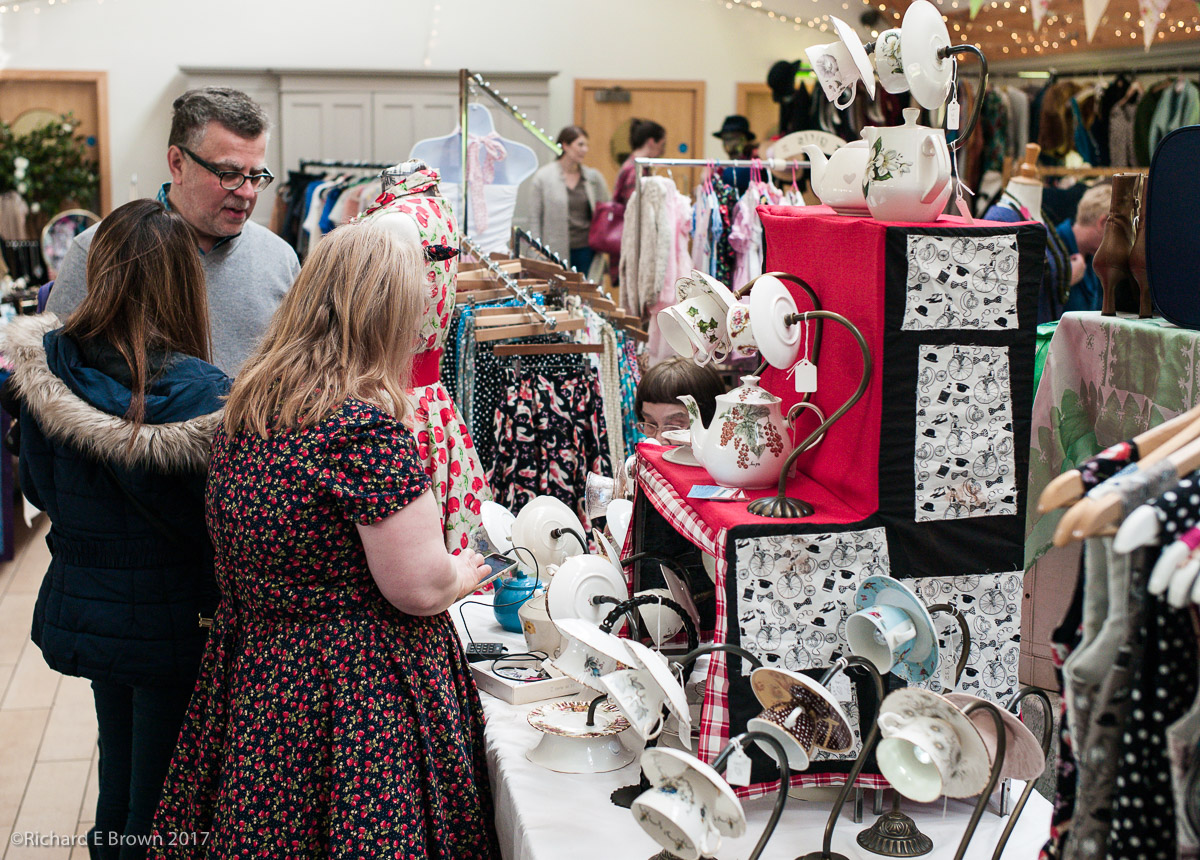
Inside was the usual collection of vintage stalls, most of them being 1960’s and earlier. At a few recent vintage events we have seen things from the 1980’s being called vintage, which really makes us feel old.
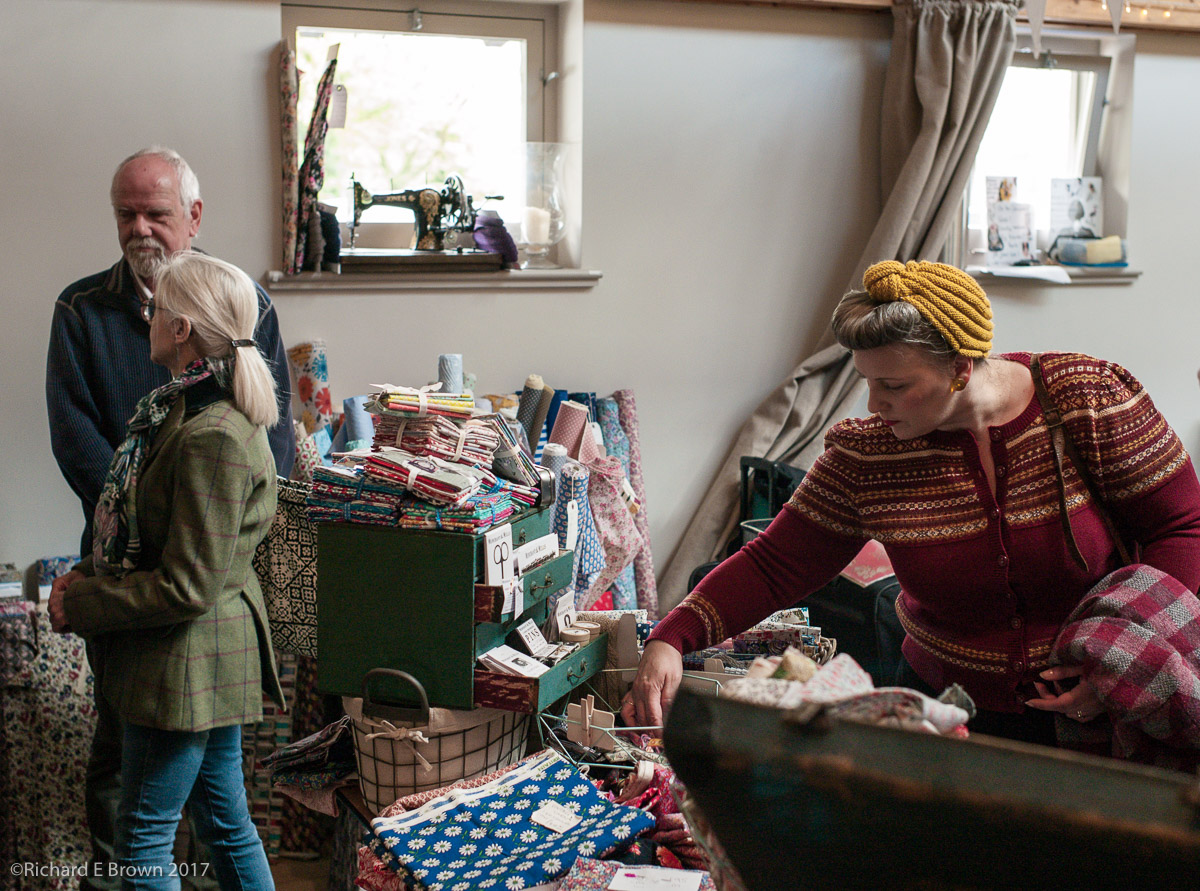
Caroline’s favourite Lincoln sewing shop had a stall there, and the owner recognised the fabric that Caroline’s dress was made of; she had bought the pattern and the fabric from their shop. She asked, and Caroline graciously agreed, to be photographed.
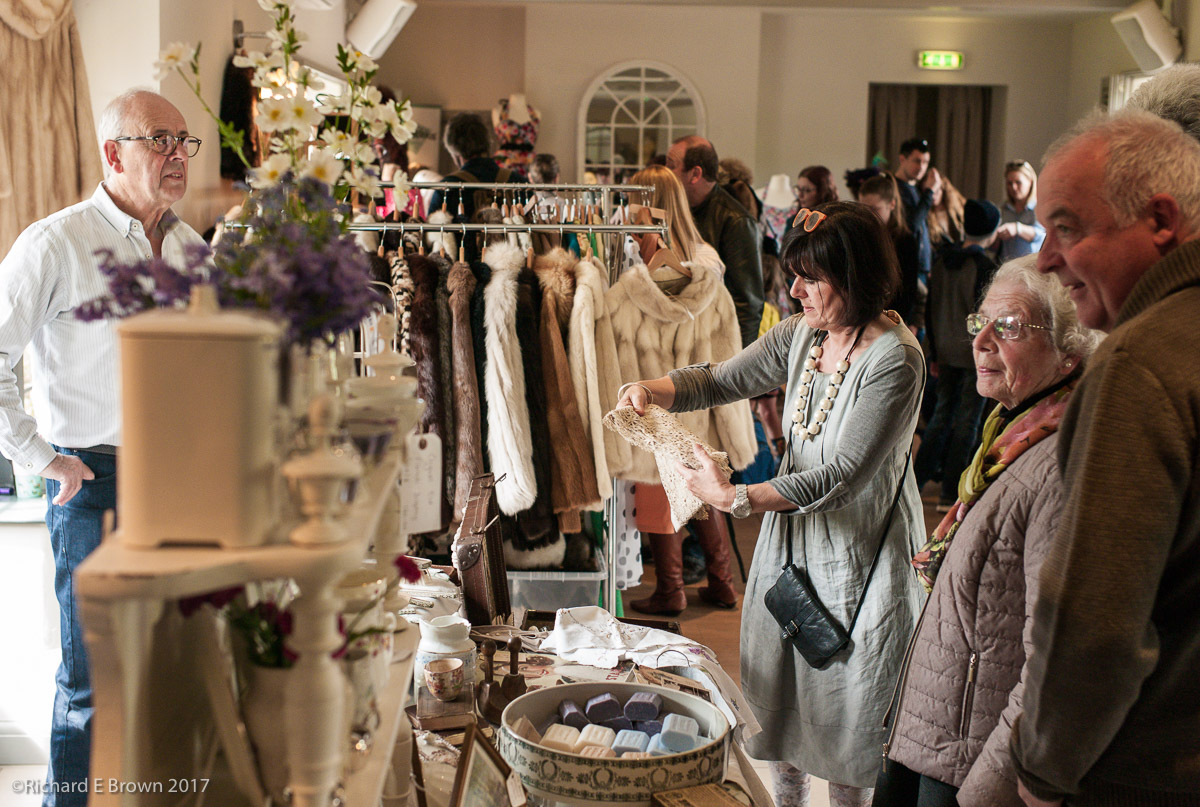
While Caroline was buying a new pattern and the fabric for it, I treated myself to a small leather vintage driver’s license holder. The new plastic photo licence fits nicely.
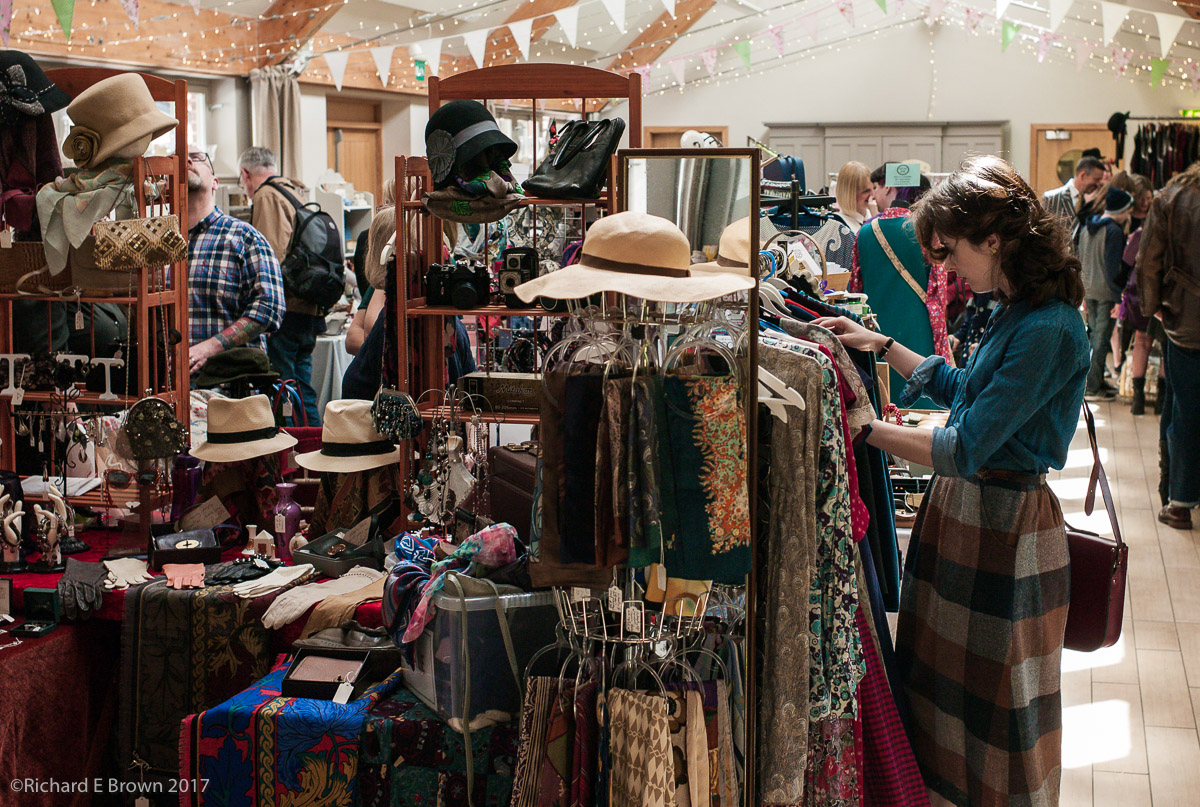
There were also a few vintage hats but nothing as nice as what I already have.
Caroline then bought a handbag to add to her collection.
Overall a fun morning out and well worthwhile. With this kind of event I was shooting with the Leica M8 and a 35mm Summicron which looked the part. With the challenging lighting conditions and my M8’s limited ISO range, I suffered with a number of shots being blurred due to slow shutter speed, and the interior had mixed light sources, of sun, and several different types of artificial light sources, so the white balance was a challenge.
It was a shame my Leica M10 has not arrived yet.

This weekend here in the United Kingdom, its another bank holiday. We decided to have a visit to the town of Epworth. We visited a few shops, bought a few treats and finished up in one of the many tearooms.
Epworth is of course famous for being the home of the Wesley family and is considered to be the home of Methodism.
 Nikon D800
Nikkor 24-70mm f/2.8
70mm, 1/640 Sec at f/2.8, ISO100
Post Processed in Adobe Lightroom CC2015.10
On a Mac Pro, OS-X 10.12.4
Another walk around Lincoln and a quick snapshot of High Bridge. In medieval England it was common for building to be on bridges, and Lincoln High Bridge is one of the few remaining and was constructed around 1160 AD.