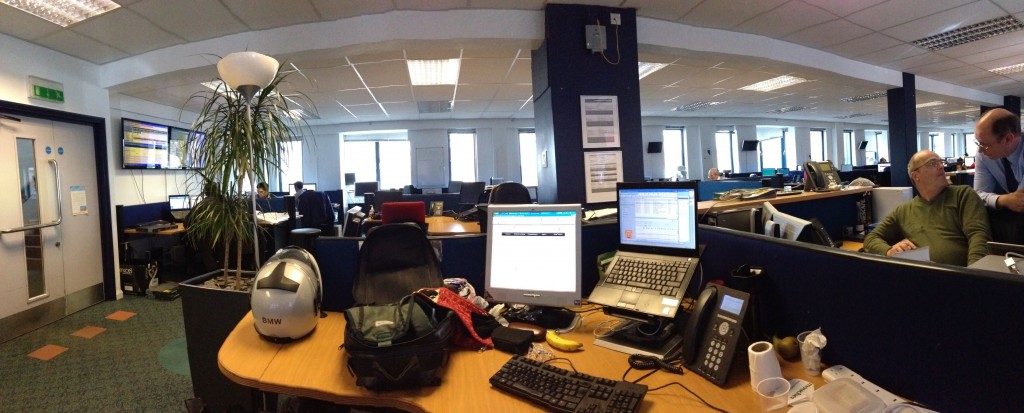
Just last week I posted about motorcycling in the warm weather, well only the next day the rain and drizzle returned.

Oh well, never mind, its still better on a bike then any other form of commuting transport.

Family, Photography and other misc news
Just last week I posted about motorcycling in the warm weather, well only the next day the rain and drizzle returned.

Oh well, never mind, its still better on a bike then any other form of commuting transport.
Many feel that monitor profiling, soft proofing etc are a bit of a dark art.

People run off prints and the colour differs, the prints look to dark. Its something I have struggled with in the past. If your using monitor profiles to keep your screen accurate, and print profiles, your prints can still be too dark and the colours not as you would expect.
It may be obvious to state but the technology that produces the image on the screen, and that which produces the print are very different. The key difference is that a screen displays by emitted light and has a massive contrast range but limited resolution. A print is views by reflected light, thus has a very compressed contrast, it is this that produces a dark print, our modern screens are way to bright and contrasty.
The other surprising thing for people is that prints are much higher resolution then our screens, thus the image needs sharpening to the point that it looks poor on the screen but great on print.

Because of the differences between screen and print, one needs to post process an image twice, one for screen then again for print.
In fact with the lack of colours available in common web browsers one can even make a case for post processing an image three times, one for screen, one for internet and one for print.
As well as brightness; colour as mentioned above needs considering. The screen displays a difference colour gamut to that of the common web browser, and also print. One cannot say one is better then the other (except for web); the print from modern printers and display a range of colours and a resolution that just cannot be matched by todays screens. But its not as straight forward as that, some colours the screen can do that the printer cannot.

The poor relation is the web. People judging cameras from the web are really missing the point. The web uses sRGB as its colour gamut, this is very limited, and many browsers ignore colour profiling information even when its in embedded in the image, so its impossible to fully know what a image will look like on the web, plus how many users viewing that page have a colour calibrated and profiles display.
Photoshop has for a long time had something called soft proofing, this tries to simulate on the screen what might be on the paper. Lightroom V4 now has this too, and it can be an excellent guide.
I’ll blog some more in the future on how to profile and soft-proof your images but until then, just remember, screen print and web are all very different mediums, you cannot expect your image to look the same.

Technology keeps moving on and after assuring myself that my key apps would work, I bit the bullet and upgraded. As always with an Apple Mac and OS X, the upgrade was easy and trouble free.
When I upgraded to Lion, I installed that on a second hard drive and tested all my apps first, I also waited for the first update from 10.7.0 to 10.7.1 before risking it.
But as Snow Leopard was to Leopard; more of a under the hood polish, then so is Mountain Lion.
Nothing too much to say about it yet, it all works and the computer is definitely a little quicker. The major thing I have noticed is Safari, it really is much faster.

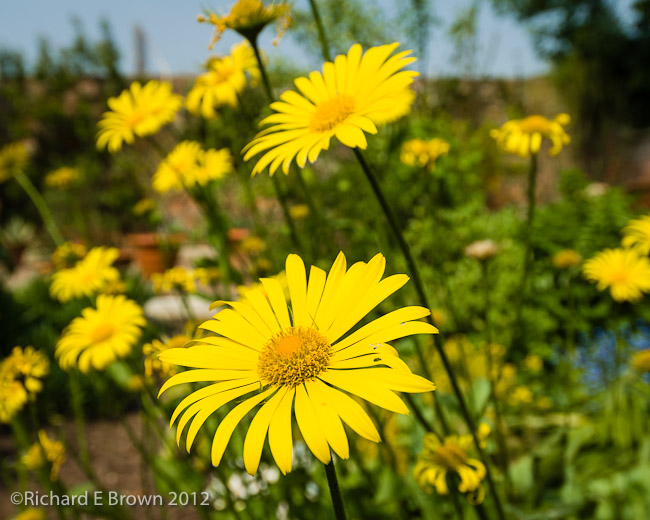
Nikon 1 V1
Nikkor 10-30mm f/3.5-5.6
30mm, 1/80 Sec at f/5.6, ISO200
Processed in Adobe Lightroom V4.1
On a Mac MacBook Pro, OS-X 10.8

The warm weather here in Lincolnshire is still with us. Most people would be surprised to find out that the Summer is not my favourite time for motorcycling. I find the Spring and Autumn is better, not too hot, and not too cold; the Goldilocks seasons.
With modern clothes cold is now quite easy to deal with, and if like me you ride all year round, then indulge in heated grips and a heated waist coat. An expensive luxury, but feeling cosy and warm in the middle of Winter can really make your Winter rides fun.
Anyway, I am starting to ramble, back to the point of the post. Hot weather is harder to deal with, I see far to many people wearing tee-shirts, and shorts. Some people compromise and wear the full bike gear but leave the gloves at home. Well your all MAD never compromise on what your wear. I have the BMW Rallye 2 Suite, its major downside is when its hot and wet, its just too hot, the waterproof layer zips inside and is fleece lined, on a warm day in the rain you melt, but on days like we have had in the last week, its been brilliant. With just the outer layer, with all its vents and the armour layer its perfect for hot dry days.
But always remember its better to be hot and uncomfortable then badly injured, waiting for skin grafts.
The last Friday in July is SysAdmin day.
A SysAdmin (System Administrator), is someone who looks after the backend IT Systems that we all rely on now.
If you know one show your appreciation.
Well the latest and greatest OS X release is now here.
Not had a chance yet to try it. Will need to ensure all my key apps work with it and if my laptop will take it.
We will be getting it soon either way as its time to replace our old PowerBook.
My MacBookPro still has plenty of life left in, so the new laptop will go to Caroline while I turn the PowerBook into a server.
Update: 27th July
Adobe and Apple have worked closely together to test Adobe® Creative Suite® 5, 5.5 and CS6 editions and individual products for reliability, performance and user experience when installed on Intel® based systems running Mac OS X Mountain Lion (v10.8). Earlier versions of Adobe Photoshop® (CS3 and CS4) software were also tested with Mountain Lion and there are currently no known issues.
Adobe requests that users discovering problems report them to Adobe.
http://www.macrumors.com/2012/07/25/adobe-and-avid-report-only-minor-issues-with-mountain-lion/

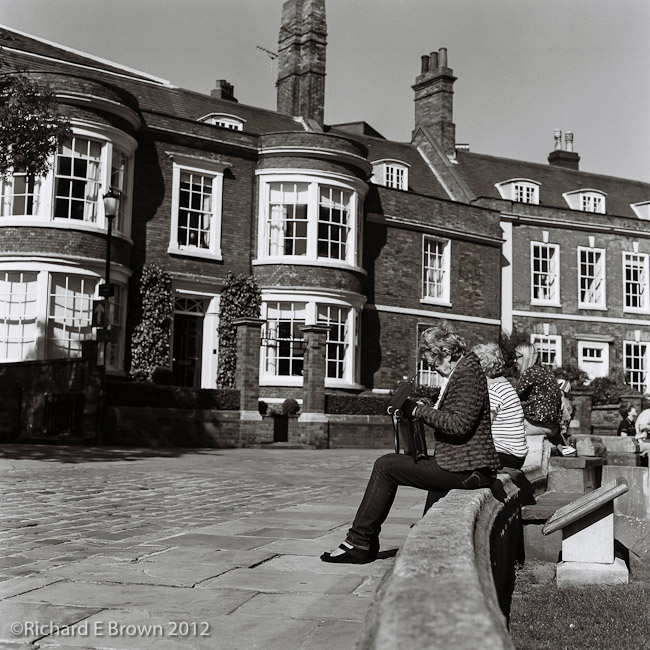
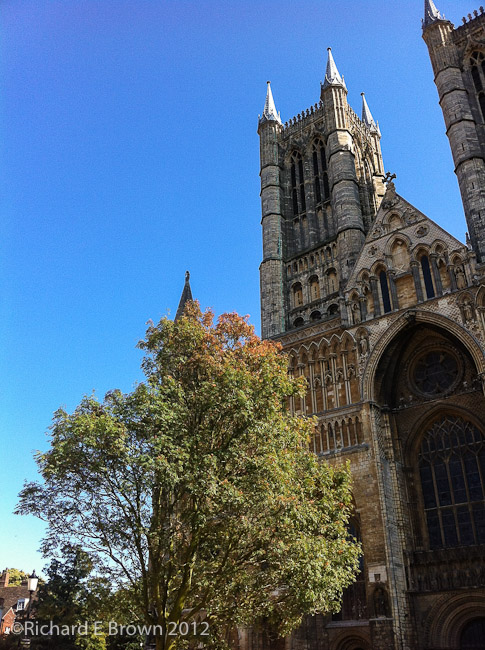
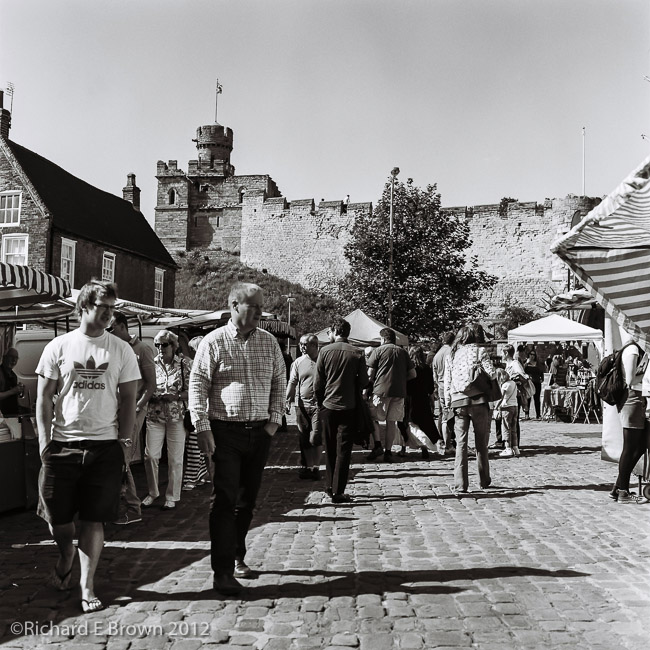
This weekend I decided I had to get out and shoot. The weather was warm, sunny and certainly not the best for landscape photography but I wanted to do some testing.
Lincoln is a beautiful city and is blessed with one of the greatest Cathedral’s in the world.

I am after a new wide angle lens for Large Format 5×4, and am not sure quite what to get. I have a good idea what field of view lens in 35mm have just from the focal length but with large format, I am still relatively inexperienced.
So Saturday morning I headed in Lincoln with the Large Format gear and did some testing, while the light was not the best, I think I got at least one good shot (I took three in total), but more importantly it gave me a better idea what my next lens will be.

A few years ago Fuji discontinued Fuji Velvia, for many photographers this is there favourite landscape film. Well due to photographer pressure they brought it back.
Now they have announced it will be discontinued again for some formats. For me I don’t mind if then end it for 35mm as I only use Black & White film for 35mm and mainly digital. But for medium format and large format I am a heavy Velvia user and hope they keep it for us larger format users.
Most people now use auto focus cameras. My old medium format Hasselblad is a V series so is manual focus as is my large format camera.
Also one of my favourite 35mm wide angles is manual focus, but thanks to Nikon keeping there F mount it still works even on the latest modern Autofocus cameras.
What I have found surprising is that sales of classic manual focus lens is increasing. The reason is cameras like the micro four thirds system and the Sony Nex system. People are rediscovering some of these old classic lens and with converters and features like focus peaking they work well on a number of modern cameras.
It’s great to see these old lens being used again.