Sometimes I visit a place to look for future picture taking options. In this situation, maybe a phone camera will do, but I prefer a real camera. Often its my Leica or Nikon Zf that serve me in this as a note taking camera.
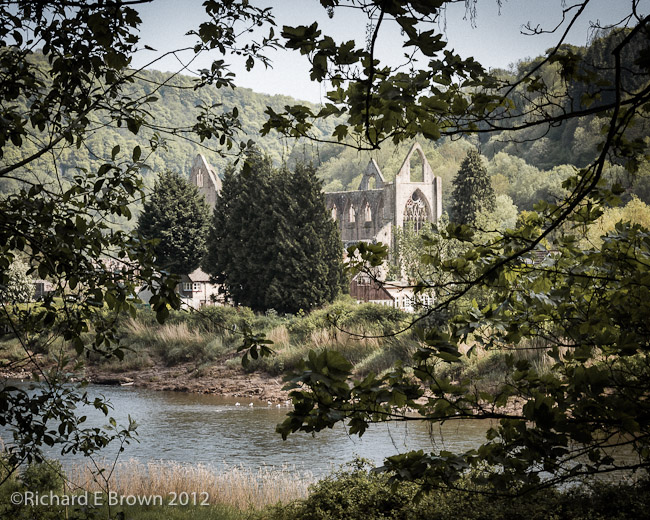
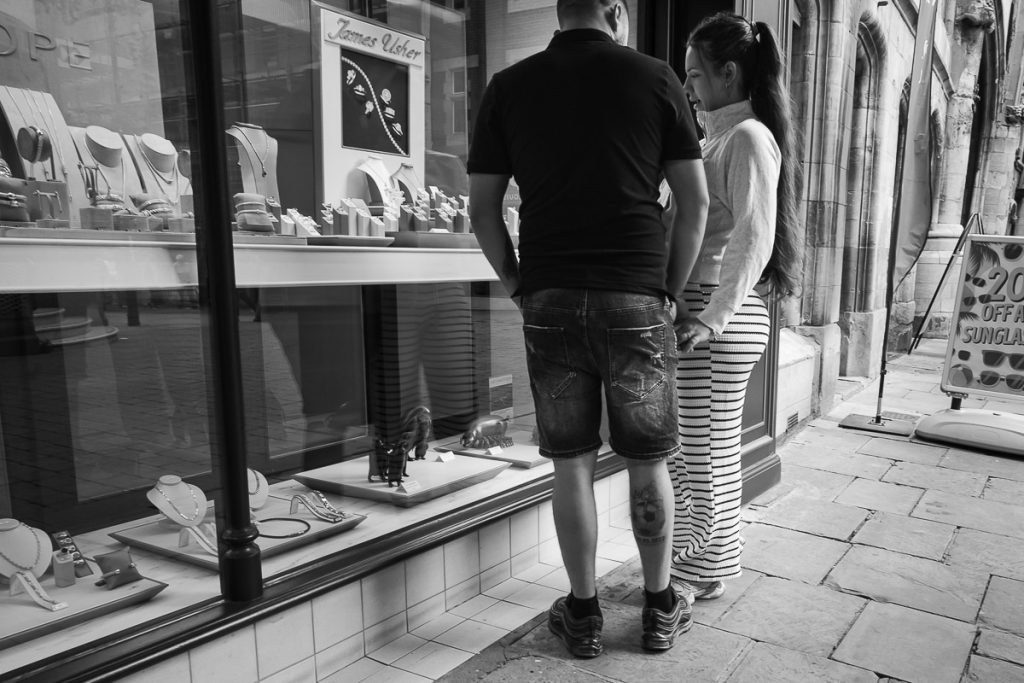
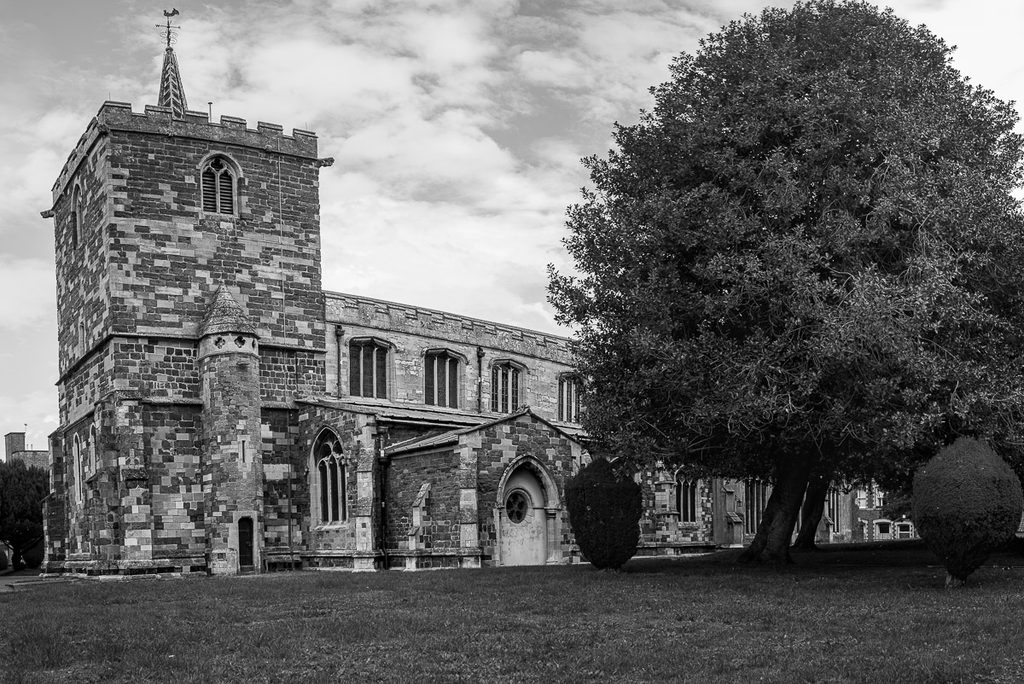
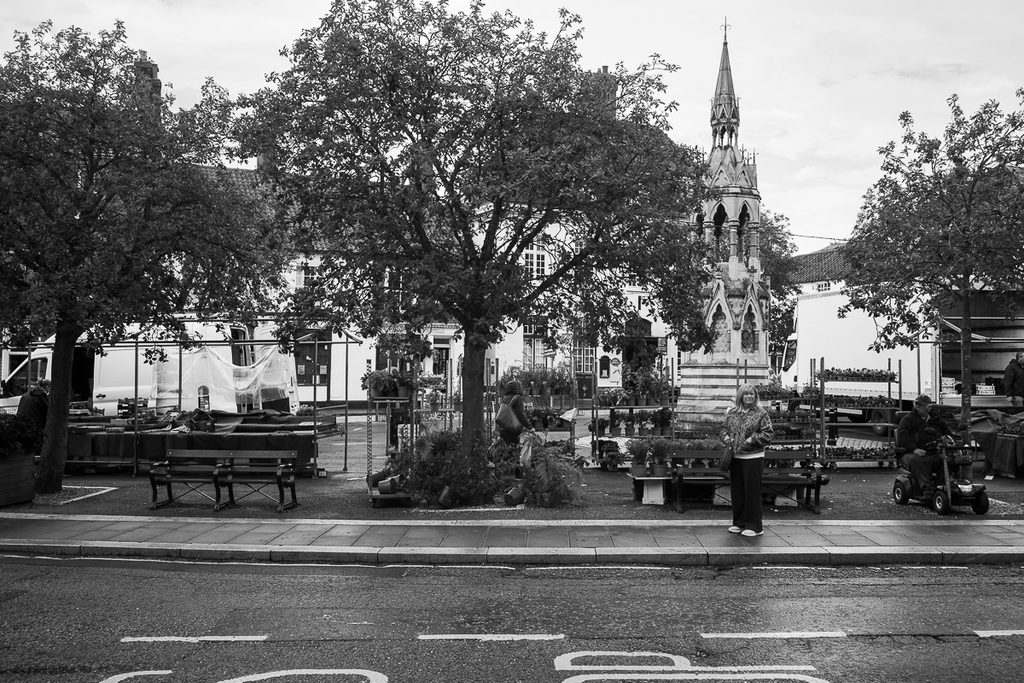
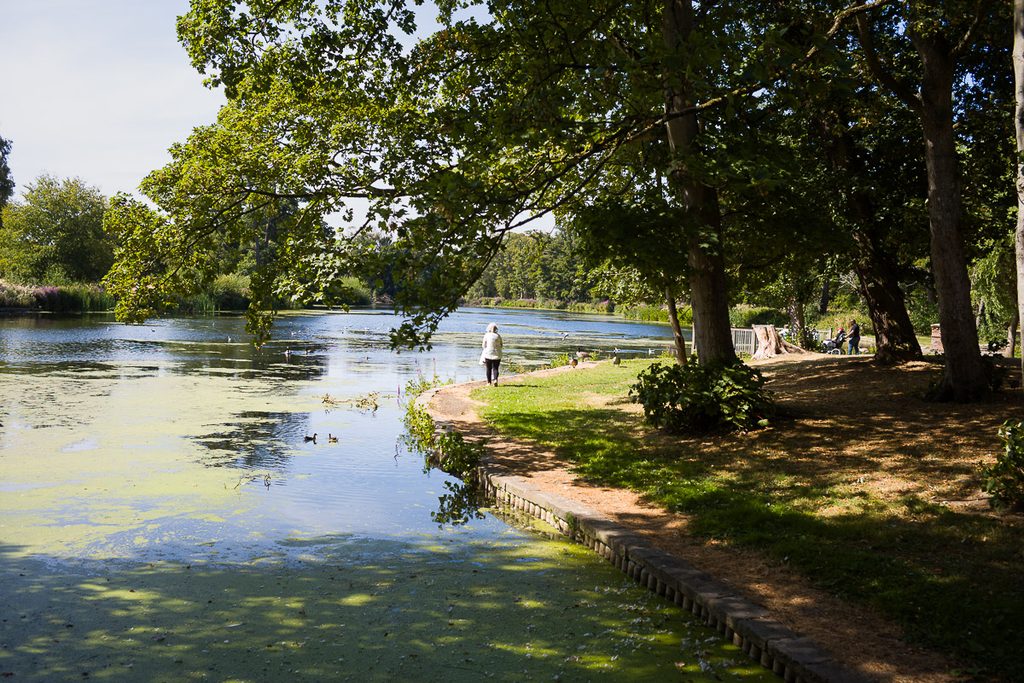
For quite a while I used the Nikon V1, a small sensored and small bodied camera that would always fit in a jacket pocket with ease or not be noticed when hung over the shoulder. I the the picture above with it while scouting for a location to shoot the abbey with using my large format camera gear.
I recently came across a youtube video that really well encapsulated my thoughts on this subject of scouting a location really well. Check out Courtney Victoria’s YouTube channel.
My first every day carry camera was actually an old film Hanimex AF film camera. It was a re-badged cheap film camera but worked well. I then went on to a Nikon S3 digital compact, but I was always on the lookout for a large sensor’ed compact like the Fuji X100 or Ricoh GR.
I have tested both of these but prefered the viewfinder of my Leica to either of them, the Ricoh having no viewfinder and the Fuji being a poor competitor in the viewfinder stakes to the Leica.
Over the years I have kept returning to and testing the Olmpus Pen range.
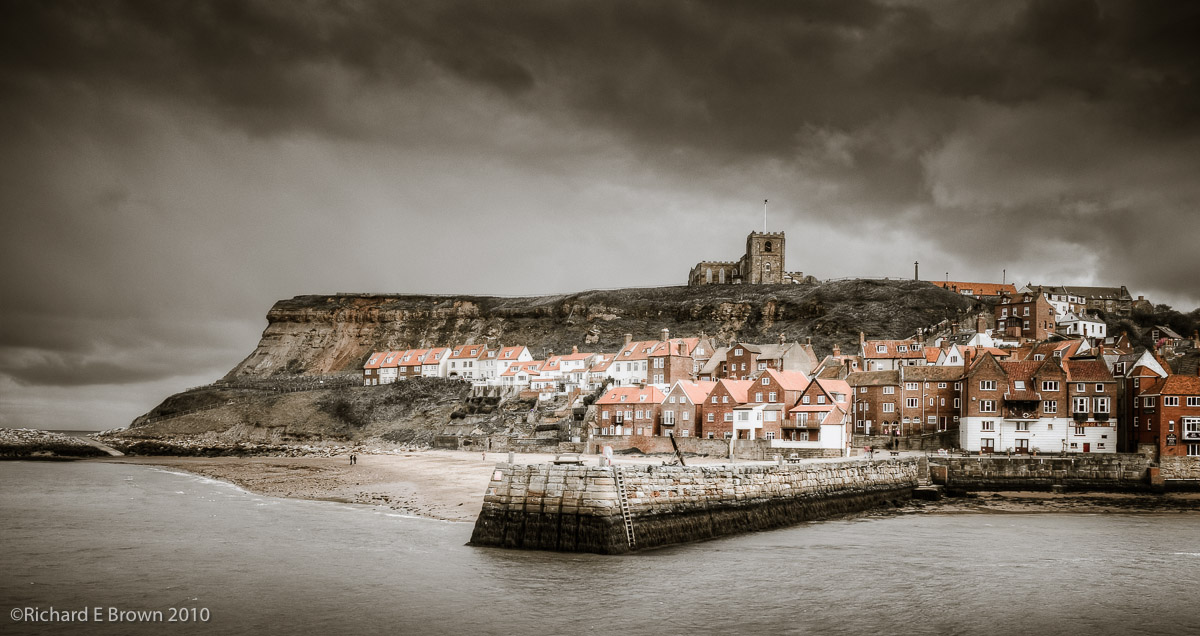
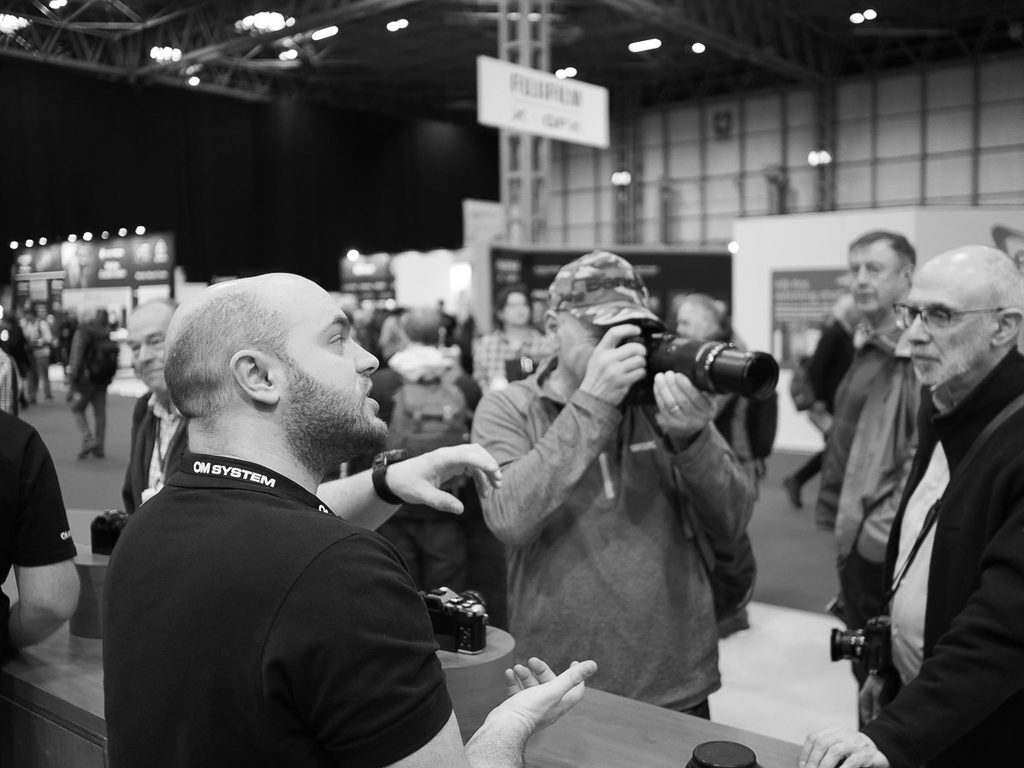
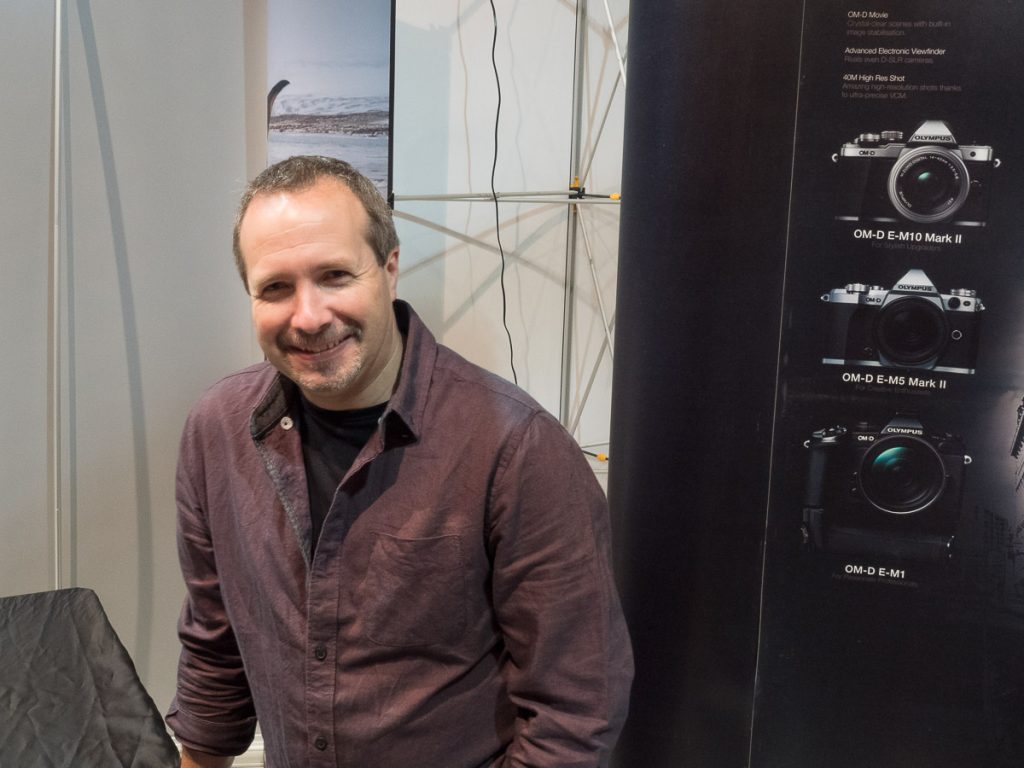
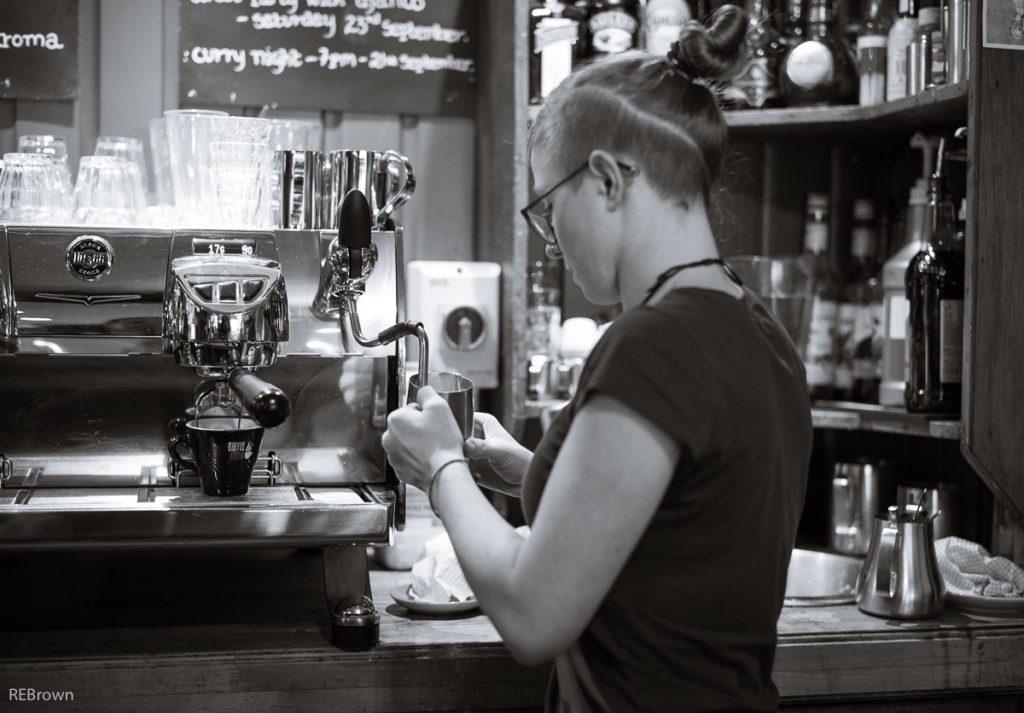
As I posted a while back, I went on a photo walk with the Olympus rep and a OM5. This was a great little camera but I prefer the styling of the Pen. I kept putting it off as none of them had viewfinders. When the Pen-F came out, I loved it but it was too expensive for me at that time. I did get the chance to play with the OM3 recently with is totally gorgeous, see top photograph I took with it at a show. The second shot is a portrait of the amazing photographer Gavin Hoey. This was a shot with the Pen-F and the 17mm f/1.8 lens at high ISO and at 1/3 of a second. Considering the bad artificial light its come out really well. Likely if I had been more familiar and experienced with the camera, this shot would have been much better.
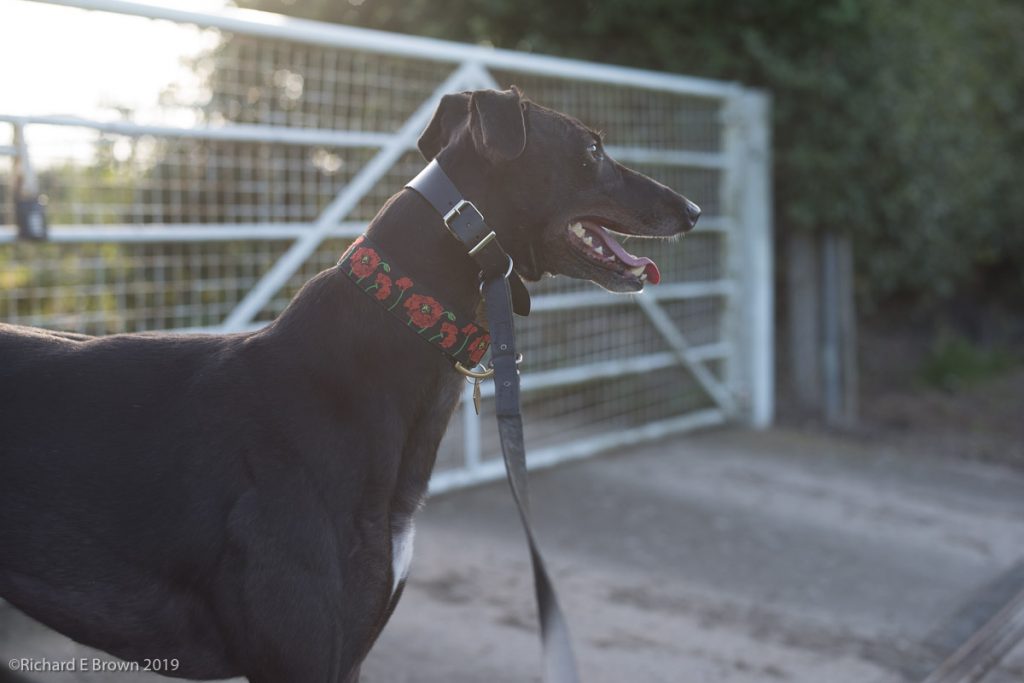
My everyday carry at the moment is a Leica M, but sometimes I want something I can use one handed, especially as I am often out with Ted the Greyhound.
The original digital Pen keeps coming to mind and if I can find a VF-1 optical viewfinder that fits in its hot shoe I might pick one up second hand, there only £100 now and still a nice performing camera. It would be something you would not be to concerned with risking in environments where you would not want to take a more expensive camera.
I also tried out out the Pen F again last week, as they had a black one in the local London Camera Exchange. Its still very nice, but its a lot to pay for a secondhand camera and it also lacks weather sealing.
In many ways the new OM Pen announced this month would make a good option. I was in Lincoln on Tuesday and the local London Camera Exchange had the new pen in for demo.
Its got a really nice feel and for a lower end model the quality and feel in the hand was excellent. So I have pulled the trigger and have placed an order. I am going for the black one. I might add an original Pen in silver if I can find that viewfinder accessory.
Being a little late with my order its unlikely i get one from the initial batch but should not be too long. I have placed an order for the original 17mm f/2.8. This is a fun tiny lens, and i’ll also be using a 20mm f/1.4 pro lens on it as well as the zoom it comes with.
I should have taken a wider lens, but only had my walk about Leica 35mm Summicron with me so this is a stitch of several images put together in Adobe Lightroom Classic.
Last few trips out I have always taken a camera with me, generally the Leica M10. I had gotten out of the habit recently, and its one that I have been trying to get back into.
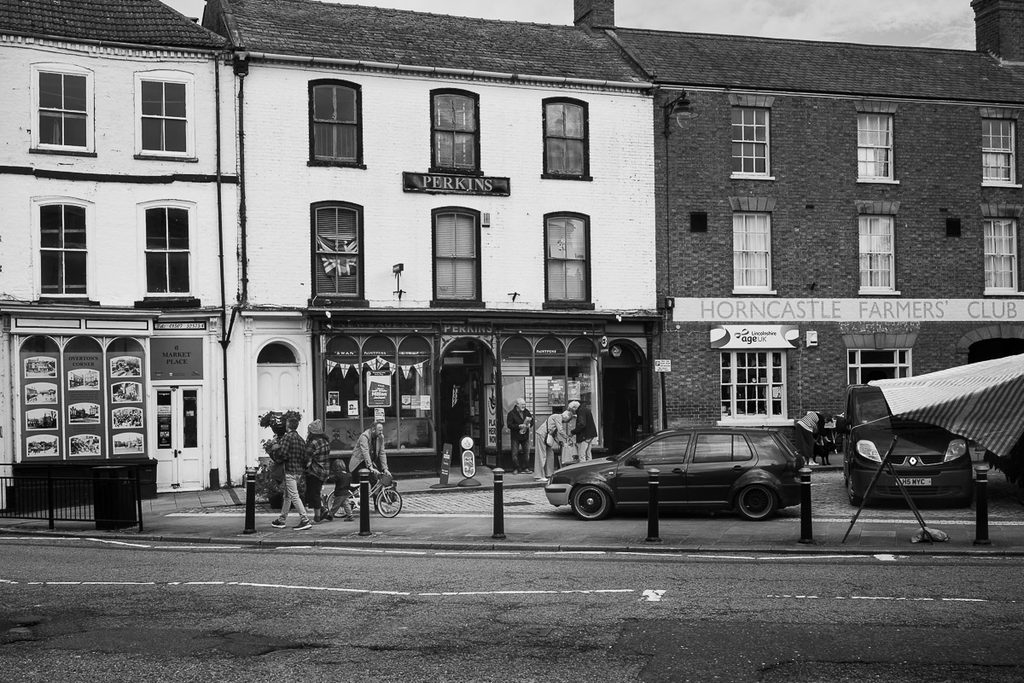
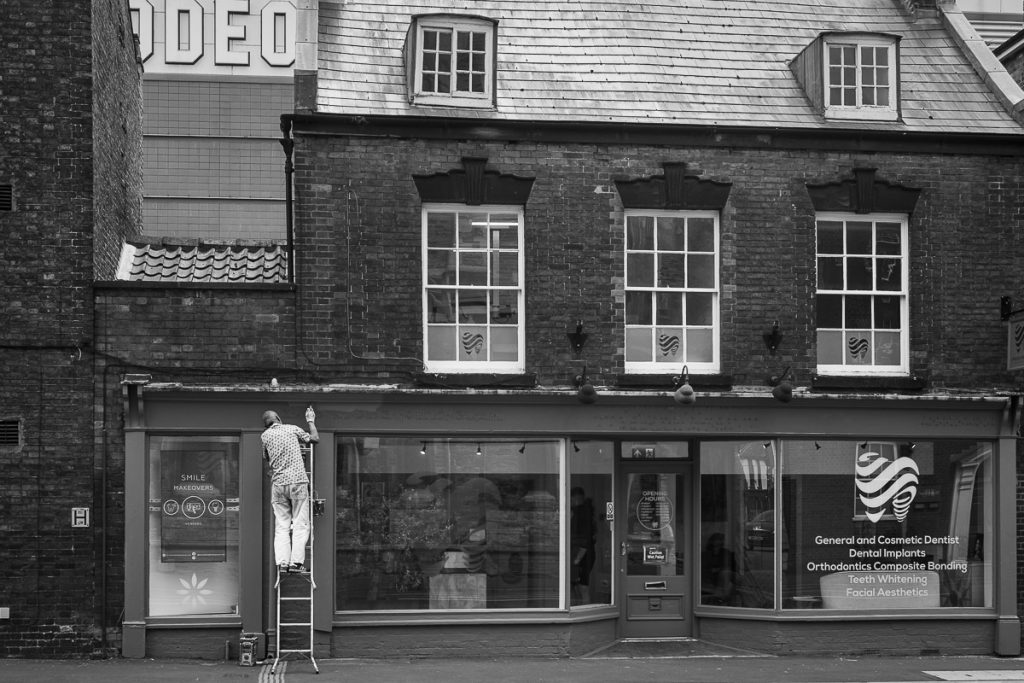
When visting Horncastle two weekends ago, I had the trusty M10 and a 35mm lens, but now I think something wider might have been better.
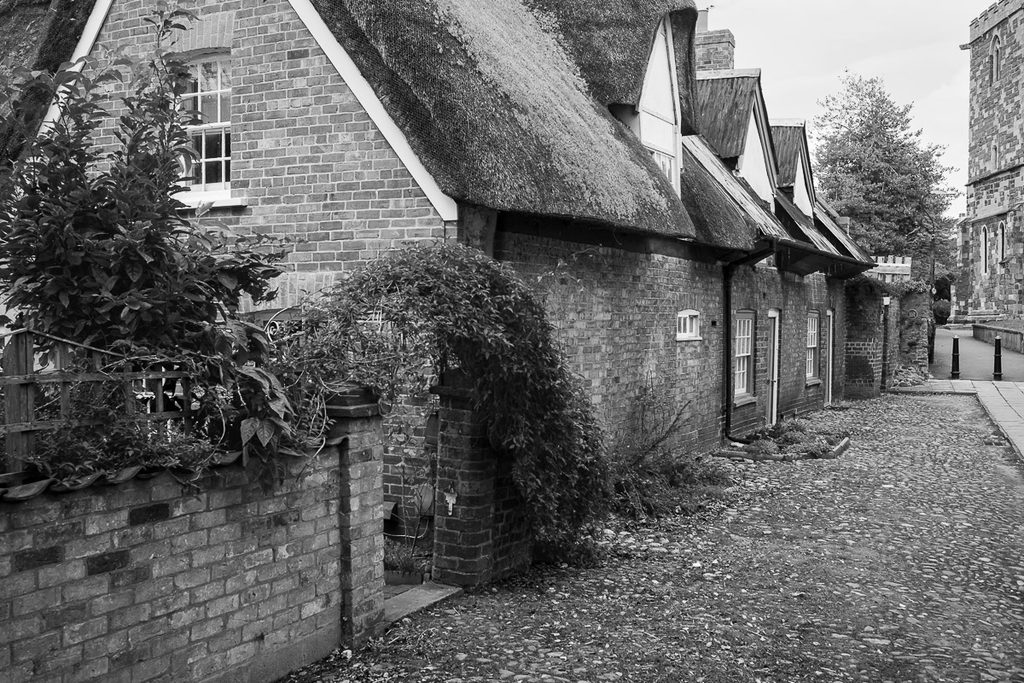
Theres some lovely old buildings in the villages and towns of Lincolnshire.
With the showery weekend we had, my thoughts turned again to a small compact or microfourthirds camera, if I can find one that is weather sealed.
The new Pen comes to mind as a great everyday carry when I don’t want the weight of the Leica or risk it in a downpour.
Over the years since inventing 35mm photography, Leica have produced some interesting sometimes limited edition lens. An odd one is the M glass 66mm. Olympus liked their 55mm, and Nikon had a classic 58mm. Leica’s 66mm is an interesting choice of focal length, an in-between choice similar to the 40mm that has become popular recently.
Not sure how many Leica made but most of the uk stockists are sold out.
I am intending to add a 40mm to my collection at some point. Any none standard focal lengths you like?
I see the argument over zooms or primes has re-emerged on social media. Also a few videos on youtube. It does seem people are making better arguments for each now.
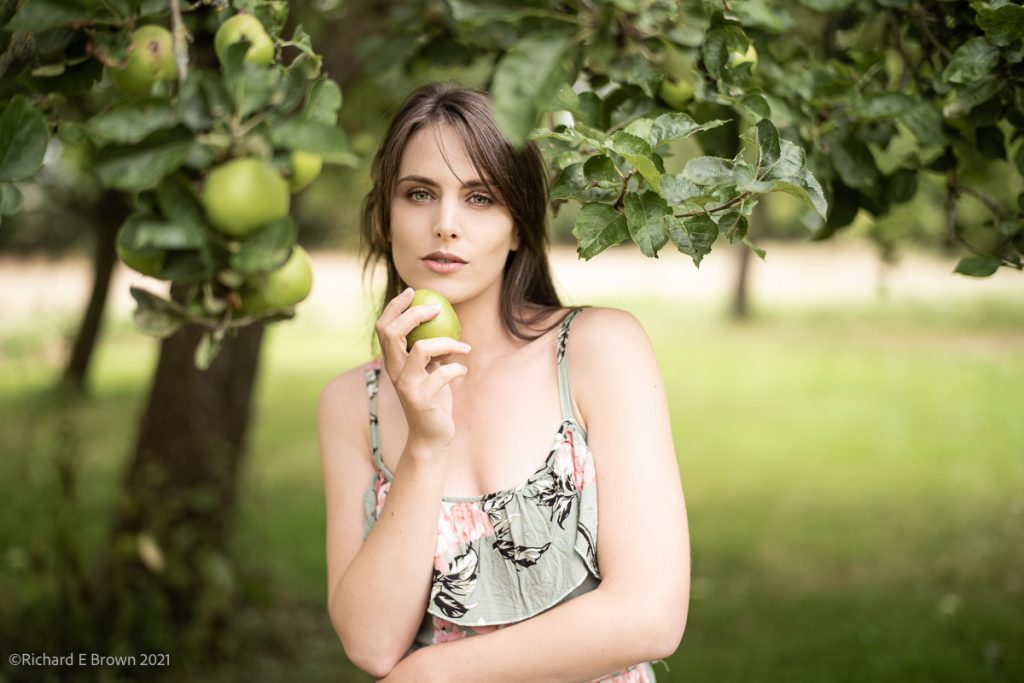
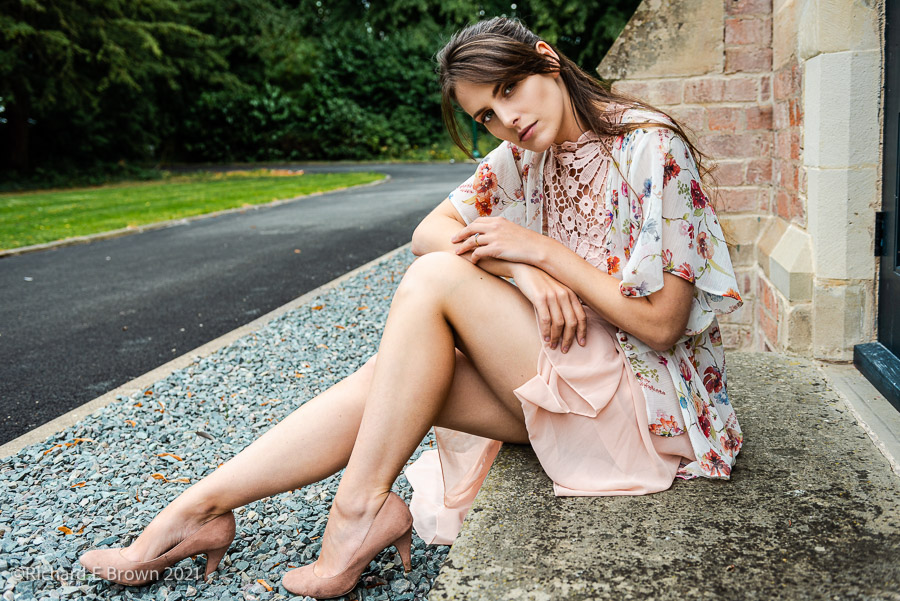
In the top image a prime was used in the next a standard zoom. The biggest difference between them is the depth of field.
The shooting experience was a little different for each. The prime was small and light but manual focus. The zoom was big and heavy but auto focus. The fixed angle of view from the prime made me think a little more about the composition and the ability to adapt and work fast with the zoom also brought something to the party.
My views have differed over the years, I started primes only, switched to the convenience of a zooms, for Weddings I would take a body with a 24-70mm f/2.8 and another body with 70-200mm f.2.8, and a fast prime for low light evening events.
Studio I have generally stuck with primes.
I generally stick with primes now but occasionally pull a out of the bag when I feel its needed.
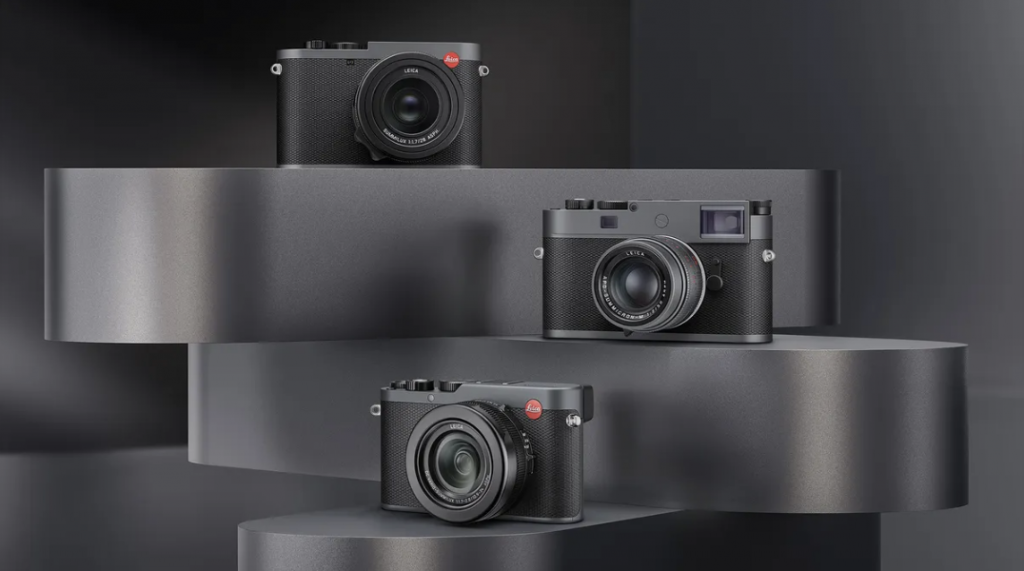
I love my silver M10 but have to admit when Leica announced the grey version with matching lens it really excited me. A classy grey, and for most budgets from the compact to the M.