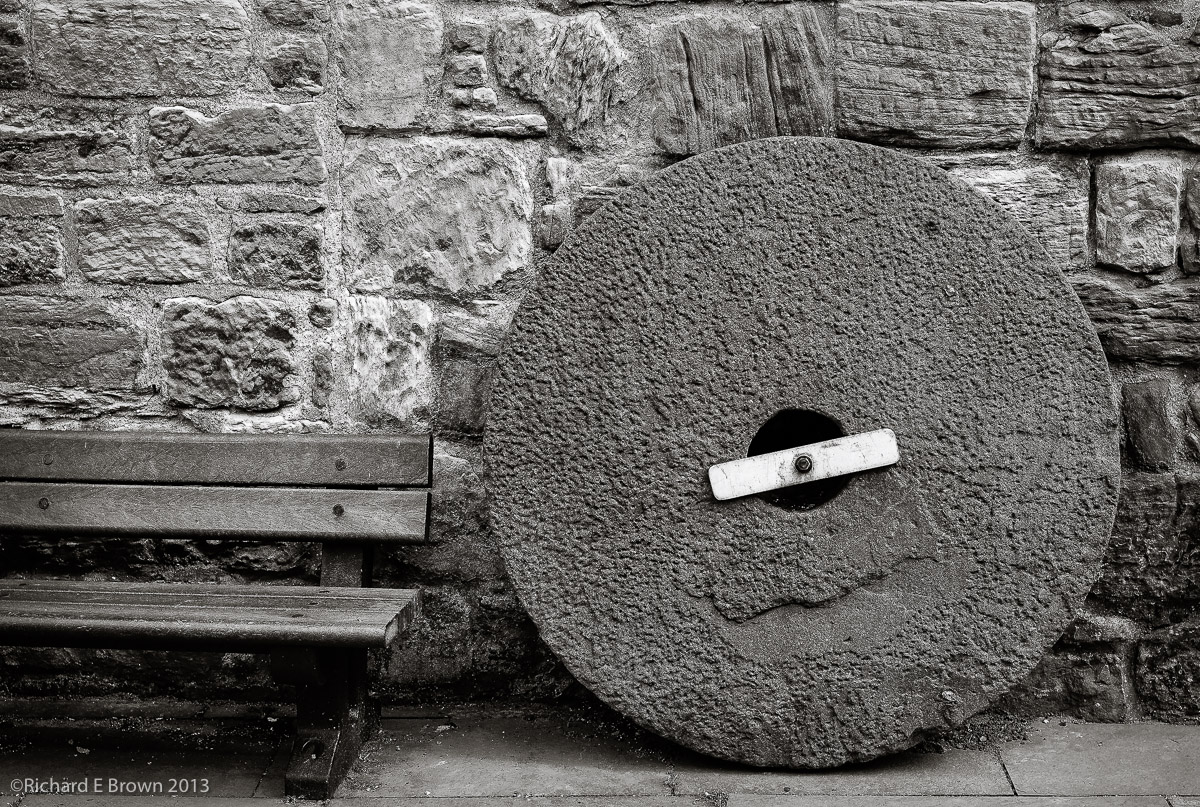
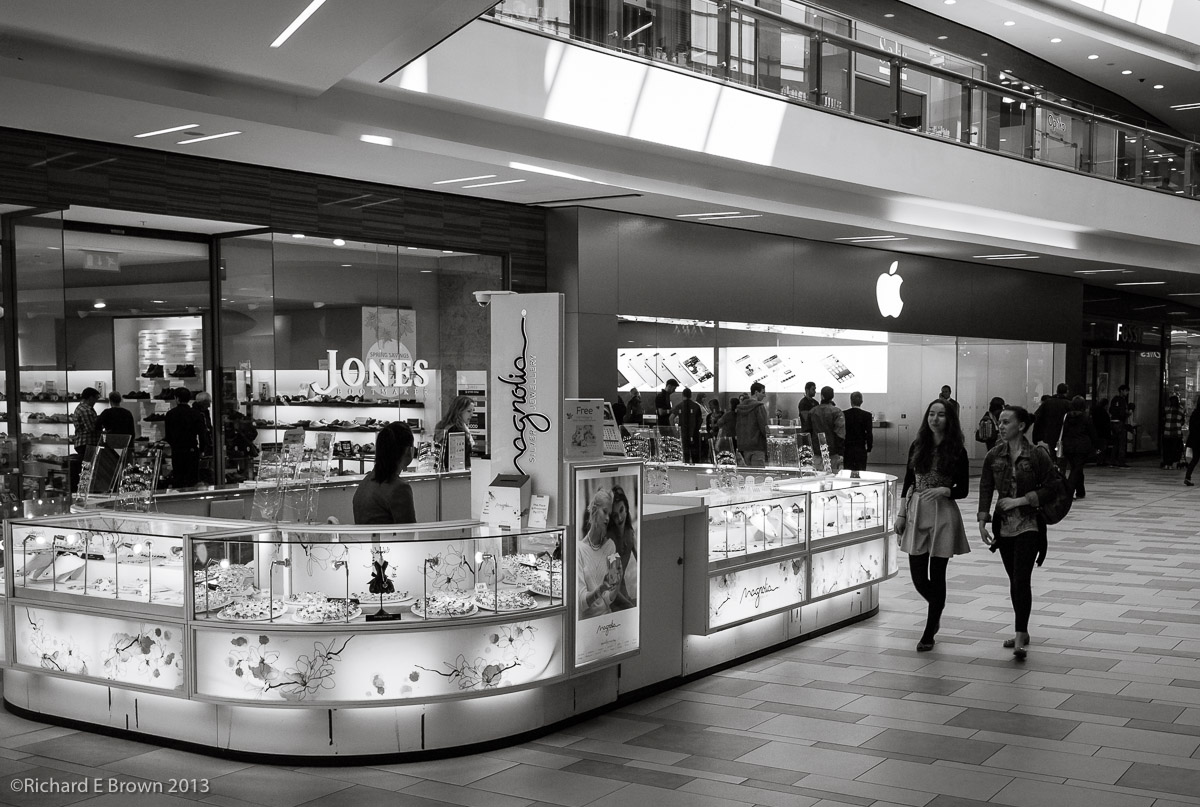
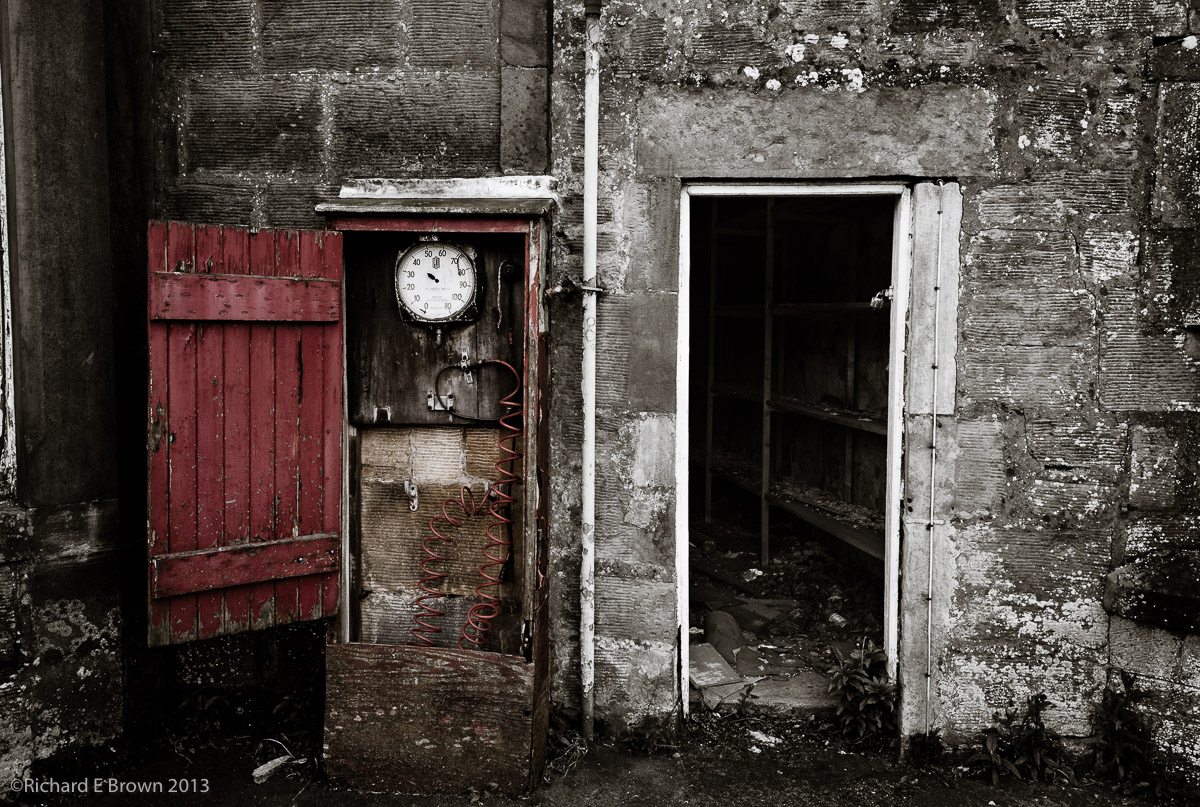
I had to pop to the post office this morning to collect a parcel, while the weather was overcast it was dry so I grabbed a camera and photographed a number of familiar scenes around the village.
Its fun to revisit local areas again. You can often find a something near to you to make a project off. I blogged about visiting familiar areas here, worth a read again if you did not catch it the first time.
This week Adobe released Photoshop CC. I have not really put it to the test but I did use it yesterday to edit this image in conjunction with Lightroom V5. The initial edit was done in Lightroom V5, basically a preset I have created for Colour Leica M8 Landscape images. I then took the image into Photoshop CC and tried some of the updated sharpening tools. It was then taken back into Lightroom for the convert to Back & White, a little dodging and burning a some added Clarity and a tint preset I have.
Pleasing and quick to produce. Worth the subscription to Creative Cloud, well possibly not but I’ll have another test with the original file this week using just Lightroom and maybe some Nik Software Silver Efx Pro.
Producing effective and pleasing images is the key but it also has to be cost effective.
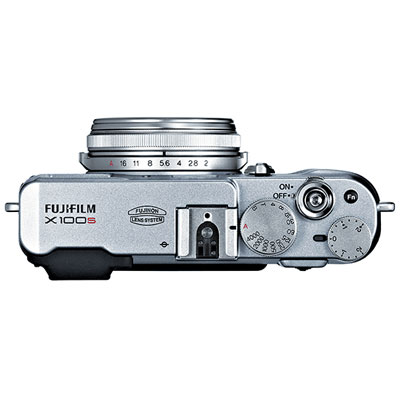
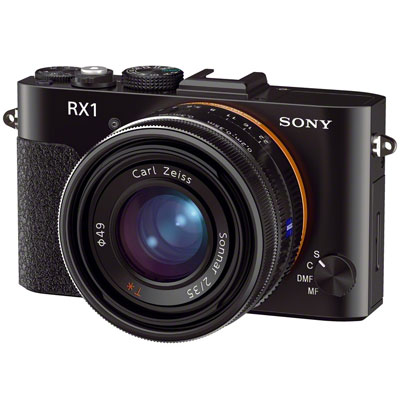
Every time a large sensor compact arrives people knock them but if your in the market for one what are the options? I thought I would make a list to see where things stood at the moment.
Well the Sigma’s are interesting and they were the first manufacturer to release a large sensor’ed compact. Some would say the Foveon Sensor is an advantage, some would say its an issue, certainly the options are good and so is the price.
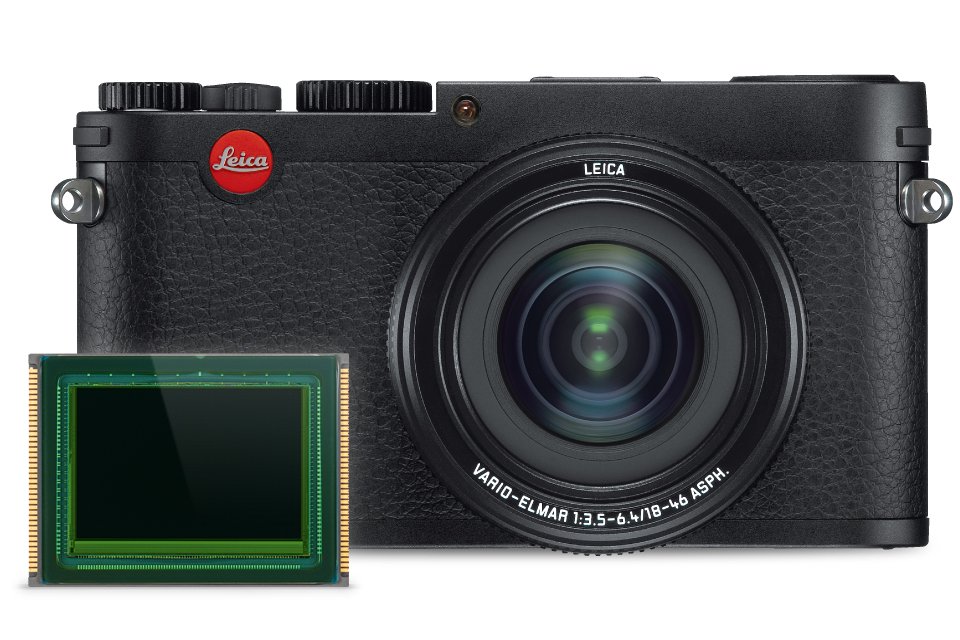
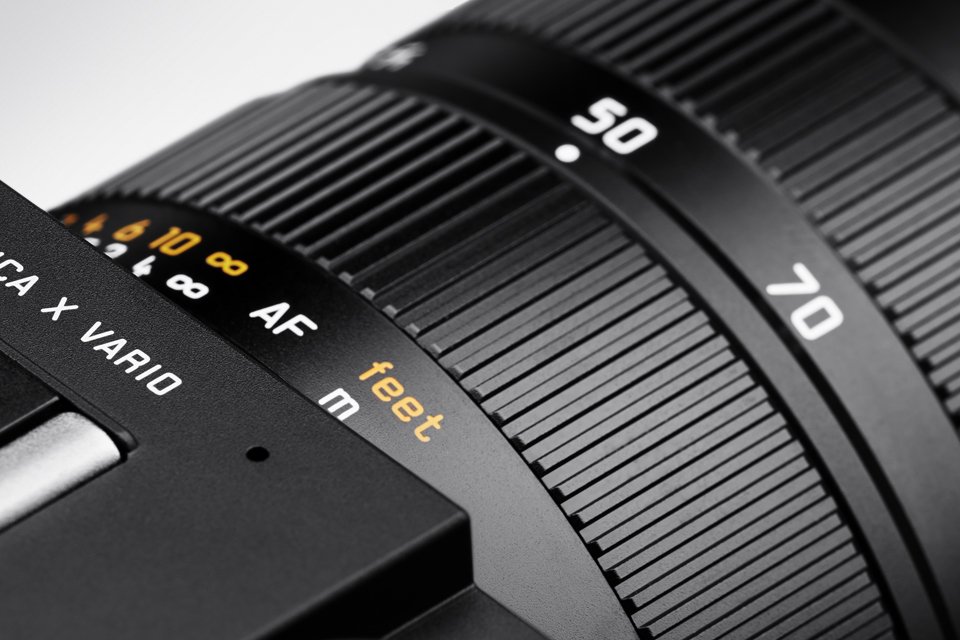
The Ricoh stands out due to its price and it gets excellent reviews. The Fuji X100 is the only one that comes with a built in viewfinder though you can add a optional EVF to the Leica’s and Sony’s. The Leica X Vario is the only model with a zoom but the lens is slow. Finally there is Sony RX1, the first compact to feature a full 35mm sensor and a stunning fast f/2 lens but its a big investment.
Still at least we now have options, it was not long ago when we had none, then the Sigma appeared and then the Leica X1, now we have a number of choices.
So which would I pick, difficult to say. Of these I have only used the X100s and the RX1. As an all in one portable then I would go for the X100s, I like viewfinders and having to carry an EVF as well would detract.
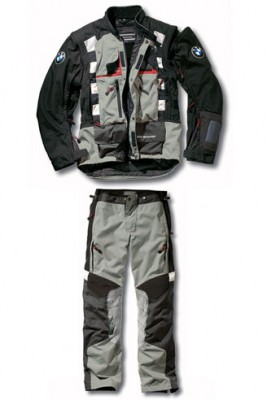
The weather is improving and the winter liners have come out of the gloves. Its great to commute on the bike in weather like this and makes a great start to the day.
Commuting to work on a bike does make camera and computer choice a challenge. I generally take the iPad and my Nikon V1, but sometimes you need a little more. If I fit my full luggage to the bike then I can take what I want, but sometimes I want to travel light. In those cases if I do want a better camera its the Leica or Nikon, but certainly if I am taking the SLR lens choice has to be considered with care.
Its getting to the time of year again where we head out and do a few PhotoWalks. If there are any running in your area, try one and join in, good fun, good banter, and a drink in the pub at the end.
People from all ranges of the Photographic spectrum from Compact Users, Film Users, to The Canon and Nikon guys carrying there big zooms (Yep been that guy 😉 ).
If there is not one running near you how about starting one. Even if there is just a couple of you, going over a new area or even a familiar area, can kick start the creative flow.
For the the gear heads like me, the above photo was a taken with a Nikon D200, Nikkor 24-70mm f/2.8 lens at 1/250 second and f/8. Processed today again from the orginal RAW as I continue to test and get to grips with the new features in Lightroom V5.
Over the last few weeks Leica’s Marketing department has been teasing us with a slow reveal of their new camera. The new Mini ‘M’.
What does the term ‘Mini M’ mean to most photographers?
Well a small cheaper version of the stunning Leica M.
Full frame or with a x.1.3/x1.5 Crop factor sensor, possibly a 4/3rd’s system camera.
Interchangeable Lens.
Optical or Electronic Viewfinder
Accessory to take the Leica M glass or the a Native M mount.
So that in our minds is a Mini M.
What did we get?
A Compact with a none changeable fixed slow zoom lens and no view finder.
Major disappointment and vitriol all over the internet. A very much hated camera and dismissed as not worth considering.
OK lets ignore the marketing and look at the camera.
Yes it a compact.
Large sensor x1.5 Crop factor.
Fixed Zoom Lens.
No view finder but can use Optical or Electronic optional view finder.
No way of adding additional lens.
The zoom lens is a little slow which a lot of people are complaining about but its only 2/3rd of a stop slower then f/2.8 at f/3.5, and is slower to keep down the size. As an owner of the small and slow Leica Elmar 24mm f/3.8 which is often dismissed, I was initially disappointed with the aperture but when one considers the design limitations of producing a small high quality large sensor compact then one can see why they picked this. The slow Leica Elmar is the highest quality 24mm lens Leica make and delivers stunning optical quality. Lets hope this zoom lens follows in the foot steps of Leica’s other slow lens.
From the videos I have seen and comments from people who have handled the camera, they also say the quality is exceptional and the interface and controls are up there with the very best. So it has the Leica Quality, unfortunately is also has the Leica Price Tag. For me the down sides of this camera is the price and the lack of built in viewfinder. The surprise was the manual focusing, it looks like one of the best thought out manual focusing method of any compact camera I have yet seen. I would be interested if the camera supports focus peaking.
Looking at the other fixed lens compacts with large sensors the Leica does stand out with its build quality and the fact that it is the only large sensor’ed fixed lens compact with a zoom. Is it worth the money, well for me no, but it is a good camera and currently one of a kind. One does have to consider that for that money you can buy a Sony Nex-7 and a couple of good lens.
So a camera that does not deserve the bad write ups its currently getting; it is not a Mini Leica and the Marketing department should hang their heads in shame but its not a bad camera, its a very good camera with some excellent design touches. If money is not a consideration then its well worth thinking about.
Its an old Argument on the forums but JPeg seems to becoming more popular again, but why? Well in Camera processing is a lot better then it used to be, and the connivence and ease that it gives certainly speeds up the workflow.
Once the photographs are imported into my DAM Package (Digital Asset Management) they then have meta data and keywords added to them. Even with import scripts and presets it is still quite a bit of work. Its worth it though as anyone who has been approached by a buyer who wants to purchase the high quality original to the small jpeg you have placed on Flicker or your Blog will testify. Being able to quickly and easily find your work, a week, a month or even five years later can mean money in the bank, and not being able to find it a lost sale. Keywording and adding Meta Data to your photographs is essential to any semi or full time professional photographer.
But back to the original question; what about editing and post production?
Out of Camera JPeg
The above two pictures show a edited RAW file followed by the out of camera jpeg.
Some of the in camera jpegs do look a lot better then the raw files imported into your favourite raw processor. It is a complaint that a number of photographers make. The image they see on the back of their camera is nothing like the RAW image they see after importing into Adobe Camera RAW/Lightroom. What a lot of people don’t realise is that modern RAW software is designed to give a basic flat image. It is then up to the Photographer to take that image in the direction they wish to go.
My out of camera jpeg is certainly not as good as it could be, there are lots of in-camera settings to improve things, but what people don’t realise is that the histogram is based on the in-camera JPeg. So if you tweak the JPeg you are altering the display of the histogram. Currently only the Leica Monochrom can display a real histogram based on the RAW file. White Balance also has a major impact on the histogram. I try to have my JPeg settings configured to give me an accurate as possible histogram. In the above shot my White Balance is out due to the complex mixed light source, if I had got this right in camera then the JPeg would have been better.
So the top image has had a lot of tweaks and adjustments made, while the second image is just an out of camera JPeg. Is the added work necessary and worthwhile?
Well this example may be a little extreme, the lighting was mixed light sources, the contrast high and the exposure difficult. I got the shot wrong in camera but as I shot RAW and JPeg, I had the RAW to fall back on. RAW files can be edited far more then a small 8 bit JPeg.
For an outdoor street scene the in-camera jpeg and processed RAW would likely look the same, in fact the JPeg would highly likely be better. In that situation one would likely say that the extra work involved in shooting RAW is not worth it, and I would likely agree.
But what about in this example. The out of camera jpeg is reasonable, but by editing the RAW file, applying a simple preset and then a minor adjustment with a bit of additional burning and dodging, the image pops that little bit more. But is the extra work worth it? I suppose it depends on the image and the end result.
JPeg from RAW no Editing
Get it right in camera and if your intending not to do any intensive post production then the JPeg will be fine. If your not sure you are going to get it right in camera or are going to do a lot of post production then shoot RAW.
So what do I do? Well I tend to shoot RAW and JPeg, but I have the JPeg set to Black & White. That way in Lightroom I see images side by side, one colour (the RAW file) and one Black & White (the JPeg), I can then see at a glance which I prefer, colour or Black & White.
For personal work JPeg is a good option but while many currently professionals are saying that they use Compact Mirror-less Systems and shoot in JPeg it should be remembered that for their commercial work they are often shooting RAW on Medium Format, then at the end of session are shooting some personal stuff on mirror-less in JPeg and posting straight to their blog. One is given the impression that Pro’s are now all shooting that way.
I have blogged previously about some of my testing of Adobe Lightroom V5.
Well this morning while checking out Leica and Apple Rumour sites looking for information about the new Leica Camera that is due out this week and for new about WWDC for Apple news, they both had articles announcing the release of Adobe Lightroom V5.
You can also get more information from Chris Bennet’s Blog here.
A few days a go, I published an article where I shot a RAW photography in the evening then before getting back to my computer I had saved it to my iPad, processed the RAW file into a jpeg, then edited using layers in Photoshop Touch, then published the result.
All done on the iPad with quite good results I think. Yesterday I looked again at the original RAW file and decided to process it and edit it again on my laptop using Adobe Lightroom and Photoshop.
First of all here is the original RAW file processed into a jpeg.
In this image very little has been done, except a little fine tuning of the highlights and shadows so that all the image can be seen and a little import sharpening.
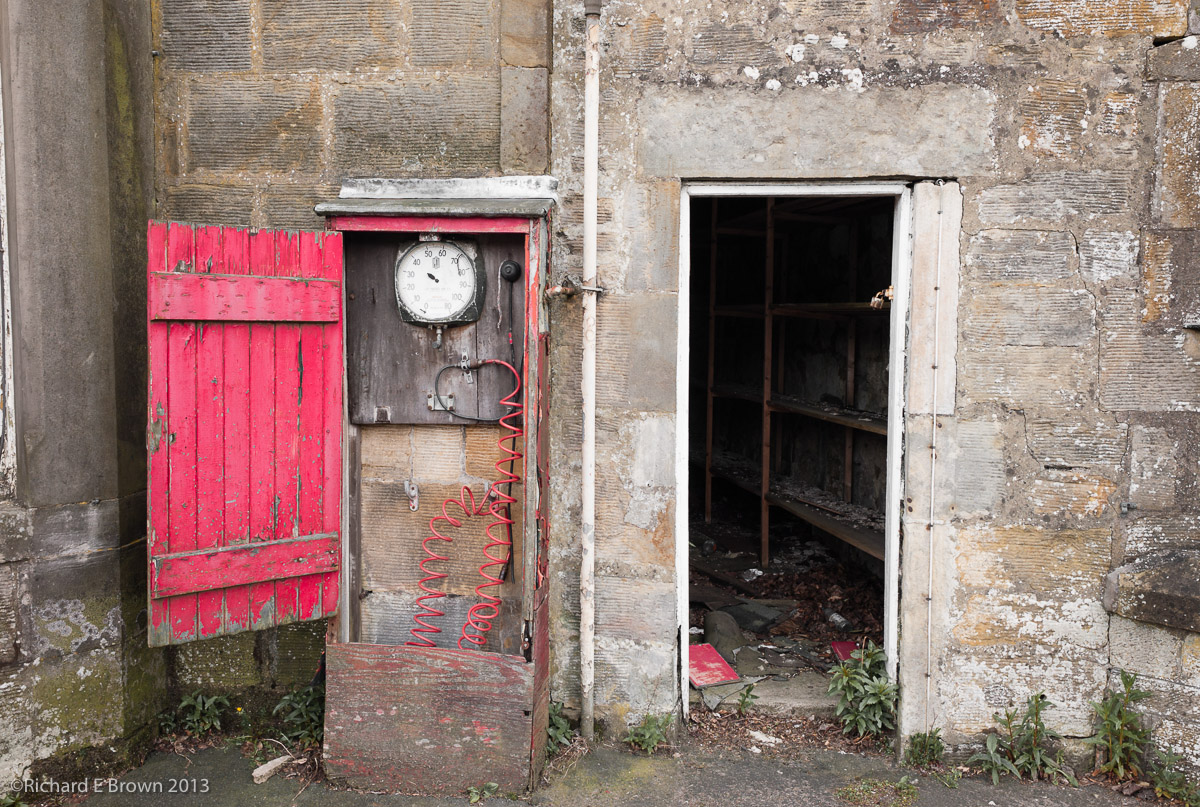
Now above is the image that was produced on the iPad. Similar to the original file but more to how I envisaged it, when I took the photograph. I kind of saw it in black and white but the red door took ones attention. That night on the iPad I loaded the file that I had processed in PhotoRAW and took the jpg into Photoshop Touch. I selected the red section copied it to its own layer, I then turned the underlying layer to Black & White, darkened the result and then wrote the blog post and published. All from an iPad. I think that is quite an achievement and am very proud of the resultant image.
People have said since the release of the iPad that it is a consumption device, but I think the above image proves that devices such as the iPad and the Android (Insert your favourite Windows RT/Palm WebOS Tablet OS here!) tablets can be used in the field. With their light weight, instant on and good battery life, they make an excellent device for basic editing in the field.
Of course you are all saying that you could make a better job using a laptop, but the iPad fits easily in my camera bag and I do not really notice the weight and do not have to bother with the charger. The truth is I can make a better job with my laptop but do I want to always carry it with me and then share the results of my work with the world. Well yes I want to share but the weight and convenience of the iPad will win out.
Here is the version produced on my laptop using the full power of modern software. Better, well yes but the other image is close, and more importantly, I could experiment in the Pub (Scottish Bar) a few minutes after capturing the image and produce a nice peice of art. A few days later when I had the time would I have remembered to edit this again on the laptop to produce this without already have producing a draft on the iPad. I don’t know but its food for thought.
PS. Dear Apple if your thinking of producing a sub £1000 11″ MacBook Air with a 1400 x 900 display, with battery life close to an iPad, and a 250 GB or more Solid State Hard Disk then please let me so I can replace my iPad.
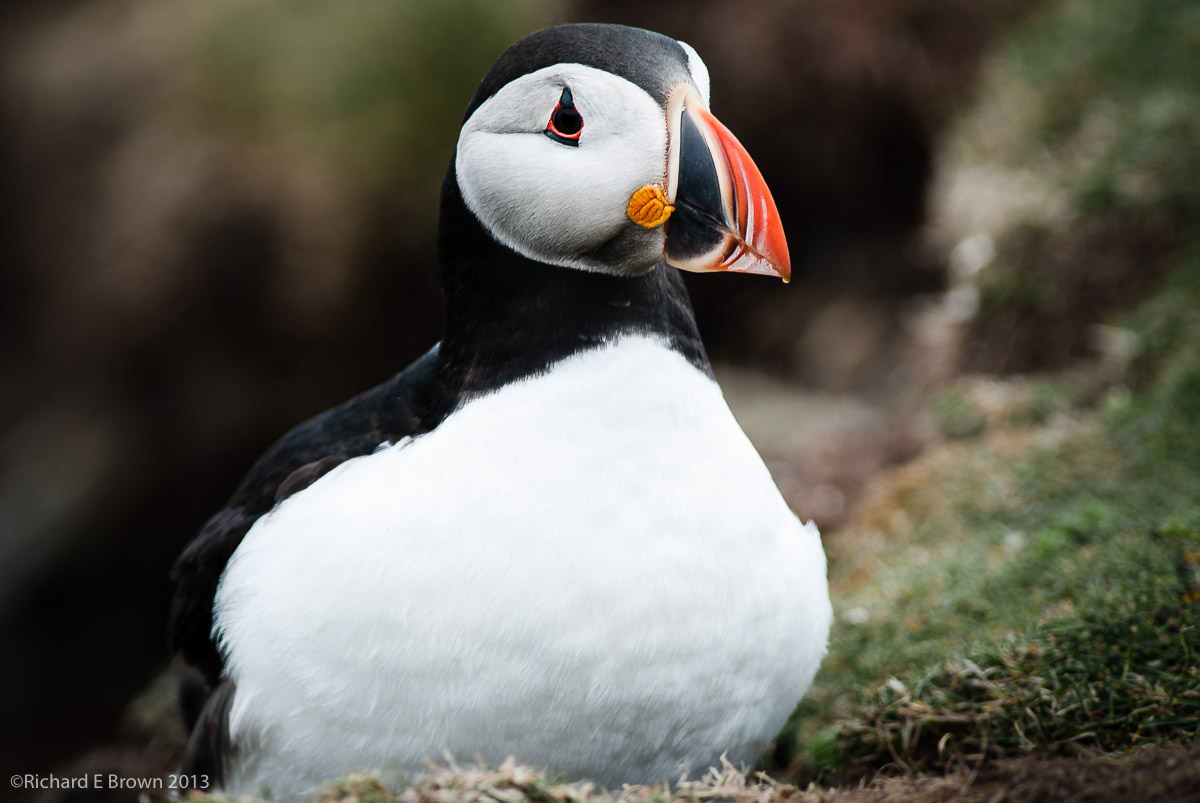
The Islands as well as being blessed with wonderful scenery also have lots of wildlife.
I did two wildlife shoots both of the birds that come to the island. The intention was to shoot surf birds and I also wanted to capture a Puffin.
I had tried to photograph Puffins before on the trip to Harris a couple of years ago, and while I managed a few shots, of them in flight from on deck of a ship the photographs show mainly blurred specks in the distance.
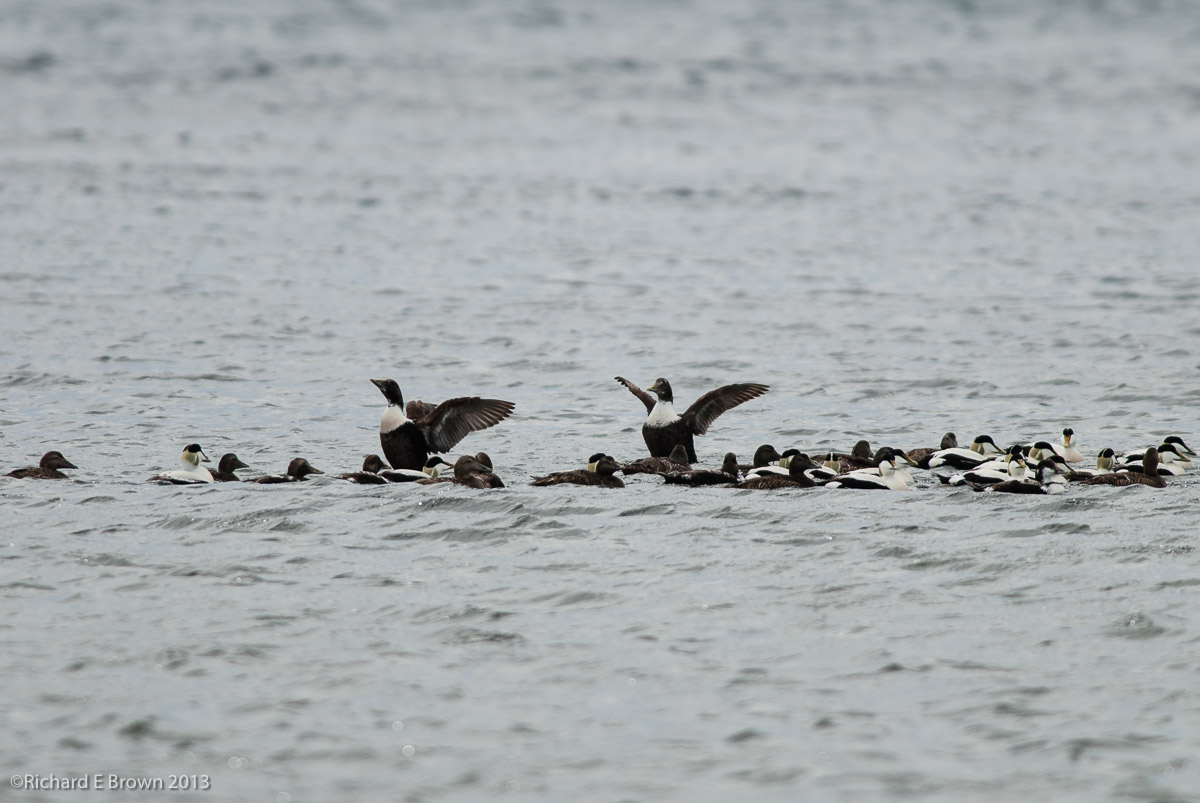
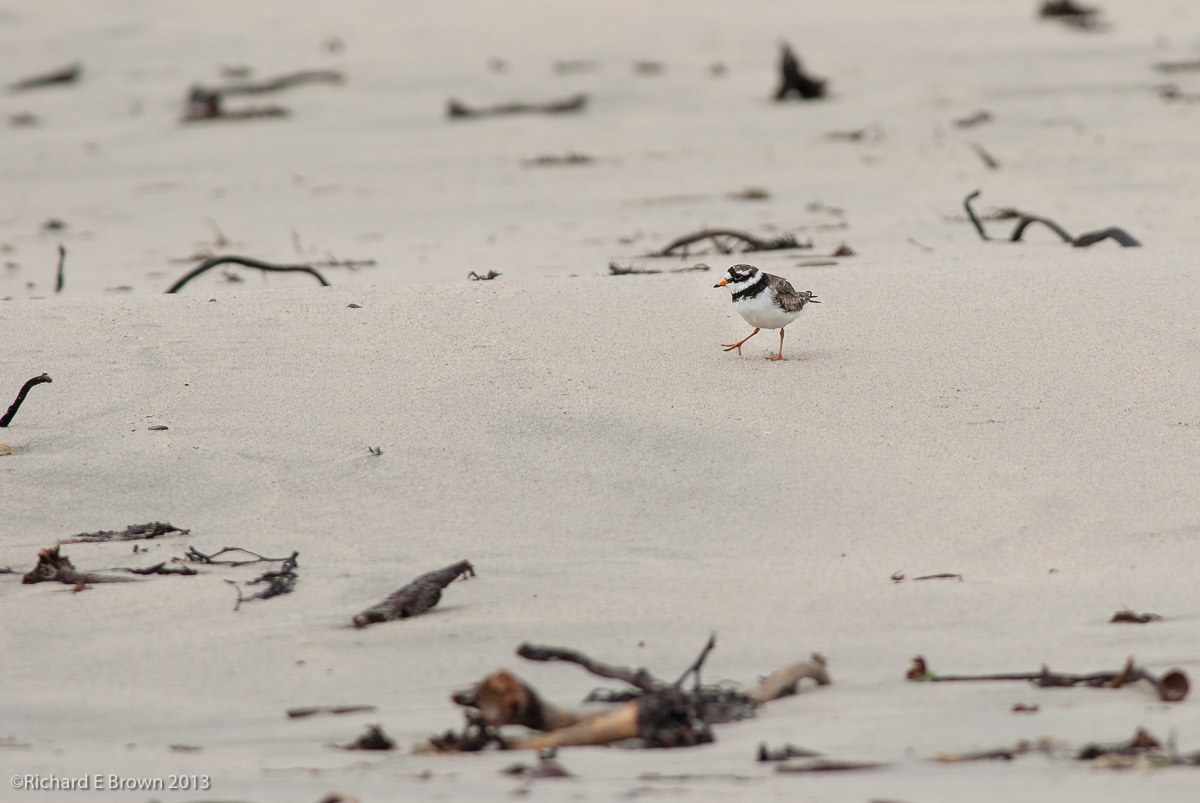
After shooting the remains of a Viking Hall on the main Island I headed to the nearby beach where I had spotted a number of small birds feeding on the beach. The tide was going back out and the number of birds feeding on the beach had reduced but there was now some Eider Ducks swimming and feeding just offshore.
I setup on the beach with the Nikon D200 DSLR and my longest lens and waited. Walking onto the beach had scared away most of the birds but it was not long before a few started to come back.
Once they started to feed I kept moving forwards, when they stopped feeding I would stop and wait. It did not take long before they started to feed again, and once again I would move forward some more.
Its challenging photography and needs time and patience but one can get some rewarding images. What I learnt from this session is that its better to photograph on an incoming tide then outgoing.
For the second wildlife photography session I was intent on capturing the Puffins. The best place was the southern cliffs next to the lighthouse on the main island. There is a car park nearby but its still a good walk to the top of cliffs. The RSPB have a notice board showing what species have been scene recently. One surprise entry was that a pod of Orca had swam past the southern tip of the island the previous Friday.
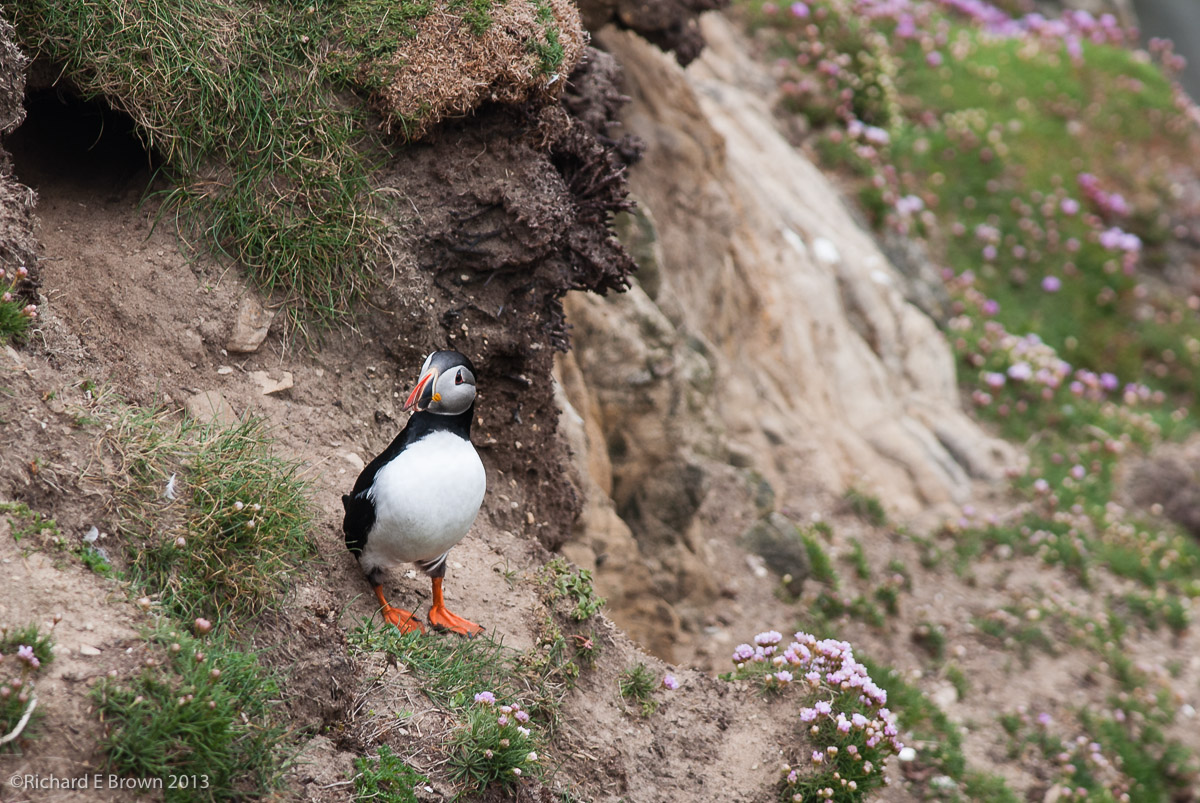
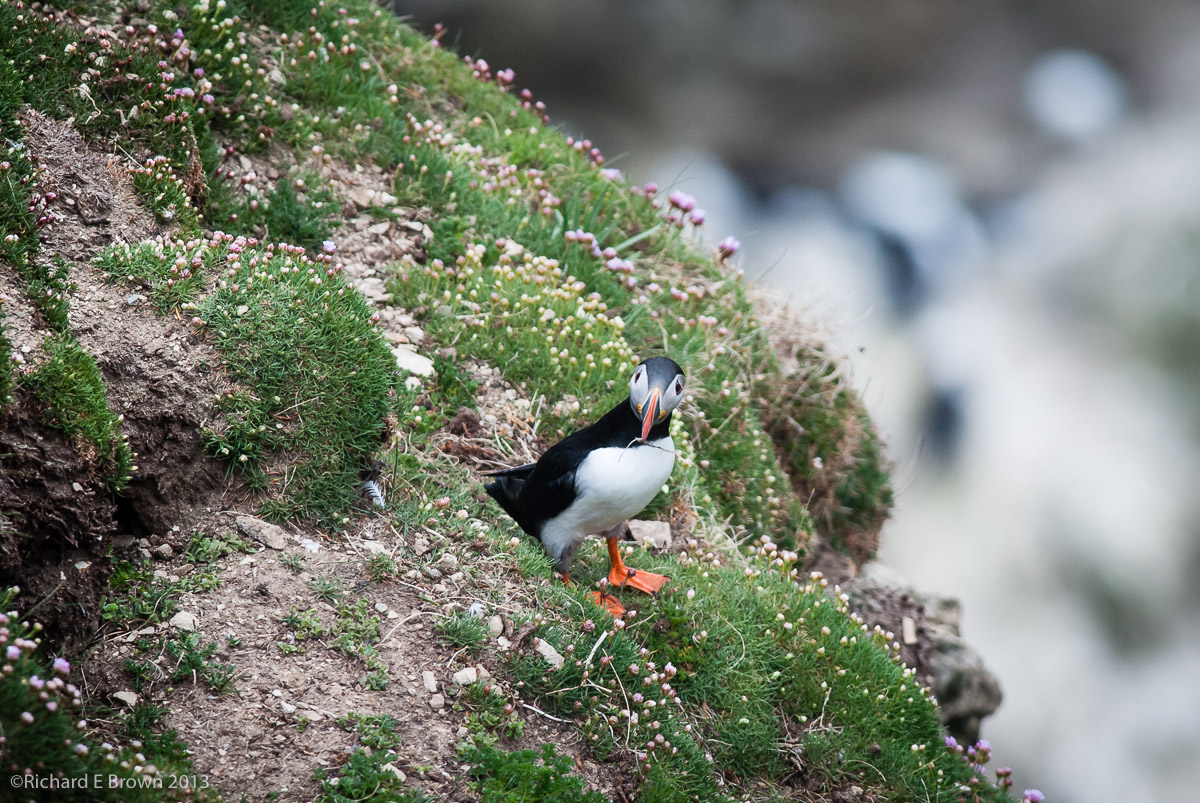
We climbed to the top and setup; there was lots of nesting birds but no Puffin’s in sight. After a short wait a Puffin eventually emerged from one of the many holes in the cliff side.
It was one of the cooler days we had experienced on the island and most of the Puffins seemed to want to stay in their underground burrows, but as the sun came out so did the Puffins and I managed to get some good shots of them emerging from their burrows.
As you can see from the above photographs I finally managed to get some pleasing photographs of Puffins.
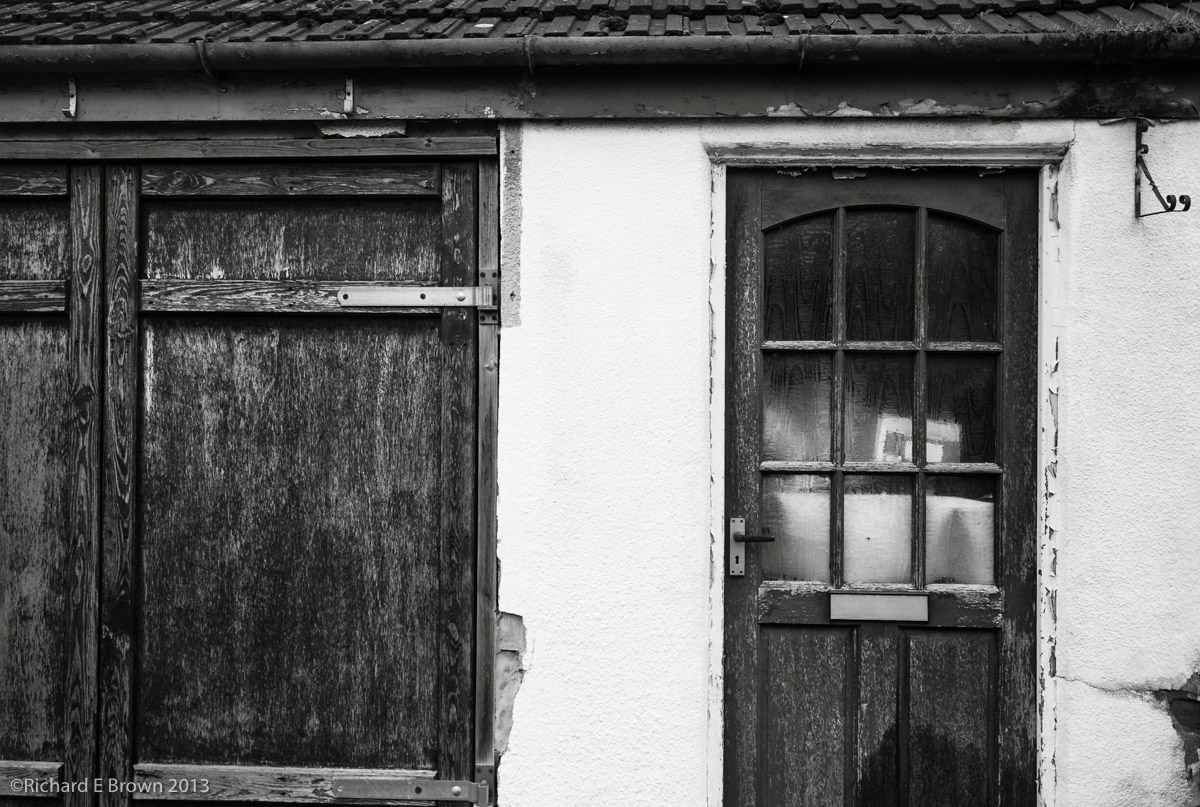 I had to pop to the post office this morning to collect a parcel, while the weather was overcast it was dry so I grabbed a camera and photographed a number of familiar scenes around the village.