
I was browsing the Net in a free moment I had and found this great site for producing South Park Style Characters www.sp-studio.de.
Here is my South Park Version of me, with my Trusty side kick Oz the Snake (yes we have a lovely pet snake).

Family, Photography and other misc news
I was browsing the Net in a free moment I had and found this great site for producing South Park Style Characters www.sp-studio.de.
Here is my South Park Version of me, with my Trusty side kick Oz the Snake (yes we have a lovely pet snake).
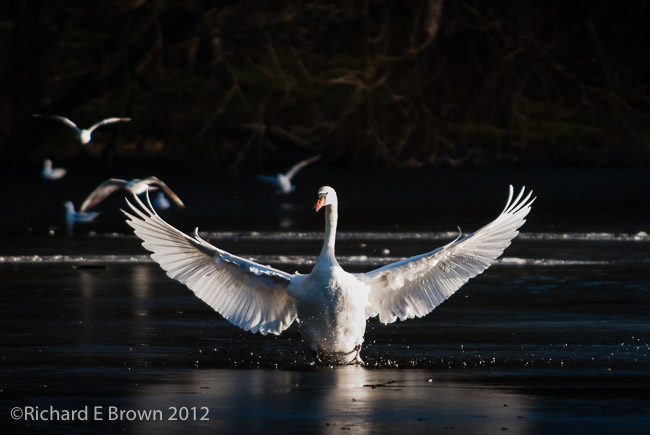
Nikon D200
Nikkor 70-200mm f/2.8 with TC14 Extender
340mm, 1/800 Sec at f/4.8, ISO500
Post Processed in Adobe Lightroom V4.3
On a Mac MacBook Pro, OS-X 10.8.2
Every major event in modern history such as the Apollo Moon Landings, seems now to be accompanied by a conspiracy theory.
Despite the evidence, people will always come up with there own ideas. Well on a lighter note, it seems some people do not believe Luke Skywalker really destroyed the Death Star.
Uncomfortable questions was the death star attack an inside job
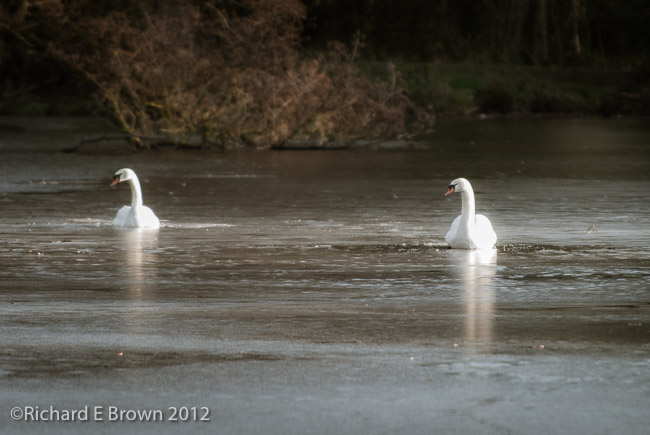
Sunday we had plans for a walk at the coast, but with the snow on Friday night and then the heavy thaw the rivers were swollen, and some roads flooded.
So instead I decided to make a visit to another local park. This time it was Boultham Park. I have fond memories of this park as I used to live close by. There used to be a lot there but in the 1980’s it became run down, but now its being restored again and is well worth a visit.
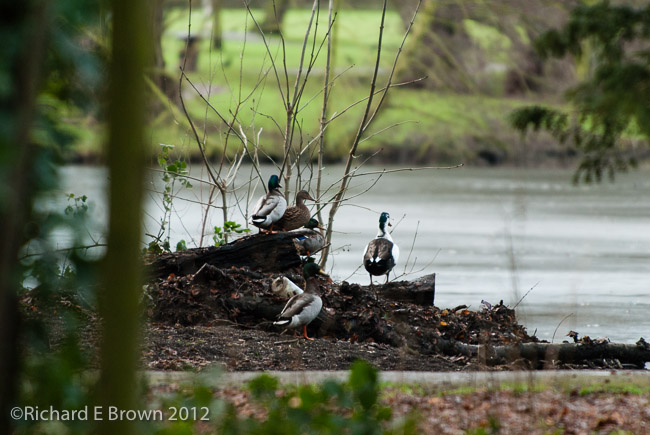
Chris was also up for a bit of bird photography so we met just after dawn at the park.
We entered the park from the church side and as we approached the lake we spotted our first wildlife, a group of Mallard Ducks.
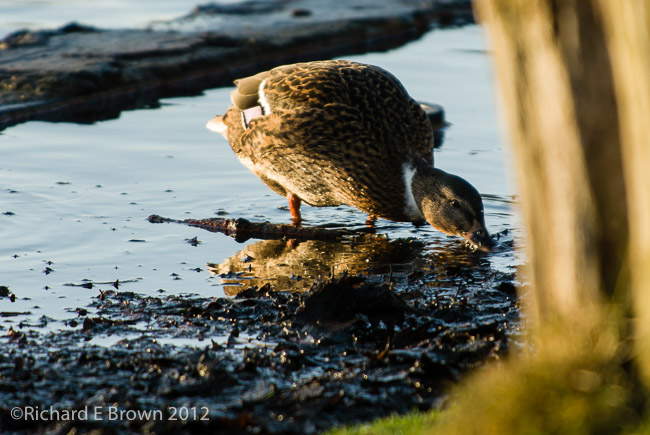
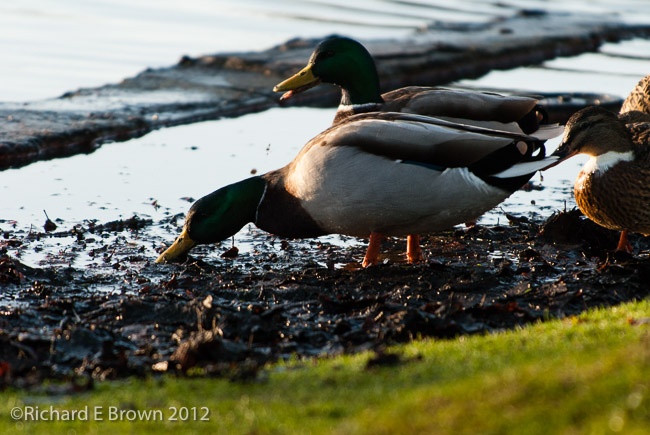
At first there was little light and most of my first shots were blurred even with the ISO cranked right up.
The Sun did eventually make an appearance, but photography was still difficult. Because of the ice still covering most of the lake, the majority of birds we on the North side, so to get close we ended up having to shoot into the sun. It was bright and contrasty causing issues with my exposure.
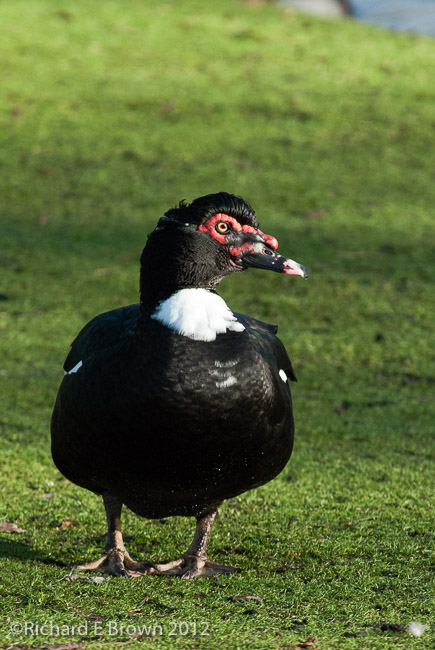
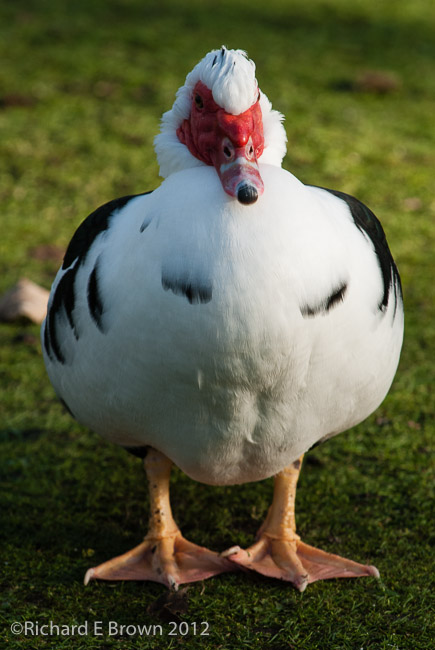
As we slowly made our way along the lake, the light improved and we spotted a number of interesting species of Duck as well as some Moorhen and Cootes.
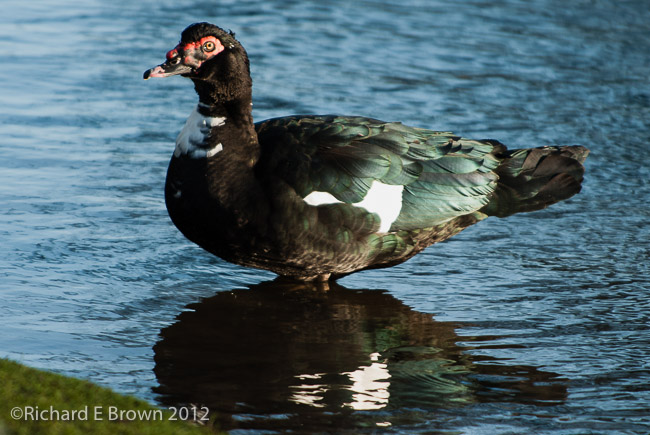
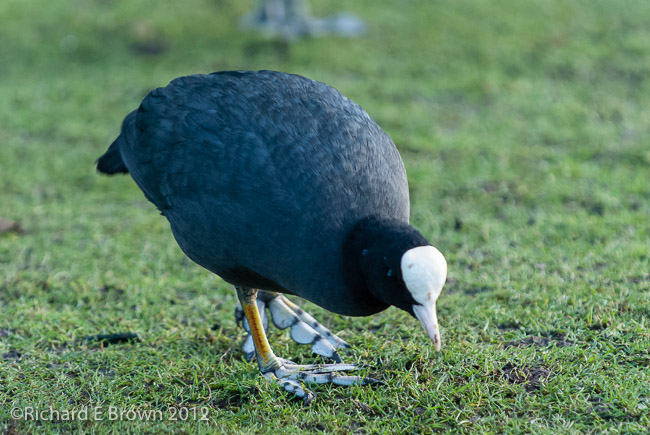
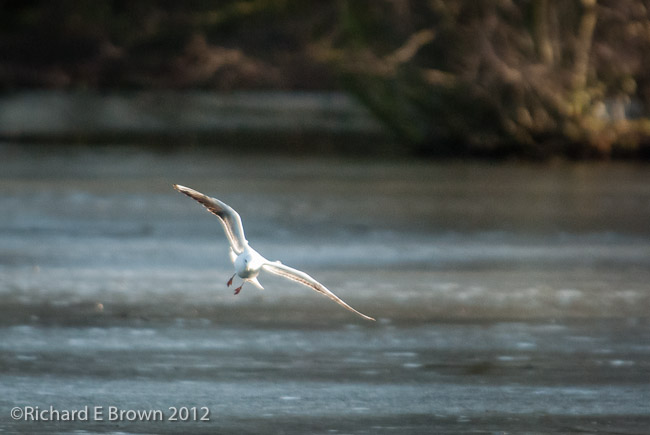
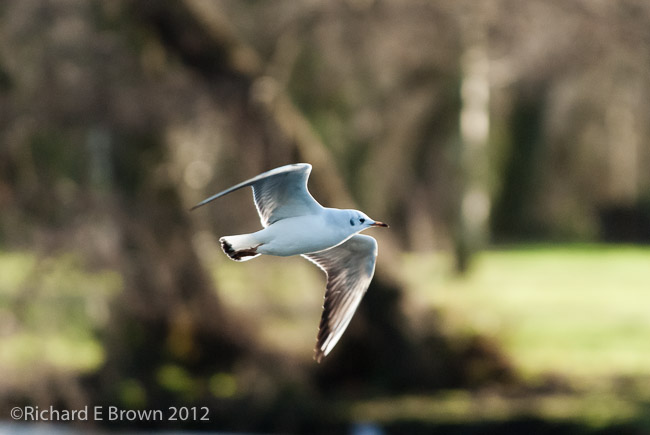
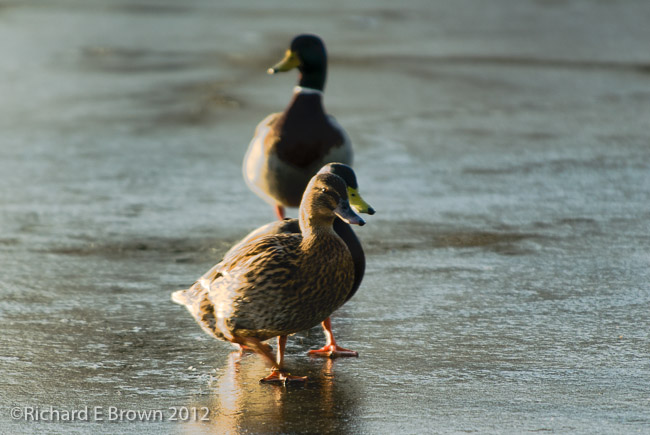
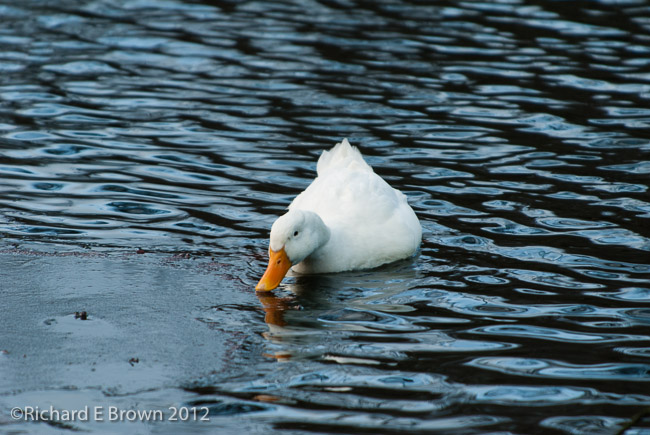
As you can see above, quite a productive day with some nice shots. Yes they could have been a little better exposed and sharper, but Wildlife Photography in the cold and poor light of winter is trick, and for only my second trip out out of the year I am very pleased with the results.
As I wrote the above title, I suddenly thought that I had it wrong. My budget gear consists of a Nikon V1 system. Actually this is not a cheap system, something like a Nikon D3100 and a 70-300mm lens would actually work out cheaper and better, but there are some amazing deals at the moment, and the discontinued V1 is now quite a bargain, unlike when it was first released.
The advantage of the Nikon 1 is its size and as I had commuted into Lincoln on my Motorcycle, the full Nikon 1 kit easily fits in my tank bag together with a change of clothes.
So Wildlife Photography on the Cheap, what do you need, well basically I have already said above, a camera has a bit of reach. The Nikon 1 system is a very fast focusing mirror-less camera and while not as good as an SLR is an option for this type of thing if you can put up with its issues.
The other thing to consider is what you are photographing. I know of a photographer that instead of a long lens uses bait to bring the wildlife to him.
Today instead of using bait, we had the benefit of ice. I was photographing in the middle of Lincoln, by the Brayford Pool where I went Kayaking a few months ago.
With the cold weather a lot of the Brayford Pool is now iced over, this has forced the wildlife a lot closer to the bank enabling you to get some good shots with easy.
So in my previous post on Camera Choices, I made some generalisations about what camera types I would use for each of my chosen genres.
But lets look at actual models. If I had the unlimited funds for my GAS (Gear Acquisition Syndrome) what would I actually own.
First of all formats. Which formats would I own.
Yes I would own them all. No one camera can do all tasks well.
Large Format:
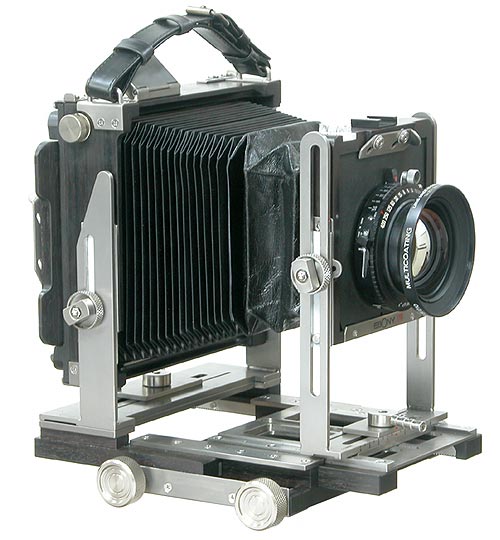
Theres not a lot of difference between this model and my current 45S, this slightly more flexible and easier and faster to use. I might add a PhaseOne digital back. This is my ideal landscape camera.
Medium Format:
Part of me wants to say my current Hasselblad with a digital back which in many ways is a good solution for landscape work, the back could also be used on the Large Format Camera. I want a Medium Format Camera for Weddings and Studio work, as fast to use as an SLR, so my choice is the Leica S.
Small Format:
With having the Leica S, then my Small Format camera would actually be several cameras. First an SLR for Wildlife and Macro work. Its a tough choice, I prefer Nikon to most other manufactures and it would between the D4 and the D800e, one might even have both, the D4 for wildlife and the D800e for Macro work. A camera such as the D300s may possibly be a good choice to cover both areas but it getting a little old now and is ready for replacement. I would be interested in how the D800 handles wildlife, is the frame rate and noise performance good enough. I don’t know but I feel some testing is going to have to be done.
Next my high quality small mirror-less option, this is going to be a surprise for many but it would be the Leica Monochrom, yes a Black & White only camera.
Finally a Compact and I think it would be Sony RX1, a full frame compact.
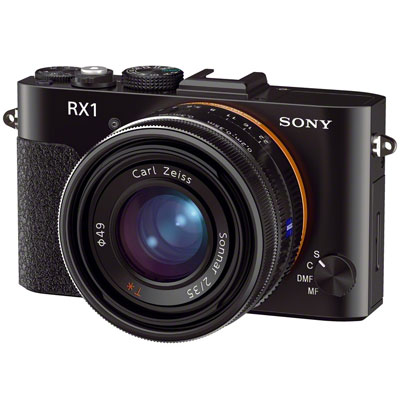
So those would be my choices if money was no option.
I know a number of photographers who having been thinking long and hard about their gear choices.
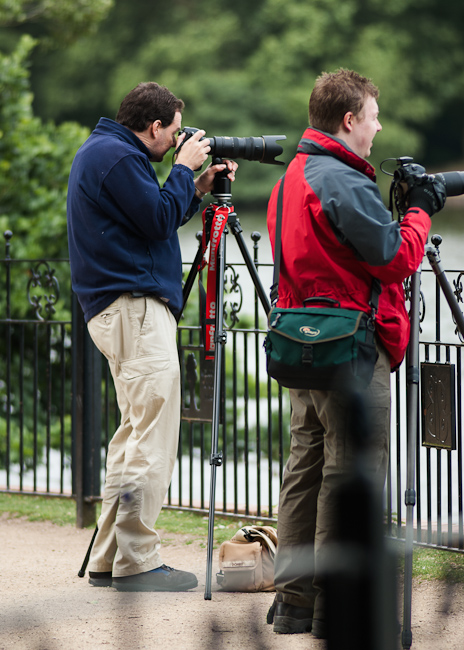
Many are downsizing from large heavy DSLR’s to mirror-less, and there is now a mirror-less option for most people, but sometimes one camera cannot do everything.
What do I photograph?
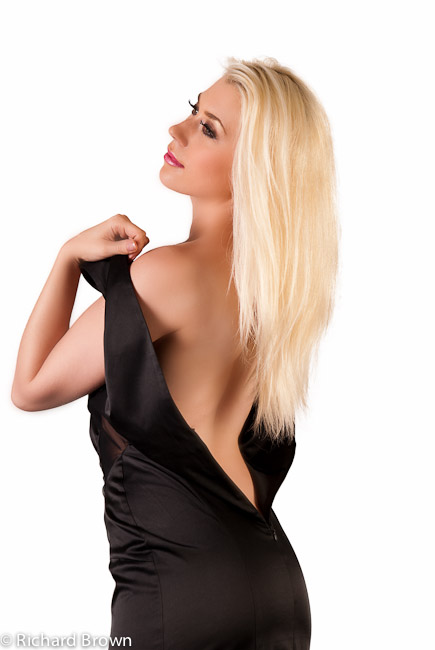
Well my professional work is quite a mix, from model portfolios like the shot below:
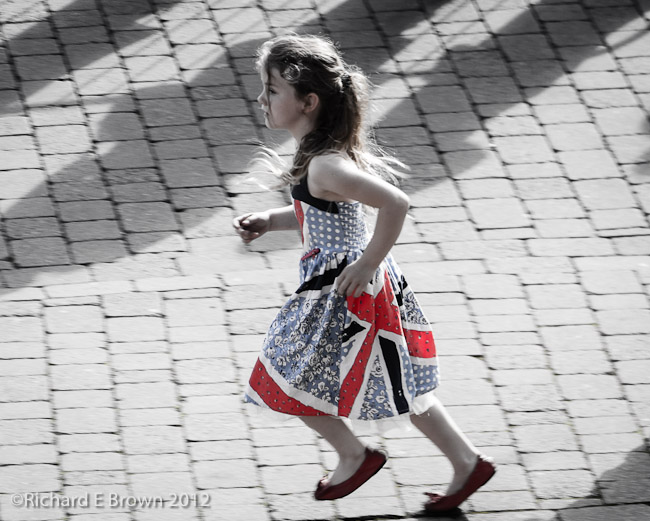
to weddings, portraits and even some event photographs like the shots below.
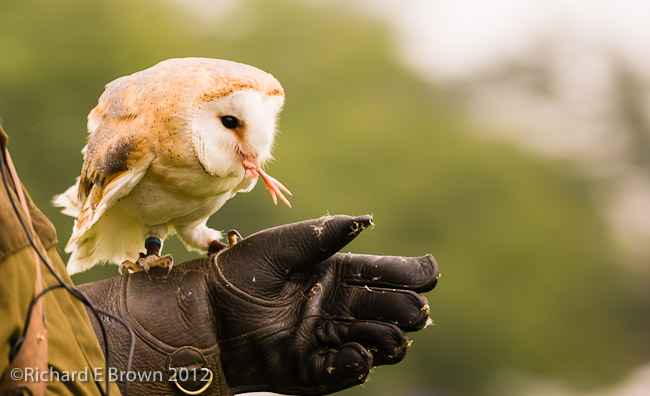
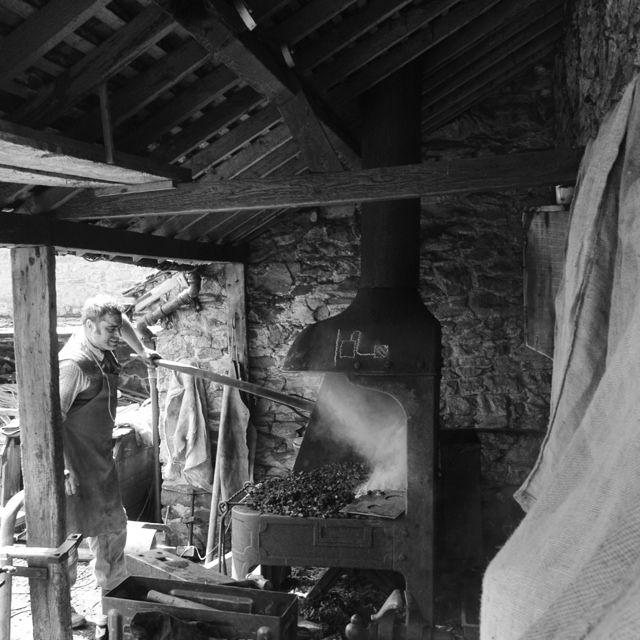
My personal work is landscape especially architectural landscapes and street photography, with a bit of wildlife and macro thrown in for good measure.
Now if you wanted to pick just one camera to do all this work then a professional DSLR would do the job but there are better choices.
Lets look at those subjects again.
I do a lot of studio photography, for myself as well as portraits for people and models. Your after quality, mega pixels, sharpness, a camera that can shoot quickly to respond to a sudden expression that might appear, but as studio flashes recycle slowly fast recovery and fast frame rate are not necessary.
I use an DSLR and keep thinking about upgrading to a D800 to gain the extra mega pixels but a Medium Format Camera would be the best choice. Now I own a Hasselblad Medium Format Camera but currently cannot justify the cost of a digital back. If money was no option then I would add a Leica S with a wide angle lens and a mid telephoto lens.
Before digital most professionals used Medium Format, now its mainly Canon shooters with the great 5D; since the Nikon D3 and its high iso performance many now also use these. It can be dark in some of these churches. Shooting people can be an art and its interesting how people react to large cameras, a big digital SLR can put people off. Thats where Medium Format cameras with waist level finders come in, they can relax people more.
This depends on the subject, I have shot parties, corporate events, even horse riding. Here a good all rounder is needed and no camera is a better all-rounder then the Digital SLR.
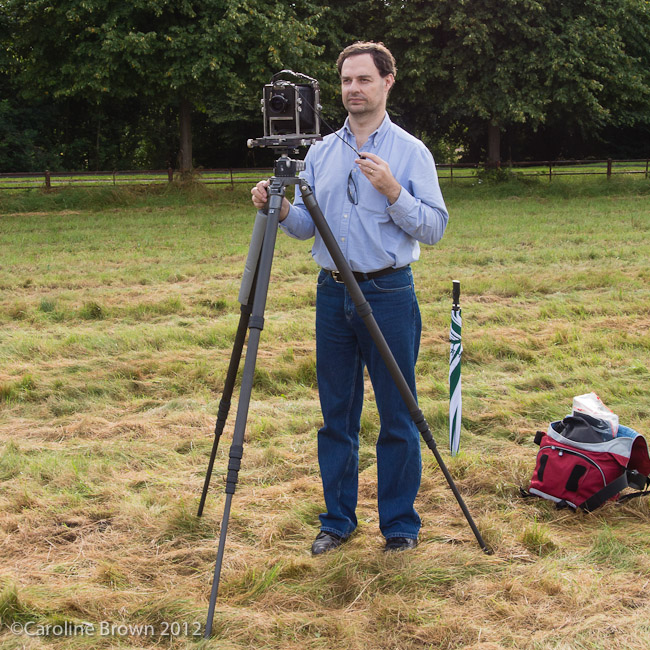
For landscapes think big. Medium Format or even Large Format. Tilt and shift lens or a camera with movements can also help. Here I use either my Hasselblad or Ebony.
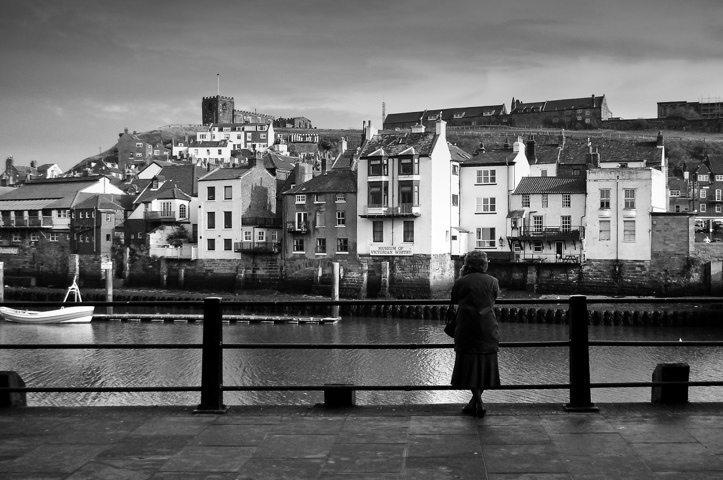
For years people have used Leica’s for this. There is something to be said for a small camera. People react better. I know a professional studio photographer who uses a Leica in the studio instead of his digital Medium Format Camera. He feels the models react better. I also know a Wedding photographer who uses a Leica for the same reason. Also if shooting during the ceremony mirror-less cameras like the Leica are very quiet.
Here the SLR rules, while some do use medium format and there are work-arounds available for others and live view is a major advantage to this kind of work.
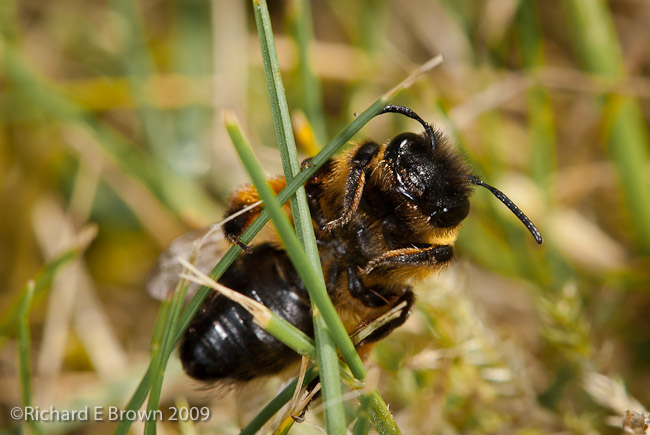
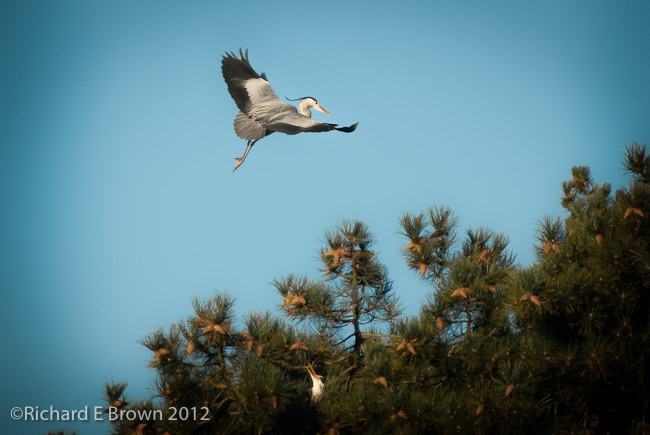
Once again the SLR is king. There may be certain subjects where other cameras may give you an advantage generally the SLR rules. While you can sometimes get good images like the one below which was taken with a Nikon D200 and a 200mm f/2.8 lens with a x1.4 teleconverter, bigger is better, and a Nikon D3s with a 800mm f/4 lens is hard to beat.
So what cameras should I own
Best: Medium Format
General: Digital SLR
Alternative: Mirror-less
Best: Medium Format
General: Digital SLR
Alternative: Mirror-less
Best: Digital SLR
General: Mirror-less
Best: Large Format
General: Medium Format
Alternative: Digital SLR or Mirror-less
Best: Mirror-less
General: Digital SLR
Alternative: Medium Format
Best: Digital SLR
General: Medium Format
Alternative: Mirror-less
Best: Digital SLR
General: Mirror-less
Alternative: Medium Format
Looking at this list and what I shoot professionally and personally, then a digital Medium Format Camera is what I should be using for most of my work, with possibly a Leica acting as the mirror-less option.
Problem with all that is cost. With good digital Medium Format cameras at £20k and the lens at £5k a pop its just not an option. So I will keep looking at second hand digital backs to add to my old Hasselblad. Until then I will continue to use the good all rounder, the SLR. I will start using the Leica for none essential work as the quality is very high, but its slower and sometimes automation can help.
For Landscapes, using film on my Medium Format and Large Format Cameras is still a good option, even using the Leica is a good choice.
Looks like an excuse to keep all my current cameras!
I would like to replace one of the D200’s, there are getting old now and the ISO performance when shooting Weddings and Wildlife is not always what I would like, but what with? Well thats a discussion for another day.
With the weather proving an interesting back drop and Chris wanted to practice some bird photography, I packed my largest heaviest tripod, my longest lens together with my Nikon D200 and a Leica M4 for snapshots and headed out to our local park, Hartsholme.
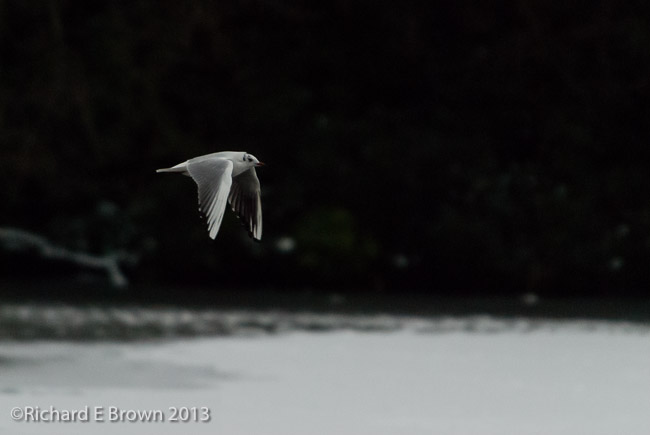
After the snow of Friday, the roads were well cleared but the park still looked lovely in its white cloak.
I decided on a late start and Chris’s car was already in the car park. Dressed in warm winter clothing, my tripod with D200 mounted over my right shoulder and my Leica M4 over my left, I headed out to the lake.
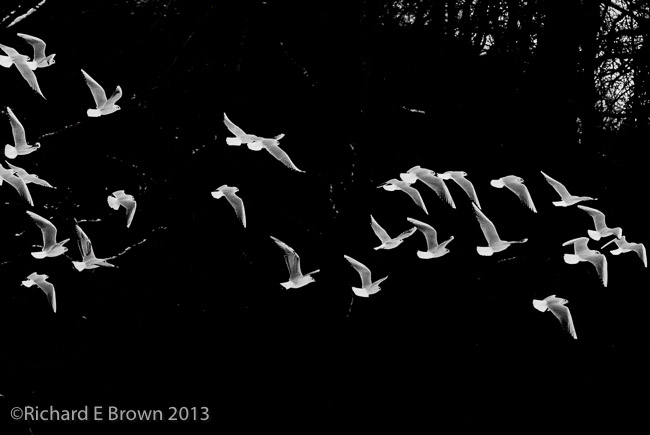
Light was relatively poor and I was having to shoot close to the limits of my ISO for the D200. The poor light, strong contrast from the snow and darkness of the trees, the images looked Black & White. The shot above I actually converted to Black & White and increased the contrast, hoping to make an average image slightly more Arty.
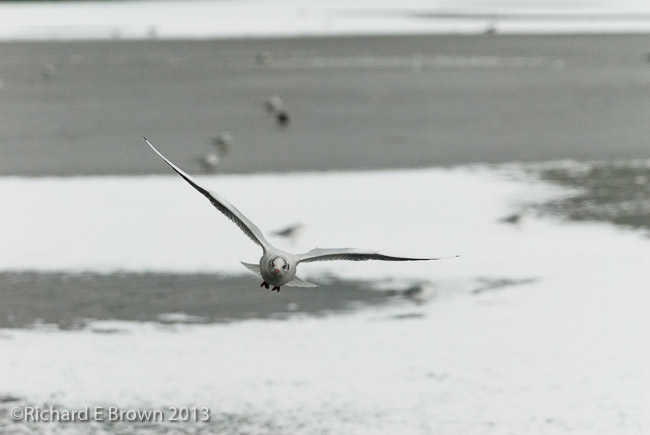
As I setup Chris appeared, he had been shooting here a while further along the lake. We then waited to see what would appear.
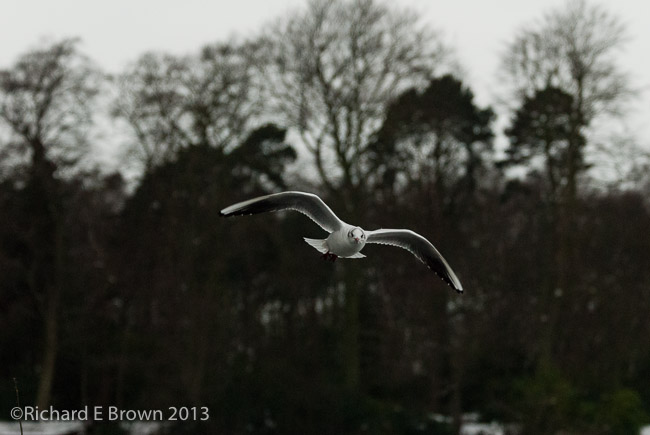
Birds in flight are very tricky. I set ISO to auto and had the mode set to Shutter priority camera. Depending on what the action was, I switched the shutter speed from 1/125s to 1/800s.
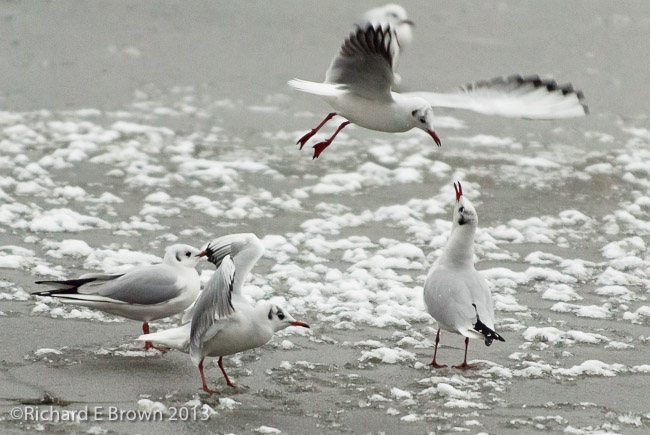
A lot of my early shots were blurred, or out of focus but as the morning progressed I gradually began to get my technique back.
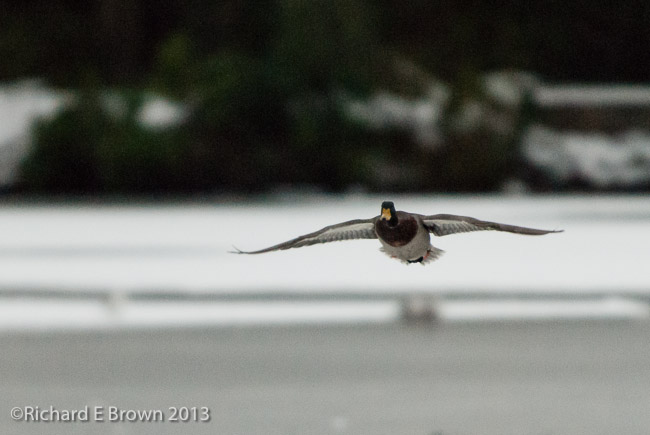
Wildlife photography is tricky and requires a good knowledge of your camera, how to configure its autofocus, auto iso and modes to increase your chance to get the shots you want.
Its not just knowing your equipment but you can greatly increase your chances of getting a good shot by knowing your location and knowing your subject well.
A cold but enjoyable day and considering the lighting conditions and my lack of practice I am quite pleased with my results.
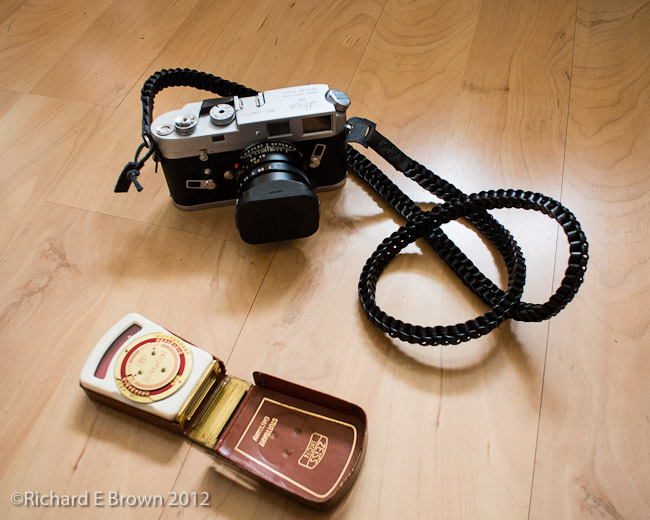 New, gear new lens, there is always something we want. Most of us would do far better to just go out more and shoot what we enjoy and learn to use the equipment we have.
Just watched a great video called signal to noise on Zackarias.com, an enjoyable video on whats important.
Are you going out shooting this weekend or dreaming of that Nikon D5 that does not exist yet that will finally solve your perceived issues.
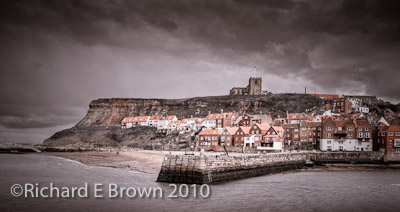 Whitby is one of our top three holiday destinations in England. When we visited a few months ago there had been a landslip, resulting in some houses having to be demolished.
Last week there has been another landslip, this time near the church. See the BBC news website for more details.
Lets hope it does not get any worse.