iPad Photo Editing in the field

The iPad (or insert your favourite Android, Palm WebOS tablet OS here), are consumption devices and toys not suitable for real work is what you are always told.

Well to be honest they’re not suited for Photography heavy lifting but its surprising what you can accomplish.

I went out with a small Billingham Hadley Bag carrying an iPad, Leica M8, spare memory cards, camera batteries a couple of lens for a walk while the rest of my Photo gear was safe in the hotel.

20130524-073453.jpg

I took photographs of the pretty little church, a few other buildings and a few people who looked interesting.

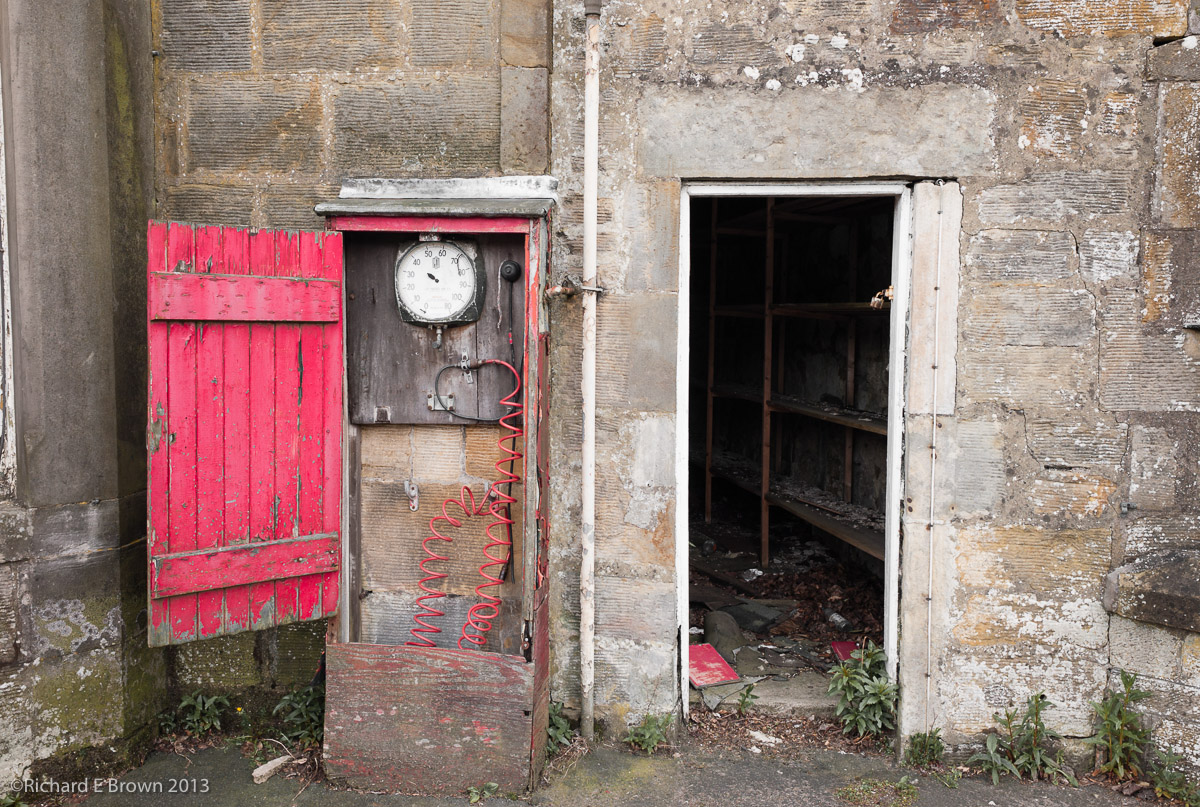
We then passed a rather small old garage that had stood unused for a number of years so I had to take a few shots.

After a meal we were relaxing and I decided to see what I could do with a few of the images. I have a iPad2 and using the camera connection I imported all my photographs, I usually make a backup of my photographs at the end of the day like this when I do not have a computer to hand. This then gives me two copies, one on the memory card and one on the iPad, once back home I always ensure I have three separate copied before wiping the cards.

Once on my iPad my first job was to use my PhotoSmith App to create a collection holding today’s Photographs, then I added location meta data and keyword’ed them. This App can then sync this information over to my master Lightroom Catalogue. I then used my new Raw processing software PhotoRaw. I loaded a few images and created a few full sized jpegs with a few tweaks.

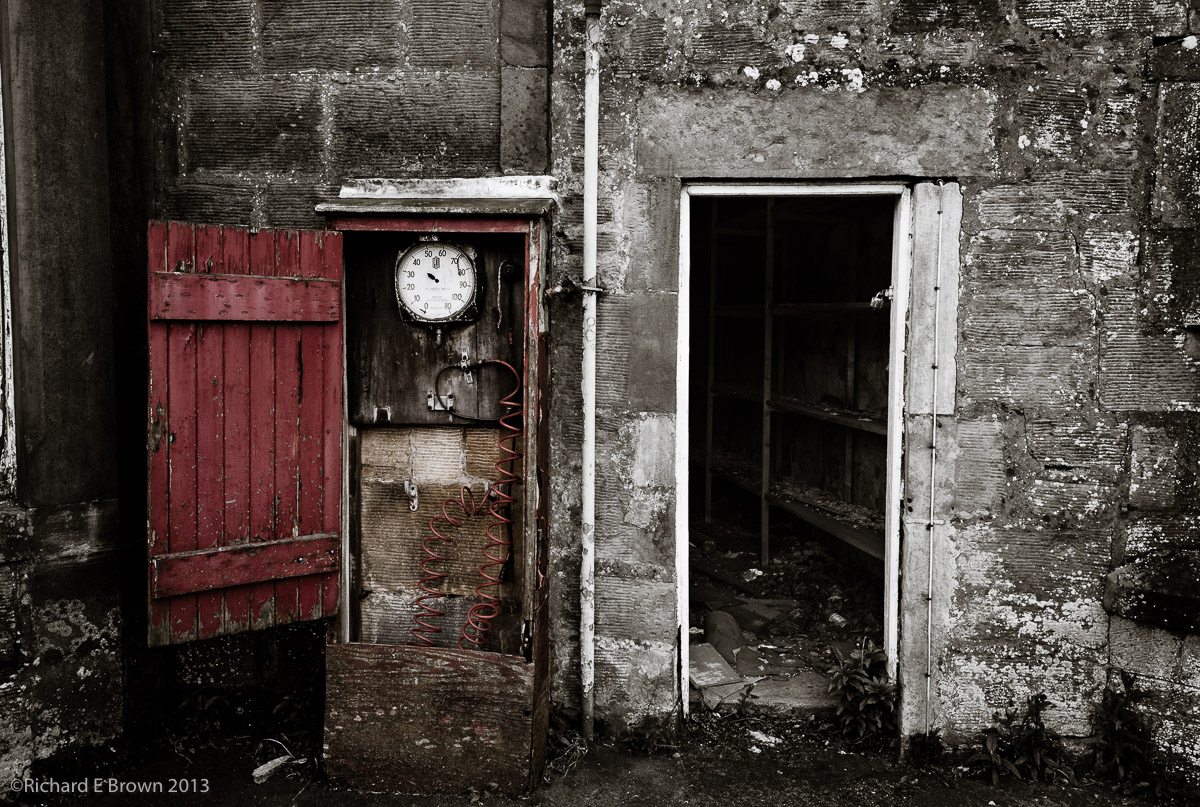
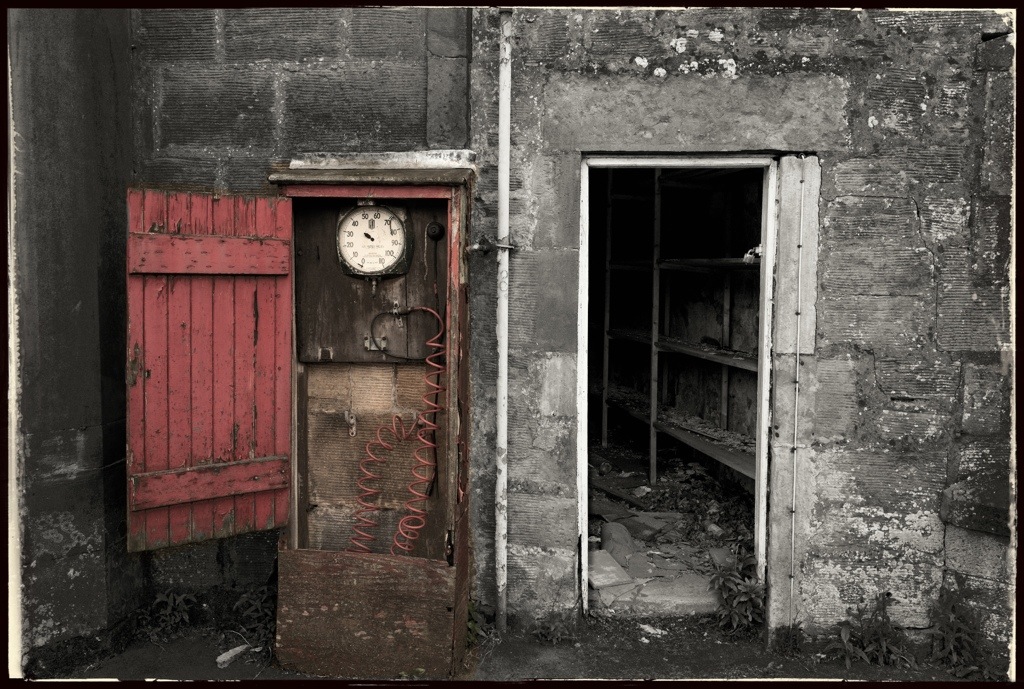
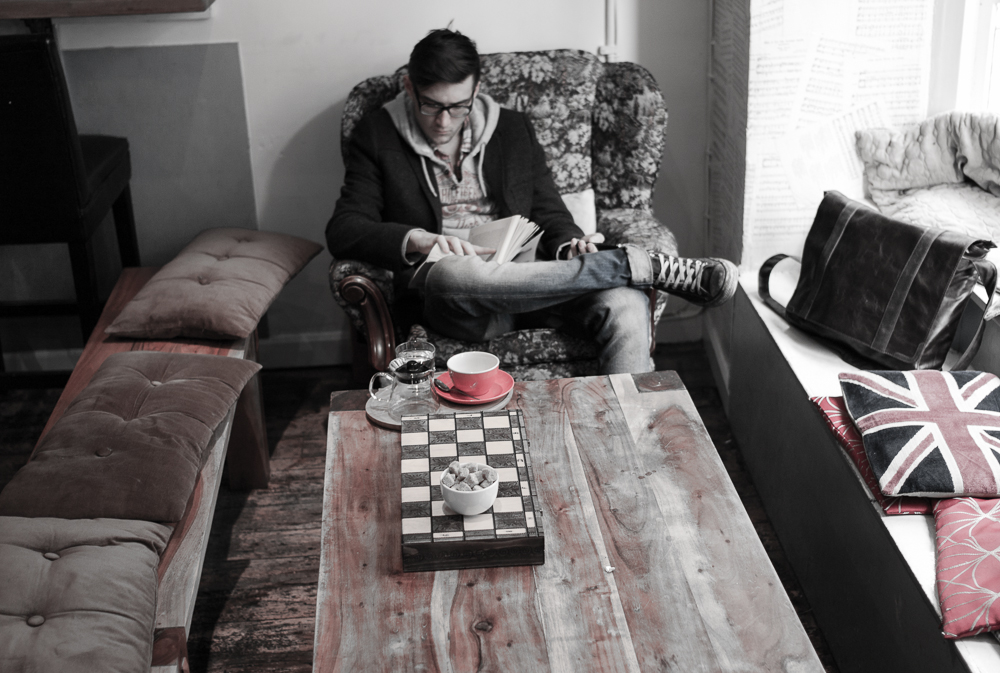
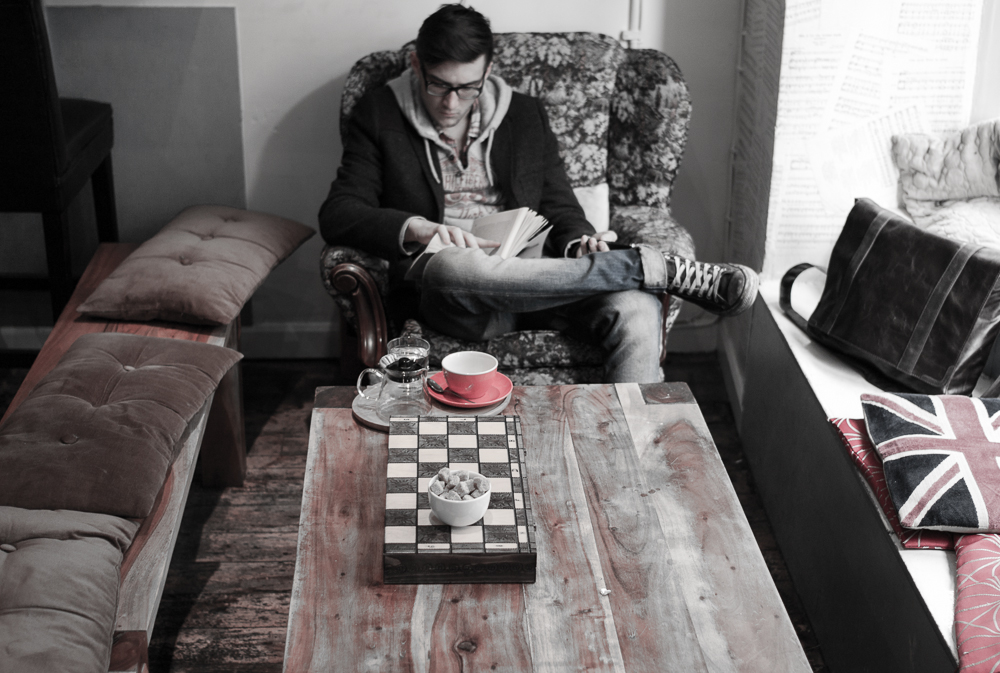
The photograph of the garage was one I most interested in. I thought as a desaturated imaged leaving a little red in the imaged but removing the rest would work well. The kind of work I wanted to do really needed the HSL model of Adobe’s Lightroom but what can you do on an iPad?

With the garage image in PhotoRaw I had the import sharpening set to Auto, I have tested a few of the manual sharpening import options and there is even a setting for my Leica but Auto seems to produce the same settings as the Leica setting and seems to give the best results.

I gave the image a slight contrast boost, lifted the shadows and warmed and desaturated the image very slightly. I then saved it as a full sized jpeg and opened the image in Photoshop Touch. A quick selection of the coloured area to place it on its own layer, I could then turn the other layer into a Black & White image. Another layer containing the inside view enabled me to brighten that area. Once again it was saved and then opened in SnapSeed, where I warmed the image and added the frame. And so there you have it. An imaged processed from the Raw and the published on the web, all using my iPad. Even this post was written and published using it.

PhotoRaw

Macbook Air -topRAW processing has always been the preserve of the standard computer not the modern tablet which is viewed as a consumption device and not a device for actual work.  I have for a while wanted a RAW processor for the iPad but have always been disappointed with what is available, even Apple’s own iPhoto for the iPad can not handle RAW files.

iPad Mini

The best solution has been SnapSeed but now I have discovered PhotoRaw. SnapSeed, while it claims to be a RAW processor is not, it actually allows you to edit the imbedded JPeg used for imaging previewing, which is how most apps like Apple’s own iPhoto for the iPad works.  Now for many this is not an issue, and for many of todays top cameras one can configure the size and nature of the jpeg.

While many of these are not a bad solution, I wanted the real deal for when I am away on photography trips traveling light with the iPad.  I also wanted a solution that did not impact too much on my normal work flow.

When shooting in certain situations I shoot RAW + JPG with the jpeg set to Black & White. When I import these into Adobe Lightroom I thus get the full colour RAW plus a Black & White image. I can then quickly compare and decide if I want a colour or Black & White final image and edit the RAW accordingly.

The problem is working like this is not an option on the iPad as it only sees the imbedded jpg.  Thus I only get to work with the Black & White image.  So if I want to work on the iPad I either needed to change my work flow and camera settings or find a better iPad app.

With the release of Adobe Creative Cloud, Adobe demonstrated Lightroom running on an iPad and syncing back to your normal Lightroom database via the Cloud.

While this looks good, it’s still early days and there is yet no release date. Well now I have PhotoRaw and for once this does exactly what it states, real RAW processing.  The initial import can be slow but once that is complete and the RAW has been rendered one can then do basic editing, export a jpeg of the size, quality and crop you want and at that point take it into, the iPad’s iPhoto, Snapseed or Photoshop Touch (insert your favourite editing software here), and do the final editing.  Like many iPad apps its not a single solution but requires other apps, and once back home you will have to re-import the RAW and re-edit potentially.

I’ll give it good test on my next major photo trip and post more on what I thought.  Long term I think if Adobe can pull off Lightroom on the iPad and seamless syncing back to the desktop with the Creative Cloud, then for professional travel photographers that will be the solution to go for if you can put up with Adobe’s monthly fees.

Lightroom V5 Horizontal and Vertical Adjust

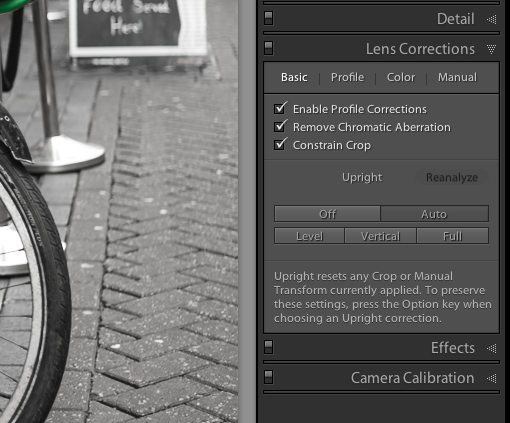
A few people have mentioned to me that they could not find the new Horizontal and Vertical adjustment tool in Lightroom V5.

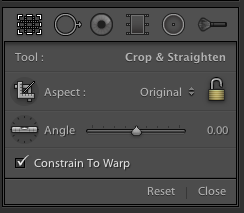
Lightroom V5 crop tool

When I first heard of this tool I immediately went into the crop tool menu (short cut just press the ‘r’ key) and looked for the new tool there.  As you can see above no new tool there, though you can see the new circular gradient tool, to the left of the adjustment brush.

Screen Shot 2013-05-19 at 19.25.35The new tool has been put in the Lens correction section.  If you want to see it in use then check out the post last week. So if you want to have ago, download the beta and have a play.

LR5 Beta Lens correction Modes

No Correction
No Correction

The Beta for Lightroom has been out for a few weeks now, and there are some nice touches. For those wondering yes you can buy it as usual and not have to subscribe to Adobe’s Creative Cloud.

Vertical Correction in LR5

The last couple of days I have been playing with the new Lens correction tool. In the new Beta its actually a lot more then that. You can as well as correcting for lens issues you can correct for verticals as seen above but also do level correction as seen below.

Level Correction in LR5
Full Correction in LR5

Full corrections are also available and finally Auto, which you can see below. It can prove quite useful for correcting architectural shots. It can prove more challenging when there are people in the shot or if the correction needed is extreme, but it is a useful additional tool to the photographers tool box.

Auto Correction in LR5

Now when the corrections are subtle things look fine as in the above example which has full corrections, but the software can attempt to go too far.

Lens corrections Only

This photography has some extreme angles.  This is what happens when you apply full corrections.

Full Corrections that break the image


Re Launch of RBPhotographic.co.uk

Originally this content was in a simple website written in a simple text editor. A few years ago I decided to try the WordPress application. I was very impressed and built this new site using WordPress.

I also have a website which I use to promote my Photography services, if you want a portrait, portfolio or for me to photography your wedding then www.rbphotographic.co.uk is where you can find out a little about these services.

It was also a simple website, with fairly static content. Well today I have also moved it over to WordPress. It’s proved to be a interesting learning curve, as for the main content I imported the contents of this site. I’ll post a things about the steps and issued in moving data between sites as I am sure there are others who will hit the same issues as I had.

OS X – Finder and All My Files Folder

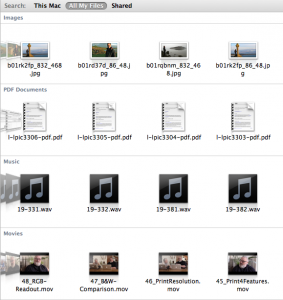
All My FilesFor those of us running OS X Mountain Lion the Spotlight function and the All My Files Folder can be very useful for finding documents.

It can also be irritating and difficult for the new comers to customise, how do you stop it from finding stuff you don’t need.

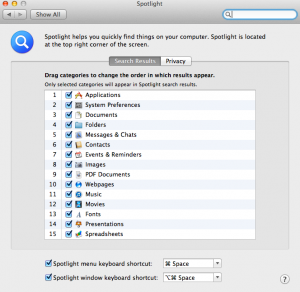
Well a quick and easy way is to just dive into System Preferences, and under the Personal Section, Click on Spotlight.Spot Light

Click on the Privacy button and just add in the folders your not interested in.

Adobe Creative Cloud and No CS7

I don’t usually blog on Wednesdays but the garbage being written on the forums about Adobe’s creative cloud has driven me to my keyboard.

ccpost

So the big announcement at Monday’s MAX Conference was that Adobe will not be releasing a CS7.  Instead you will have to subscribe to Adobe’s Creative Cloud and their subscription based model. Basically instead of purchasing CS7 Photoshop or the the Suite you rent it, either by the month or year.

The internet forums, twitter and googleplus are full of outraged users.  CS6 will still be available for many its a great choice but for the latest version you will have to subscribe.

Most users are complaining about a) The Price, & b) The Cloud aspect.

The headline figure is £50.00 a month, well actually its £46.88 if your not already a photoshop user.  Thats pretty steep I would agree, but then again Photoshop costs £800 full retail and gets upgraded every twenty four months.  Thats over £33 a month for just one package.

The problem with the rumours, half truths and rage about Adobe is just that, half truths.  Yes the full plan is £46.88 but that gets you every single Adobe Suite Product.  That is very good value.  If you just want Photoshop then you go for the single app subscription, which is just £17.58.

There are also offers available for people who are already registered users.  I contacted Adobe and they offered me a single app subscription for just £8.73 and for all apps £14.29.  If you use two or more apps from the suite that is great value.

There is a problem for Photographers who just user Photoshop and Lightroom, the suite offering for those two is far to expensive, you are better off subscribing to just Photoshop and purchasing Lightroom as normal, and Adobe have confirmed it will still be sold retail.

The Adobe Photoshop Manager did recently admit in an interview that they are looking again at the offerings for Photographers so hopefully they can come up with something a little better.

Lets now address the second complaint, the cloud aspect.  People are saying that the applications now run in a web browser and will only work on a fast internet connection.  Well that is wrong.  You download it from the cloud and install and use as normal so no change.  The license checking is a little different.  If you subscribe for a year then the software needs to check back to Adobe to see if your subscription is current every 99 days.  If you subscribe by the month then I believe its 37 days.

With some of the tablet demos and syncing between Lightroom and iPad’s that Adobe have demonstrated then I think its not going to be long before people think the subscription to Adobe’s Creative Cloud is essential.  Lets hope then can do a good deal for people who just want Lightroom and Photoshop.

Of course if Adobe ramps up the price too much next year my view on the price will be very different.

More details on the Cloud at ‘The Grid” of the Cloud syncing and iPad editing for Lightroom.


HDR Editing in Adobe Lightroom

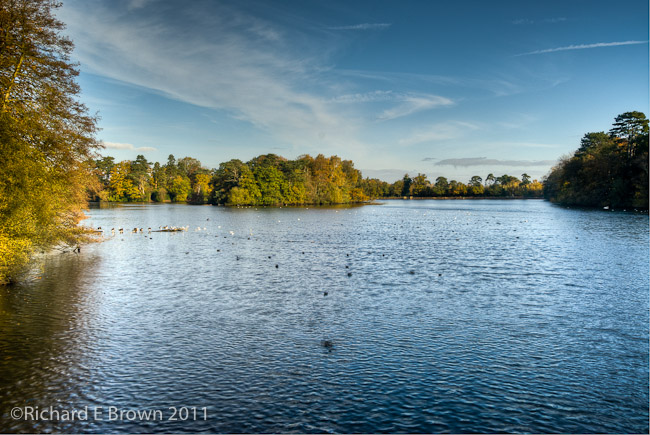
Hartsholme Lake - SLR - HDRHDR – High Dynamic Range, is a useful technique when the dynamic range of the scene is beyond that of the sensor or film you are using.

Traditionally the one uses dedicated HDR like PhotomatrixPro, but recently I found a method of producing a more realistic method of producing a HDR image by doing the editing in Lightroom.
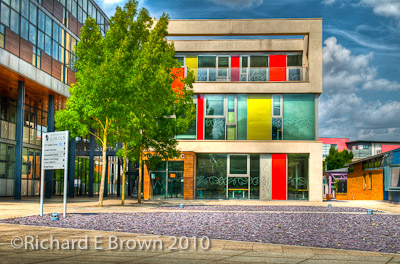
University in HDR

One can use HDR carefully and produce natural looking results like in the photograph at the top of this page. Often now you see HDR used to produce over the top cartoony images like in my shot of the University of Lincoln.

My workflow is generally as follows:

  • Image Capture
  • Initial import to Lightroom
  • Initial Edit
  • Export to HDR Program
  • Process in HDR Program
  • Export Back to Lightroom

I generally shoot a five stop bracket, using auto bracketing. These photographs are then imported into Lightroom and I do basic key wording, copyright information and correcting for lens issues and basic import sharpening.

The five shots are then selected and exported to TIFF into my HDR Program. I use PhotomatrixPro. The HDR processing is now done and the resulting single file exported back to Lightroom. I can then do my usual processing and cropping back in a program I am more familiar with.

Well I did not spot it until recently (thanks to Matt Kloskowski) but you can now export the shots to Photoshop combine them and then re-import and do the processing back in Lightroom. Now Photoshop can do HDR but until CS6 third party programs have been better. This technique though just uses Photoshop to combine the images, which are then exported back to Lightroom and you can do the processing back in the program I am mist familiar with.

So how do you do this? Well for a start you need Lightroom V4.1 at least, V4.0 and before could not do it.
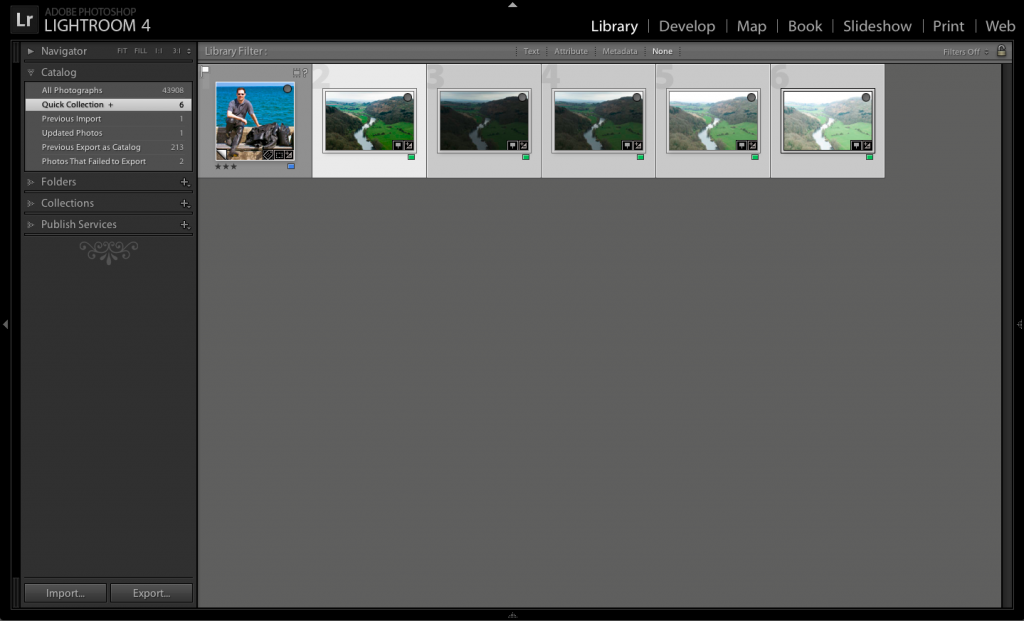
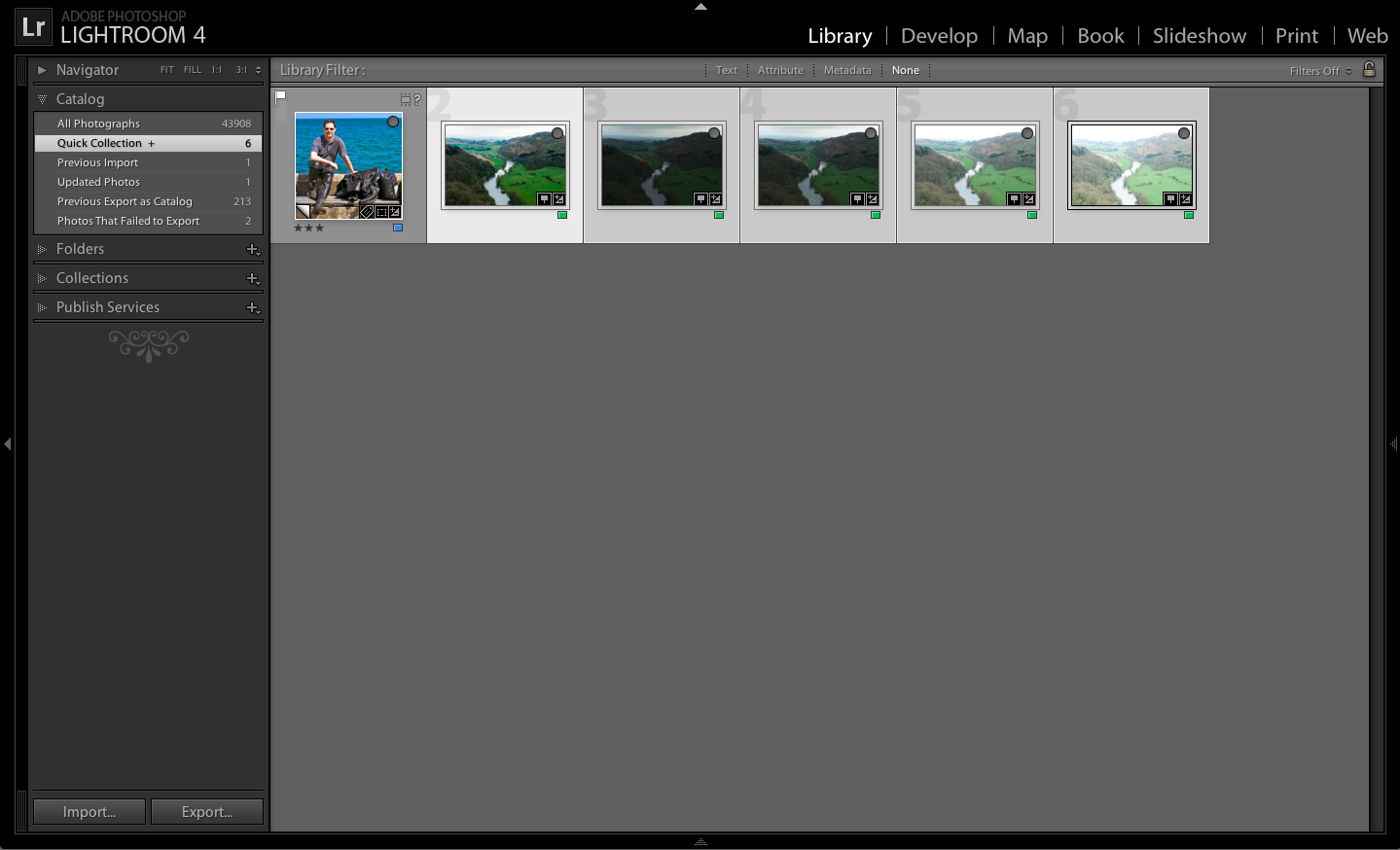
Screen Shot 2013-05-03 at 13.42.13

Select all the photographs in the bracketing set in the Library module.
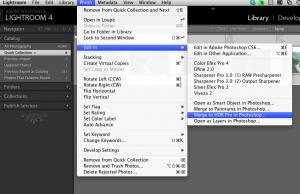
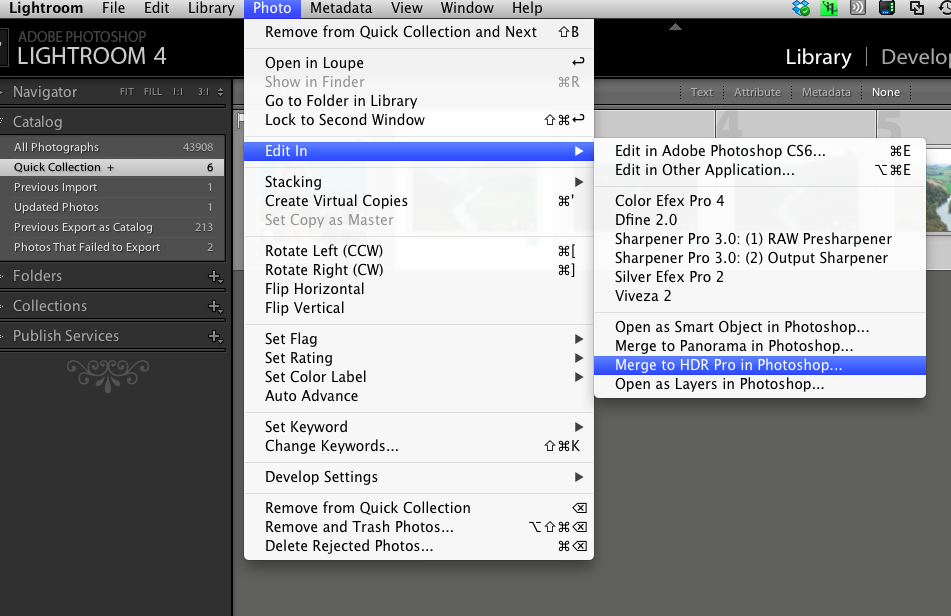
Screen Shot 2013-05-03 at 13.48.00Then go to the Photo Menu, select Edit in, and then, Merge to HDR Pro in Photoshop. This will cause Photoshop to Launch (you will need CS6).

Once all the images how loaded you need to change a setting in the right hand menu panel within Photoshop CS6. I recommend you click on the button Remove Ghosts and then change the Mode from the default of 16 Bit to 32 Bit. Then click OK.
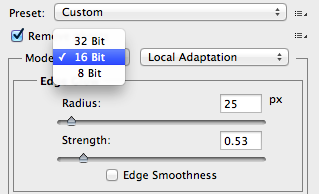
Screen Shot 2013-05-03 at 13.55.12

It will now process the selected files into a single TIFF file (it must be saved as a TIFF). If you shoot with a 24 megapixel camera or more and have a older computer this could take some time!

Then close Photoshop and when prompted to save click Yes. Photoshop will save the file and Lightroom will import it. You can then edit the resulting file with a number of advantages.
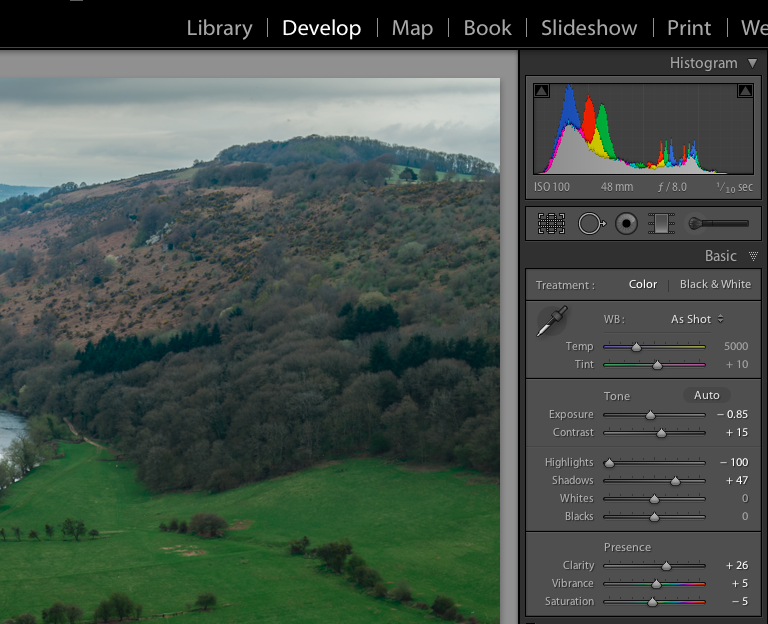
Screen Shot 2013-05-03 at 14.09.32

When you now edit the image you will find that there is far more data available then if it was a single image.
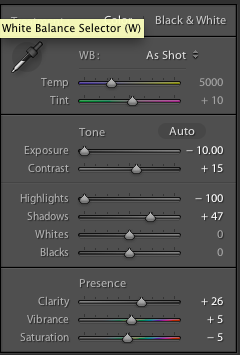
Screen Shot 2013-05-03 at 14.10.10

With the five set bracket I took I have plus/minus 10 stops available in the exposure control. This gives you the advantages of HDR but not the cartoony look.
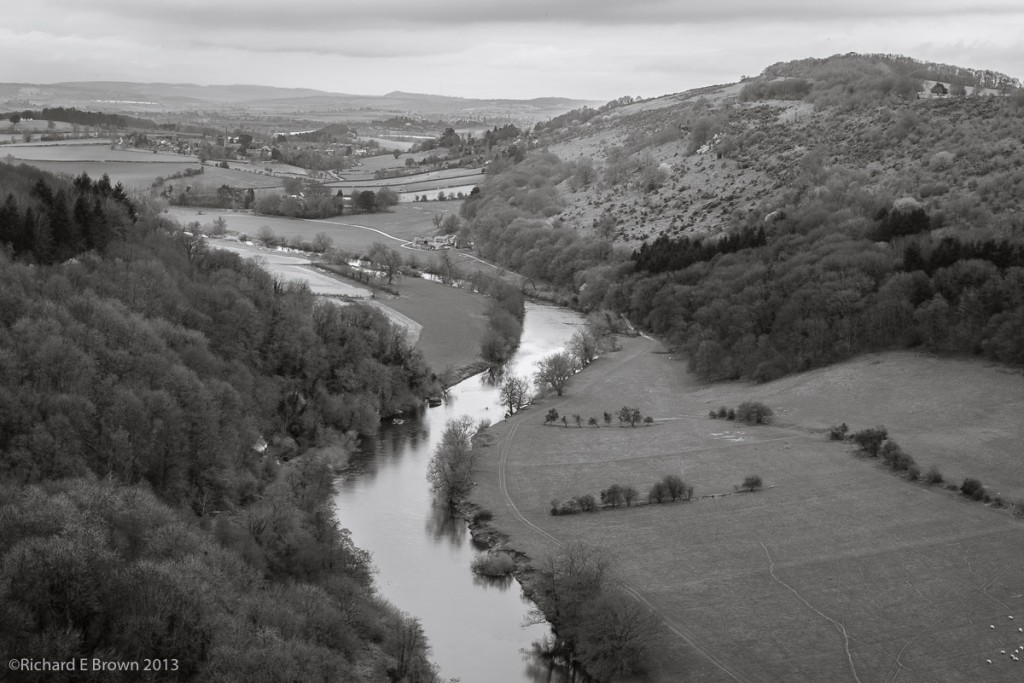
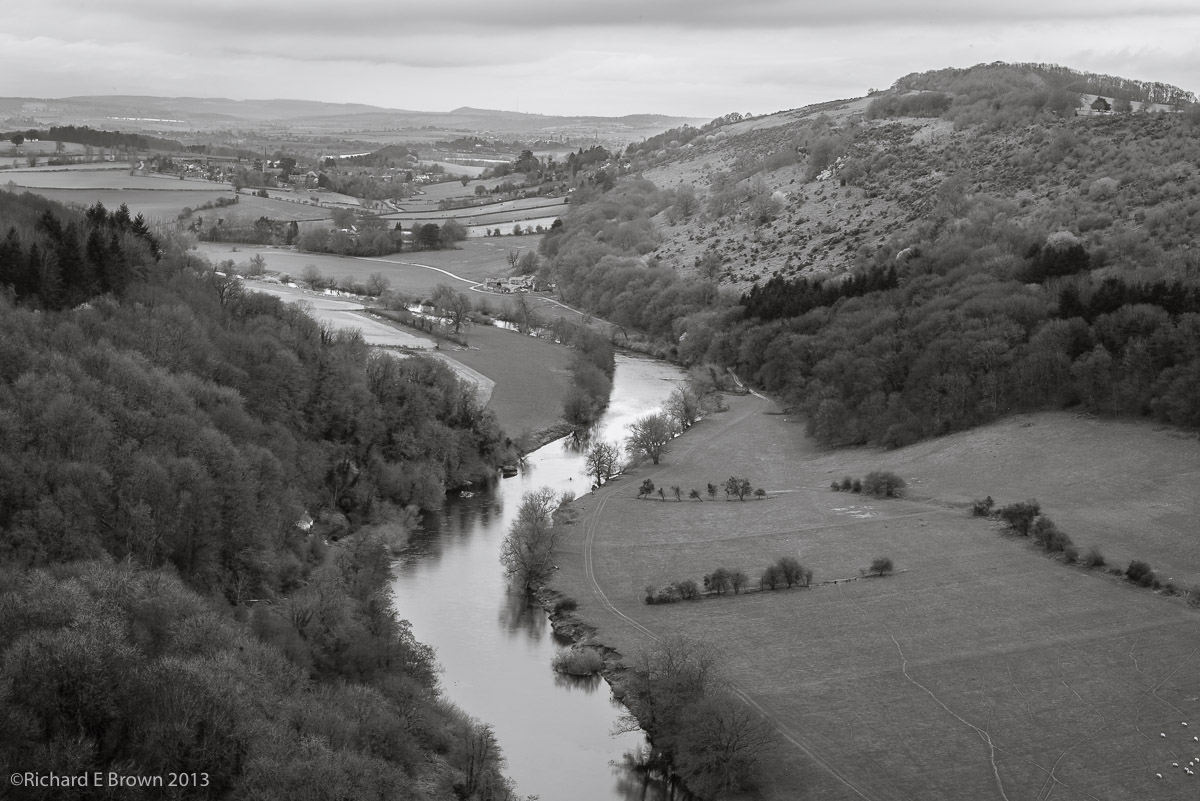
Symonds YatHere is the final image, turned into a Black & White with lot more detail available in the what was a blown out sky.

Now that I have learn’t this technique I’ll be re-visiting some of my older brackets and seeing if I can do a better job of post production. Here is a quick re-edit I did of a interior shot of the lovely and majestic Lincoln Cathedral.
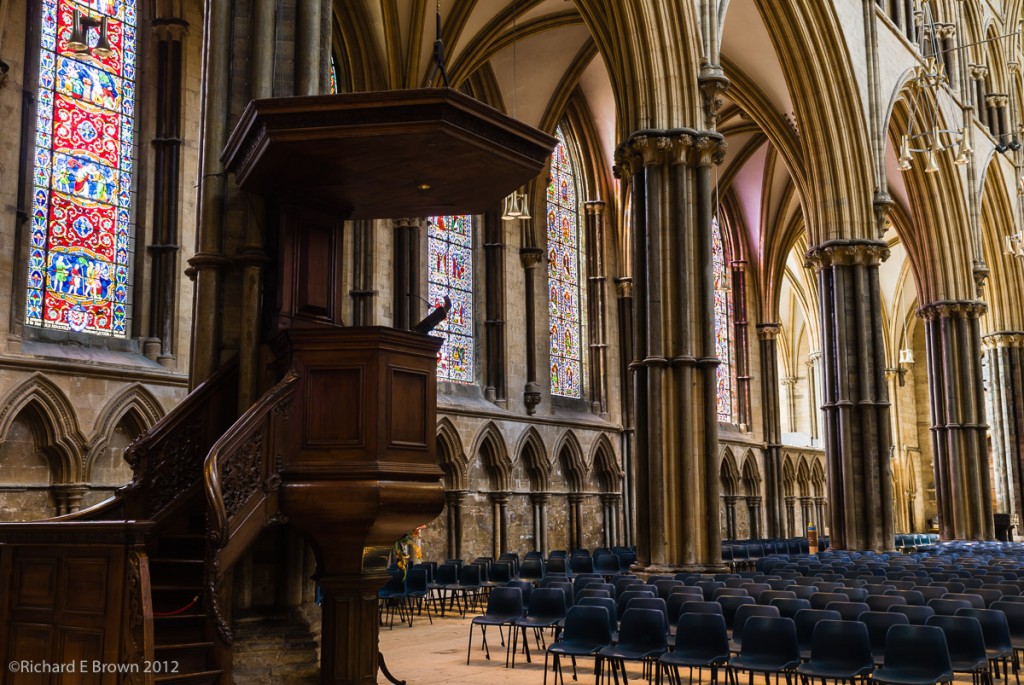
Lincoln Cathedral

Solid State Disks are the way forward

Macbook Air -top

A few years ago Apple started to offer the option of SSD’s instead of a hard disk. Costs were very high, people blamed the ‘Apple Tax’ but early SSD’s with good performance and that worked correctly with the OS were few and far between. Most of them had maxiumum capacities of 64 – 80 GB’s not a lot for your main laptop but certainly an option for the new Ultra Light Laptops that Apple pioneered with their Air Range.

Now most manufacturers offer the option of an SSD and in the capacity of 120 – 250 GB they are getting quite affordable.

The little Macbook Airs now only come with SSD’s and the top of the range MacBook Pro can have one at 768 GB!

Last weekend I finally got to have a go with my wife Caroline’s MacBook Pro Retina, this 15″ Retina with 16 GB of RAM and a large SSD is a real speed machine, and I was amazed at the improvement it made working with large files in Photoshop.

My MacBook is the original 15″ Unibody from 2008, its little 320 GB disk is nearly always close to full so I decided to bite the bullet and upgrade, not by buying a new laptop but by getting a SSD to replace my old Harddisk.

The 2008 model is very easy to upgrade, simply open up the battery access panel and there staring at you is the battery and hard disk.

First you need a SSD, I took the easy option and just asked Crucial the memory company for a compatible model at 512 GB in size.

Once it arrived, I took a full time machine backup and also cloned the disk to an old external with a neat piece of software called SuperDuper.

If your using a version of OS X that was released from the app store you will also need some installation media. I have blogged before on how to create a bootable Install disk but in case you missed it you can find it here.

OS X - Ten Years Ols
OS X – Ten Years Old

So with your laptop all backed up, you need to assemble your tools: a bootable OS X install disk, the new SSD and a Philips 00 Screwdriver and a T6 Torx Screwdriver.

Shutdown the laptop and turn over. Taking suitable antistatic procedures open up the access panel and remove the battery. Then with the Philips screwdriver undo the three screws. Carefully remove the drive and undo the cable.

You will now need to remove the four T6 screws in the side of the old hard disk. Once removed put them into the new SSD.

Connect up the cable and insert the SSD, bottom edge first being careful of the cable. Fasten in with the three Philips screws and put the battery back in. Put the access panel back and you are now ready for the fun bit 🙂

Connect up the power and also connect up your OS X bootable device. It’s now time to switch on and let the computer boot from your install media.

Choose the disk utilities option and format the disk. You can then do a fresh install of your OS. To get your data back you can either use Time Machine or just reinstall and copy your data back.

Its been over seven years since I have done a totally clean install so I thought it was about time. Finding all my software and licenses was fun but it was not long before I had a super fast MacBook Pro.

If your interested in installing an SSD do make sure its supported and also check the firmware revision. Mine did not ship with the latest firmware and some firmware has issues with OS X and Windows 8. Find a firmware that is supported and upgrade.

The firmware upgrade is straightforward but I’ll cover that another day.

OS X - 10.8.0 Mountain Lion

If you want a clear article on doing this and many other simple computer jobs, check out the ifixit.com website. You can find an article here on the MacBook Pro upgrade I undertook.

Adventures with IE6

Macbook Air -openThis good Friday we had an invite to visit Caroline’s sister, Angela in Chesterfield.

We also had a little chore to do.  Get Angela’s ‘new’ desktop computer up and running.  This was an old Windows XP machine that Alan, Caroline’s farther no longer needed.

First job was a booting problem, quickly diagnosed to be a flat motherboard battery, which was easily fixed.

Then getting it on the internet, this proved harder then expected.  Angela’s Wifi supported and was using MAC address filtering as an additional security measure.  Unfortunately the old wireless router’s management software only supported IE6.  We tried Safari on the MAC, the iPad and Firefox, but none were supported.

In the end I ended up booting up an old VM of Windows XP that I happened to still have sat on an old external harddisk that was sat in the bottom of my computer bag.  Lucky!

With the VM booted up on my Mac it was soon in IE6 and logged into the router to make the necessary modification.

Back in the day when Microsoft’s IE6 was the leading browser more often then not software was specifically written for it.

Luckily today most things are a little more standards based, so no matter if your using the latest Microsoft Operating System or a Mac running OS X, even other flavours of UNIX and LINUX; we can all work together.