Spring Photo Shoots – Getting Ready

Here at the Brown Household we are starting to get ready for our Spring Holidays/Landscape Photography Trips.

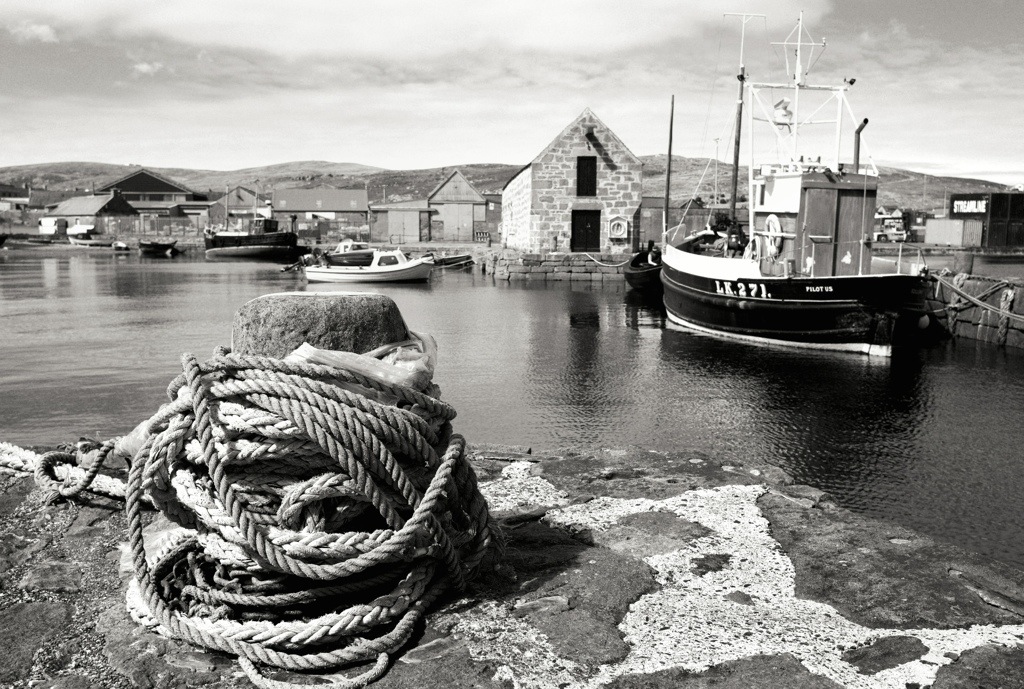
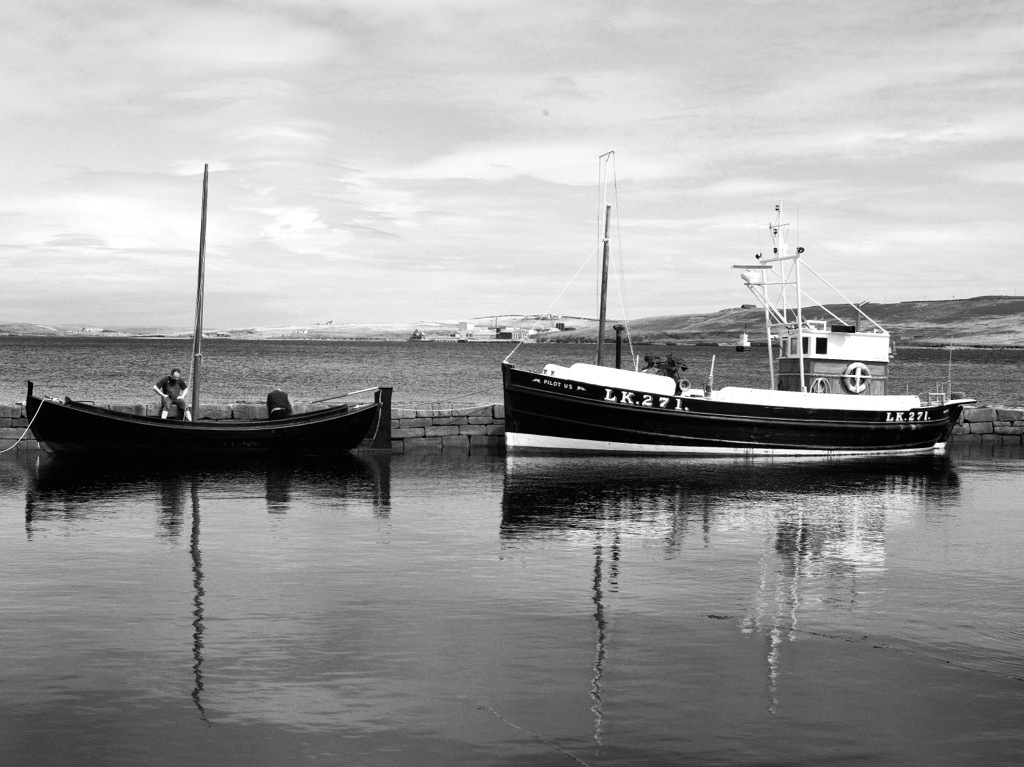
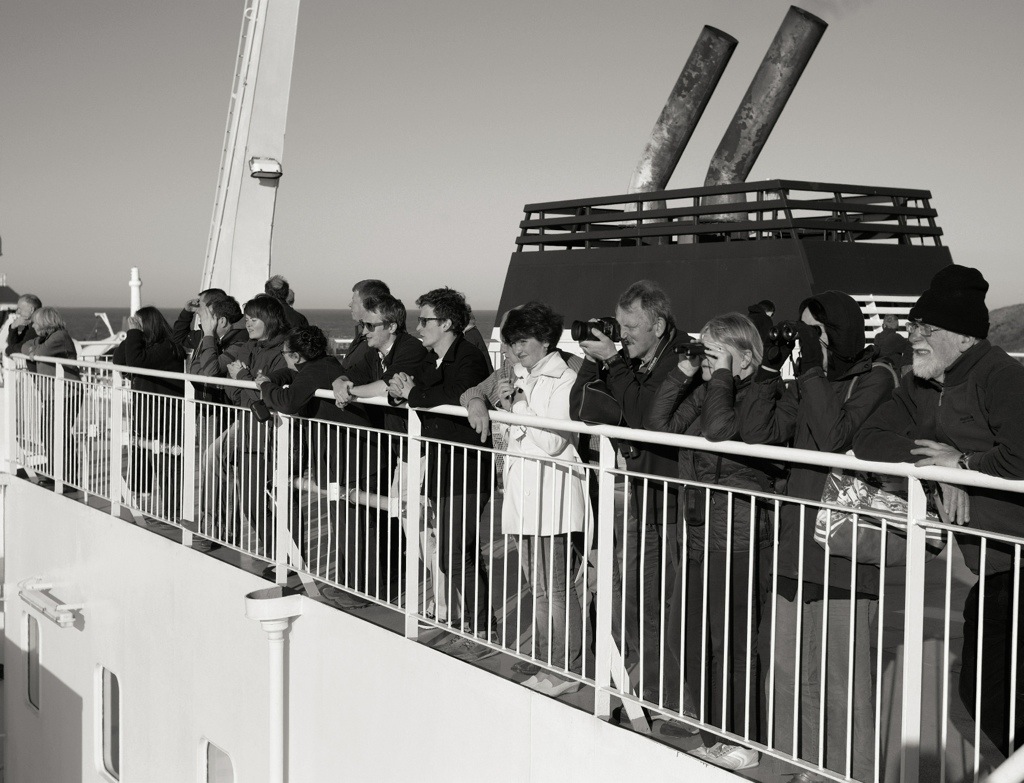
We have two Spring Holidays planned, one to the Forest of Dean and one to the Shetland Islands.

Part holiday but also part photography trip, so we will be taking the car and not the motorcycle, so we will not be to limited with regard to what equipment we can take.

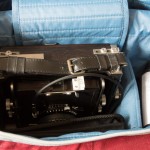
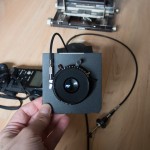
The primary shooting is going to be Landscape so i’ll be taking the Large Format Ebony.

LargeFormat-Chair-2

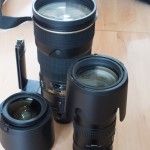
The secondary shooting will be be wildlife, so DSLR’s with lens up to 300mm will be needed.

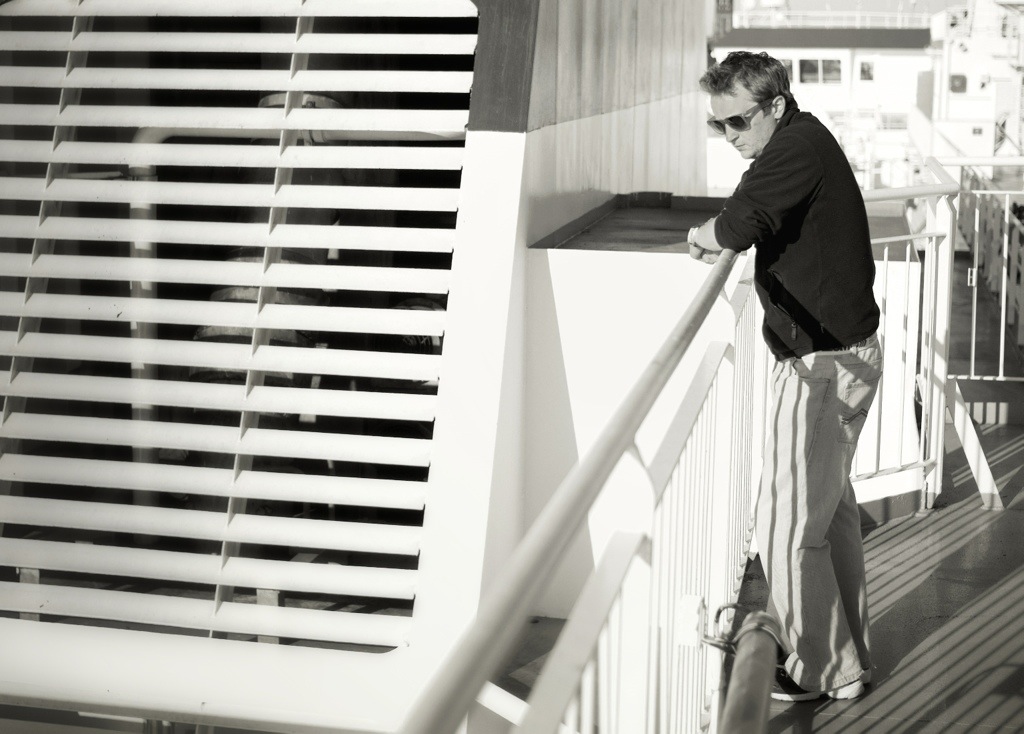
Ferrys and hotels are now all booked so now its just a matter of research to try and locate some likely spots to visit to see if they are suitable.

Always exciting and certainly as far as the Shetland Islands, its the first time we have been there so should prove a new experience.

Is Full Frame Better?

X-100We are seeing some big pushes recently, as more and more manufacturers come out with full frame cameras.  As I mentioned in a previous article even high end compacts are getting bigger sensors, but is full frame the best.

If you go back fifty-sixty years or so most people shot medium format or large format. Cameras with negatives 6 cm x 6 cm or in the case of large format 5 inch x 4 inch or larger. Gradually though more and more people switched to the lighter and smaller formats as the technology got better and the image quality improved.

45SU

With the larger formats, depth of field was always what photographers wanted, there was even a club called the F-SixtyFour Club, where it was considered that all photographs should be taken at f/64 or greater. Some of my Large Format Lens actually go to f/128, where as modern 35mm lens tend to stop at f/16.

As formats get smaller then due to the physics of optics the depth of field gets greater, together with the advantage of the cameras being smaller and lighter. For many uses the greater depth of field gives many advantages.

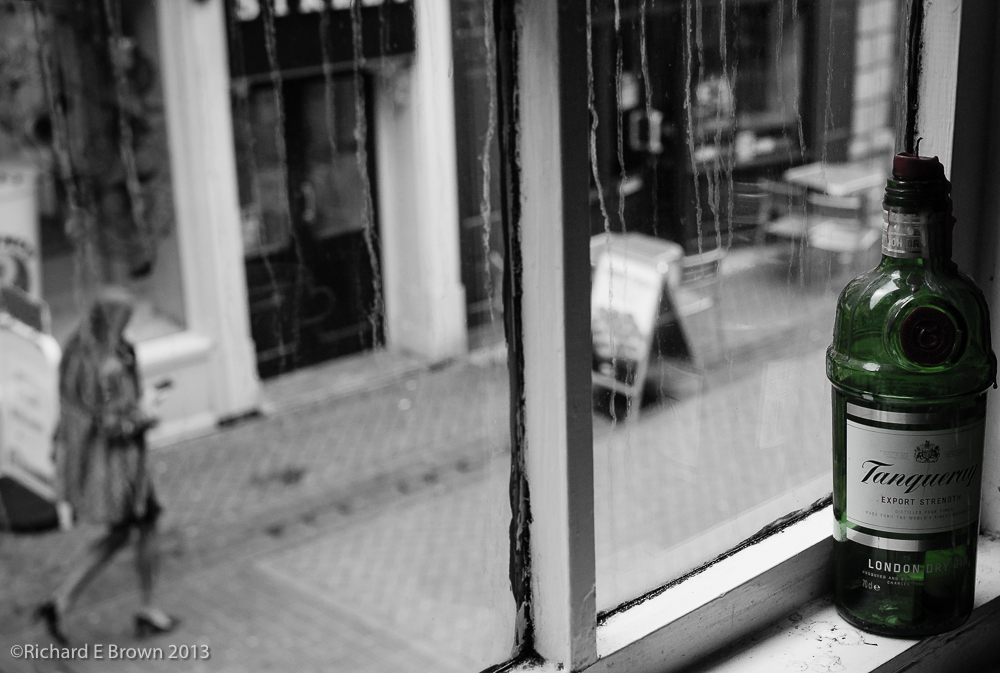
Today the fashion seems to be out of focus backgrounds, a particular craze among Leica photographers currently with their advantage of full frame 35mm sensors and fast glass. Its even something I indulge in myself as can be seen from this months picture of the month.

Fuji X

But I hope we continue to get the option, smaller sensors like CX format in the Nikon Series One with its 2.7 crop do offer some types of photography an advantage. So let there be more cameras like the Full Frame Sony RX-1 but also more cameras with smaller sensors like MicroFourThirds, Nikon One, and even the little Fuji’s like the X10 with its tiny sensor.

nikon1

Give us well built bodies, and direct controls but also options, so if I can use the right tool for the right job.

What is a standard Lens

Most people think of the standard lens as the old 50mm, but what do we mean by a standard lens. Well there are a number of definitions.

Cathedral City in the Snow

Most of the books state that a standard lens is one that produces a field of view similar the human eye.

A simple statement except that the human eye and brain is a decidedly different concept. We can concentrate on a small object in the landscape or sweep our eyes across a majestic vista. This gives us the impression of going from a telephoto to a wide angle in a single moment. The camera is a much more simple affair.

One is often better to consider perspective. It turns out that a lens of a focal equal to that of the diagonal of the 35mm piece of film (or full frame sensor) produces a very natural perspective and field of view.

So what focal length should a standard lens be; well it turns out its about 43mm. As far as I am aware only one manufacture made a 43mm lens and that was Pentax.

So a standard lens could be considered either a 35mm or 50mm lens. Depending on whether you want something slightly wider or longer.

For Medium Format users then they generally use a 75mm standard lens, and for Large format users, well thats a topic for another post.

Film Friday – Old and New

Kings Cross, Leica M4, Film HP5Plus

While travelling back to Lincolnshire from London, I had a while to wait in Kings Cross Railway Station.  Its a very curious mix of old and Architecture and has a number of photographic opportunities.  Since I took this photo I have seen a few by another Leica Shooter on the DPReviews called Michael Toye.  You can see more on his flicker Gallery here: www.flickr.com/photos/michael_toye.  Much better then mine I think you would agree.

My shot here was shot on my Leica M4, with a Leica 35mm Summicron, on Ilford HP5 Plus developed in Kodak X-Tol developer.

Fuji X100S Reviews start to appear

If your after a very high quality compact camera then the Sony RX1 is the king, but with a full frame DSLR price tag.

For me its biggest shortfall is the lack of a built in viewfinder.

Fuji X100s

One of the best Compacts around has been the Fuji X100, it had issues with focus speed but with the latest firmware its a good little camera but out classed in the focusing stakes by just about every other manufacturers offerings.

Well we are promised that they now have the best focusing around with the recently announced X100s.

I love its traditional format and optical viewfinder, lets hope that the third party RAW processors get better as it now has the latest iteration of the X Trans sensor.

Check out the following site for more details:

www.cbphotoblog.com/

If your interested in more information on the sensor and some background in the processing of its RAW file then check out:

http://chromasoft.blogspot.co.uk

Profiling Tests

Custom Profile
Custom Profile
Adobe Default Profile

Profiling is considered by many to be a bit of a dark art. I experimented recently with creating some custom camera profiles and comparing them with the camera profile built into Adobe Lightroom.

It always used to be the case that to get the best, a home built profile always gave you the best results, but now I like the results with the default Adobe Profile. I am not sure if it is better or if my test card is getting a bit faded and needs replacing. They recommend replacing every year, but mine is about five years old now. I’ll borrow a new one and retest, I have also run off a few prints using both profiles to see which I like best.


Adobe Built in Profile
Custom Profile
Custom Profile

These two close ups have been calibrated for the web on a sRGB profile but even so I prefer Adobe’s profile, but to my eyes, both look a little off, with the Adobe profile being a little to Magenta and the Custom profile being to yellow.

While doing these tests it made me think about all the elements of profiling from Camera, Print and Screen, its an area that many struggle with. I’ll write some more about this soon.

Motorcyclists – life style, or commuting choice

Do motorcyclists see it as a life style choice, a cheap method of transport or a thrill for Sunny Sundays.

Bicycles
Bicycles

OK so the photo above is a pair of bicycles, but I could not resist this rather nice image taken with my Leica M4 and a Summicron 35mm lens.

To be honest if you have a small sub 250cc bike then it is a cheap method of transport. But for those of us with larger bikes it can be an issue. For a while my little Honda 650 V twin was considered a commuter under the tax rules and had cheap tax. Then the government decided that all bikes over 600cc where sports bikes used on Sunny Sundays. So the tax rate greatly increased.

r1200gs

Come on; lets be sensible about this, there is quite a difference between a commuter on a little 50cc or 250cc or even a long distance commuter such as a BMW RT which is 1200cc.

Some of us have 600cc sports bikes which we only uses for sunny Sundays, but some of us have 1200cc or even 1600cc bikes which are highly fuel efficient and effective commuters that have far less environmental impact on the Earth then a car.

bee-0905Lets tax transport sensibly, encourage public transport, bicycles and scooters. But don’t forget those of use who use motor vehicles that are essential due to our location or the nature of our jobs. For some of us, using a car or large bike is the only option. Either put an option in place for us or tax us suitably.

How many Lenses do you need

I was reading an interesting article the other day that stated Leica M owners average 1.4 lenses each.

Today the fashion for SLR owners is to try and collect the set, ie own most of the common lenses. It’s something I have found myself doing.

For my DSLR’s I own the lenses from 12mm up to 300mm. Though depending on what I am shooting, I might just use one or two lenses.

Certainly while restrictive, one can have a lot of fun, with a camera and a single focal length. I have often gone out with my Nikon DSLR with just a 35mm prime lens.

Compositionally one can learn a lot, and the restriction can make you a better photographer, because you have to work for the image, rather then just stand still and zoom.

If you own a prime lens I suggest you give it try. Once your eye is used to the focal length and framing you may surprise yourself.

High End Compacts

With the announcement this week of the new Nikon Coolpix A, most camera manufacturers now have a high end fixed lens compact.

Sony RX1

The best of the bunch is the Sony RX1, and the Fuji X100.  I had a play with the RX1 a few months ago and apart from needing a viewfinder Sony have gotten just about everything right with this camera.  Its expensive and not coming with a lens hood or battery charger is just ridiculous, but it is a very good camera.  Personally I like the Fuji better, but then I have a thing about optical viewfinders.

Some manufacturers seem to get it but others are not quite there yet.  The Nikon is a little disappointing.  Focal length wise 28mm is a good option but is playing it safe.  I would personally want 35mm or 24mm; 28mm is really a compromise option that I am not personally keen on.  Then there is the lens speed, it really should have been f/2 at least.  Still its good to see more options available, and once again Nikon have taken the brave option of not including a low pass filter, the anti-aliaising filter to stop moire.

As the cameras in phones get better and better, then compacts are going to have to go beyond just being a simple small sensor’ed point and shoot.