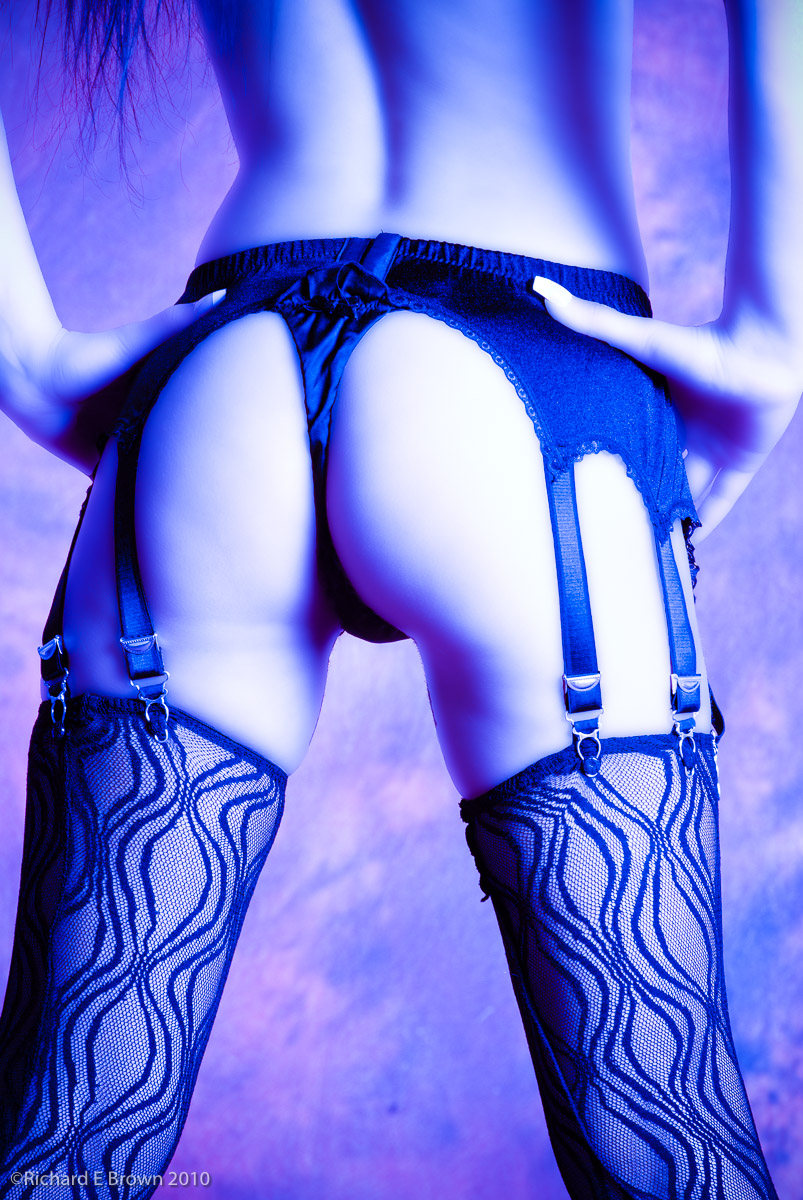
For the last several years there has been a National Stockings Day, well today is again the day. This year its to raise money for Breast Cancer Charities.
Here is one of my stocking photographs:
Enjoy.
Family, Photography and other misc news
For the last several years there has been a National Stockings Day, well today is again the day. This year its to raise money for Breast Cancer Charities.
Here is one of my stocking photographs:
Enjoy.

When Caroline and myself got married, we both had homes, so when it came to wedding gifts there was not much we needed.
Being keen travellers of the United Kingdom we asked for life time memberships of the National Trust and of English Heritage, this enables us to get free access to many fantastic places across England, Wales, Scotland and of course Northern Ireland.
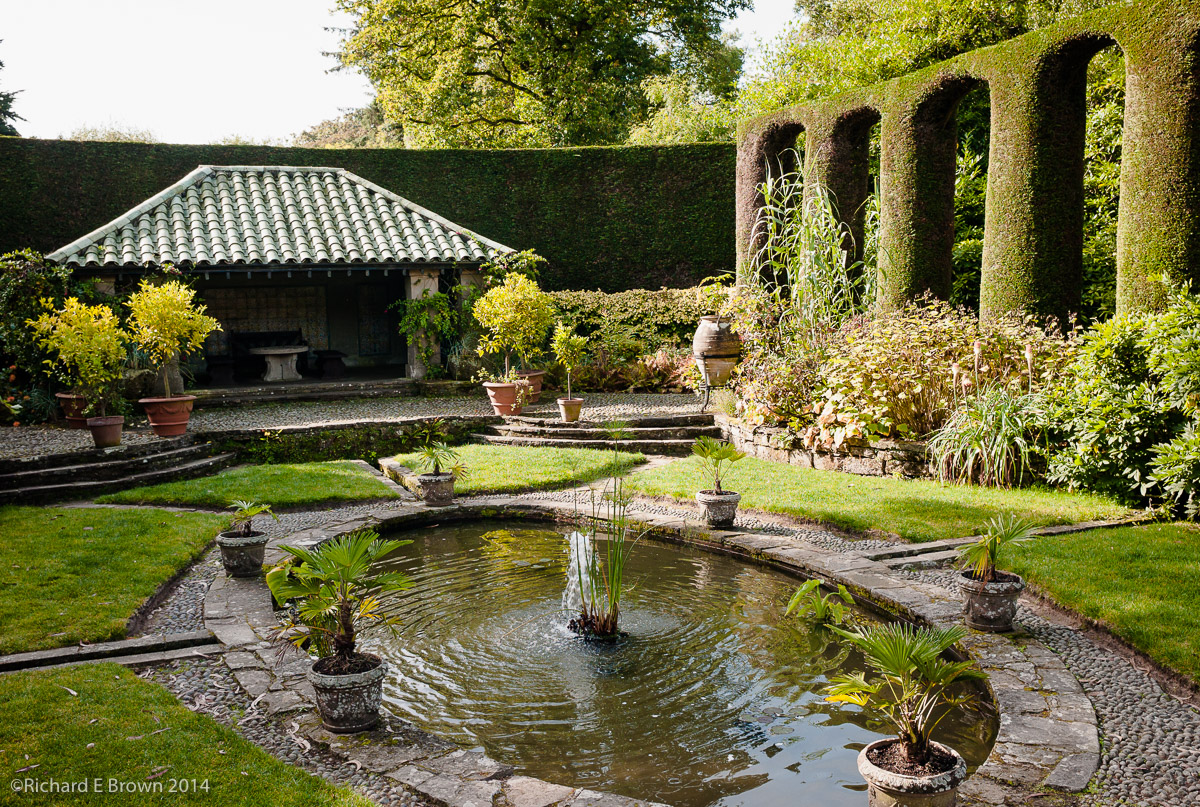
So when we are on holiday we always look out for NT and English Heritage locations to visit as many are photogenic.
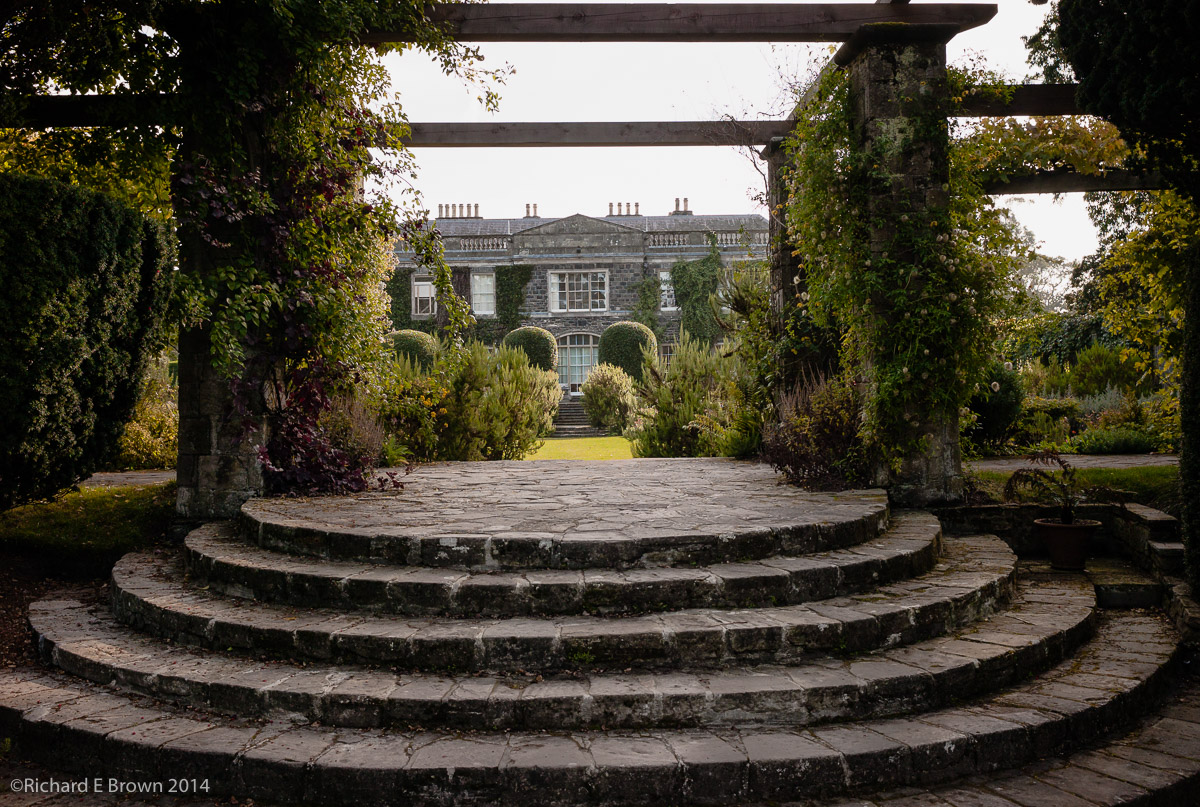
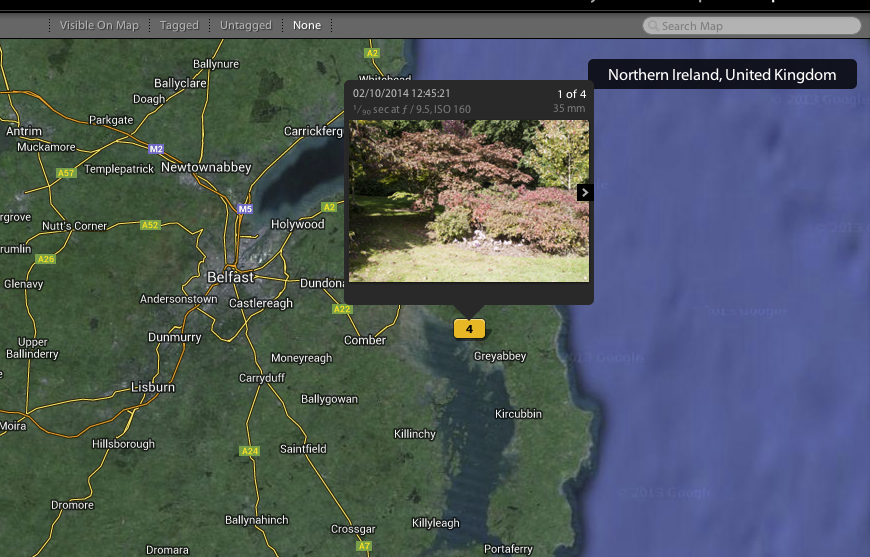
Here we went to the magnificent Mount Stewart, a place where many current movies have been filmed such as the new Dracula movie.
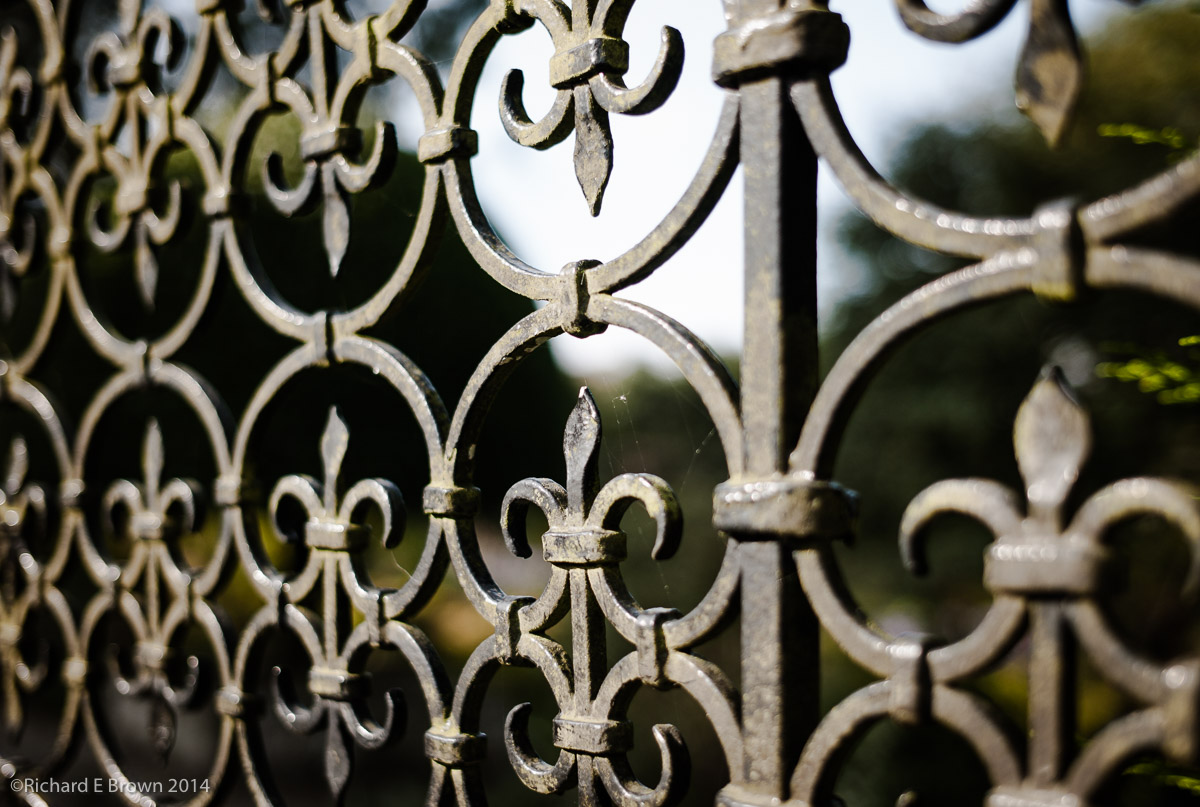
It was a very bright and contrasty day, and without using HDR many of the photographs could not capture the full exposure range, but still even these look good I think.
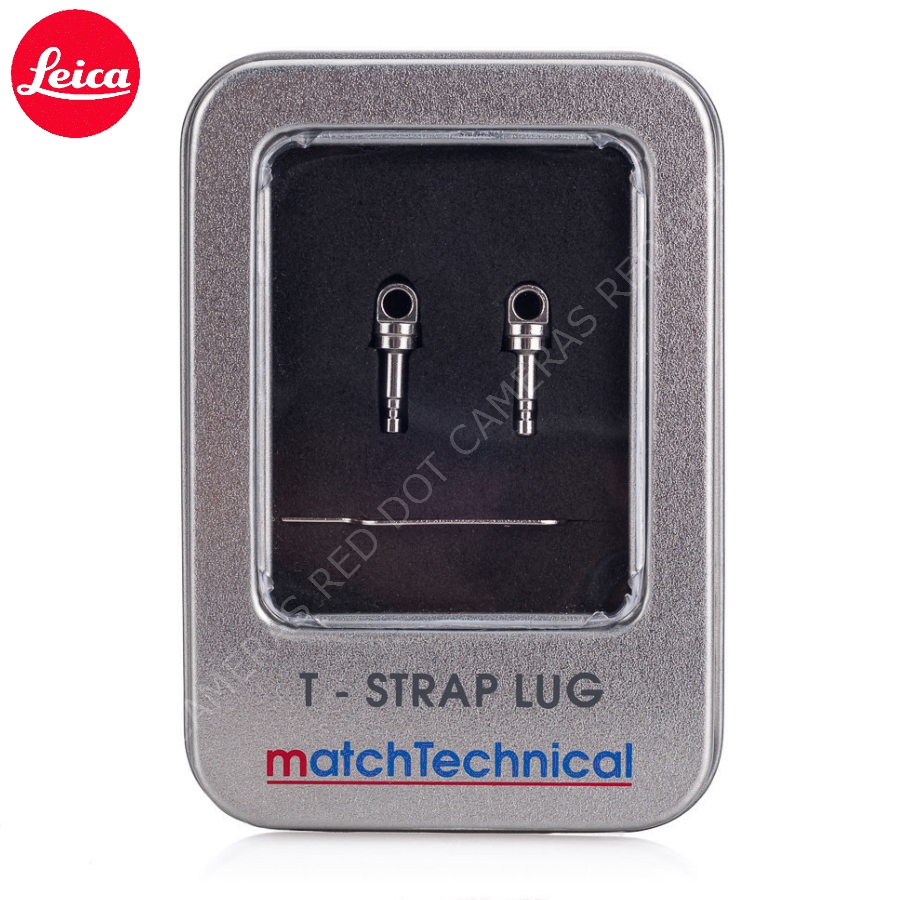 The Leica T is quite a refreshing change, and very different for Leica, even the way the strap attaches to the camera is unique, and while liked, the strap is not quite so well liked. Well there is now a solution available from your favourite Leica store, the matchTechnical T Strap Lug, which enables you to fit any strap to your Leica.
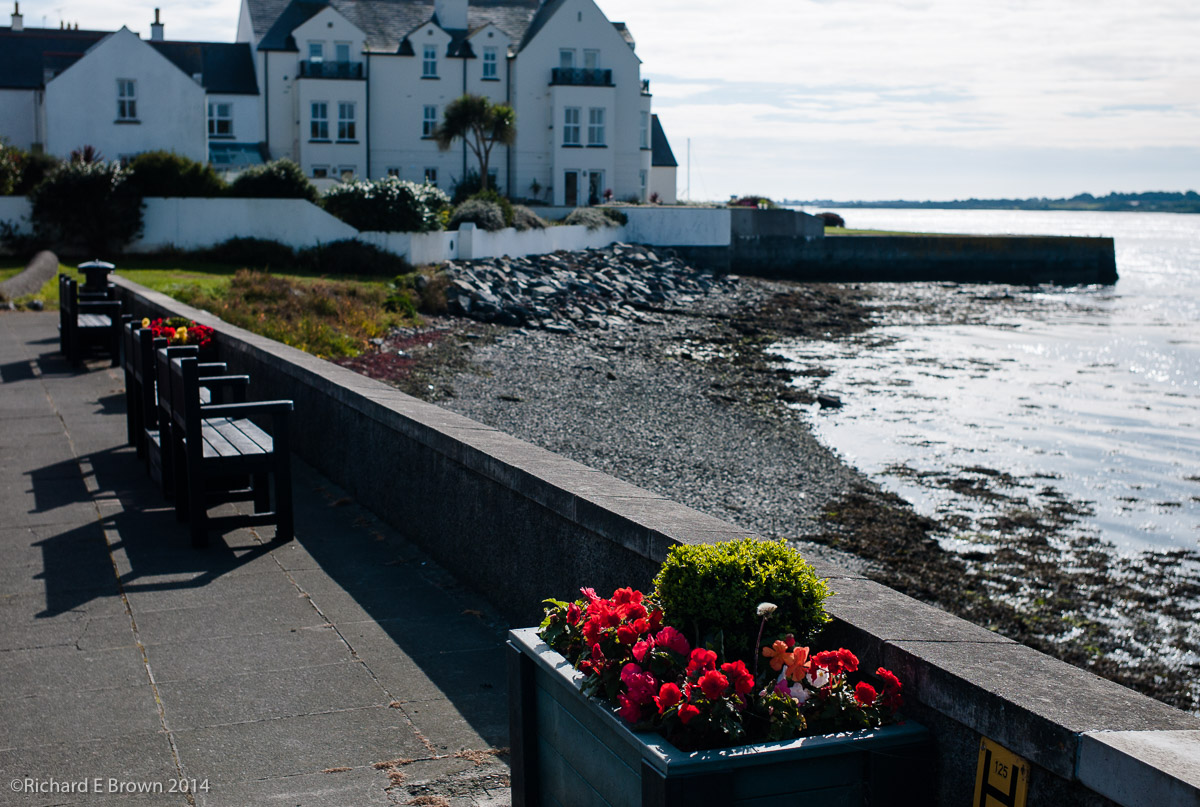
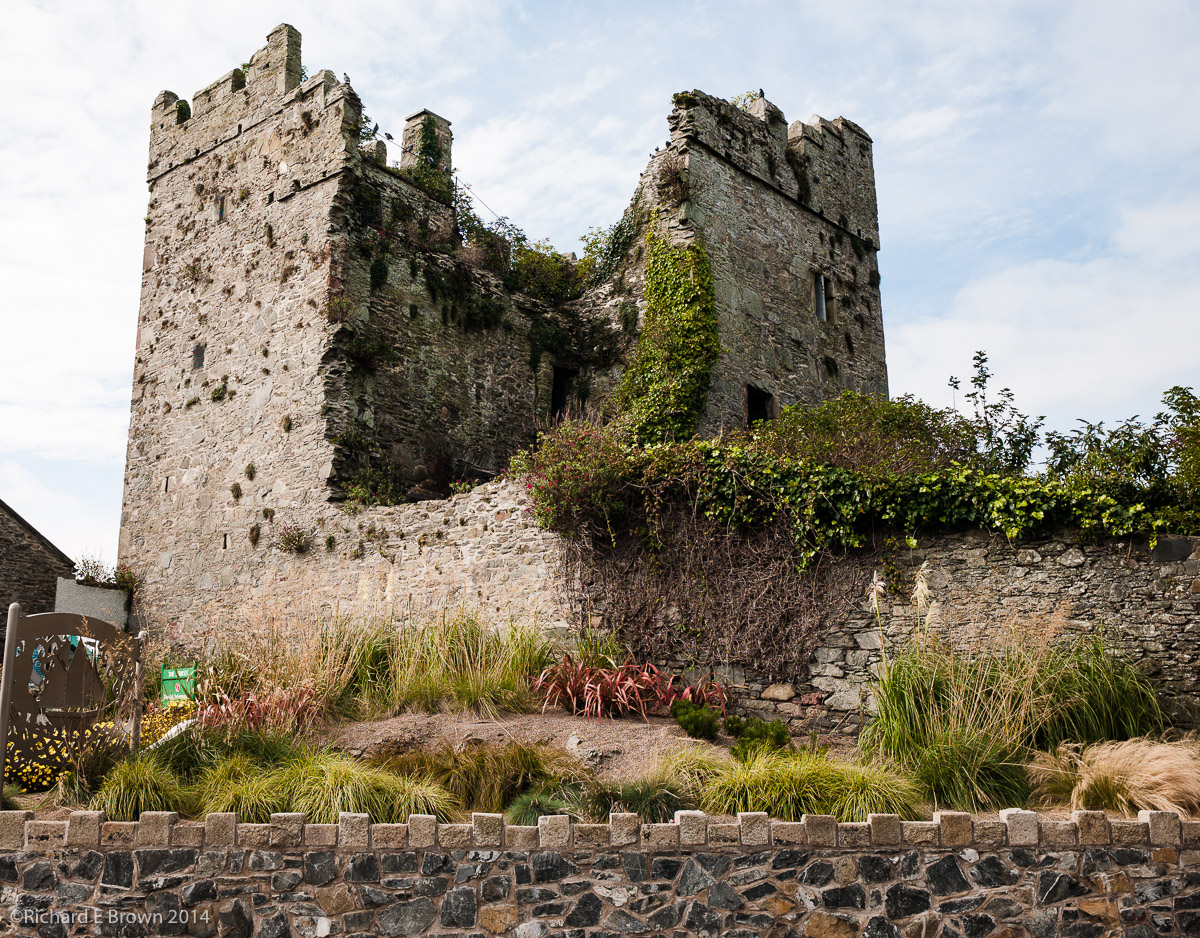
At the bottom of Strangford Lough on the east coast is the little town of Portaferry, here we caught the ferry to Strangford to visit Castle Ward.
Before we headed over we had a good walk round. Its quite a photogenic little town and worth a look round even if you are only going there to catch the ferry.


 While on holiday in Ireland I only had the iPad available to me as my main computing device.
Each day I backed up my photographs and imported them into PhotoSmith so I could add metadata to them.
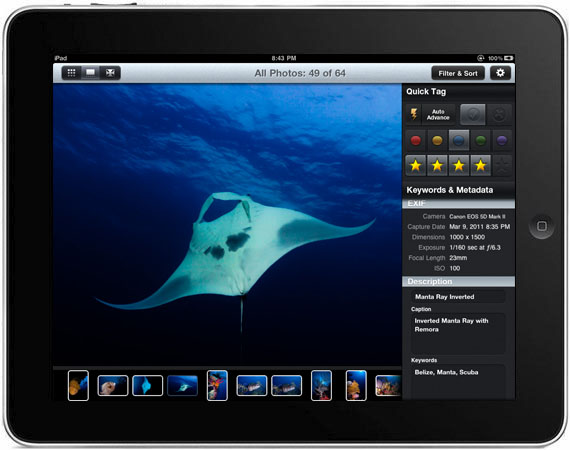
After my visit to National Trust Village of Kearney which was my first photographic trip of the holiday I backed up to the iPad as usual and then tried to import them into PhotoSmith, but all I got was blank images. I then tried my favourite iPad RAW processor, PhotoRaw. This had the same problem.
So I put the memory card somewhere safe and put in a fresh formatted one. For the rest of the holiday things were fine, so I suspected a faulty memory card. Once I got home I imported and synched everything up to my master Lightroom catalogue. My laptop had no trouble reading the first memory card.
So what was the issue, well it turns out there is a bug in iOS8 at the moment, which causes issues if you shoot RAW+JPG. It turns out by coincidence that the first days shoot was which the camera set to RAW+JPG, but the following days shooting was RAW only thus I did not have the problem.
Hopefully iOS8.1 will fix this issue.
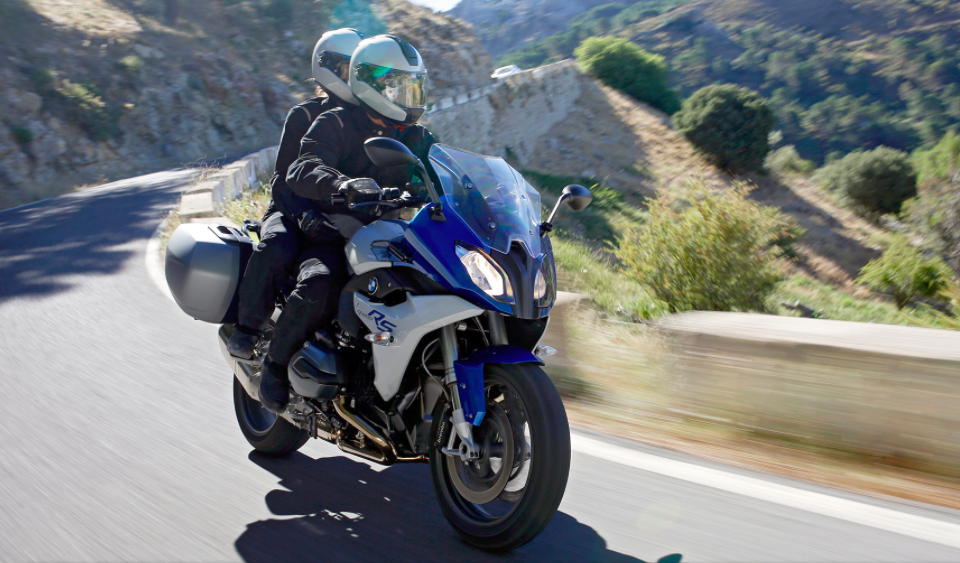
BMW announced today a new BMW R1200RS. The old RS from pre 2010 was a much loved bike. Called a sports tourer, it was less sport and more sensible, comfortable commuter/tourer, with all day comfort for two and luggage. It was not the prettiest bike in the world but owners loved them.
Well we finally have a new model, much more a sports tourer then the old model, I look forward to testing one next year.
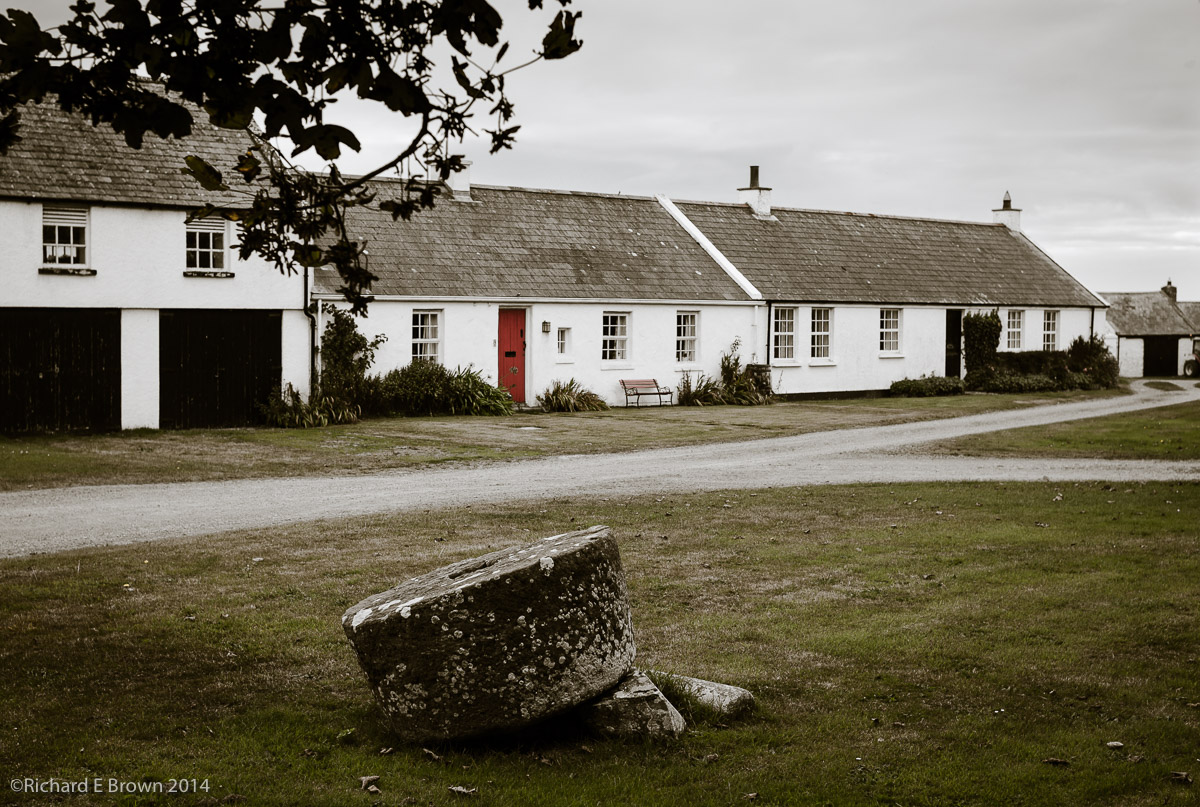
Our first trip out, took us to the National Trust Village of Kearney on the east coast of Strangford Lough. At the time the sun had not yet come out, so here is my desaturated photograph of the village. I have also added a colour tint, brown to the shadows and blue to highlights, this has given it a bit of a older film feel.
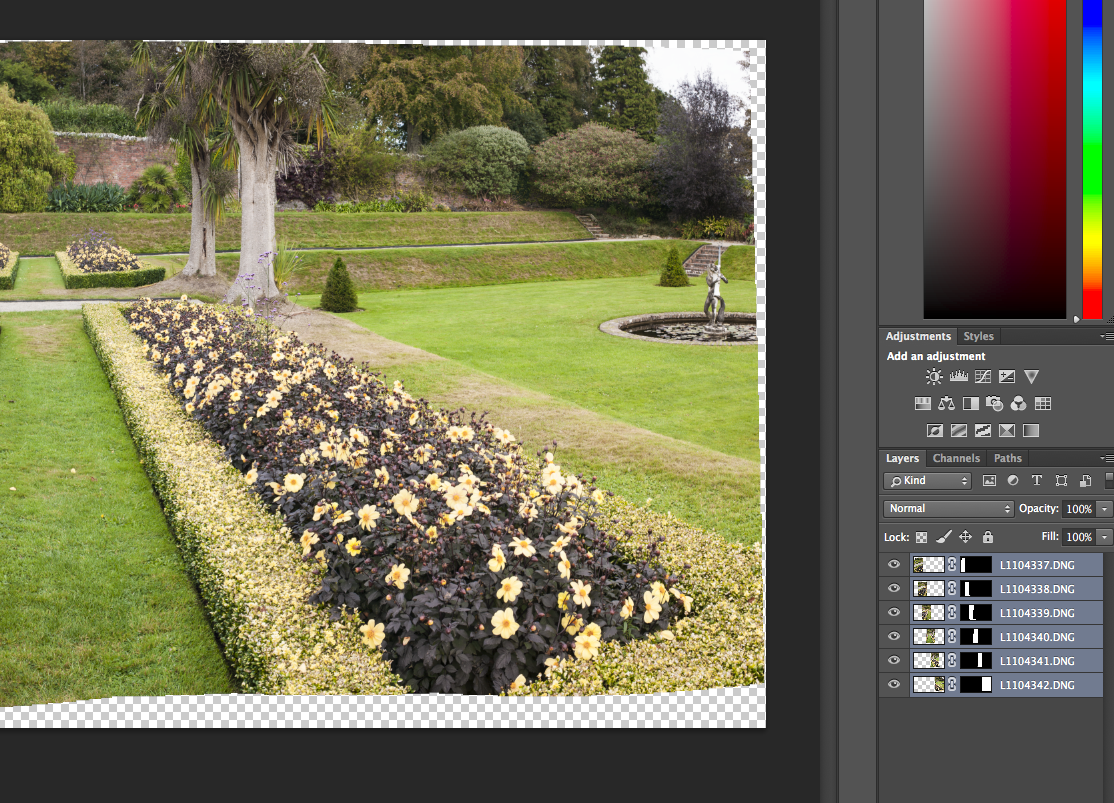 With the Ireland trip being for pleasure I can forgo my normal strict photography practice and play around with the photographs a lot more. After importing them into Lightroom on Monday I looked at the shots that I had specifically intending to work on in Photoshop.
I took photographs to post process using three techniques while away:
The techniques involved are broadly similar so I thought today I would show you one of the panoramic shots I took.
Now today many cameras do in-camera panoramic’s but these leave you with a jpeg file, what I like is starting with raw files. To do a really good job you can get a pano head for your tripod but these are all shot handheld.

As you can see I took six shots with a good deal of overlap, all as RAW. The final shot was just a marker so I new where the set ended. Its just a shot of the palm of my hand at the maximum shutter speed to make a dark frame.
After a very basic edit in Lightroom all six images were opened as layers in Photoshop using the Lightroom Merge to Panoramic in Photoshop command. This created image at the very top.
Seems odd to start a blog entry about my recent holiday, titled leaving Ireland, but yes we are now home again and I have spent most of today GPS tagging my photographs, importing them into Lightroom and of course backing everything up.
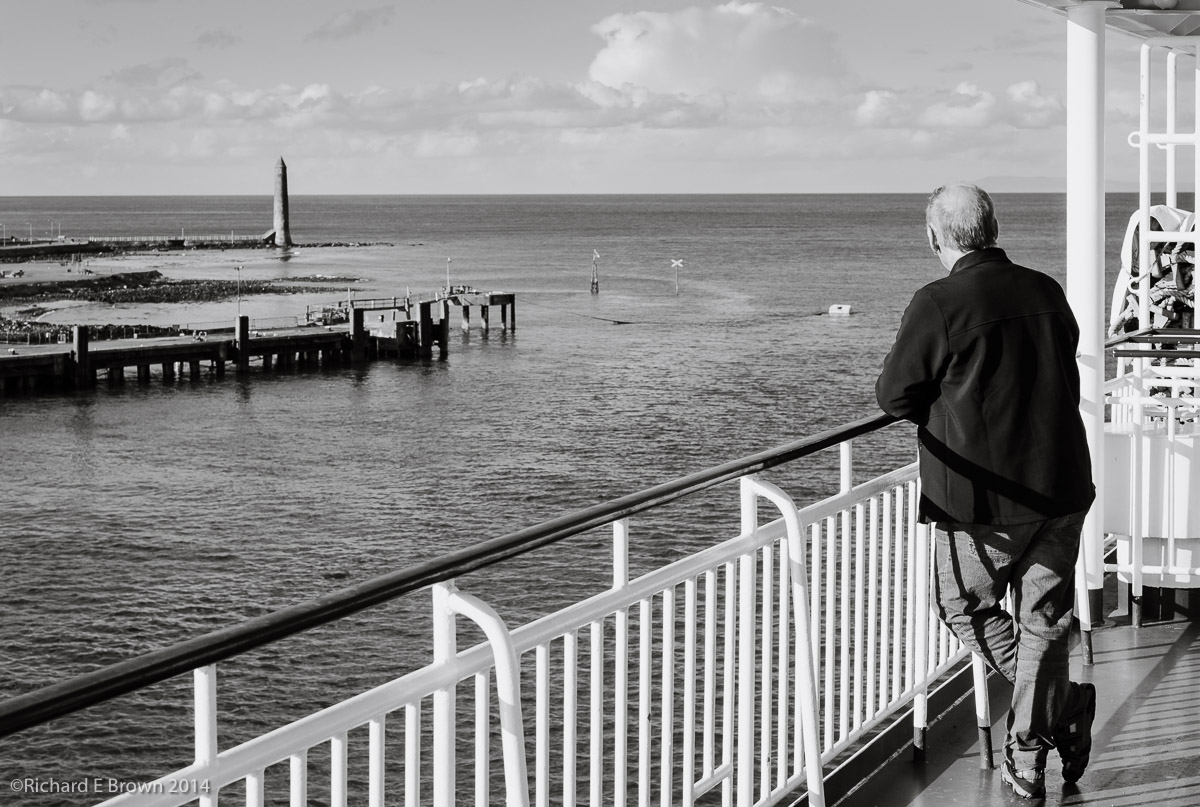
As always when I take a boat trip to some of the other British Isles, I like to spend sometime on deck if the weather is suitable and take a few photographs of other passengers looking out to sea at the views. My little Leica is ideal for this kind of thing, as are most small mirror-less cameras.
So to wet your appetite for some of my Irish photographs I’ll leave you this with one.
 I have just spent the week in Ireland and Scotland on a photography trip. I was travelling light, with just the Leica M and iPad.
One of things I often like to do is log the GPS co-ordinates into my metadata. Now many compacts now have built in GPS but for more advance systems this is either missing or requires an add on. Nikon and Canon do a plugin to the hot shoe, the Leica T for instance has a GPS built into the external EVF. One of the handgrips available for the Leica M 240 has GPS built in.
There are other ways to get the data in and both myself and Chris Bennett use GPS4Cam a simple little iPhone utility.
While shooting in Ireland, I did a little testing with the camera set up in different ways, so sometimes I shot RAW+JPG and other times just RAW. The camera is faster and more responsive just shooting RAW but I also often like to have a JPG in Black & White to evaluate along side the RAW.
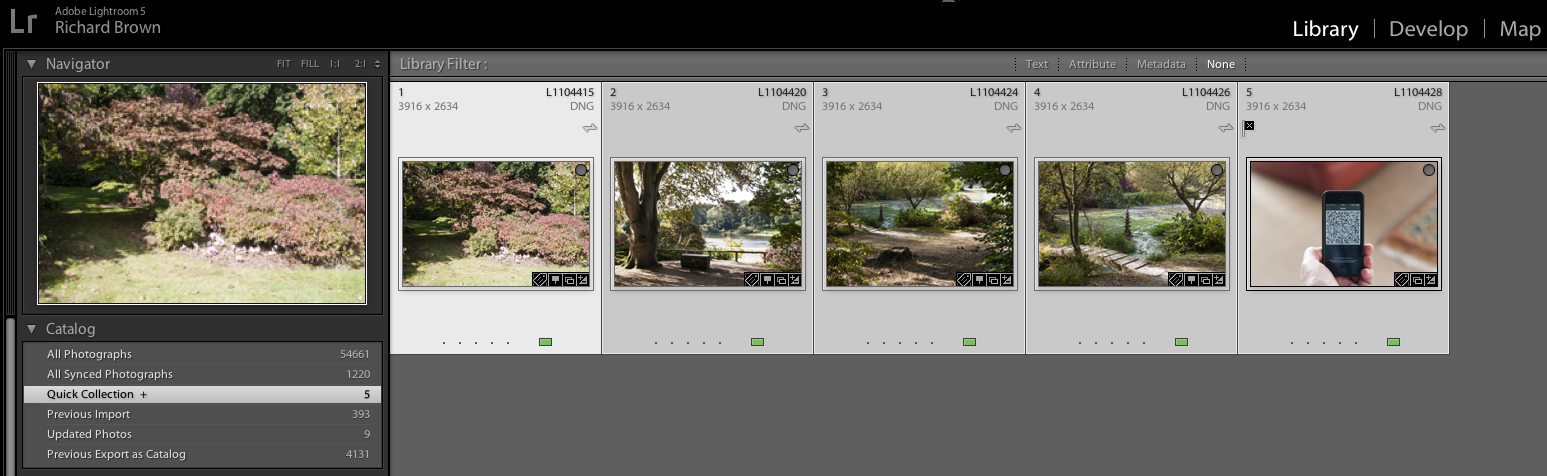
While sorting out the images back home I discovered that the GPS4Cam desktop client was unable to read the Leica RAW files, now these are standard DNG’s not proprietary. It has in the past had no trouble at all with Nikon proprietary NEF RAW files so I did not expect this.
The solution was quick and easy, just open up the Q code image in Photoshop via CameraRaw and save as a jpeg, then it had no issues.