Every two years Photokina hold their photography show, many years ago it was huge, with companies like Kodak, Fuji and Agfa booking entire halls. Nikon and Canon with revolutionary new SLR’s, the Large format and Medium format manufacturers who had a virtual monopoly over the fashion and studio photography world. My dream was to one day own a Hasselblad V system camera (and now I do)!
Today the show is a shadow of its former self, Kodak only has a very small presence and only Leica booked a whole hall to themselves.
So what did people think and what did I think, well you can check out a few other thoughts below: Chris’s blog first and of course Luminous Landscape.
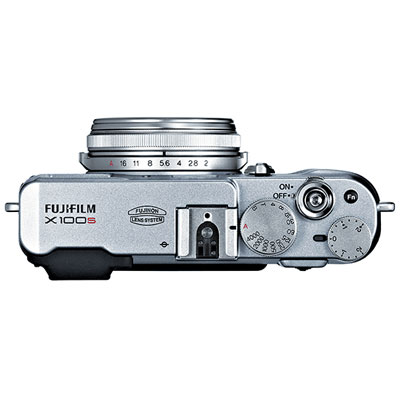
Back in 2010 was the last time I was really excited by a Photokina, and that was the prototype Fuji X100, unlike Kodak, Fuji have really risen to the challenges of the digital age, and importantly they have continued to listen to their customers and continued to develop and improve old models whilst releasing new models.
The Fuji X100 range and the Fuji X Pro both with there hybrid optical viewfinders I find the most exciting small camera’s available at the moment. Both have improved over the years and with this years Photokina we now see the Fuji X100T, for users wanting a Leica type rangefinder, whilst these camera’s are not rangefinders they bring that kind of experience to the photographer at a relatively cheap price point.
A lot of people ask what is the point of the rangefinder and why do many like it so much; well its less the ranger finder part but more the optical viewfinder and its positioning on the camera. The viewfinder being in the top corner means the camera obscures less of ones face meaning that people relate to you differently and you often get a better and more relaxed pose from your subject. The other factor is the viewfinder of most SLR’s is about 97% unless its a pro model which gives 100%. A rangefinder gives you anywhere between 110% and 180% coverage compared to your lens, thus you see things about to enter your picture and can frame and anticipate better. Now the only other cameras that I am aware of that can also do this are the Fuji X100 range and the X Pro1, thus the interest.
I am tempted but the X-trans sensor with its potential issues to large areas of green that can sometimes show up puts me off. I would love them to come out with a X100 without the X-trans sensor, the original X100 had the standard sensor but missed focus too much.
Now lets talk about Leica; they had a huge show, several hundred square feet were dedicated to gallery space where they showed the work of many of today’s great photographers.
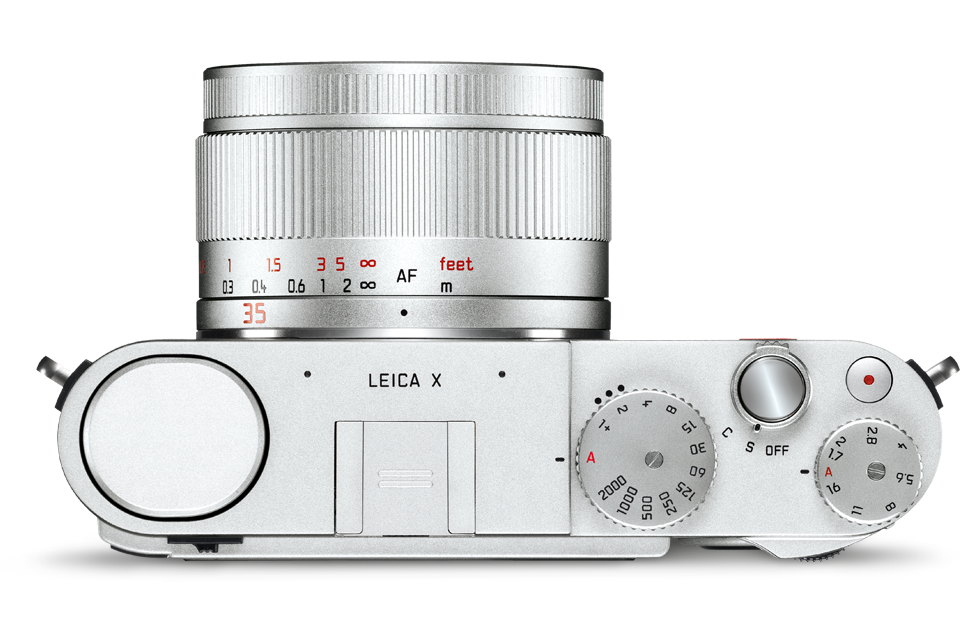
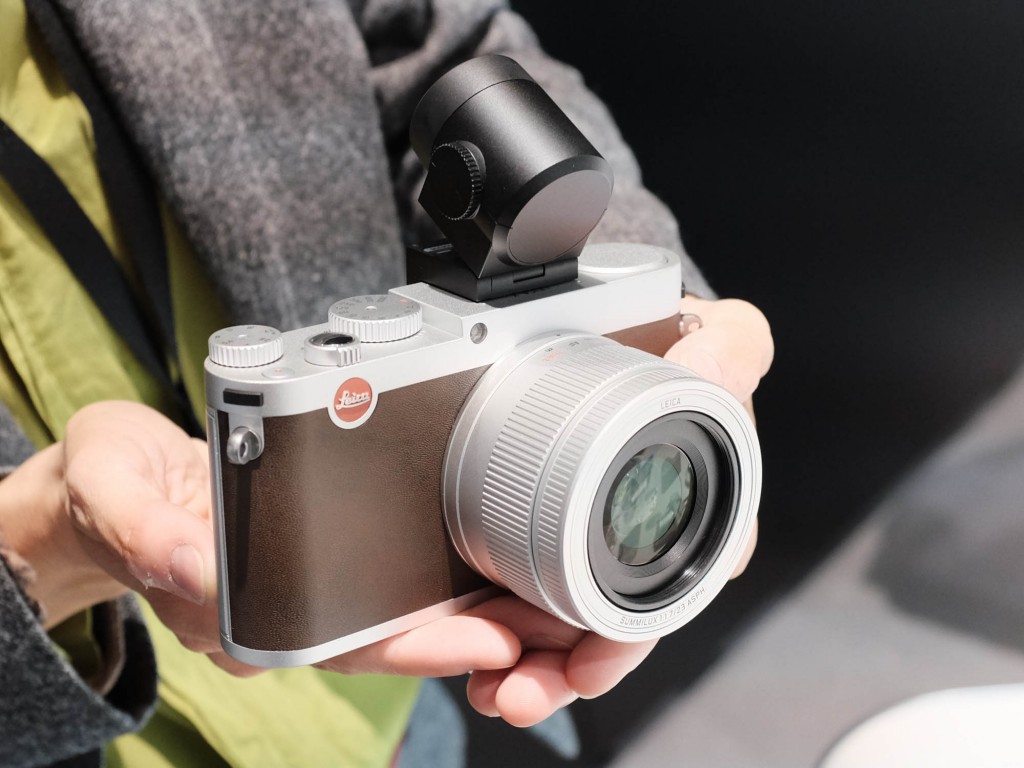
The major announcements that I found interesting were the Leica M 60 a rather strange and very brave special edition, the new X camera and the two new Dlux and Vlux cameras.
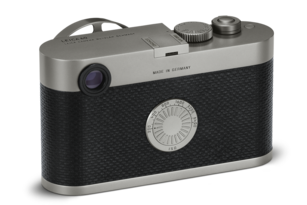
I am not sure if the Leica M 60 is brave or foolish. There is something about it that makes me want one but as its a special edition of only 600 units costing £12000 that is not going to happen, its basically a M 240 with no rear screen so viewing your images is not possible until you download them to a computer, its just like working with film, you have to know what you are doing and get it right in camera. I love it!
Another new M we had was the film M-A this is a replacement I think to the M-P but has no meter so very back to your roots. Before you think its a camera impossible to use then just remember I use my 1960’s Leica M4 well and have rarely had a badly exposed picture and that also has no meter in it.
We have two joint development cameras from the Leica Panasonic agreement the Panasonic LX100 / Leica DLux and the Panasonic FZ1000 / Leica VLux. Expect to see another five years of co-operation as both companies signed another agreement to share electronic and lens technology which has given us some well thought out little cameras since 2001.
Lastly we had a new S medium format camera, this time with a CMOS sensor and 4K video. Up to now video has not been that good on Leica camera’s but the big sensor and some of the best lens in the business has got a number of videographers very excited.





 Today saw the release of iOS8. Less of a visual change then iOS7, more polish and tweaks, but lots of under the hood changes and more api’s for developers to better integrate with the system.